
Best Chest Freezer for Apartment (2026): Small Space Buying Guide
Disclosure: We may earn a commission when you buy through links on this page, at no extra cost to you. As an Amazon Associate I earn from qualifying purchases. Learn more

What to check before choosing the best chest freezer for apartment living: capacity, lid clearance, noise, power and your lease.
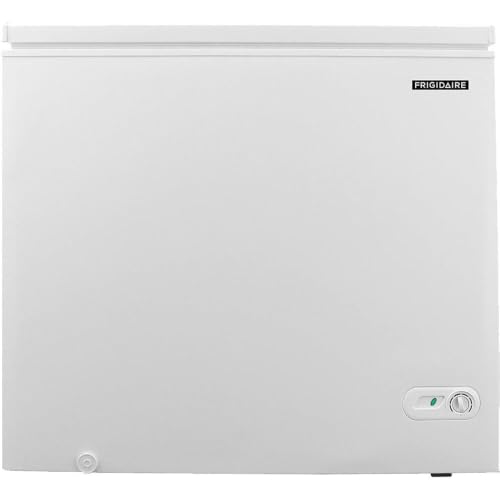
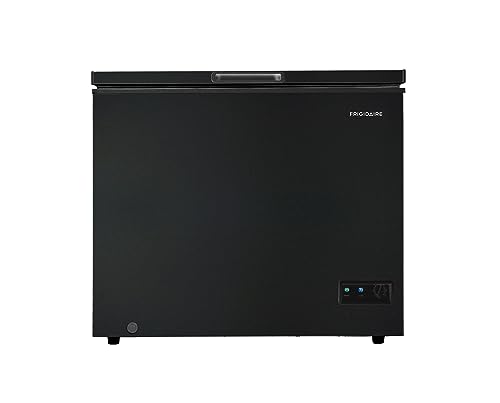
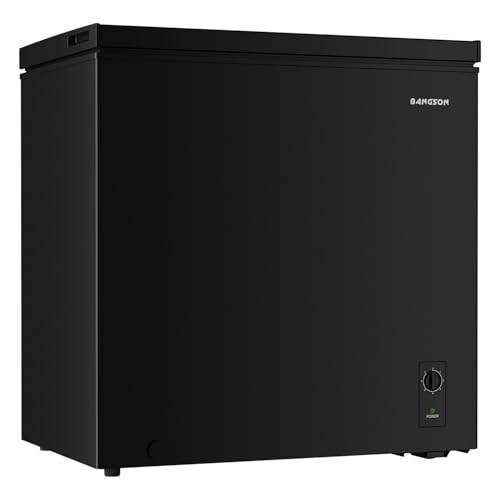
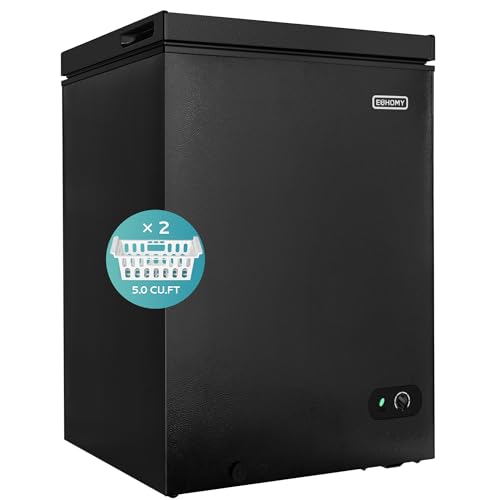
Your fridge freezer fills up fast when you cook in batches or grab meat and frozen vegetables on sale. A small chest freezer solves that, but apartment life adds rules a house never has: tight corners, a lid that needs room to swing open, thin walls that carry compressor hum, and a lease that may ban extra appliances. The best chest freezer for apartment is the one that fits your floor plan, your household size, and your budget without fighting any of those limits. Use the comparison table below to match capacity and footprint to your space before you order.

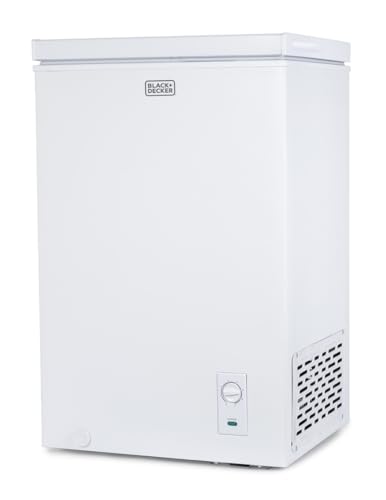
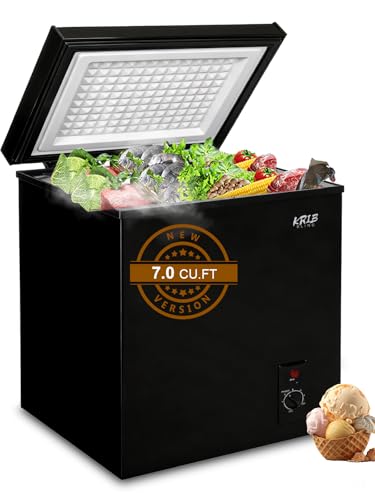


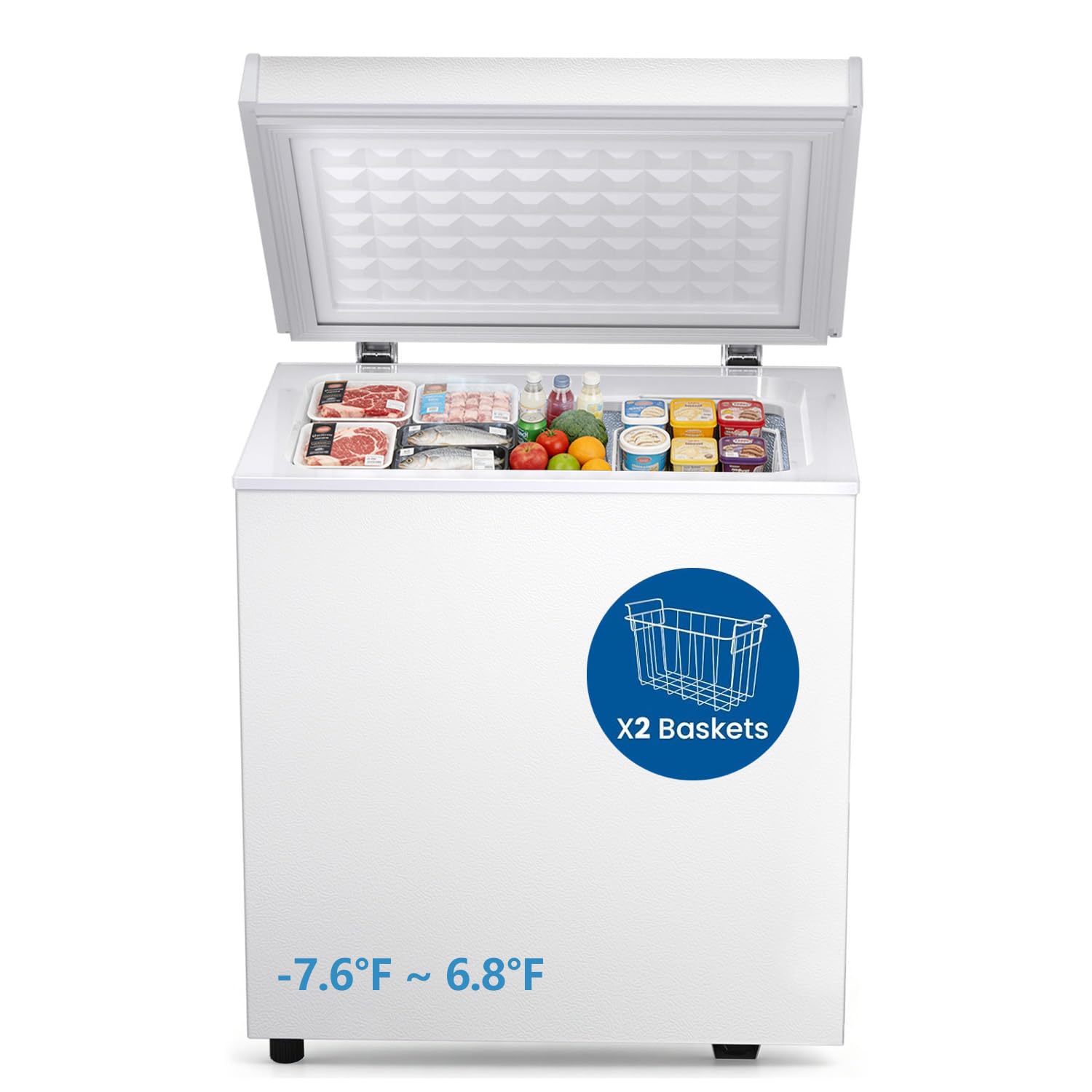
Quick Answer: What Matters Most in a Small Space
For most one and two person households, a 3.5 to 5 cu ft chest freezer is the sweet spot. It holds a meaningful amount of food, slides into a closet, corner, or laundry nook, and usually runs on a standard outlet without drama. Go up to 7 cu ft only if three or more people share the home and you have a clear patch of floor with ventilation room on every side. If your building has no elevator, weight and box size matter as much as capacity. Our broader guide to the best chest freezer covers full size options for houses once space stops being the main limit.
Before You Buy: A Quick Checklist for Apartment Shoppers
Size: Match Capacity to Your Household
Capacity drives everything else, so start with who eats at your table. A 3.5 cu ft model suits a single person who wants backup storage for meal prep and frozen staples. A 5 cu ft unit handles a couple comfortably and swallows a bulk warehouse run without Tetris level packing. At 7 cu ft you are feeding a family, and the footprint grows to roughly the size of a small dresser. Bigger sizes like 10 or 15 cu ft rarely make sense indoors, because the lid arc and the floor they demand eat the very space you are trying to save.
Footprint and Lid Clearance
Measure the floor spot, then measure again with the lid open in your mind. A chest freezer lid needs full vertical clearance, so a low shelf or sloped ceiling above the unit can block access even when the base fits perfectly. Leave about 2 to 3 inches of air gap on the sides and back so the cabinet walls can shed heat. Note doorway widths and tight hallway turns as well. If the only workable spot is truly tiny, our roundup of the best small chest freezer options focuses on the smallest footprints that still freeze well.
Which Type Fits Your Routine
Most apartment units are manual defrost, and that is fine if you can empty the freezer once or twice a year for a few hours. Frost builds slowly, steals a little space, and makes the compressor work harder over time. Frost free designs spare you that chore but cost more and are far more common in uprights, so read our comparison of frost free vs manual defrost freezer types before paying extra. Convertible models that switch between fridge and freezer modes add flexibility for party overflow, while a lock matters if small children or shared housing make security a concern.
Features Worth Paying For, and Ones to Skip
Removable wire baskets earn their keep every day, because they keep small items from vanishing into the bottom layer where you forget them. An interior LED light sounds minor until you are digging for peas at night in a dim closet. A power on indicator and an external temperature control you can adjust without lifting the lid both save cold air and guesswork. A drain plug at the base turns defrost day from a bail and mop job into a simple hose task. Skip paying for smart app alerts on a small unit; the food in a 5 cu ft box is easy to track with a written inventory on the lid.
Noise, Heat, and Your Circuit
A chest freezer cycles its compressor on and off all day, so placement near a bed or a desk deserves thought. Most modern units hum at a level similar to a quiet dishwasher, but a hard floor and bare walls make that hum carry, and a rubber mat under the unit softens vibration. Check the amp draw too. A circuit already shared with a microwave and a kettle can trip when the compressor starts, so plug the freezer into its own outlet when you can, and never use a thin extension cord, because voltage drop makes the motor run hot.
Certifications and Safety Marks
Look for a recognized safety listing such as UL or ETL on the label, which tells you the electrical design passed an independent safety review. An Energy Star rating signals the unit met federal efficiency guidelines, a real plus when your utility bill covers every appliance you add. Keep the manual and model number after delivery, since warranty claims and replacement parts both depend on that exact information.
Delivery and Placement Realities
A house buyer rolls a freezer through a garage door; you may face three flights of stairs and a 30 inch doorway. Measure the box dimensions, not just the unit, and confirm whether delivery includes carrying it inside or only to the curb. Once placed, let the freezer stand upright for several hours before plugging it in if it traveled on its side, so the compressor oil settles back where it belongs. Check the lease too, because a few buildings restrict extra refrigeration appliances or require a drip pan on upper floors.
Realiztic Budget Ranges
Compact models under $200 cover the basics: one basket, manual defrost, and a simple dial control. The range from about $200 to $300 adds better insulation, a lock, and a light, and it is where most apartment shoppers land. Spending about $300 to $500 brings larger capacity, sturdier lids, and longer warranties. Above that, you are mostly paying for size or garage ready builds that apartment life rarely needs. Delivery fees and a drip pan can add about $30 to $80 more.
Three Types Compared: Which Style Suits Your Apartment
Instead of chasing a single winner, match the style to your rooms. A compact 3.5 to 5 cu ft chest freezer fits renters and couples who need overflow storage and may move within a year or two; it is light enough for two people to carry and small enough to resell or relocate easily. A midsize 7 cu ft model serves families in larger units who freeze meals weekly and have a laundry room or wide closet to spare; if that class tempts you, our guide to the best 7 cu ft chest freezer walks through what separates the options. The third style, a convertible or garage ready build, suits a balcony adjacent storage room or an unheated spare space where room temperature swings beyond what a basic unit tolerates.
Also weigh the chest shape itself against an upright. A chest holds cold air better when opened, because cold air sinks instead of spilling out, and it usually costs less per cubic foot. An upright gives you shelves and easier sorting, at the price of a higher bill. Our head to head on chest freezer vs upright freezer lays out the trade in full if you are still torn.
Living With It: Day to Day in a Small Home
Organization decides whether a chest freezer feels like a pantry or a pit. Group food in labeled bins or sturdy bags by category, keep a running list on the lid, and rotate new purchases to the bottom so older items surface first. Flat freezing soups and sauces in bags saves striking amounts of room compared with rigid tubs. Expect a faint hum and a bit of warmth along the outer walls; both are normal signs of the cooling cycle. Resist treating the closed lid as a shelf, because stacked items slide off when you open it and the lid seal needs a clean, even close every time.
Common Buying Mistakes to Avoid
- Measuring only the floor spot. The lid arc, the doorway width, and the stair turn decide whether the freezer ever reaches that spot.
- Buying capacity for a fantasy household. An oversized unit runs half empty, wastes floor space, and costs more to keep cold.
- Ignoring the lease. Some buildings ban extra freezers, and an unapproved appliance can cost you your deposit.
- Placing it against a heat source. A spot beside an oven forces longer run times and higher bills.
- Forgetting defrost day. Manual defrost models need a plan for the food while ice melts, so buy only if that chore fits your routine.
Cost of Ownership and Care
A small chest freezer typically adds only a few dollars to a monthly electric bill, and an efficient model with a tight lid seal sits at the low end of that range. Keep the seal clean with a damp cloth, and test it once in a while by closing the lid on a sheet of paper; if the paper slides out with no resistance, the seal needs attention. Vacuum dust from any exposed coils or the rear grille so heat escapes freely. When frost reaches about a quarter inch thick, defrost fully and dry the interior well before reloading food. Our step by step guide on how to clean a chest freezer covers the full routine, including odor removal.
Your Questions, Answered
How long does a chest freezer last in an apartment?
Most chest freezers serve about 10 to 20 years, and steady indoor temperatures can be gentler on a compressor than the heat swings of a garage. Lifespan drops when the unit is packed against a wall with no airflow or run with a failing seal for years. If yours starts running nonstop or food at the top feels soft, have a technician check it before assuming the worst, since a weak seal or a dirty grille is often a cheap fix.
Is a chest freezer worth it for a single person?
Yes, if you cook in batches, buy frozen goods on sale, or have a tiny fridge freezer that fills with two grocery trips. The savings from bulk buying and fewer takeout nights can repay a compact unit within a year or so for many shoppers. It is harder to justify if you eat mostly fresh food and rarely freeze anything, because then the freezer just occupies floor space for little return.
Can I put a chest freezer in a bedroom or living room?
You can, and many studio renters do. The main issues are the compressor hum during quiet hours and the heat the cabinet gives off, which can warm a small room slightly. A mat under the unit, a few inches of clearance, and placement away from the bed keep both effects mild. Avoid closets with no airflow, because trapped heat makes the motor work harder.
What size chest freezer is right for a family of three?
A 5 cu ft model works if you shop weekly and freeze modest amounts, while 7 cu ft gives breathing room for bulk meat, batch cooking, and a holiday turkey. A common planning figure is about 1.5 cu ft per person, but habits matter more than the formula. Heavy meal preppers should size up; households storing mostly bread and ice cream can size down.
Will a chest freezer raise my electric bill a lot?
Expect a small increase rather than a shock. Efficient compact models use roughly the energy of a couple of light bulbs running all day, and the lid design loses very little cold each time you open it. Bills climb when the freezer sits in a hot room, the seal leaks, or frost builds thick. Keeping the box about three quarters full also helps, because frozen food itself holds the cold.
Final Thoughts
The right freezer is the one that fits your rooms, your table, and your lease at the same time. Start with a 3.5 to 5 cu ft model for one or two people, step up only when your household and floor plan both allow it, and spend on baskets, a light, and a sound seal rather than features you will never use. Compare the sizes in the product table above against your own measurements before you buy, and the best chest freezer for apartment for your home will be an easy, confident choice.


