Best 7 cu ft Chest Freezers (2026): Types and Buying Guide
Disclosure: We may earn a commission when you buy through links on this page, at no extra cost to you. As an Amazon Associate I earn from qualifying purchases. Learn more
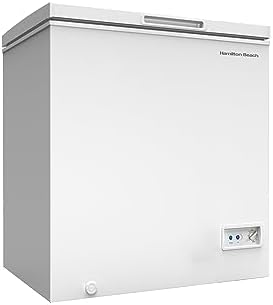
A buying guide to the best 7 cu ft chest freezer: standard, garage ready and convertible types compared on fit, baskets and upkeep.
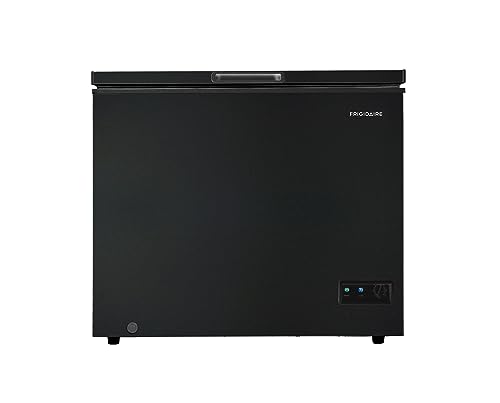
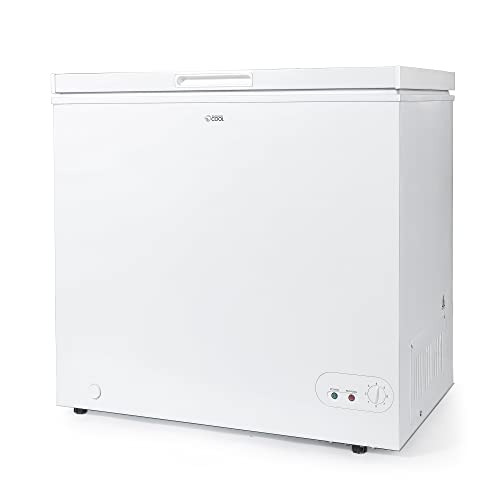
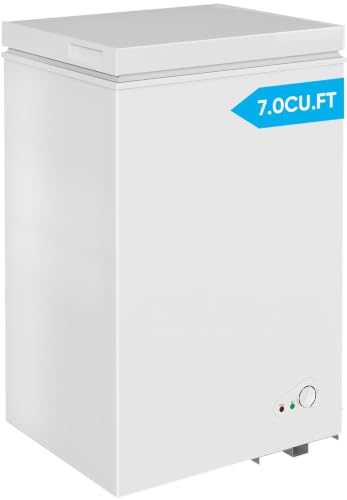
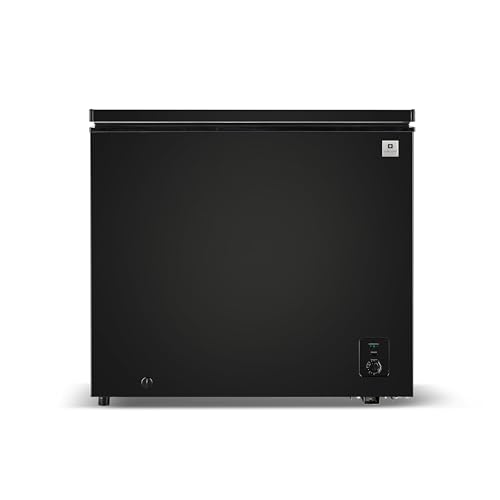
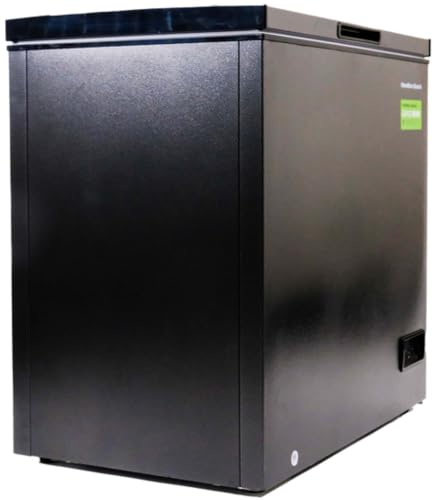
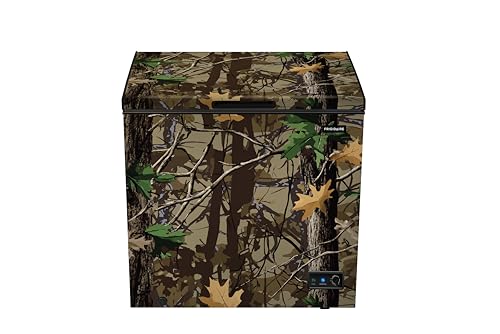
A freezer full of sale meat does you no good if the lid will not open under a low shelf, or if your household of two can never fill the space you paid to chill. The best 7 cu ft chest freezer for your home depends on the room you can give it, the number of people eating from it, and how you actually shop. This guide walks through size, type, features, placement, and budget so you can match a model to your routine. Start with the comparison table below, then use the checklist that follows.

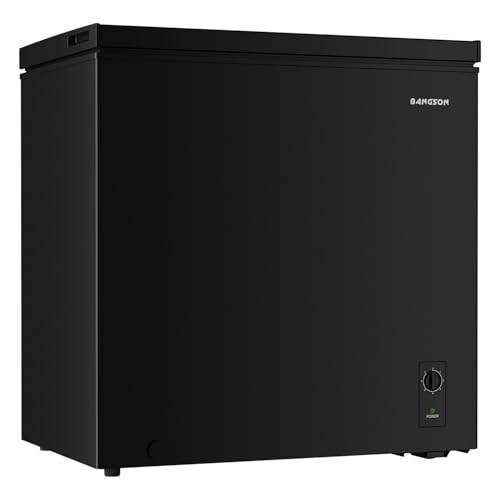
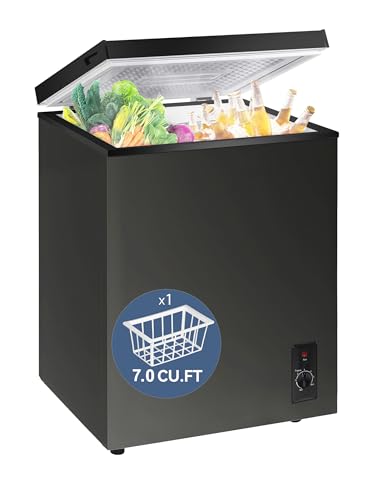
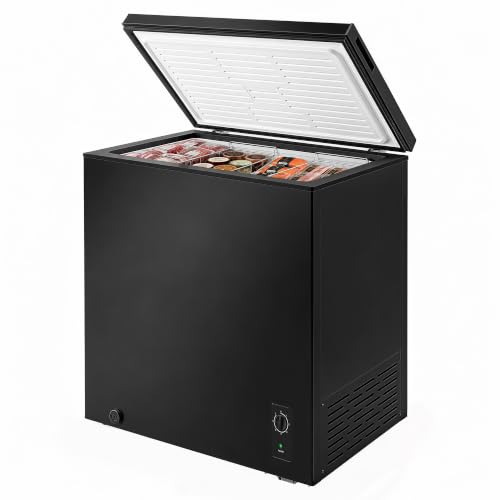
Quick Answer: How This Size Class Breaks Down
Seven cubic feet sits in the middle of the chest freezer range. It holds far more than a compact unit, yet it still fits in many garages and basements where a large model would crowd out storage. Most buyers choose between a standard manual defrost model for a stable indoor spot, a garage ready model rated for wide temperature swings, and a convertible model that can switch between freezer and refrigerator duty.
Before You Buy: A Quick Checklist for Choosing a Chest Freezer
Capacity is only the starting point. Work through each factor below before you order.
Size: Match It to Your Space
Smaller classes run about 3.5 and 5 cu ft and suit one or two people who freeze a few trays and bags. At 7 cu ft you gain real bulk storage for a family shop or a season of garden produce, without the floor area a 10 or 15 cu ft model demands. Think in terms of shopping rhythm. If you buy in bulk once a month, this size usually keeps pace. If you rarely buy ahead, a smaller class may cost less to run.
Which Type Fits Your Routine
A chest model opens from the top and keeps cold air pooled inside each time you lift the lid, which suits long storage and bulk bags. An upright opens like a refrigerator and makes small items easier to reach, but it often costs more for the same capacity. If you are still weighing the two shapes, read our guide to chest freezer vs upright freezer before you commit. Within the chest class, most models use manual defrost.
Features Worth It (and Ones to Skip)
Removable baskets are worth having, since they lift small items out of the deep lower section and stop them vanishing under heavy roasts. A lock helps in a shared garage or a home with young children. An interior light sounds minor until you are searching a dark basement corner for one bag among many. A drain at the base makes manual defrost far less messy. Skip extras you will rarely touch, such as fancy display panels on a unit that sits closed for weeks.
Measurements and Compatibility With Your Setup
Measure the floor spot, then measure every doorway, hallway turn, and stair the freezer must pass through to reach it. Leave a few inches of air space around the sides and back as the manual directs, and confirm the lid can swing fully open without hitting a shelf or a pipe. Check that the outlet can serve the freezer without an extension cord, which makers advise against.
Certifications and Safety Marks
Look for a recognized electrical safety listing, such as UL or ETL, on the rating label or spec sheet. That mark shows the unit was checked against safety standards for household appliances. An Energy Star label, where offered, signals the model met a set efficiency level when certified. Judge this product by its safety listing, energy label, and warranty terms rather than by badges copied from other appliance categories.
Doing It Yourself vs Calling for Help
Most chest freezers need no plumbing and no cabinet work, so placement is a job many owners handle themselves. You level the unit, let it stand upright after transport, and plug it in once it has settled. Paying for delivery with placement help makes sense when stairs, tight turns, or removal of an old appliance are involved. Ask what the fee covers before you book, since curbside drop off and full basement placement are very different services.
Realistic Budget Ranges
Under about $200 you are mostly looking at smaller classes, so a true 7 cu ft model at that level is uncommon outside a sale. About $200 to $300 covers many standard models with baskets and manual defrost. Moving toward about $500 tends to add garage ready ratings, better insulation, or convertible cooling. Budgets near about $800 usually belong to larger capacities, and most households gain little by stretching that far. Set your range by type first.
Three Types Compared: Choosing Without a Sales Pitch
Compare the three types below by daily use and ownership cost.
Standard Models for Indoor Rooms
A standard manual defrost model is the default choice for a basement or utility room where temperatures stay moderate all year. It keeps the price in the middle range and the controls simple, often a single dial. The trade off is upkeep, since frost builds on the inner walls over time and you will need to clear it on a schedule. Choose this type when the room is climate stable and you want a simple design for long storage.
Garage Ready Models for Unheated Spaces
A garage ready model is built to keep freezing in a room that runs hot in summer and cold in winter, within the range the maker states. That rating matters, since a standard unit can struggle when the room falls near freezing, and its thermostat may cycle in ways that let food warm up. If your only open floor space is an unheated garage, start with our guide to the best chest freezer for garage and check each spec sheet for the stated ambient range.
Convertible Models for Flexible Storage
A convertible model can hold either freezer or refrigerator temperatures, which helps households whose needs swing with the season. It can freeze a harvest in autumn, then chill drinks and extra produce for a holiday gathering. That flexibility usually costs more than a standard model, and you must move food out before switching modes. Pick this type only if you can name a real second use. Flexibility you never switch on is money spent for nothing.
How to Evaluate Models in This Size Class
Start with the maker spec sheet for capacity, dimensions, ambient range, and annual energy use, since those figures follow set test methods. Then read buyer reviews for patterns rather than single stories, watching for repeated notes on noise and lid seal quality. Check the warranty for the sealed cooling system as well as for parts and labor, since those terms often differ. For a wider view across sizes, see our roundup of the best chest freezer options.
Is a 7 cu ft Chest Freezer the Right Size for You?
For a household of three to five people who shop in bulk, this size usually earns its floor space. It can hold a large meat order, stacks of ready meals, and bags of vegetables, with room left to rotate stock. A single person or a couple who freeze only a few items may find the lower section stays half empty, and an empty freezer still uses power to stay cold. In that case our guide to the best small chest freezer class may fit your habits better. Hunters and gardeners sit at the other end. One large harvest can fill this size fast, so price the next size up before you settle.
Common Buying Mistakes to Avoid
- Measuring the floor spot but not the doors and stairs on the route, which can leave a new freezer stuck in a hallway.
- Placing a standard model in an unheated garage, which can lead to poor freezing when room temperatures fall outside its rated range.
- Paying for convertible cooling you will never switch on, which raises the price without improving your daily use.
- Ignoring the defrost drain and basket count, which turns upkeep and daily digging into slower, messier work.
- Filling the freezer to the lid on day one, which blocks air flow and makes it hard to rotate older items forward.
Cost of Ownership and Care
Running cost depends on the model, the room temperature, and how often the lid opens, so compare the annual energy figure on the spec sheet rather than guessing from size alone. A garage unit in a hot summer uses more power than the same unit in a cool basement. Keep the lid seal clean and check that it closes flat, since a gap lets frost form faster and makes the compressor work harder. Wipe spills promptly. When frost grows thick enough to eat into storage space, plan a defrost session and use the drain if your model has one.
Your Questions, Answered
What is the most reliable chest freezer brand?
No single brand wins for every buyer, and reliability claims are hard to verify from listings alone. A better test is the warranty on the sealed system, the ease of finding service in your area, and whether reviews show a pattern of early failures. A plain model with strong local service often serves a household better than a feature rich model with no nearby support.
How do you clean a chest freezer?
Unplug the unit, move food into coolers, and let frost melt with the lid open, using towels to catch the water. Wash the interior with warm water and a small amount of baking soda, then rinse and dry every surface before restarting. One point many owners miss is the lid seal. Wipe it fold by fold, since trapped crumbs there can stop it closing flat. Our guide to how to clean a chest freezer covers stains and odors in more depth.
Is a chest freezer worth it?
It is worth it when bulk buying, batch cooking, or seasonal harvests regularly overflow your refrigerator freezer. The savings come from buying food on sale and wasting less of it, and they only appear if you eat what you store. Keep a simple list on the lid of what went in and when, since forgotten food is money thrown away. If the extra storage would sit mostly empty, the cost is hard to justify.
How long does a chest freezer last?
Many chest freezers serve for well over a decade when the seal stays sound and the coils stay free of dust. Lifespan varies with room conditions, and a unit in a hot garage works harder than one in a cool basement. Watch for signs such as food softening between cycles, constant running, or heavy frost returning soon after a defrost. Our guide to how long does a chest freezer last explains which signs point to repair and which point to replacement.
What size chest freezer do I need?
Start from your largest regular load rather than an average week. Picture the biggest meat order or bulk shop you realistically place, then choose the smallest class that holds it with a little air space left over. Buying one class up for a rare event means paying to chill empty space most of the year. Sharing an order with family or splitting a bulk buy across two smaller shops can cover that peak without a bigger appliance.
What is the best 7 cu ft chest freezer for a home that freezes in layers?
Look for the model whose basket layout matches how you store food, since flat trays, small bags, and large roasts stack very differently. A unit with two baskets and a clear lower section lets you keep daily items up top and bulk stock below. Check the interior depth against your largest regular package before ordering, because a box that only fits at an angle wastes space on every load.
Final Thoughts
The product table above pulls the shortlist together, so return to it once you know which type fits your room. A standard model suits a stable indoor corner, a garage ready model earns its price in an unheated space, and a convertible model pays off only when you will use both modes. Measure the route, check the ambient rating, and match the basket layout to the food you freeze most. Chosen that way, the best 7 cu ft chest freezer becomes a quiet part of your routine, holding sale buys and batch meals ready for the weeks ahead.