Best 10 cu ft Chest Freezers (2026): Size, Features and Buying Tips
Disclosure: We may earn a commission when you buy through links on this page, at no extra cost to you. As an Amazon Associate I earn from qualifying purchases. Learn more

What matters when choosing the best 10 cu ft chest freezer: size, features, budget and the mistakes to avoid.
You buy meat on sale, prep meals for a busy month, or freeze a garden harvest, and the kitchen freezer runs out of room within days. That is when a best 10 cu ft chest freezer earns its floor space, giving you a second store of frozen food without taking over a room. This guide helps you choose by space, household size, and budget, and the product table on this page lists current options.
Our guide to the best chest freezer shows how the smaller and larger classes differ before you settle on this one.
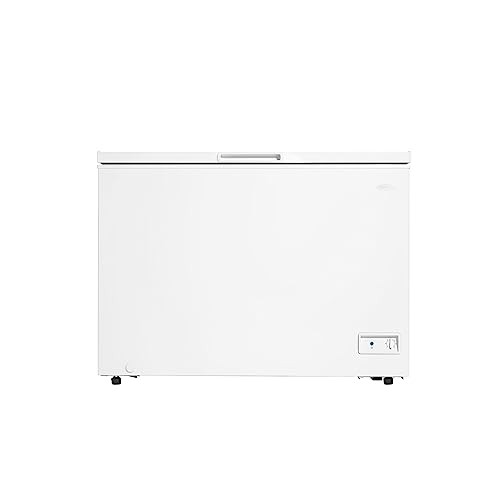

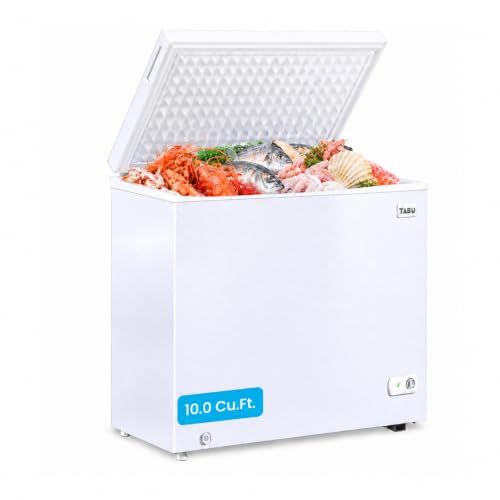


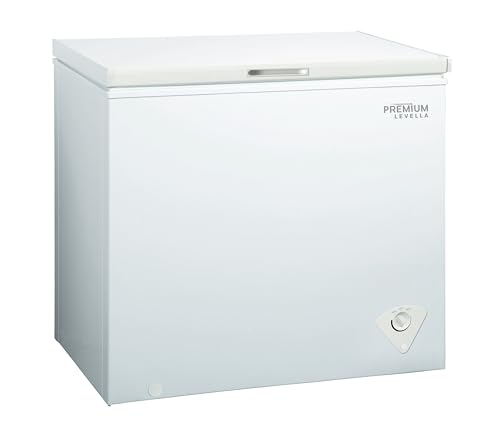


Quick Answer: What a 10 cu ft Model Gives You
A 10 cu ft chest freezer holds roughly 250 to 350 pounds of frozen food, depending on how you pack it and how much space bulky boxes take. That suits a family that buys meat in bulk or shops once or twice a month instead of every week. The cabinet is usually about 43 to 44 inches wide, so it fits through most doors and along most garage walls.
Choose this size when your kitchen freezer overflows often but a 15 cu ft model would crowd the room. Skip it if you only need room for a few bags of vegetables, since a smaller class costs less to buy and to run.
Before You Buy: A Quick Checklist for Choosing a Chest Freezer
Capacity is only the starting point. Two freezers with the same rating can feel very different in daily use, and the checks below decide whether yours stays organized or turns into a pit of forgotten food.
Size: Match It to Your Space and Your Shopping Habits
Size classes run from about 3.5 cu ft for a compact overflow unit up to 15 cu ft and beyond for very large households. A 5 cu ft or 7 cu ft model serves a couple or a small family that shops weekly, while 10 cu ft fits families of four to six who buy in bulk or process their own meat. If you are torn between classes, our guide to the best 7 cu ft chest freezer explains what the smaller step down gives up.
Which Type Fits Your Routine
Most models in this class use manual defrost, which keeps the price down and holds temperature steady, but asks you to defrost once or twice a year. Frost free designs remove that chore, yet they cost more and can dry out loosely wrapped food faster because air moves more inside. Garage ready models add insulation and parts built for hot summers and cold winters in an unheated space. Our comparison of chest freezer vs upright freezer lays out how the two shapes differ in storage style and access.
Features Worth Paying For, and Ones to Skip
Removable baskets are worth it, since they keep small items near the top where you can reach them and lift out for cleaning. An interior light helps in a dim garage, and a lock matters if small children play near the freezer or if you store expensive meat. A drain plug at the base makes defrost day far easier, because melt water flows out instead of soaking towels. You can usually skip fancy digital displays. A simple dial control and a power indicator light cover what you need, and fewer electronics mean fewer parts that can fail.
Measurements and Compatibility With Your Setup
Measure the spot where the freezer will sit, then measure every door, hallway, and stair turn on the path to that spot. Leave about 3 inches of air space on the sides and back so the compressor can shed heat, and confirm the lid can open fully without hitting a shelf. Check that a grounded outlet sits within reach of the cord, since an extension cord is not a safe long term plan. If the freezer will live in the garage, our guide to the best chest freezer for garage covers placement and temperature swings in more depth.
Certifications and Installation Costs
An Energy Star rating shows that a model meets federal efficiency standards, and the yellow Energy Guide label gives the estimated yearly energy use in kilowatt hours. A UL or ETL listing points to an independent electrical safety review, which matters for an appliance that runs around the clock. Installation is simple, since a chest freezer needs no water line and no drain connection. You set it in place, level it, and plug it in yourself, so professional cost is usually zero unless an electrician must add a new outlet, which often runs about $150 to $300.
Realistic Budget Ranges
Most 10 cu ft models sell for about $350 to $650, with garage ready and frost free versions toward the top of that range. Under about $400 you generally get manual defrost, one or two baskets, and a basic dial control, which is plenty for bulk storage. Spending more buys better insulation, a stronger lock, an interior light, and a longer warranty on the sealed system. Set your budget around the features you will use weekly, and leave a little room for bins or extra baskets.
Types Compared: Which Style Suits Your Home
It helps to think in types, since no single set of specs suits every household. The three styles below cover most buyers in this size class, each trading cost, upkeep, and convenience in a different way.
The Standard Manual Defrost Type for Most Homes
This is the workhorse style, with thick insulation, a simple dial, and one or two lift out baskets. It holds temperature well during short outages because cold air stays low in the chest when you open the lid. Your main chores are a manual defrost once or twice a year and a quick sort of the contents every few months. For a family that stores meat and frozen vegetables in bulk, this type gives the most storage per dollar and the fewest parts to maintain.
The Garage Ready Type for Unheated Spaces
Garages swing from summer heat to winter cold, and a standard model can struggle when the room drops below freezing, because the thermostat reads the room air and may cycle less than the food needs. Garage ready types are built to keep working across that wider range. They cost a bit more, but they protect a full load of food in the place most families actually put a second freezer. Place yours away from direct sun and from the spot where a car door swings.
The Organized Type With Extra Baskets and Dividers
Some models lean into organization, with several baskets, sliding dividers, or a shallow top tray for small items you grab often. This layout suits meal preppers and parents who store many small portions, since food stays sorted by type instead of sinking to the bottom. You give up a little raw capacity because the fittings take space. Choose this type if you open the freezer daily and speed matters more than squeezing in the last bag.
Is a 10 cu ft Chest Freezer the Right Size for You?
For many households, yes. A family of four that buys meat on sale and freezes leftovers will fill a 10 cu ft model without much effort, and the best 10 cu ft chest freezer for that family is simply the one that fits their space and routine. A useful rule is to allow about 2 to 3 cu ft per person when you shop in bulk, and less if you shop weekly.
Go smaller if you live alone or as a couple and only need overflow room, since a half empty freezer still uses floor space and needs the same defrost care. Go larger if you process a whole deer or buy a side of beef at once, since bulky cuts pack poorly and eat up space fast. Turkeys and large roasts waste more room than flat bags laid in neat stacks.
Common Mistakes to Avoid
- Skipping the path measurement. The freezer fits the garage wall but not through the basement door.
- Placing it flush against the wall. The compressor runs hot without air space, which raises energy use and can shorten its working life.
- Buying capacity for one big event. You size the freezer for a single hunt or holiday and then pay to cool empty space all year.
- Ignoring the defrost plan. You pick a manual defrost model but have no plan for where the food goes during defrosting.
- Storing everything loose. Unlabeled bags sink to the bottom and end up thrown away months later.
Cost of Ownership and Care
Running costs stay modest for this size class, and the Energy Guide estimate on the label is the number to trust for your comparison. Keep the lid seal clean and check it yearly by closing the lid on a sheet of paper, since a seal that lets the paper slide out easily may be leaking cold air. For lifespan expectations and the signs that a unit is near the end, see our guide on how long does a chest freezer last.
Defrost a manual model when frost builds to about a quarter inch thick, since thick frost steals space and makes the compressor work harder. Unplug the unit, move food to coolers, let the ice melt, and wash the interior with warm water and baking soda before drying it fully. Our step by step guide on how to clean a chest freezer walks through the process in order. Never chip ice with a knife, because one slip can puncture a line and end the life of the freezer.
FAQ
What temperature should a 10 cu ft chest freezer be set to?
Set the freezer to 0 degrees Fahrenheit, which is the temperature food safety agencies recommend for frozen storage. Use a simple appliance thermometer in the middle of the load to confirm the reading, since dial numbers on many models do not match exact degrees. Give a newly loaded freezer about 24 hours to settle before you judge the temperature.
How long does a 10 cu ft chest freezer keep food frozen during a power outage?
A full chest freezer usually keeps food safely frozen for about 48 hours during an outage, while a half full one holds for closer to 24 hours. The key habit is simple, keep the lid closed, since every opening lets cold air spill out. Filling empty gaps with jugs of frozen water before storm season stretches that safe window without any cost.
Is a chest freezer more efficient than an upright freezer of the same size?
In general, yes, a chest model uses less energy than an upright of similar capacity. The main reason is the top opening lid, which lets very little cold air escape, while an upright spills cold air from the front each time the door swings open. Chest models also skip the fan and auto defrost cycles that many uprights run. The trade off is access, since an upright lets you reach items on shelves with less digging.
Can a 10 cu ft chest freezer fit in a small apartment or laundry room?
It can, if the room has about 44 inches of clear wall width plus air space on each side and a grounded outlet nearby. Laundry rooms work well when the lid can open fully without hitting a shelf and when the floor stays level and dry. Ventilation matters more in a small room, since the compressor adds heat to the space. Measure entry doors with care, because tight hallway turns cause more failed deliveries than room size does.
How often should a manual defrost chest freezer be defrosted?
Most households do well defrosting once or twice a year, timed to when frost reaches about a quarter inch or when stock is at its lowest level, such as just before a big shopping trip. Choosing a low stock week means fewer coolers to pack and less food at risk while the ice melts.
Final Thoughts
A 10 cu ft model sits in the sweet spot for many homes, big enough for bulk buying and seasonal harvests, small enough for a garage corner or basement wall. Start with your measurements and pick the type that matches where the freezer will live. When you compare the best 10 cu ft chest freezer options in the product table above, you will see that the right choice fits your space, your household size, and your routine.