Best Chemicals For Rv Toilets 2026: How to Choose Well
Disclosure: We may earn a commission when you buy through links on this page, at no extra cost to you. As an Amazon Associate I earn from qualifying purchases. Learn more

Compare RV toilet chemicals for odor control, waste breakdown, and tank sensor care, plus safe handling tips for camping and seasonal storage.
Choosing the best chemicals for rv toilets is about odor control, waste breakdown, and protecting your tank system during travel. The right product helps waste break down smoothly, keeps smells down in warm weather, and reduces the chance of clogs in valves and sensors. It should also be easy to dose correctly at a campground or dump station.
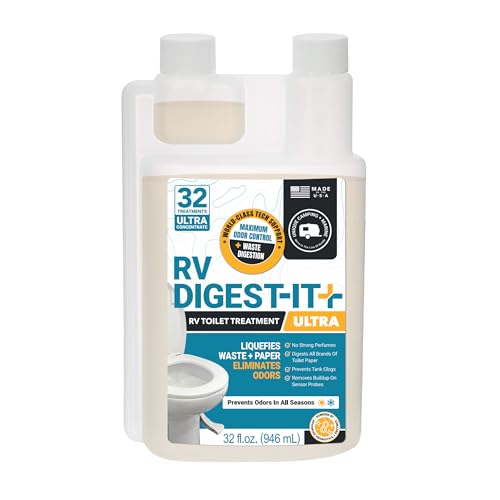
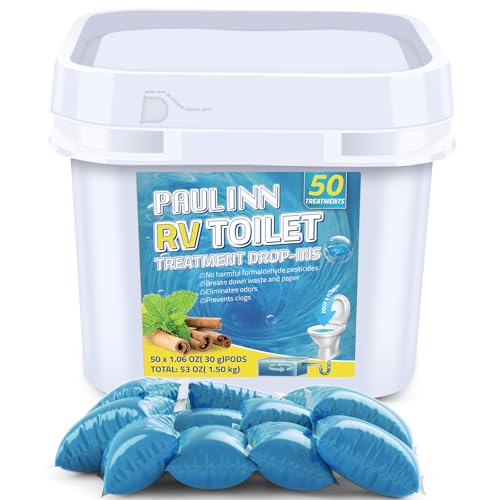
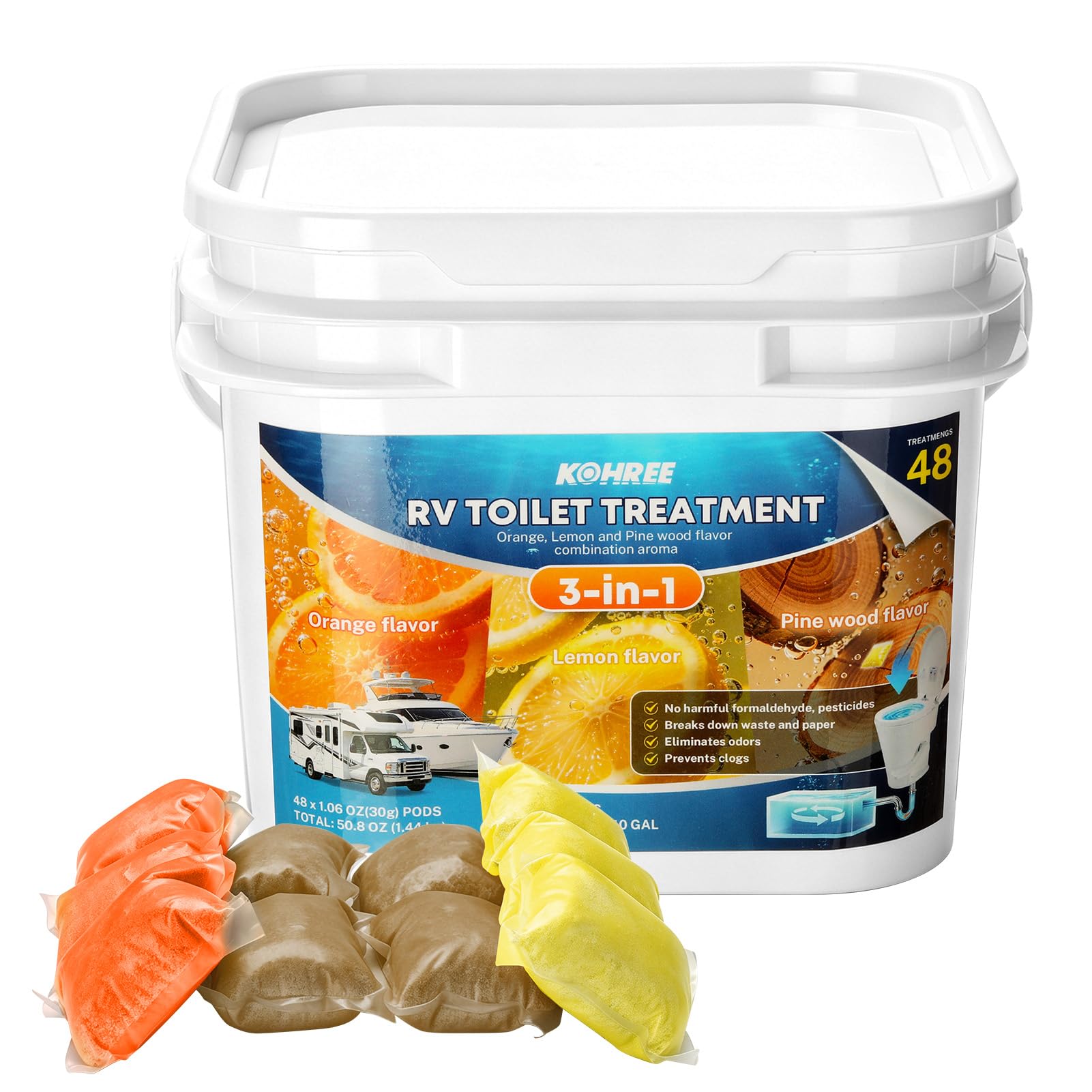
The comparison table below gives a quick side by side view of the main types to compare. Use it with the guidance in this article to match a product to your toilet type, your travel pattern, and local disposal rules. Always follow the label and your RV manual, since systems vary by model and age.





How RV Toilet Chemicals Work
Most RV toilet chemicals use enzymes, bacteria, or chemical agents to break down waste and paper and to control odor. Enzyme and bacteria products work more slowly and tend to be gentler on seals and sensors. Chemical deodorizers can act faster on smell, but some formulas may leave residue if used in very strong doses.
Odor control depends on more than the chemical alone, since ventilation, tank level, and temperature all affect smell. A roof vent that is blocked or a toilet seal that leaks can let odors into the living space even with a good product. Check seals and vents first if smell persists after a proper dose.
Dosing matters, because too little product may not control odor, while too much can waste money and may irritate sensors. Measure by tank size and follow the label for your product type. Add water to the tank after dosing so the chemical can reach waste and paper instead of sitting in one spot.
Choosing by Toilet and Tank Type
Cassette toilets and fixed black water tanks use different amounts of water and have different emptying routines. Cassette systems often need a smaller dose and more frequent emptying, while larger tanks can handle longer intervals between dumps. Read your manual for the recommended water level and chemical type before you buy in bulk.
Sensor care is a common concern, since residue can coat sensors and cause false readings. Products that promote breakdown and reduce buildup tend to keep sensors cleaner over time. Avoid pouring grease, wipes, or non RV paper into the tank, since those items cause more sensor problems than most chemicals.
Temperature also affects performance, because heat speeds breakdown and odor while cold slows both. In hot weather, you may need a slightly stronger dose or more frequent emptying. In cold weather, store chemicals where they will not freeze and crack, and check the label for storage limits.
Safety, Disposal, and Storage
Handle RV toilet chemicals with gloves, keep them away from eyes and mouth, and store them out of reach of children and pets. Never mix different chemical types unless the labels say it is safe, since mixing can create fumes or reduce effectiveness. Rinse spills promptly and wash hands after handling tank supplies.
Dispose of tank waste only at approved dump stations, and follow campground and local rules for chemical use. Some areas restrict certain formulas, especially near septic systems or sensitive waterways. If you are unsure, ask the campground host or check local guidance before you dump.
For seasonal storage, empty and rinse the tank, then leave valves in the position your manual recommends. Store leftover chemicals in a cool and dry place with caps tight. Discard expired or damaged containers safely, and do not pour old chemicals down household drains unless the label allows it.
Cost and Practical Buying Tips
Liquid, powder, and pod formats each have tradeoffs for storage and dosing. Liquids are easy to measure, powders store well and weigh less, and pods reduce measuring errors but may cost more per dose. Choose the format that fits your storage space and your routine at dump stations.
Cost per dose matters more than bottle price, since concentrated products may need only a small amount per tank. Compare doses per container and tank size before you judge value. A product that costs about $15 to $40 per container can be good value if it covers many dumps without extra odor products.
Start with a small container when trying a new formula, and try it on a short trip before a long journey. Note odor control, sensor readings, and ease of emptying after each use. That simple record helps you choose a reliable product for future trips without guessing.
Related Choices Worth Comparing
Portable and cassette systems share many chemical needs, so our guide to best chemical toilets can help you compare tank sizes and dosing habits.
If you also use a standalone unit at events or job sites, our guide to best chemicals for portable toilets explains smaller tank routines and frequent emptying.
Caravan toilets often use similar cassette designs, and our guide to best chemicals for caravan toilets covers travel friendly formats and storage tips.
Campers who rely on portable toilets in tents and vans can compare outdoor focused options in our guide to best chemical toilets for camping.
Making Tank Care Easier on the Road
Keep a small tank kit in one bin with gloves, your chosen chemical, a measuring cup, and a spare seal if your model uses one. A single kit prevents last minute searches at dump stations and helps you dose correctly even when you are tired after a long drive. Label the bin clearly, and store it where it will not leak onto other supplies during travel.
Track each dump in a simple notebook or phone note, including date, dose, odor level, and sensor readings. That record shows whether a product works well in hot weather or only in mild conditions. Over a season, the notes help you choose a reliable formula and avoid buying products that performed poorly on earlier trips.
Before a long trip, try a new chemical on a short outing with easy access to a dump station. A short trial reveals odor control, sensor effects, and ease of emptying without the pressure of a remote campground. If the product disappoints on a short trip, you can switch before a long journey makes the problem harder to fix.
Frequently Asked Questions
How much chemical should I add to an RV toilet tank?
Add the amount listed on the label for your tank size, and add water so the product can spread through the tank. A typical black water tank needs one measured dose per emptying cycle, not a double dose for extra smell. Too much product wastes money and can leave residue on sensors. If odor remains, check seals, vents, and tank level before adding more.
Are enzyme products better than chemical deodorizers?
Enzyme and bacteria products break down waste gradually and tend to be gentler on seals and sensors. Chemical deodorizers can control smell faster, which helps in hot weather or before a long drive. The best choice depends on your toilet type, dump frequency, and local disposal rules. Many travelers use an enzyme product for regular use and keep a stronger deodorizer for hot trips.
Can RV toilet chemicals harm tank sensors?
Residue, grease, and non RV paper cause more sensor problems than a correctly dosed chemical. Products that break down waste well and reduce buildup help keep sensors cleaner. Avoid wipes, thick paper, and food waste in the tank, and rinse the tank regularly. If readings stay wrong, clean the tank by the manual method for your model and check sensor wiring.
What should I do if odor persists after treatment?
First check the toilet seal, roof vent, and tank level, since leaks and blocked vents cause odor even with good chemicals. Make sure you added enough water and the correct dose for your tank size. Empty the tank sooner in hot weather, and rinse it well after dumping. If smell continues, try a different formula on a short trip and inspect seals for wear.
Can I use household cleaners in an RV toilet?
Household cleaners can damage seals, sensors, and tank materials, so use only products made for RV toilets unless your manual allows another option. Bleach and harsh solvents are especially risky for seals and for septic style systems. Use RV safe cleaners for the bowl and tank, and rinse well after cleaning. When in doubt, check your RV manual or ask a dealer before trying a new cleaner.
Final Thoughts
Choose a product that controls odor, breaks down waste and paper, and suits your tank size and travel pattern. The product table above can help you compare formats and doses side by side. Correct dosing, enough water, and regular emptying matter as much as the brand you pick.
With a reliable formula and careful handling, you can keep your RV bathroom fresh and your tank system in good shape for the best chemicals for rv toilets. Follow local disposal rules, store chemicals safely, and check seals and vents when problems appear.