
Best Chest Workout with Kettlebells: Moves, Plan and Form Guide for 2026
Disclosure: We may earn a commission when you buy through links on this page, at no extra cost to you. As an Amazon Associate I earn from qualifying purchases. Learn more
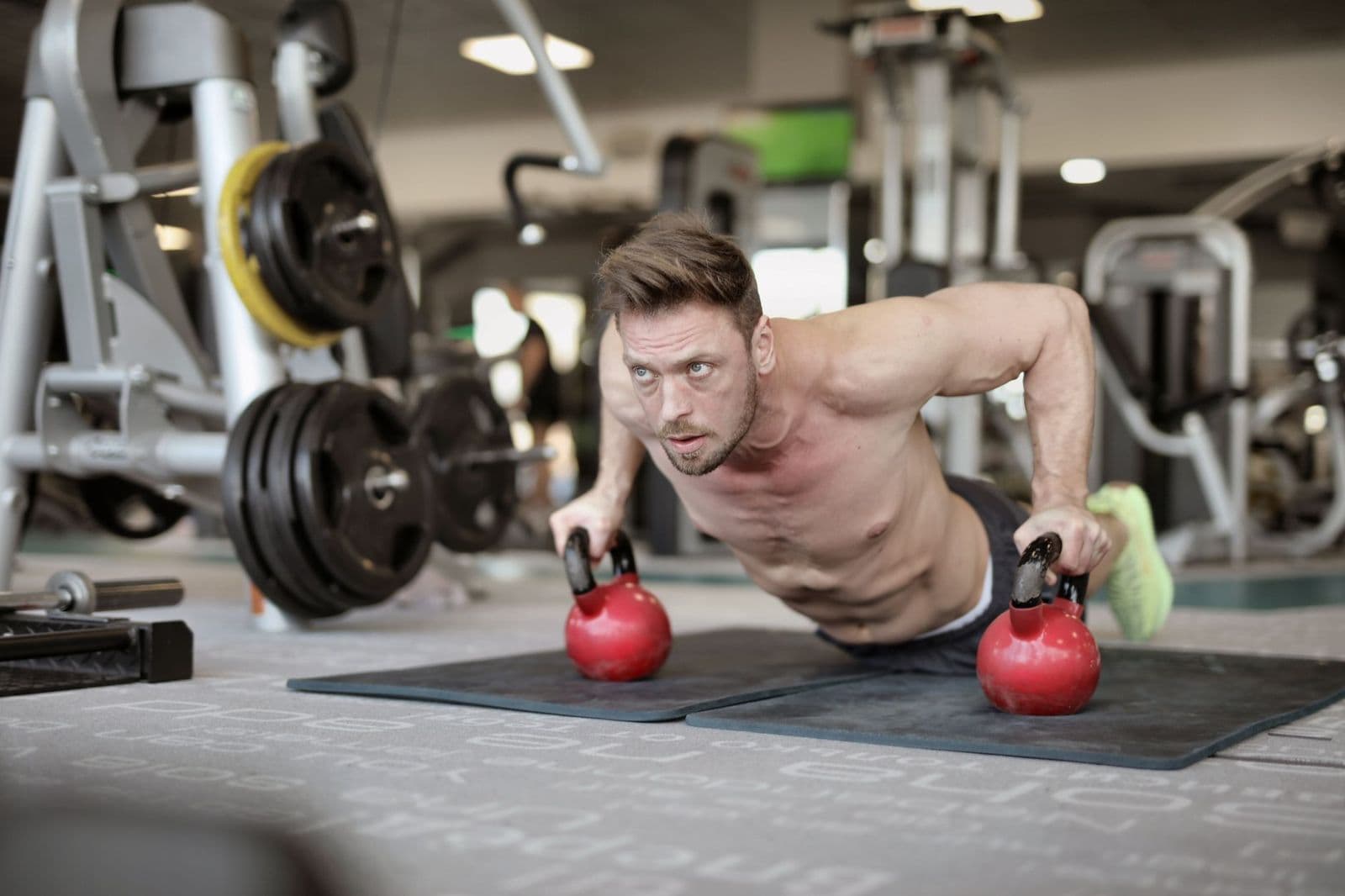
Moves, a weekly plan and form cues for the best chest workout with kettlebells, with no bench needed.
The best chest workout with kettlebells is one you can repeat with steady form, in the space you have, with a bell you can control. Kettlebells are not the obvious tool for chest training, but a floor press, a push up on bells and a few carries cover pressing strength well, and they fit in a corner of a small room. This guide gives you the moves, a simple weekly plan and the form cues that matter, so you can train without a bench or a gym.
Chest work with a kettlebell feels different from barbell or dumbbell pressing. The handle sits off center from the weight, which asks your wrist and shoulder to stay stable, and each arm works alone. That is useful for balance between sides, and it also means you should start lighter than you expect. Speak to a doctor before starting a new exercise routine, especially with a shoulder, wrist or heart concern.
The Core Moves for a Kettlebell Chest Session
Single Arm Floor Press
Lie on your back with knees bent and a bell in one hand, the handle upright and the wrist straight, with the bell resting on your forearm. Lower until your upper arm touches the floor, pause briefly, then press until the arm is straight. The floor stops your elbow from dropping too far, which many people find kinder on the shoulder than a bench. Keep the other hand on your stomach and your ribs down.
Double Floor Press
Once a single arm press feels smooth, use two bells of the same weight. Pressing both together loads the chest more evenly and teaches you to keep the bells level. Lower with control, keep your elbows about 45 degrees from your sides rather than flared wide, and stop a rep early if the bells start to drift.
Push Up With Hands on Bells
Place two bells on the floor, grip the handles and set up in a push up position with a straight line from head to heels. The handles let you lower deeper than a normal push up and keep wrists neutral. If this is too hard, start with your knees down or rest your hands on the bells while the bells sit on a stable raised surface. Move slowly, and keep your hips from sagging.
Bottoms Up Press
Holding the bell upside down with the base pointing up demands tight grip and shoulder control. Use a very light bell and press standing or kneeling. It is more of a stability drill than a heavy chest builder, so treat it as a finisher after your main sets.
Suitcase Carry and Rack Hold
Carries and holds do not press the chest directly, but they train the shoulders and trunk that support pressing. Walk a short distance with a bell in one hand, then switch. Keep your shoulders level and avoid leaning toward the bell.
A Simple Weekly Plan
Two chest sessions a week with at least one rest day between them suit most people. Start each with a few minutes of easy shoulder circles, arm swings and a set of light push ups. Then work through two or three of the moves above for two or three sets each, keeping the reps in a range where the last one still looks like the first.
- Beginner: single arm floor press and push ups from the knees, two sets each, with rest between sets.
- Intermediate: double floor press and bell push ups, three sets each, plus a carry to finish.
- Advanced: heavier double presses, slower lowering and a bottoms up finisher, while keeping one lighter session in the week.
Progress by changing one thing at a time: one extra rep, one extra set or a slower lowering phase. When a load feels smooth for all planned reps, you can move up a bell. For more on rep ranges, see the guide to the best chest workout sets and reps.
Choosing the Right Bell Weight
Pick a bell that lets you finish every planned rep with control. Many beginners find that a bell lighter than they would use for swings feels right for floor presses, since pressing uses smaller muscles than the hips and legs. Bells often come in steps of a few pounds, so an adjustable bell or a pair at two weights makes progress easier. If you only own one bell, use single arm presses and push ups, and add reps and pauses before looking for more weight.
Check the handle for rough seams and a comfortable thickness, because a handle that bites into your palm will limit pressing before your chest tires. A mat under your back protects both you and the floor, and it keeps the bell from skidding if you set it down fast.
Form Cues and Common Mistakes
- Letting the wrist bend back under the bell, which strains the joint; keep the wrist straight and stacked over the forearm.
- Flaring the elbows wide, which loads the front of the shoulder; keep them roughly 45 degrees from the torso.
- Rushing the lowering phase, which wastes the best part of the rep; take about two seconds down.
- Choosing a bell that is too heavy, which turns the press into a shoulder shrug and risks injury.
- Skipping rest between sessions, then wondering why presses feel stuck; give the chest and shoulders time to recover.
Stop a set if you feel sharp pain, numbness or a pinch in the shoulder, and ask a doctor or qualified trainer to look at your form if it keeps happening.
Keeping the Space Safe
You need about the length of your body and a bit more width for arms, with nothing the bell can hit if it rolls. Set bells down gently, especially in a flat or apartment. Keep children and pets out of the area while you train, and store bells on a flat surface rather than on a shelf above head height.
Frequently Asked Questions
Can kettlebells really build chest strength?
They can train the muscles that press, especially with floor presses and bell push ups, although very heavy loading is easier with a barbell or adjustable dumbbells. For general fitness and home training, kettlebell pressing works well when you add reps, sets and slower lowering over time.
Do I need a bench for a kettlebell chest workout?
No. The floor press and push up variations need only a mat. A bench allows a deeper stretch, but the floor is simpler and often easier on the shoulders.
How many sets and reps should a beginner do?
Two sets of a handful of controlled reps per move is a sensible start, then add a rep or a set when the work feels easy. Choose the number that leaves a little in reserve rather than training to failure.
How often should I train chest with kettlebells?
Two sessions a week with rest in between is enough for most people. If you also do push ups, bench work or other pressing, count that toward the weekly total.
Is a single kettlebell enough?
Yes. A single bell supports single arm presses, push ups and carries. A second bell lets you press with both arms together and balance the load, but it is not required to start.
Final Thoughts
Pick two or three moves, start lighter than you think, and add work slowly. A bell, a mat and a few square feet are enough for a steady plan, and the best chest workout with kettlebells is the one you keep doing week after week.
For more kettlebell routines, see the guides to the best kettlebells workout, the best ab workout with kettlebells and the best arm workout with kettlebells.


