Best Cassette Toilets: Tank Size, Seat Height and Seals (2026)
Disclosure: We may earn a commission when you buy through links on this page, at no extra cost to you. As an Amazon Associate I earn from qualifying purchases. Learn more

The best cassette toilets guide: tank size, seat height and sealing for vans, boats and campsites.
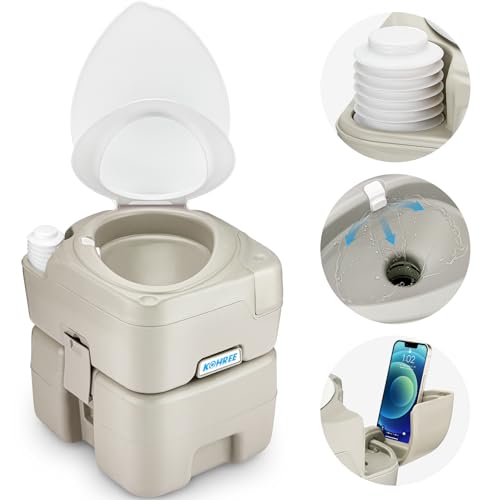
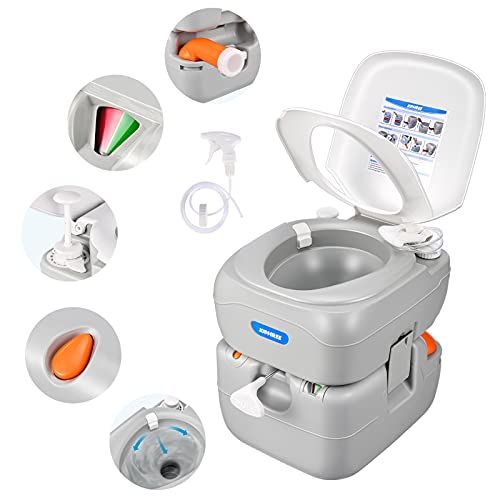
A portable toilet can make van life, boating and camping far more comfortable, but only if it fits your space, your habits and your tolerance for emptying it. Best cassette toilets come in a range of sizes and styles, and the right choice depends less on fancy extras than on tank size, seat height and how easy the unit is to carry and clean. The product table below shows current options, and the guide explains how to choose between them.
This guide covers the factors that matter most, the mistakes to avoid, and the spending levels to expect. Check your vehicle or cabin measurements against any model you consider.


Who Should Buy Which Cassette Toilet
Van and RV Travelers
Van and RV travelers usually want a unit that fits a fixed spot, such as a wet bath or a dedicated cabinet, and that can be emptied at a dump station without a struggle. A removable waste tank with wheels or a sturdy handle helps, since you may carry it some distance. Measure the opening, the door swing and any step height before you settle on a size.
Boat Owners
Boat owners need a toilet that stays put in rough water, resists moisture and fits a small head compartment. A secure mounting bracket or a non slip base is worth more than extra capacity on a small boat. Look for corrosion resistant fittings and a tight sealing valve, and check where you can empty the tank, since not every marina offers a pump out point.
Campers and Event Users
Campers and event users often carry the toilet in and out of a tent, a shelter or a trailer, so weight and portability come first. A lighter unit with a comfortable handle is easier to move, even if it holds less waste. If several people share the unit, a larger tank or a second cassette can save frequent trips to an emptying point.
Key Features to Compare
The features below cover what actually changes day to day use, from how often you empty the tank to how comfortable the seat feels. Focus on capacity, fit and sealing. Our guide to best ranked toilets can help you compare fixed toilets if you are deciding between a permanent and a portable setup.
Waste Tank Capacity
Waste tank capacity decides how often you empty the unit, and it is usually measured in gallons or liters. A small tank of about 2 to 3 gallons suits one or two people for a short weekend, while a tank of about 5 gallons can serve a small family for several days. Larger tanks mean fewer trips, but they are heavier when full, so balance capacity against your strength and the distance to an emptying point.
Fresh Water Tank and Flush System
Most cassette toilets carry a separate fresh water tank that feeds the flush. Manual pumps are simple and need no power, while electric flushes feel more like a home toilet but draw on a battery. A swivel bowl can help in tight spaces, since it lets you angle the seat. Look for a flush that covers the bowl well, because a weak flush leaves residue and extra cleaning work.
Seat Height and Comfort
Seat height affects comfort more than many buyers expect, especially for taller users or anyone with stiff knees. Standard seats sit lower than a home toilet, while comfort height seats sit closer to home height.
A wider seat can feel better on longer sits, but it also takes more floor space. If children will use the toilet, a lower seat or a step may help.
Size, Weight and Portability
Overall size decides whether the toilet fits your vehicle, boat or shelter, so measure length, width and height rather than trusting a product photo. Weight matters twice: when you carry the empty unit into place, and when you carry a full waste tank to empty it. Wheels, a pull handle and a balanced grip all help.
Seals, Valves and Odor Control
A good seal between the bowl and the waste tank is the single most important defense against odor and leaks. Look for a blade valve that slides shut firmly and a cap that locks on the waste tank. No vent replaces regular emptying and proper chemicals, so inspect seals before each trip and replace a cracked or flattened seal promptly.
Materials and Build Quality
Most cassette toilets use molded plastic for the body and tank, with metal or sturdy plastic fittings. Thicker plastic resists cracking and flexing, which matters when the unit is carried or bolted down.
Check that latches, hinges and handles feel solid rather than flimsy, since these parts get daily use. A smooth interior surface is easier to rinse clean.
Types of Cassette Toilets
The best cassette toilets fall into three types, compared below.
| Type | Best For | Trade Off |
|---|---|---|
| Compact | Tight vans and solo campers | Smaller tank, more frequent emptying |
| Standard | Most RV and boat use | Moderate weight when full |
| Comfort height | Users who want home like seating | Taller profile, needs more headroom |
Compact Models for Tight Spaces
Compact models suit small vans, solo travelers and anyone short on floor space. They weigh less and tuck into lockers or under benches, but their smaller tanks need emptying more often. They work best when a dump point is close by.
Everyday Standard Models
Standard models strike the most useful balance for most buyers, with a tank large enough for a few days and a footprint that fits many RV bathrooms. They usually offer a reasonable seat height and a choice of manual or electric flush. Compare exact dimensions, since two standard models can still differ by several inches.
Comfort Height Models
Comfort height models raise the seat closer to home height, which helps taller users and anyone who finds low seats hard to use. The trade off is a taller unit that may not fit under a low bench or in a small head compartment. Measure headroom above the seat as well as floor space before choosing this style.
Cassette Toilets for Specific Needs
Best RV Cassette Toilets
RV use has its own demands: the toilet may be fixed in place, emptied at dump stations and used daily for weeks at a time. Look for a secure mounting option, a tank that detaches without tools, and a level indicator you can read at a glance. A spare cassette can extend the time between dump station visits.
Spending Level Guidance
Prices vary with capacity, flush type and build quality. Use the bands below as a planning aid, not as a ranking of quality.
Lower Cost Options
Lower cost options, often about $80 to $150, usually offer manual flushing, a smaller tank and a basic seat. They suit occasional campers and short trips where a dump point is nearby. A well made basic unit can still serve reliably if you maintain its seals and empty it on time.
Mid Cost Options
Mid cost options, often about $150 to $300, usually add a larger tank, a better flush, a level indicator or a more comfortable seat. They suit regular RV and boat users who want fewer compromises without paying for premium extras.
Higher Cost Options
Higher cost options, often about $300 to $500, may offer electric flushing, a swivel bowl, a larger comfort height seat or heavier duty fittings. They suit full time travelers and anyone who uses the toilet daily. Pay extra only if you will actually use the added features.
Common Mistakes to Avoid
- Buying before measuring the space, then finding the toilet blocks a door or a drawer.
- Choosing the largest tank without considering how heavy it will be when full.
- Using household toilet paper that does not break down quickly, which can clog the valve.
- Skipping the seal check, which leads to odor and leaks on the road or on the water.
- Forgetting to check where you can legally empty the tank near your destination.
- Assuming any toilet chemical works, when the wrong type can damage seals.
Keeping a small kit with the right paper, chemicals and a rinse bottle makes the routine easier. Our guide to best toilet paper explains which papers break down fastest.
How to Make Your Cassette Toilet Last Longer
- Rinse the waste tank after each emptying, so residue does not harden on the walls.
- Use only chemicals made for portable toilets, and follow the dose on the label.
- Inspect the blade valve and seals each month, and replace worn parts early.
- Store the unit dry with the valve closed when it will sit unused for weeks.
- Keep the fresh water tank clean, and empty it before freezing weather.
- Do not force latches or handles, since cracked fittings are a common failure point.
Regular cleaning keeps the seat and bowl pleasant to use. Our guide to best toilet brushes covers brushes that reach into tight bowls, and our guide to best for cleaning toilets offers general cleaning advice that you can adapt with portable safe products.
Frequently Asked Questions
How Much Waste Capacity Does a Cassette Toilet Need?
A good starting point is about 2 gallons per person for a long weekend, with more if several adults share the unit. A couple on a week long trip will usually want a tank of about 5 gallons, or a spare cassette for backup. Remember that a full tank is heavy, so plan who will carry it and how far.
How Do You Empty a Cassette Toilet?
You detach the waste tank, carry it to an approved dump point, remove the cap and pour it out through the spout, then rinse the tank. Most tanks have a vent button that prevents splashing, so press it while pouring and keep the spout pointed down. Always follow local plumbing and disposal rules, and never empty waste onto open ground or into storm drains.
Can a Cassette Toilet Use Regular Toilet Paper?
Regular toilet paper can work, but paper made to break down quickly is safer for valves and seals. Thick, quilted papers dissolve slowly and can clump, which makes emptying harder and may block the blade valve. Carrying a small supply of rapid dissolving paper avoids most problems on longer trips.
How Often Should Cassette Toilet Seals Be Checked?
Check seals at the start of each trip and about once a month during heavy use, looking for cracks, flattening or stiffness. A seal that no longer springs back should be replaced before the next trip. Lubricate seals only with products recommended by the maker, and keep a spare seal in your kit if you travel far from suppliers.
Does a Cassette Toilet Need a Water or Power Hookup?
No, a cassette toilet does not need a hookup, since it carries its own fresh water tank and waste tank. Manual flush models need no power at all, while electric flush models need a battery or a 12 volt supply. You still need fresh water for refills and an approved point for emptying.
Final Thoughts
Choose by fit first, then by capacity, then by flush type. A toilet that fits your space, holds enough waste for your trips and empties without a struggle will serve you far better than a larger or fancier unit. If you are unsure about installation or disposal rules, check local plumbing and disposal rules or ask a qualified installer before you buy. The best cassette toilets are the ones that match your vehicle, your travel style and your maintenance routine, so compare the product table above against your own measurements before ordering.