Best Chemical Toilets: Everything to Know Before Your First Purchase for 2026
Disclosure: We may earn a commission when you buy through links on this page, at no extra cost to you. As an Amazon Associate I earn from qualifying purchases. Learn more

Shopping for the best chemical toilets for the first time? Learn the terms, compare tank sizes and flush types, and avoid common rookie mistakes.
A chemical toilet is a self contained toilet that needs no plumbing, no sewer connection, and no water line. It stores waste in a sealed tank, uses a small dose of treatment chemical to break waste down and control odor, and flushes with water from its own small tank. If you have never bought one, the terms can feel confusing at first, but the choice gets much clearer once you know what the parts do. This guide walks you through best chemical toilets in plain language, from the basics to setup and first use.
Start with how and where you will use the toilet, then compare tank sizes, flush types, and seat height. The comparison table below gives you a quick side by side view, and the sections after it explain what each number means for daily use.

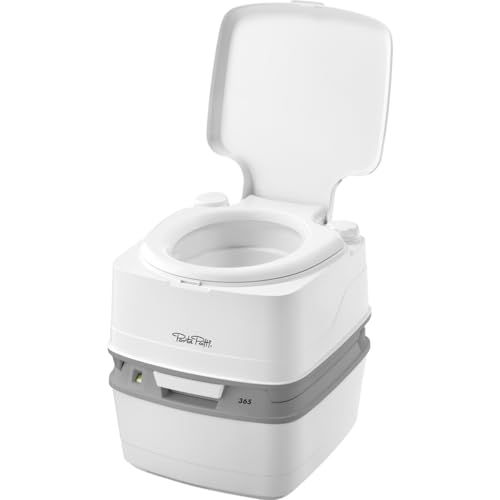
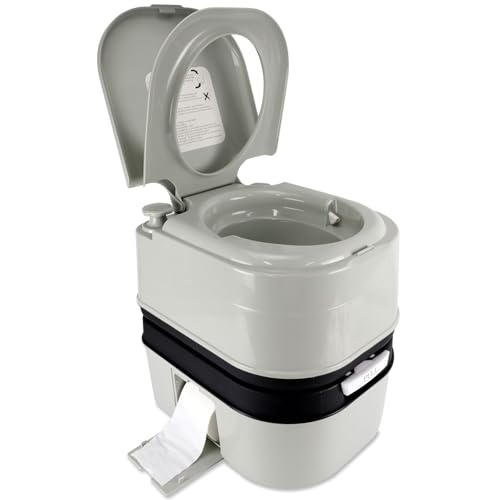
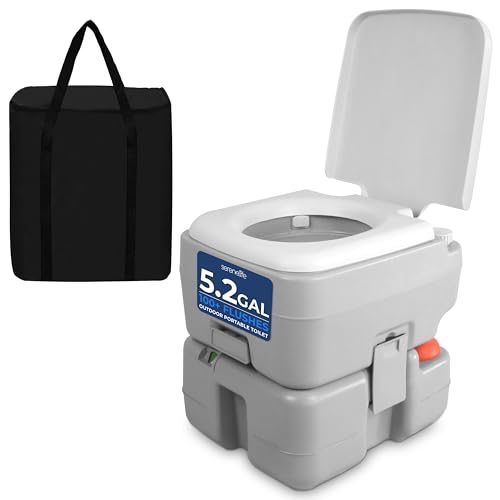
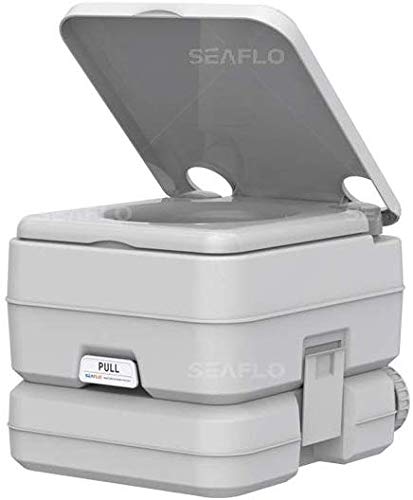

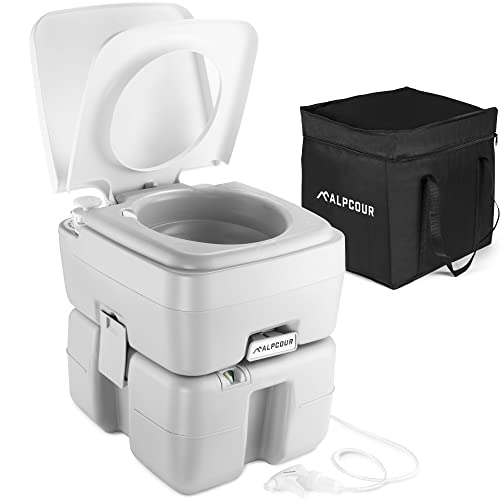
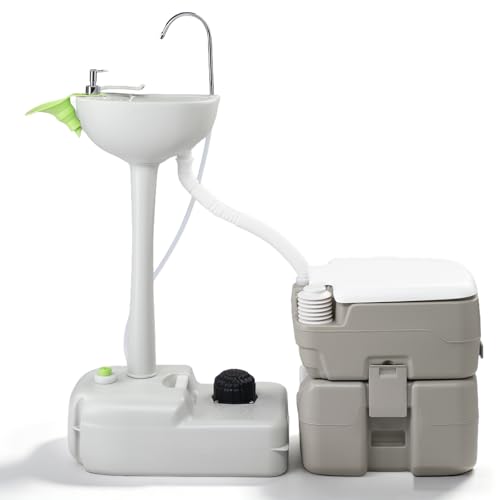
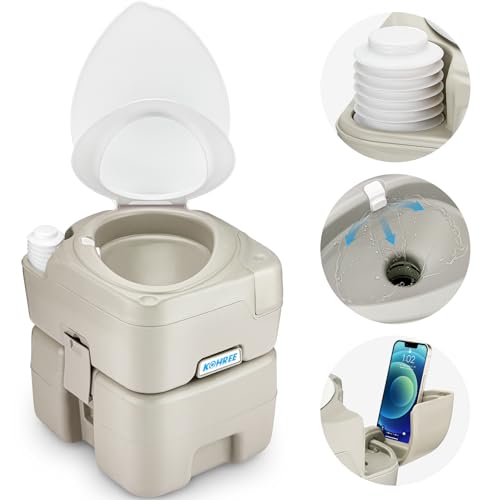

Chemical Toilets 101: The Basics for New Buyers
Most portable chemical toilets have two main parts that latch together. The top part holds the seat, the bowl, and a fresh water tank that supplies each flush. The bottom part is a sealed waste holding tank that collects everything until you empty it. A sliding valve blade between the bowl and the tank stays closed between uses, and that seal is a big reason a good unit controls odor so well.
You add water and a measured dose of treatment chemical to the waste tank before first use. After each use, you open the valve, pump or press the flush to rinse the bowl, then close the valve again. The chemical starts breaking down solids and paper right away and keeps smells contained inside the tank. People use these toilets in camper vans, boats, cabins without plumbing, work sites, and tents. If tent use is your main plan, see our guide to the best chemical toilets for camping for advice shaped around campsites and carrying water.
One thing new buyers often miss is that the toilet and the chemicals are two separate choices. A good toilet can still smell bad if the treatment dose is too weak for the tank. It helps to read about the best chemicals for rv toilets once you know your tank size and trip length.
Key Specs Explained in Plain English
Spec sheets list gallons, inches, and pump types without much context. The six factors below are the ones that change how the toilet feels, how often you empty it, and how easy it is to live with.
Tank Capacity and How Often You Will Empty
Capacity is listed as two numbers, one for fresh water and one for waste. Fresh water tanks often hold about 2 to 3 gallons, while waste tanks commonly range from about 2.5 gallons to about 5.5 gallons. A larger waste tank means fewer trips to empty it, which matters on long weekends or when several people share one toilet. The trade off is weight, because a full 5 gallon waste tank weighs over 40 pounds and can be awkward to carry. For a solo camper, a smaller tank that you empty often is usually easier to handle than a large tank you dread lifting.
Flush Systems: Bellows, Piston, and Battery Pumps
The flush rinses the bowl with fresh water, and the pump type changes both effort and rinse strength. A bellows pump sits on top of the tank and you push it down by hand, which is simple and needs no power, though the rinse can feel gentle. A piston pump usually gives a stronger and more directed rinse with each stroke, so the bowl clears in fewer pumps. Battery powered pumps flush at the push of a button and suit users who find hand pumping hard, but they need charged batteries and cost more to replace if the pump fails.
Seat Height, Size, and Weight
Seat height shapes comfort more than many first time buyers expect. Compact travel models may sit around 12 to 13 inches high, which is fine for kids and short stops but can feel low for tall adults or anyone with sore knees. Taller models around 16 to 17 inches feel closer to a home toilet and are easier to stand up from. Also check the footprint, because the toilet has to fit your van floor, boat cabin, or tent corner with room to sit down. Finally, note the empty weight, since you will carry the unit to the dump point with a full tank.
Material and Construction Quality
Most chemical toilets are molded from sturdy plastic, and the details matter more than the material name. Look for smooth bowl surfaces that rinse clean without rough seams where residue can cling. The latches joining the two sections should feel firm, because loose latches let the sections shift when you carry the unit. Check the stated weight limit for the seat, and pick a model rated well above the heaviest user so the plastic does not flex in normal use.
Seals, Valves, and Odor Control
Odor control depends on three things working together: the valve blade seal, the treatment chemical, and how you use the toilet. The blade should open and close smoothly and sit flush when closed, because a worn or gritty seal lets smells escape into your living space. The cap on the waste tank also needs a tight seal for carrying. Treatment choice matters here as well, and caravan owners in particular often try a few options, so our guide to the best chemicals for caravan toilets is a useful companion once you know how warm your storage space gets. Warm tanks need treatment that keeps working in heat.
Emptying and Cleaning Design
Sooner or later you will carry the waste tank to a dump station, a campground restroom, or a home toilet, so judge the design before you buy. A rotating pour spout lets you aim the stream and empty with less splashing. A wide tank opening makes rinsing the inside far easier. Some models add a level indicator showing when the tank is nearly full, which saves you from guessing. A vent button on some tanks lets air in during pouring so the flow stays smooth instead of glugging.
Rookie Mistakes to Avoid
Most early problems with a chemical toilet come from a few simple mistakes rather than a bad product. Watch for these before your first trip.
- Buying the biggest tank without thinking about weight, because a full large tank can be too heavy to carry safely to the dump point.
- Skipping the treatment chemical or guessing the dose, because weak treatment lets odor build fast and makes emptying far less pleasant.
- Choosing a very low seat to save space, because tall adults and anyone with knee pain may find it hard to sit down and stand up.
- Using harsh bleach based cleaners inside the tank, because strong chemicals can damage seals and can react badly with toilet treatment products.
- Waiting until the waste tank is completely full, because an overfull tank is heavier, messier to pour, and more likely to leak at the cap.
Getting Started: Setup and First Use
Set the toilet up at home first, on a flat surface, so your first real use is not in the dark at a campsite. Separate the two sections by releasing the latches, then add clean water and the label dose of treatment chemical to the waste tank through its opening. Rejoin the sections, fill the fresh water tank, and pump the flush a few times until water flows into the bowl and the system feels primed. Sit on it once at home to confirm the height suits everyone who will use it.
Always follow the safety directions on your treatment chemical label. Wear gloves when you dose chemicals or empty the tank, work where air flows freely, and wash your hands well afterward. Keep chemicals locked away from children and pets, and never mix different treatment products in the same tank. If a chemical splashes into your eyes or onto skin and irritation continues, rinse with clean water and seek medical advice right away. Empty waste only at an approved dump point or into a normal toilet, never into a storm drain, a ditch, or open ground.
Choosing the right treatment is part of setup, not an afterthought. Drop in packets suit people who want simple dosing, while liquids let you adjust the dose for heat or longer trips. For dosing details on portable units, see our guide to the best chemicals for portable toilets before your first trip. A quick home trial with clean water only teaches you the pour angle and latch feel with zero mess involved.
Chemical Toilets: Your Questions Answered
How often should you empty a chemical toilet waste tank?
You should empty a chemical toilet waste tank every two to four days in warm weather, or sooner if the level indicator shows it near full. Heat speeds up odor and gas buildup inside a sealed tank, so a tank that seems fine on a cool weekend can smell strong by day three of a hot trip. Emptying a little early also keeps the carry weight lower.
How do you keep a chemical toilet smelling fresh for longer?
You keep a chemical toilet smelling fresh by dosing the treatment correctly, keeping the valve blade clean, and rinsing the bowl with each flush. One habit that helps a lot is adding a small splash of fresh water to the bowl before solid use, since waste slides away instead of sticking to dry plastic. Store the toilet out of direct sun when you can, because a hot tank works the treatment harder. If odor returns within a day of a fresh dose, the blade seal may need cleaning or replacement.
Are chemical toilets safe to use inside a van or tent?
Chemical toilets are safe to use inside a van or tent when the tank is sealed, the treatment is dosed as directed, and you keep some air flow in the space. The sealed waste tank holds odors in far better than an open bucket, which is why these toilets are popular in small campers. Crack a window or vent while the toilet is in use and while you add chemicals. Families should store spare chemical bottles outside the sleeping area, in a latched box that children cannot open.
Can you put regular toilet paper in a chemical toilet?
You can put small amounts of regular toilet paper in a chemical toilet, but thin paper made for portable and marine toilets breaks down much faster. Thick quilted paper can clump, slow the breakdown process, and wrap around the pour spout area so emptying takes longer. If you use home paper, use less of it per flush and give the treatment time to work. Many owners keep a small lined bin beside the toilet for paper on short trips, which keeps the tank contents mostly liquid and easier to pour.
How long does a chemical toilet stay usable between trips?
A chemical toilet can sit ready between trips for a few weeks if you store it clean, empty, and with the valve blade left slightly open. Storing it with the blade open stops the seal from sticking to its seat and helps the seal keep its shape. Leave the waste tank cap loose during storage so trapped moisture can dry out and stale smells do not build up. Before the next trip, rinse both tanks with clean water, check the blade movement, and add fresh treatment as normal.
Final Thoughts
For a first purchase, focus on three things: a tank size you can carry when full, a seat height that suits the main users, and an emptying design with a pour spout you trust. Flush type and extras come after those basics. Use the product table above to compare sizes and heights side by side, then match the toilet to your space, your trip length, and your dump point access. Chosen with those points in mind, best chemical toilets give you a clean, private, and simple setup almost anywhere, with no plumbing required.