
Best Chemical Toilets for Camping: Types Compared and How to Choose for 2026
Disclosure: We may earn a commission when you buy through links on this page, at no extra cost to you. As an Amazon Associate I earn from qualifying purchases. Learn more

Compare the best chemical toilets for camping by type, tank size, flush style, and typical price to match trip length, group size, and comfort needs.
Choosing a toilet for camp can feel confusing because every model looks similar in photos, yet the tanks, flush systems, and chemicals work in quite different ways. This guide compares the main types side by side so you can match a style to your trip length, group size, and comfort needs. If you want the best chemical toilets for camping for your setup, start with how you will use and empty the toilet, not with looks alone. The comparison table below sums up capacity and price ranges to help you narrow the field fast.
A chemical toilet stores waste in a sealed holding tank where a treatment liquid breaks down solids and controls odor until you empty the tank at a proper disposal point.

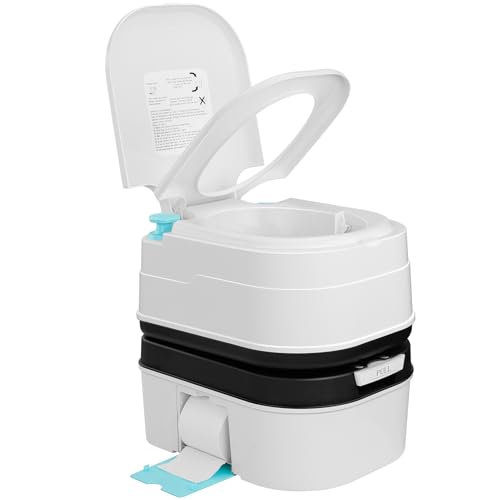

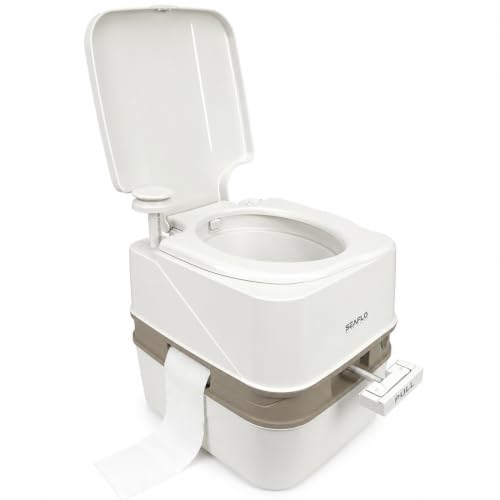

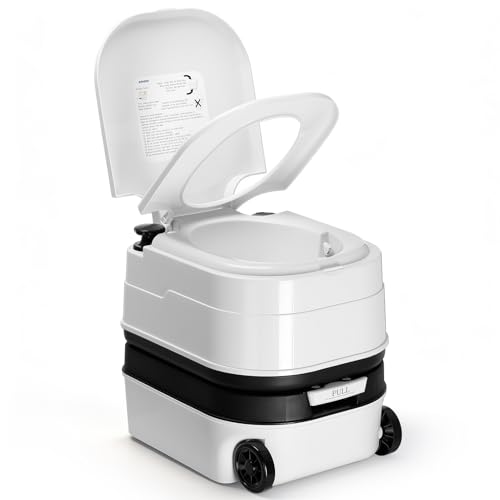


Types of Chemical Toilets Compared
Chemical toilets for camping fall into three broad styles, and the differences matter more than small feature lists. Premium flush models give you a larger tank, a taller seat, and smoother flushing. Everyday portable models trade some comfort for lower weight and a lower price. Eco friendly models use gentler treatment liquids that suit campers who dump at sites with septic systems. If your search is broader than chemicals alone, see our guide to the best camping toilet for dry and bag based options as well.
All three styles share the same basic layout. A fresh water tank on top supplies the flush, and a detachable waste tank locks underneath. You separate the two halves to carry the waste tank to a dump point, which is why handle shape and tank weight matter as much as the seat itself. Readers comparing home and road use models may also want to review the best chemical toilets before deciding.
Premium Flush Toilets With Larger Holding Tanks
Premium models usually hold about five gallons of waste and a similar amount of fresh water, so a couple can camp for several days before anyone needs to find a dump point. Many add a piston or electric pump flush, a level indicator, and a pour spout that makes emptying cleaner. The seat height is often close to a standard home toilet, which helps taller adults and anyone with stiff knees.
The trade off is bulk. A full waste tank of this size can weigh around forty pounds, and the unit takes real space in a vehicle or storage tent. Prices commonly sit around $200. Choose this style if you camp with family, stay in one place for long weekends, or set up a base camp where comfort matters more than packing light.
Everyday Portable Flush Toilets
Everyday models are the most common choice for tent campers and van travelers. Waste tanks often hold about two to three gallons, which suits one or two people for a short trip and keeps the carried weight manageable when the tank is full. The flush is usually a simple bellows or hand pump, and the whole unit packs into a corner of a trunk or under a bed platform.
You give up some seat height and stability, and you will empty the tank more often on longer trips. In return you pay less, often under $150, and you get a toilet that one person can move, rinse, and store without effort. For a wider look at compact travel options, see our guide to the best portable toilets for camping and compare sizes there.
Eco Friendly Chemical Toilets With Gentler Treatments
Eco friendly models are not a different shape of toilet. They are standard portable toilets paired with enzyme based or formaldehyde free treatment liquids that break down waste without harsh chemicals. Some campgrounds and rural sites prefer or require these treatments because their septic systems rely on bacteria that strong chemicals can harm. The toilet itself works the same way, with the same tanks and seals.
The gentler liquids can need a slightly larger dose in hot weather, and odor control may fade sooner, so you might empty the tank a day earlier than planned. Choose this style if you mostly dump into septic systems or if strong chemical smells bother your group.
Premium Toilets vs Everyday Toilets: Which Should You Choose?
Start with trip length. A larger premium tank wins for trips of four nights or more, while an everyday tank is plenty for weekends. Next, think about who will use it. Taller seats and wider bowls suit adults and older campers, while compact models fit children easily and store better in small vehicles.
Then weigh the emptying trip, because that is where the styles feel most different. A small tank is light even when full, while a large tank means fewer trips but a heavier carry each time. Cost is the final factor, and frequent campers often find premium comfort worth it while occasional campers do not. Look back at the product table above and match each style against these points in order.
How to Choose the Right Chemical Toilet
When you shop for the best chemical toilets for camping, work through the factors below in order.
Tank Capacity and Trip Length
Capacity drives almost every other decision, so estimate your use honestly. A rough guide is that each person adds close to half a gallon of waste and flush water per day. A two to three gallon tank serves a solo camper or a couple for a weekend, while a five gallon tank better suits a family or a longer stay. Picking a tank that is too small means an unpleasant mid trip emptying run, while oversizing adds weight you carry on every trip.
Flush Type and Sealing
The flush rinses the bowl and pushes waste into the tank, and the three common systems feel different in use. Bellows pumps are simple and cheap but give a weaker rinse. Piston pumps push a stronger, more even flow and tend to last longer. Battery powered pumps rinse at the push of a button, though you must keep spare batteries on hand. Just as important, a sliding valve seals the waste tank between uses, and a good seal keeps odors in the tank and out of your tent.
Seat Height and Stability
Seat height shapes comfort more than most buyers expect. Compact models can sit as low as twelve inches, which feels like squatting for taller adults and can strain knees when standing up. Taller models reach sixteen to eighteen inches, close to a home toilet, and feel far steadier at night. Check the base width as well, since a wide base resists tipping on uneven ground. If older campers will use the toilet, place it on a firm, flat surface inside a privacy tent.
Features That Matter for Camping
A short list of features earns its place outdoors. A tank level indicator prevents the guesswork that leads to overfilling. A rotating pour spout and a vent button make emptying smoother and reduce splashing. Removable seat and lid parts simplify deep cleaning at home. A strong latch keeps the unit together when you lift it by the handle. Decorative finishes matter far less, since flush water is easy to refill at camp while waste space is not.
Material and Construction
Most camping chemical toilets are molded from sturdy polyethylene plastic, which resists cracks, does not rust, and rinses clean with plain water. Look for smooth inner tank surfaces with few creases, because residue clings to rough corners and causes lingering smells. Seals around the valve and cap are usually rubber, and these small parts decide whether the tank leaks in your vehicle. A well made unit feels rigid when you sit on it, and the tank halves join with a firm click rather than a loose wobble.
Weight, Size, and Storage
Measure your storage space before you buy, not after. Record the height, width, and depth of the spot in your vehicle or camper cabinet, then compare those numbers with the listed size of the toilet. Leave a few inches above it so the lid opens fully. Empty weight runs from about nine pounds for compact models to around fourteen pounds for premium ones, and a full waste tank adds far more, so plan a carry route to the dump point that you can manage safely.
Setup and Care Tips
Setting up takes about ten minutes. Fill the fresh water tank, add clean water to the waste tank until the bottom is just covered, then pour in the dose of treatment liquid stated on the bottle for your tank size. Pump the flush a few times to check that the valve opens and closes smoothly. Place the toilet on level ground inside a privacy tent, away from cooking areas.
Choosing the right liquid matters as much as the dose. Products differ for sealed tanks, septic systems, and hot climates, so read the label before each season. RVers solve the same dosing questions, and you can see our guide to the best chemicals for RV toilets for background on how the main chemical types compare. Never mix two treatments in one tank, because some combinations weaken odor control or damage seals.
Empty the tank only at a campground dump station, a marina pump out point, or a home toilet connected to a sewer or septic system that your chemical label allows. Rinse the tank with clean water and empty the rinse water at the same approved point. For dosing charts and liquid choices made for small tanks, see our guide to the best chemicals for portable toilets before your next trip. Back home, wash the bowl and tank with mild soap, let every part dry fully with the valve open, and store the unit with the seals in place so they keep their shape.
Common Mistakes to Avoid
- Using household bleach or strong cleaners in the tank, because they can damage rubber seals and kill the bacteria that some treatments rely on.
- Skipping the treatment liquid to save money, because untreated waste builds odor fast and becomes far harder to rinse out later.
- Letting the waste tank sit full after a trip, because heat and time set stains and smells into the plastic that cleaning cannot fully remove.
- Placing the toilet on sloped or soft ground, because a tipping unit can spill waste and crack the tank at the seam.
- Flushing wipes, tissues not rated for portable toilets, or other solids into the tank, because they clog the pour spout and slow down emptying.
- Carrying the full waste tank by one loose handle over a long distance, because a dropped tank can burst open and create a serious cleanup problem.
Frequently Asked Questions
What features matter most in a chemical toilet for camping?
Airtight sealing matters most, followed closely by tank size matched to your trip. A valve that closes fully and a cap that screws down tight keep odors and liquid contained during travel over rough roads. After those two, look for a pour spout that swivels, since it gives you control at the dump station when the tank is heavy.
How often should you empty a chemical toilet for camping?
Empty the tank when the indicator shows full or after about three to five days of regular use, whichever comes first. In hot weather, empty sooner even if space remains, because warmth speeds up gas buildup inside a sealed tank and can push odors past the seals. A useful habit is to empty on the morning you leave camp rather than storing the toilet for the drive home with a full tank.
How much toilet chemical does a portable chemical toilet need?
Most liquids call for about two to four ounces per five gallons of tank capacity, but the label on your bottle is the final word. Add a small amount of clean water first so the chemical coats the tank bottom instead of pooling in one spot. In high heat, a modest extra splash mid trip can restore odor control without a full refill.
Are premium chemical toilets worth paying more for on camping trips?
They are worth it when you camp often, travel with a group, or need a taller seat for comfort at night. Frequent users recover the higher price through fewer emptying trips and parts that hold up over many seasons. If you camp once or twice a year as a couple, an everyday model usually covers your needs.
How do you keep a chemical toilet smelling fresh for longer?
Keep the valve closed between uses and open it only while flushing, since most odor escapes in those few open seconds. Rinsing the bowl with a full flush each time also helps, because dried residue on the bowl is a common hidden source of smell. Between trips, store the clean tank with the cap off so the inside dries fully.
Final Thoughts
The right choice comes down to three things: a tank sized to your trip length and group, a seal and flush you trust to stay odor free, and a size that fits your vehicle and your strength when the tank is full. Match those points to one of the three styles above, everyday, premium, or eco friendly, and the rest is simple upkeep. Before you order, glance once more at the product table above to confirm capacities and price ranges side by side. Chosen well, the best chemical toilets for camping turn a basic camp chore into a quiet, clean part of the trip that nobody has to think about twice.


