
Best Chemicals for Portable Toilets: Budget, Midrange, and Premium Picks for 2026
Disclosure: We may earn a commission when you buy through links on this page, at no extra cost to you. As an Amazon Associate I earn from qualifying purchases. Learn more

A buying guide to the best chemicals for portable toilets, covering product types, price tiers, dosing, odor control, and safe disposal at home and camp.
Portable toilet chemicals range from a few dollars for a basic bottle of blue liquid to premium enzyme treatments that cost several times more per dose. The price gap is real, but it does not always buy you better odor control. Choosing the best chemicals for portable toilets comes down to matching the formula type, dose size, and tank size to how you actually camp, boat, or travel.
This guide explains what each price tier delivers, which features are worth paying for, and which ones you can safely skip. Use the comparison table below to see current options side by side, then read on for the criteria that separate a smart buy from a smelly mistake.


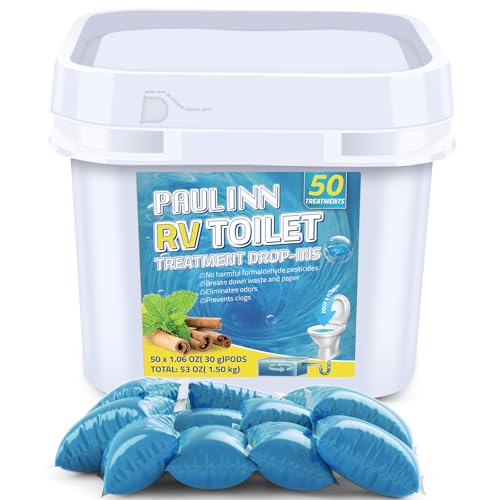


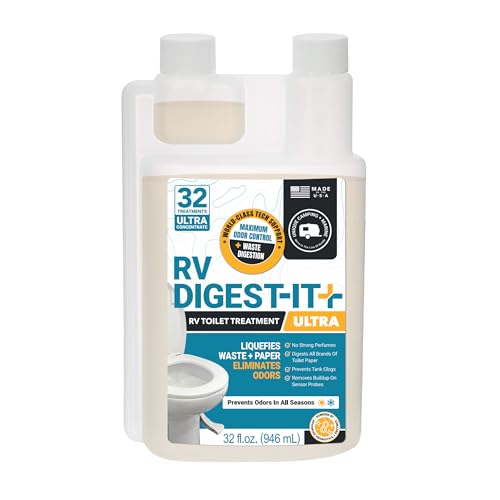

What Your Money Gets You at Each Price Tier
Knowing what a tier typically includes helps you spot an overpriced bottle and a genuine bargain. Prices below are rough guides for a treatment supply that covers about eight to sixteen tank charges.
Budget Tier: What to Expect
Budget products usually cost under $15 for a supply and focus on odor masking and blue or green dye. Expect a liquid you measure yourself, a strong fragrance, and little real digestion of solids. That is fine for a two night trip, but the fragrance can turn sharp in summer heat. If you camp in hot weather, budget formulas are the first to fail, so plan to empty the tank sooner rather than stretching a charge.
Midrange Tier: The Sweet Spot for Most Buyers
Midrange products run about $15 to $30 and add packet dosing, better breakdown of toilet paper, and fragrances that smell clean rather than chemical. Most include ingredients that lubricate dump valves and seals as a side benefit. This is the tier where performance per dollar peaks for typical family camping, festival use, and weekend boating. If you are unsure where to start, start here and adjust up or down after a few trips.
Premium Tier: When Spending More Pays Off
Premium products cost about $30 to $50 for a comparable supply and earn it through enzyme action, longer protection per charge, and formulas approved for sensitive septic systems. They also tend to avoid dyes that stain and fragrances that overwhelm a small cabin or tent vestibule. The extra money pays off on long trips, in hot climates, and in holding tanks that sit for days between uses. For a single overnight stop, the premium tier is more than you need.
Features Worth Paying For and Ones to Skip
Labels on toilet chemicals are full of claims. These are the features that change your experience at the dump station and the ones that mostly change the price.
Odor Control Strength
Odor control is the core job, and the strongest formulas neutralize smells instead of covering them with perfume. Look for language about breaking down waste and controlling gas buildup rather than just a named fragrance. In a small enclosed space such as a boat cabin or a van, a neutralizing formula matters far more than a pleasant scent. Strong fragrance layered over weak chemistry fools nobody by day three.
Waste Breakdown and Paper Digestion
Good breakdown turns a tank of chunks into a pourable liquid, which makes emptying faster and far less unpleasant. It also reduces the residue that clings to tank walls and level sensors. If you use regular household toilet paper instead of rapid dissolving paper, breakdown strength becomes even more important, because undissolved paper is the most common cause of clogs at the dump valve. Enzyme formulas lead here, followed by strong midrange liquids.
Dosing Format and Ease of Use
Format decides how much mess you deal with at setup time. Packets and pods are premeasured and tidy but cost more per dose and can fail to dissolve in cold water. Liquids are cheaper and dissolve instantly, yet they spill and stain hands and storage bins. Powder sits between the two. A practical know how point: add the chemical with about a liter of water already in the tank, because chemicals dropped into a dry tank sit in a lump and start working late.
Tank, Seal, and Sensor Compatibility
Some aggressive formulas can dry out rubber seals or confuse the level sensors in cassette toilets over time. If your toilet has a pour spout, a rotating valve, or an electric flush, choose a formula that states it is safe for seals and plastics. Campers building out a van often compare options alongside the toilet itself, so see our guide to the best portable toilets if you are still choosing the hardware.
Features That Matter for Portable Toilets
Portable toilets hold only a few gallons, far less than a home septic tank or an RV black tank, so concentration matters more than total volume claims on the label. A dose rated for a forty gallon RV tank is wasted on a five gallon cassette. Portable tanks also get carried to dump stations, so a formula that liquefies waste fully makes the carry cleaner and lighter feeling. If your setup is a self contained unit, our overview of the best chemical toilets explains how tank design changes chemical choice.
Long Term Costs to Factor In
The bottle price is only part of ownership. Figure in the cost per charge by dividing the price by the number of doses, then add rapid dissolving toilet paper, which costs a little more than household rolls but prevents clogs. Occasional deep cleaning with a tank rinse treatment keeps sensors honest and costs a few dollars a season. Campers who store a toilet over winter should also budget for a fresh bottle each spring, because opened chemicals lose strength over time. Boat owners comparing seasonal costs may also want our guide to the best portable toilets for boats, where holding tank rules differ by marina.
Frequently Asked Questions
What features matter most in chemicals for portable toilets?
Odor neutralization and waste breakdown matter most, followed by dosing convenience. A formula that liquefies solids and paper makes emptying cleaner and keeps valves working. Fragrance alone is the least important feature. Also check that the dose size matches your tank, because an oversized dose wastes money and an undersized one fails early on long trips.
Are premium portable toilet chemicals worth it?
They are worth it for trips longer than four or five days, hot weather, and septic safe dumping requirements. Enzyme formulas keep working between stops and leave less residue. For one or two night trips with frequent emptying, a midrange liquid or packet performs nearly as well, so the premium only pays when time and heat are working against you.
How do I keep a portable toilet tank fresh longer?
Start each charge with chemical plus about a liter of water, keep the lid closed between uses, and store the toilet out of direct sun. Heat is the biggest enemy of freshness. Empty the tank before it is completely full, rinse it at every dump, and never let a charged tank sit for weeks, because even good chemistry gives up eventually.
How much chemical should I use in a portable toilet tank?
Follow the dose printed on the label for your tank size, and resist the urge to double it. Most liquids call for about 2 to 4 ounces in a five gallon tank. Extra chemical does not add protection and can leave residue. If odor breaks through early, the usual cause is heat or an overdue dump, not a weak dose.
How often should I empty a portable toilet?
Empty it every three to five days in summer or when it reaches about three quarters full, whichever comes first. In cool weather a lightly used tank can go a week. Always wear gloves, rinse the tank at the dump point, and never mix leftover chemical with bleach or other cleaners, because mixing cleaning products can release harmful fumes.
Final Thoughts
Match the formula to your trip length first, your tank size second, and your budget third. Midrange packets suit most campers, enzyme treatments reward long trips, and basic liquids handle short outings cheaply. Campers planning tent based trips can pair this advice with our guide to the best portable toilets for camping. Whichever tier you choose, the best chemicals for portable toilets are the ones you dose correctly and dump on time, so check the product table above and stock up before your next trip.


