
Best Chest Waders with Boots: A First Time Buyer Guide for 2026
Disclosure: We may earn a commission when you buy through links on this page, at no extra cost to you. As an Amazon Associate I earn from qualifying purchases. Learn more

A beginner guide to the best chest waders with boots covering sizing, soles, waterproofing, fit and first use.
Buying your first pair of waders can feel like learning a new language. Stockingfoot, bootfoot, felt soles, breathable membranes, and sizing charts that do not match your shoe size all show up at once. This guide to the best chest waders with boots starts from the basics and builds up, so you can order once and get fishing instead of returning boxes.
Chest waders with attached boots are the simplest starting point because there is nothing extra to buy and nothing to forget at home. You will learn how they work, how they should fit, and which features matter for the water you plan to fish. Check the comparison table below for sizes and materials, then use the sections that follow to narrow your choice with confidence.

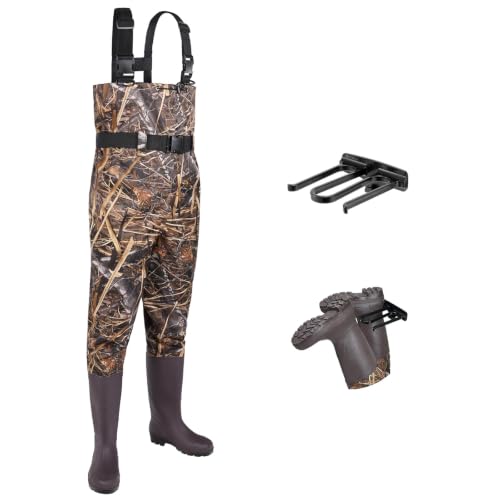
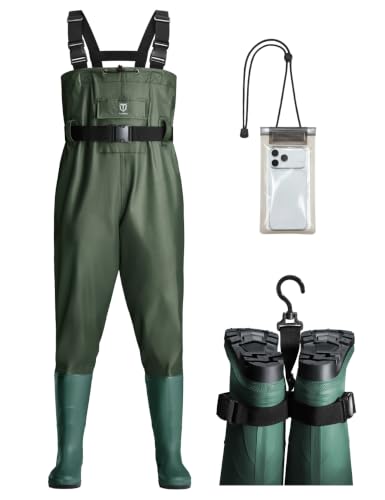
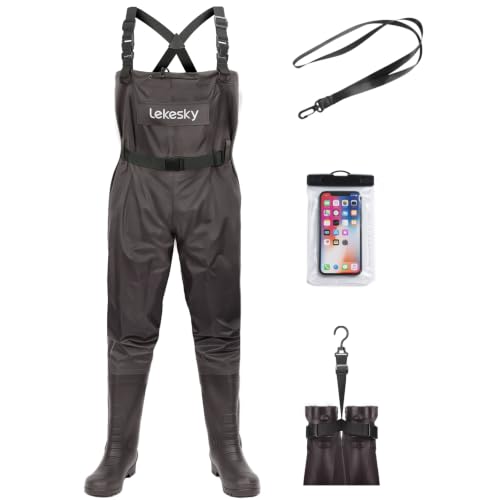

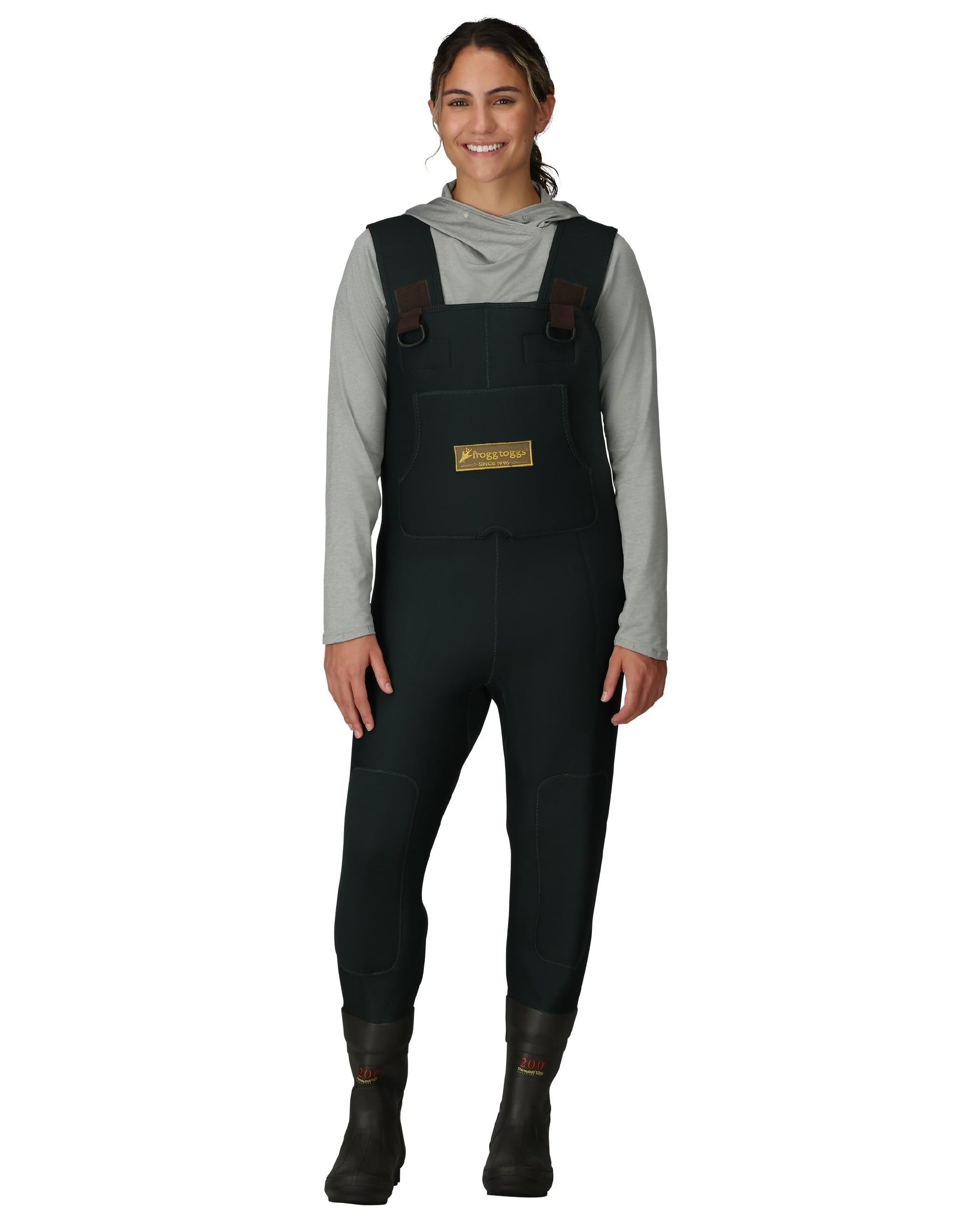

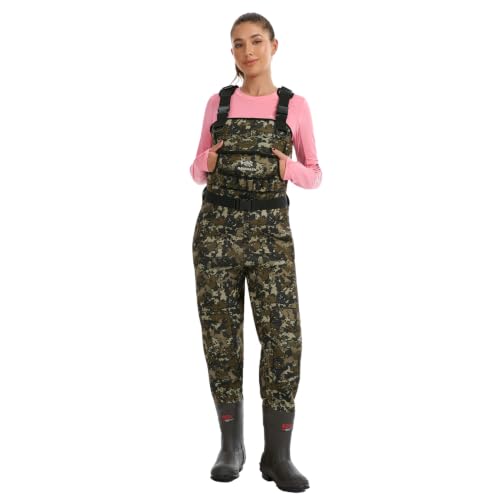
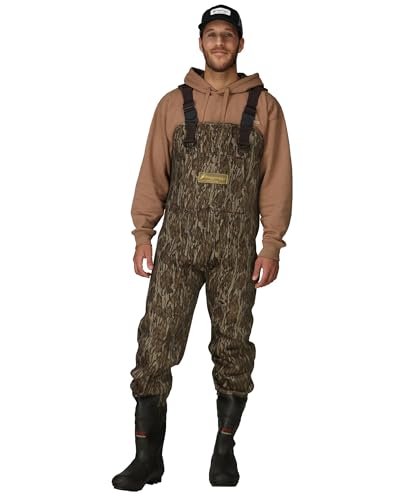
Chest Waders 101: The Basics
A chest wader is a waterproof garment that covers your legs and torso up to your chest, held up by adjustable suspenders. In a bootfoot design, the boots are permanently attached and sealed to the legs, so the whole system is one piece. You step in, pull the suspenders over your shoulders, fasten the belt, and walk into the water dry, as long as you stay below the chest line.
The belt is not a fashion detail. A snug wading belt slows water entry if you slip and helps the waders fit your body instead of ballooning in current. Most models add a chest pocket for small tackle or a phone in a waterproof case, plus a gravel guard area above the boot where grit would otherwise wear the material. Understanding these parts makes every sizing and material choice that follows much easier.
Key Specs Explained in Plain English
Why Choose a Chest Wader With Boots
Attached boots remove guesswork. You do not need separate wading boots, you do not worry about sand grinding between a sock and a boot, and the total cost is usually lower for a first setup. The trade off is fit precision. One boot shape must suit your foot, and when the boots wear out, the waders are usually done too. For beginners, occasional anglers, and anyone who values simplicity, that trade off is often worth it.
Fit, Sizing, and Toe Box
Wader sizing mixes your shoe size, inseam, and chest measurement, so read the chart for the exact model instead of ordering your normal size blindly. Measure your feet in the afternoon, when they are at their largest, and plan for thick socks. The toe box should let your toes spread and wiggle without your foot sliding forward on slopes. A little heel lift inside a bootfoot wader is common, but your toes should never jam the front when you kneel or climb a bank.
If you are comparing attached boots with separate setups, our guide to the best waders with boots covers the broader category and helps you judge whether an all in one design fits your fishing.
Waterproofing (Gore Tex and Membranes)
Waterproofing comes from either a coated fabric, a breathable membrane, or rubber and neoprene construction. Breathable membranes let sweat vapor escape while blocking liquid water, which keeps you more comfortable on warm days and long walks. Rubber and neoprene are fully waterproof and tough, but they trap heat. Premium laminates such as Gore Tex raise the price and improve comfort in warm weather. For cold water and short sessions, insulation matters more than breathability.
Arch Support and Foot Type
Attached wader boots offer modest arch support compared with separate wading boots, so your foot type matters. Flat feet often feel better with a supportive insole added inside the boot, while high arches usually tolerate the standard shape well. If you overpronate, meaning your ankles roll inward, a firmer insole and a snug ankle fit reduce fatigue on rocky bottoms. Spend a few minutes walking around the house in the boots before your trip to spot pressure points early.
Outsole Traction and Terrain
The sole decides how safe you feel on wet rock. Rubber soles with deep lugs grip mud, gravel, and boat ramps and are allowed almost everywhere. Felt soles grip slick rock beautifully but are restricted in some waters because they can carry invasive species between rivers, and they wear fast on trails. Studded options add bite on algae covered stone. Match the sole to your main terrain, and always probe your footing with a wading staff in fast or unfamiliar water.
Choosing Chest Waders for Your Situation
Best Fishing Chest Waders with Boots
Anglers shopping for best fishing chest waders with boots should prioritize sole traction for their river bottom, a chest pocket that fits their fly or lure box, and a fit that allows casting without the suspenders pulling. Breathable models suit summer trout streams and long walks between spots. Neoprene models suit cold spring creeks and duck season crossover use. Your fishing style, not the price tag, should pick the material.
For a dedicated look at angling focused models and features, see our guide to the best fishing waders with boots after you finish the basics here.
Rookie Mistakes to Avoid
- Ordering by shoe size alone and ignoring chest and inseam measurements, which leads to waders that fit the foot but bind when you bend or sit.
- Skipping the wading belt, even though a belt improves fit, comfort in current, and safety if you take an unexpected swim.
- Choosing felt soles without checking local rules, since some regions ban felt to protect waterways from invasive species.
- Wearing cotton clothing underneath, which stays cold and damp from sweat, instead of synthetic or wool layers that insulate when damp.
- Storing waders wet in a sealed bag after a trip, a fast route to mildew smells and damaged coatings.
Getting Started: Setup and First Use
When your waders arrive, inspect every seam and fill the legs with air or try them in shallow water before your first real trip. Try them on with the socks and layers you will actually fish in, and practice walking, kneeling, and climbing a step. Adjust the suspenders so the chest sits high without pulling on your shoulders, and set the belt snugly at your waist.
After each outing, rinse mud and grit off the boots and legs, then air dry the waders away from direct heat and strong sunlight, ideally inside out first and then right side out. Never use a hot dryer, because heat damages membranes and seam tape. Store them hanging or loosely rolled in a cool dry place. Small habits like these add seasons to a first pair and keep waterproofing working as designed.
Frequently Asked Questions
How long is the break in period?
Most bootfoot waders feel comfortable within one or two outings, because the boots and fabric are softer than separate leather style wading boots. Walk around your home and yard first to soften the ankle area and confirm the fit. If you feel a sharp rub point that does not ease after a short walk, exchange the size rather than hoping a full day on the river will fix it.
Can I wear them all day?
Yes, you can wear breathable chest waders all day when the fit is right and you layer sensibly underneath. Take short breaks to sit on the bank, loosen the suspenders, and let heat escape on warm days. In neoprene waders, plan more breaks because heat builds faster. Foot fatigue is the usual limit, so supportive socks and a lunch stop out of the water keep long days enjoyable.
Are expensive chest waders worth it?
They can be, if you fish often in warm weather or walk long distances to your spots. Higher prices buy lighter breathable fabrics, better seam construction, and more refined boot shapes. For a few trips a year in cool water, a modest pair performs perfectly well. Let your trip count decide. Frequent anglers feel the upgrade every hour, while occasional anglers rarely notice the difference enough to justify it.
Do I need waterproof shoes?
For wading, your waders are your waterproof system, so separate waterproof shoes are not required on the water. You do want ordinary shoes for the drive and the walk from the car park if your wader boots are felt soled or muddy. Around camp or on a boat, a simple water shoe can be handy. The key point is that dry feet in the river come from intact waders, good socks, and staying below the chest line.
How should chest waders fit?
Chest waders should fit with room to layer underneath, bend, and sit without the material pulling tight across your knees or chest. The top should reach high on your chest, the suspenders should stay on your shoulders without digging, and the boots should hold your feet without crushing your toes. A little extra room in the body is normal and desirable. Skin tight is wrong for waders, even if it looks neat in the mirror.
The Bottom Line
For a first pair, get the sizing right, choose the sole for your home water, and pick breathable fabric for warm weather or neoprene for cold water. Those three decisions matter more than any extra pocket or logo. Compare the options in the product table above with your measurements in hand. Chosen that way, the best chest waders with boots for you will keep you dry, steady, and focused on fishing from the very first trip.


