
Best Chemicals for Caravan Toilets in 2026: Which Type Is Right for You?
Disclosure: We may earn a commission when you buy through links on this page, at no extra cost to you. As an Amazon Associate I earn from qualifying purchases. Learn more

Compare fluid, sachet, and eco types to choose the best chemicals for caravan toilets for odor control, easy emptying, and your trip style today.
Blue fluid, green fluid, sachets, and rinse additives all promise a fresher cassette, yet they work in different ways and suit different trips. Picking the wrong one leaves you with odor, stubborn waste, or an emptying point you are not allowed to use. That confusion is exactly why comparing best chemicals for caravan toilets by type helps more than comparing bottle colors.
This guide explains each type plainly, shows where each one shines, and gives you dosing and care rules that prevent most problems. Start with the comparison table below, then read the type that matches your travel style.


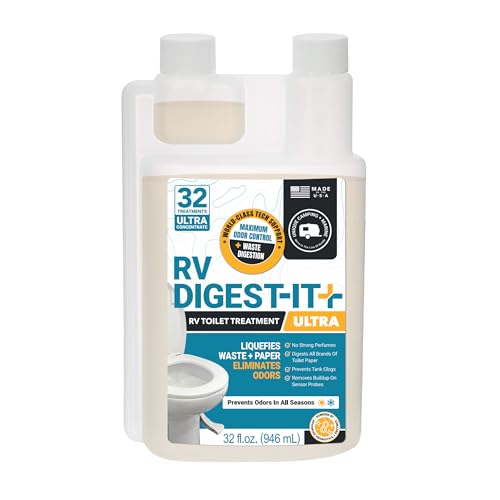


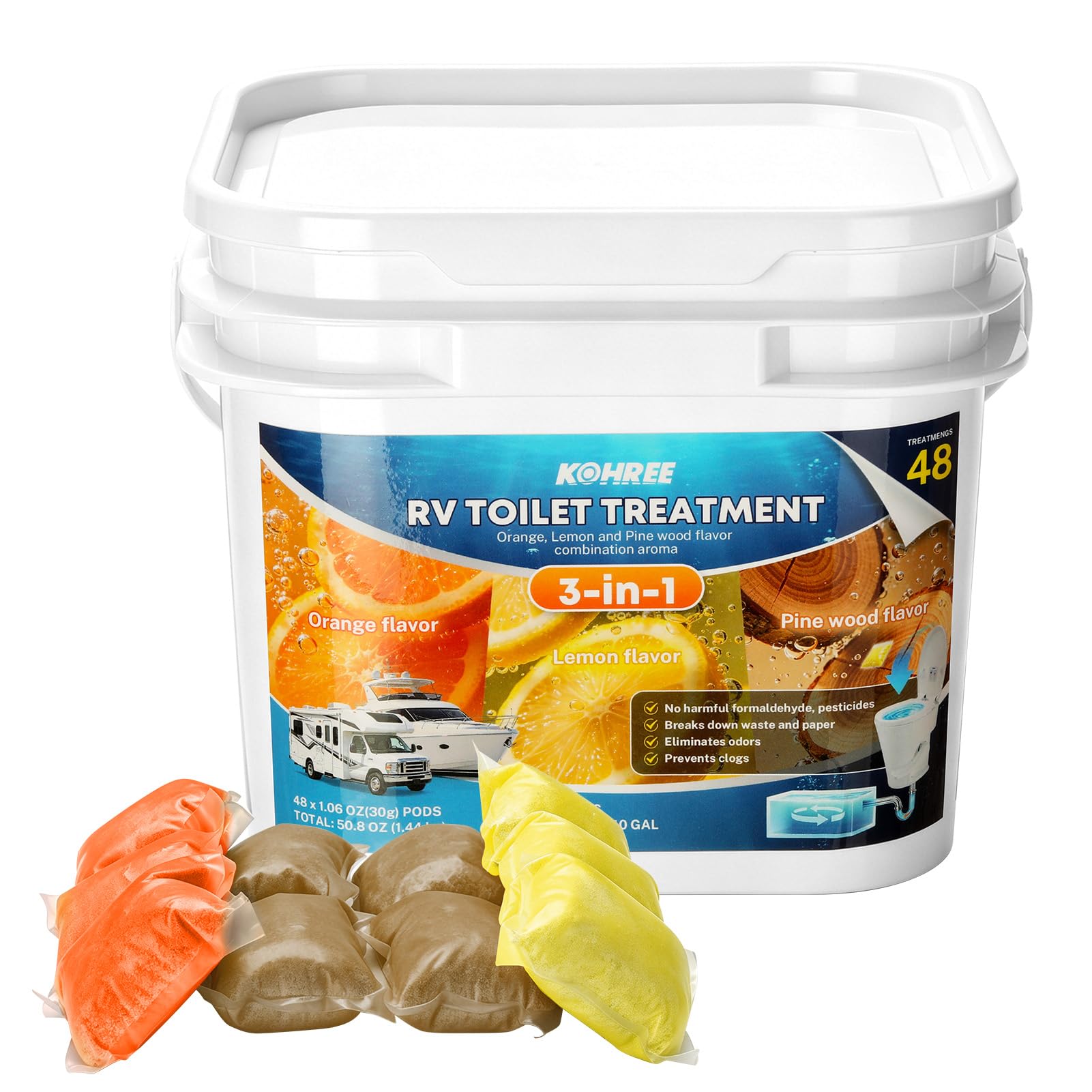
Types of Chemicals Compared
Every caravan toilet setup uses the same basic team. A waste tank treatment breaks down solids and controls odor in the cassette, while a rinse additive keeps the bowl clean and helps the flush run smoothly. Some products combine steps, and some travelers add a probe cleaner for deep cleans at home. The three buying groups below cover how most people actually shop, by storage space, by comfort, and by environmental care.
Space Saving Picks
Space saving options center on premeasured sachets, tablets, and concentrated fluids that store flat or in small bottles. Sachets drop straight into the cassette with a little water, so there is no measuring cap to rinse and no large bottle to leak in a locker. They suit small caravans, campervans, and weekend trips where storage is tight and speed matters. The trade off is cost per dose, which runs higher than bulk fluid, and less freedom to adjust the dose for very hot weather or longer stays between emptying points.
Premium and Luxury Picks
Premium options focus on stronger odor control, faster waste breakdown, and pleasant scents that last through a full cassette. Concentrated fluids in this group often need a smaller dose per tank, which offsets part of the higher bottle price. Some include extra lubricants that help seals and slide valves move smoothly. They suit longer tours, hot climates, and families who empty less often. The caution is scent strength. A fragrance you love on day one can feel heavy in a small washroom, so start with the lowest stated dose.
Eco Friendly Picks
Eco friendly options, usually sold as green fluids and sachets, avoid formaldehyde and rely on biological or milder chemical action to break down waste. Their key advantage is disposal. Many campsites with septic tanks or biological treatment systems require green products and ban blue fluids. Breakdown can be slower in cold weather, and odor control may need shorter emptying intervals, typically every two to three days. For travelers who tour rural sites and nature parks, this group is often not a preference but a requirement.
Space Saving Picks vs Premium Picks: Which Should You Choose?
Compare the two groups on five points. On storage, space saving sachets win clearly, since a small tub replaces two large bottles. On cost per trip, premium concentrates often win for long tours because each dose is small and effective for more days. On ease, sachets win for beginners because dosing is automatic, while fluids reward users who measure carefully. On odor control in heat, premium fluids usually hold longer. On disposal freedom, neither group guarantees septic approval, so check the label either way. Choose sachets for short trips and tight lockers, and premium fluid for long, hot, or family tours.
How to Choose the Right Chemical
Features That Matter for Caravan Toilets
Caravan cassettes are small, usually around 15 to 21 liters, and they sit close to your living space, so odor control and complete emptying matter more than in a large holding tank. Look for a stated dose per tank size, a working time of at least two to four days, and clear guidance for hot weather. A treatment that liquefies paper and solids fully will pour out cleanly and rinse faster. If you also use a separate toilet at home, note that caravan products differ from household cleaners and should never be mixed with bleach.
Style and Color Options
Color is a code, not a decoration. Blue usually signals a strong traditional waste treatment, green signals a septic friendly formula, and pink signals a bowl rinse additive for the flush tank or a spray bottle. Keeping that code straight prevents the classic mistake of pouring rinse fluid into the cassette as the main treatment. Scents range from pine to floral to low scent. In a compact washroom a mild scent ages better over a week than a strong one, and matching rinse and treatment scents avoids an odd mix.
Material and Construction
For chemicals, material quality means formula stability and packaging that survives travel. Bottles should have child resistant caps, clear dose markings, and seals that stay tight when stored on their side in a locker. Sachet film must dissolve fully in cool water without leaving shreds that clog the pour spout. Concentrates should pour thick and steady, not watery, so dosing stays accurate. Store all toilet chemicals upright where possible, away from food lockers, and wipe drips at once because some formulas can mark plastic surfaces.
Performance in Daily Use
Judge performance by three results after a normal two to three day fill. First, odor when you open the slide valve should stay low and brief. Second, contents should pour as a mostly liquid stream with paper broken down, not as lumps that need shaking. Third, the cassette should rinse clean with one or two fills of fresh water. If any result fails, adjust in order. Check your dose, check your emptying interval, and only then change brand or type, because most failures trace back to dose or timing, not the label.
Certifications and Site Rules
Labels and site rules decide where you may empty, which matters as much as performance. Look for clear statements about formaldehyde free formulas, septic tank suitability, and biodegradability claims backed by a named standard where given. Many sites publish their emptying rules online, and wardens will direct blue fluid users to a separate point or refuse emptying where only a septic system exists. Carrying a small supply of green treatment as a backup gives you freedom when a rural site requires it. Our guide to the best chemical toilets explains how cassette design affects these choices.
Care and Maintenance Tips
Dose for the days you expect, not the days you hope for, and add a little fresh water to cover the cassette base before first use. Empty every two to four days even if the cassette is not full, because treatment strength fades with time and heat. Rinse the cassette with clean water at each emptying, open the slide valve to air dry when stored, and lubricate seals with a silicone based care product a few times a year. Never mix different treatments in one tank, and never add bleach, which damages seals and stops biological products from working. Travelers comparing motorhome setups can also see our guide to the best chemicals for rv toilets for larger tank notes.
FAQs
What features matter most in chemicals for caravan toilets?
Odor control over several days, full breakdown of solids and paper, and disposal approval for your sites matter most. A clear dose per cassette size and a formula that rinses clean save time at the emptying point. Check whether the product is blue, green, or pink by role, not by scent. The right role in the right tank beats any premium claim, and a septic safe backup supply adds real touring freedom.
How often should I replace them?
Replace the treatment with every emptying, which should happen every two to four days in normal use. Add fresh rinse additive whenever you refill the flush tank. Sachets and fluids do not recharge themselves, so a cassette that smells on day three usually needs emptying, not a top up dose. At home between trips, rinse and dry the cassette fully, leave the valve open, and store chemicals cool and sealed so the next dose starts at full strength.
What dose is best for a standard cassette tank?
The best dose is the maker stated amount for your cassette size, commonly measured for a tank of about 15 to 21 liters. Use the bottle cap or one sachet exactly as directed, plus the stated amount of fresh water. In hot weather or for stays beyond three days, some makers allow a modest increase, and that guidance on the label is the limit. Overdosing wastes money and can harm septic systems, while underdosing is the most common cause of odor.
Are luxury options worth it?
Luxury options are worth it for long tours, hot weather, and less frequent emptying, where stronger odor control and smaller concentrate doses pay you back daily. For short weekend trips with easy emptying access, a standard fluid or sachets usually do the same job for less. The honest test is your interval. If you empty every two days without odor trouble, stay simple. If day three is a problem, stepping up a tier is money well spent.
How do I keep them fresh longer?
Empty on time, rinse well, and store the cassette dry with the valve open so no stale moisture lingers. Keep chemicals sealed, cool, and out of direct sun in the caravan, because heat weakens formulas in storage too. Clean the bowl with a compatible spray rather than household cleaners that can damage seals. A probe tank cleaner used at home a few times a season removes scale and residue that normal rinsing misses. Similar care rules apply to the setups in our guide to the best chemicals for portable toilets.
Final Thoughts
Match the type to your trip first, dose exactly second, and empty on time third. Those three habits decide almost all of your results. When you compare best chemicals for caravan toilets with that order in mind, the product table above makes the choice simple. Take one main treatment and a small green backup, and you will be ready for almost any site. For camping focused setups, see our guide to the best chemical toilets for camping as a final cross check.


