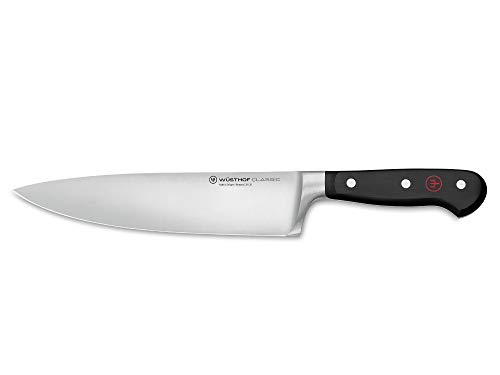
Best Chef Knife Under $300 (2026): Premium Steel Without Overspending
Disclosure: We may earn a commission when you buy through links on this page, at no extra cost to you. As an Amazon Associate I earn from qualifying purchases. Learn more
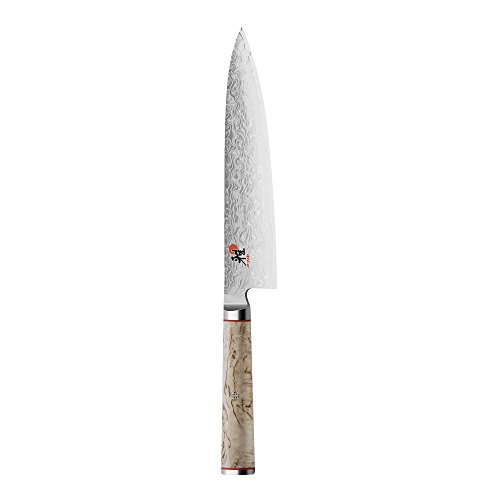
How to choose the best chef knife under 300: steel, finish and balance at this price.
Your old knife crushes tomatoes, slips on onion skin, and makes Sunday prep feel like a chore, yet your counters are small and three people share the kitchen. You do not need a huge set or a blade built for a restaurant line. You need the best chef knife under 300 dollars for your space, your household size, and the meals you actually cook.
This guide helps you choose by blade size, kitchen layout, and how often you cook, rather than by looks alone. Start with the comparison table below, then use the checklist to match a type to your board, your storage, and your budget.
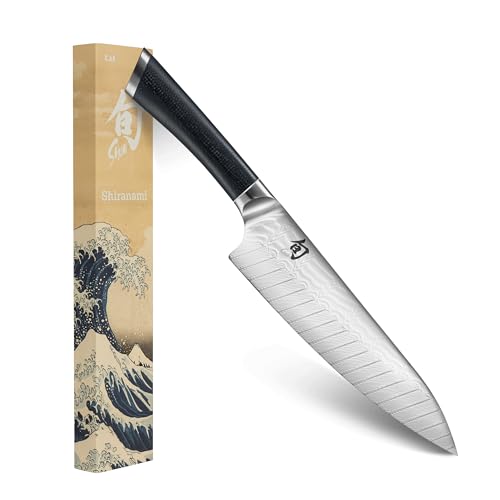
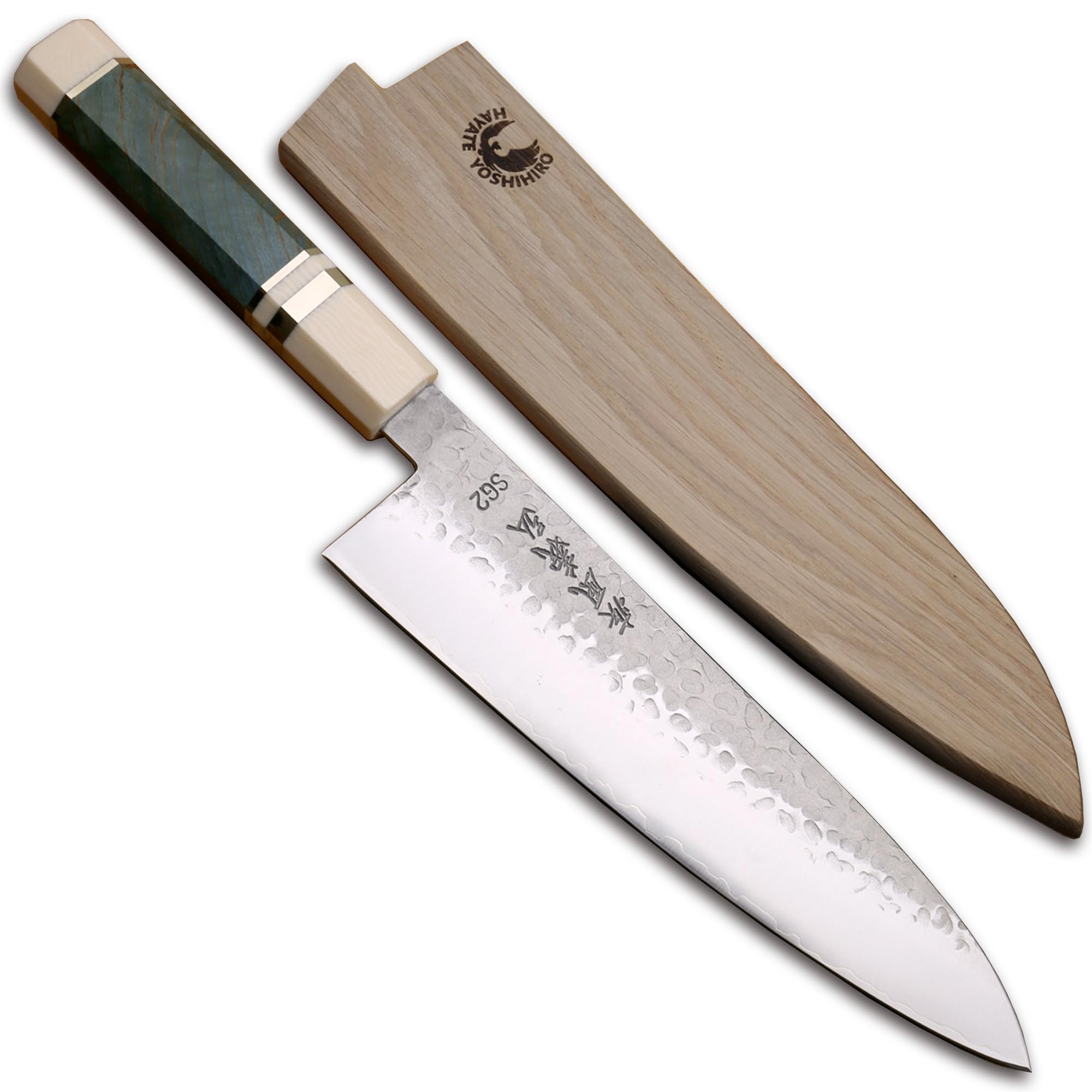


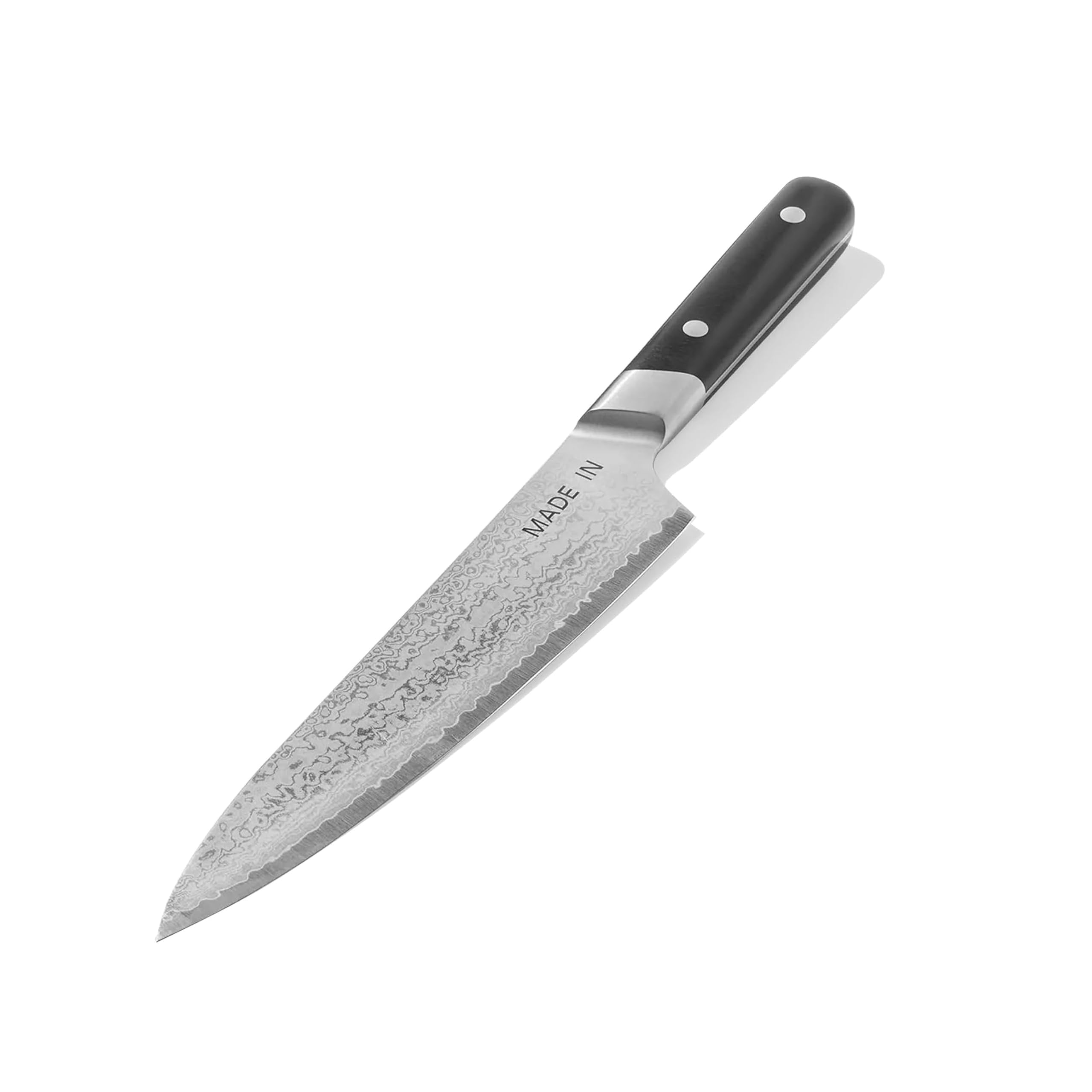
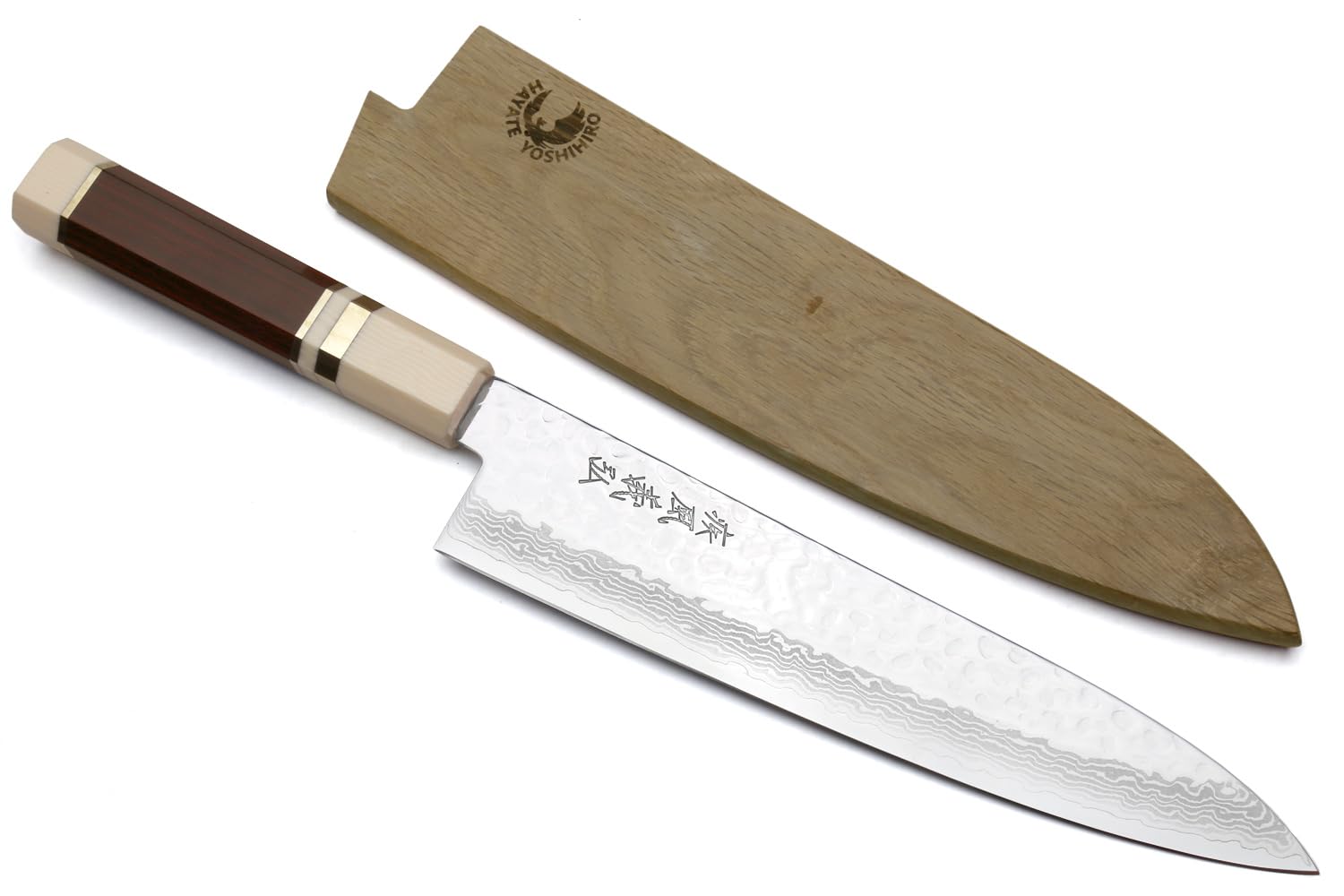

Quick Answer: Three Types That Cover Most Homes
Most homes are covered by one of three types. A balanced western knife around 8 inches suits mixed tasks and shared use. A lighter Japanese style knife rewards cooks who slice lots of vegetables and fish. A sturdy German style knife handles squash, whole chickens, and heavier board work. If you want broader background first, our guide to the best chef knife explains the general category before you narrow by price.
Before You Buy: A Quick Checklist for Choosing a Chef Knife
Work through size, type, steel, shape, and handle in that order. Size and fit matter daily, while steel only helps if the knife feels right in your hand.
Size: Match It to Your Space and Your Board
An 8 inch blade is the most versatile choice for a standard board and average counters. A 6 or 7 inch blade suits small kitchens, tight boards, and smaller hands, and it feels easier to control on fruit and herbs. A 9 or 10 inch blade gives longer strokes for cabbage and melons, but it needs a bigger board and more storage. Measure your board first, since a blade that overhangs it makes prep awkward.
Which Type Fits Your Routine
Japanese style knives are usually lighter and thinner, with a focus on clean slices for vegetables and boneless fish. German style knives are usually thicker and heavier, with more curve for a rocking motion. Damascus describes a layered look rather than a separate job, so judge it by weight and shape. Carbon steel takes a keen edge but needs prompt drying. Stainless steel resists rust with less fuss. Forged blades feel solid and dense, while stamped blades feel lighter and cost less. If a shorter and flatter blade tempts you, the comparison of chef knife vs santoku shows where each shape earns its place.
Features Worth Paying For and Ones to Skip
A fitted sheath is worth paying for if the knife will live in a drawer or share space with other tools, since it guards the edge and your fingers. A wood handle can feel warm and secure, but it needs drying after washing. Dimples along the blade can help sticky slices of potato or cucumber release more easily, though they do not fix a dull edge. Skip paying extra for decorative patterns, oversized block sets, or coatings you cannot maintain. Spend first on size, balance, and steel.
Steel Type and Hardness
Hardness is often shown as HRC on the Rockwell scale, and it shapes how the edge behaves. Blades around 56 to 58 HRC tend to be tougher and more forgiving if they meet bone by accident. Blades around 60 to 62 HRC tend to hold a fine edge longer, but they can chip if you twist them in a hard squash or pry with the tip. Carbon steel rewards careful cooks who dry the blade right away and accept some color change over time.
Blade Geometry: German vs Japanese Approaches
German style blades usually have a fuller curve from tip to heel, which supports rocking and keeps knuckles clear. Japanese style blades, including the gyuto shape, usually run flatter and thinner, which supports straight cuts and long slicing strokes. Thinner blades move through onions with less wedging, while thicker blades feel calmer in dense roots. Cooks who prize light weight and fine slices often start by reading about the best japanese chef knife styles before deciding.
Handle, Bolster and Balance
Hold matters as much as steel. A full bolster adds weight near your fingers, while a half bolster or no bolster lets you grip farther forward and use the whole edge for sharpening. The balance point near where blade meets handle should feel neutral, not pulling your wrist forward or back. Handles that swell in the palm suit larger hands, while slimmer handles suit a pinch grip. The guide on how to use a chef knife shows the hand position that makes balance easier to judge.
Realistic Budget Ranges
Under $30 usually buys a light stamped blade that dulls fast. Under $50 can buy a sound starter knife for occasional cooking. Under $100 is where forged options and better handles become common. Under $150 often brings better steel and smoother finish. Under $200 adds refinement in balance and edge holding. With a cap of under $300, you can expect strong steel, careful finish, and a handle built for daily use.
Three Types Worth Your Money Under This Budget
Instead of chasing a single winner, match one of these three types to your home.
A Balanced Western Type for Most Homes
This type pairs an 8 inch blade with moderate weight, a curved profile, and stainless steel that tolerates busy evenings. It rocks through herbs, slices onions without much wedging, and feels steady on carrots and cooked meats. It suits couples and families who share one main knife and cook varied meals most nights. The tradeoff is finesse, since it will not glide through ripe tomatoes like a thinner blade. For a shared household knife that needs little special care, this is the safest place to start.
A Lighter Japanese Style Type for Produce Heavy Cooking
This type uses a thinner blade, a flatter profile, and harder steel to keep a fine edge through large piles of vegetables. It rewards a straight cutting motion and a pinch grip, and it feels nimble during long prep for soups and salads. The tradeoff is care, since the harder edge dislikes twisting and hard rinds. Choose this type if precision and low fatigue matter more than sturdiness at the board.
A Sturdy Forged Type for Hearty and Batch Cooking
This type brings more weight, a thicker spine, and often a fuller bolster for cooks who break down whole chickens, portion squash, and prep large batches. The extra mass helps the blade travel through dense food with less push from your arm. It suits larger families and batch cooks who value calm control over speed. The tradeoff is fatigue during long fine work, such as mincing several cups of herbs. Choose this type if your meals lean hearty most weeks.
How We Compare Options at This Price
We compare options by steel and edge holding, balance and comfort, sharpness from the box, ease of upkeep, and value. We rely on maker specifications and patterns in verified buyer feedback about fit and daily use. A knife that looks strong on paper still has to fit your board, your grip, and your storage.
What You Get and Give Up Under $300
At this cap you get meaningful gains over budget knives: steel that stays sharp longer, smoother handles, and cleaner finish. You give up little that matters at home, mostly exotic materials and the extreme thinness of costly specialty blades. For most households, the best chef knife under 300 dollars is not the priciest option but the one sized for your counters. Readers cooking mainly simple family meals may also value our guide to the best chef knife for home cooks, which focuses on daily ease over pro features.
Compared with a cheap set, one good knife also frees counter space. You wash, store, and sharpen one blade, which keeps upkeep simple.
Common Buying Mistakes to Avoid
- Buying a 10 inch blade for a small board, which makes every cut feel crowded.
- Spending the whole budget on the knife and nothing on a board or storage, which dulls the new edge within weeks.
- Choosing a hard and thin blade for prying apart frozen food, which can chip the edge.
- Paying for a large set when one main knife does most of your prep, which adds clutter and spreads your budget too thin.
- Ignoring handle fit because the blade looked good in photos, which leads to hand fatigue at every meal.
Cost of Ownership and Care
Ownership costs stay modest if you plan for them. Budget for a honing rod, a simple sharpener or occasional pro sharpening, and a board that is kind to edges, such as wood or soft plastic. Store the knife on a magnetic strip, in a sheath, or in a tray slot rather than loose in a drawer. Keep it out of the dishwasher, where heat and banging damage edge and handle. When the edge feels tired, the steps in how to sharpen a chef knife explain your options before you pay for service.
Honing only realigns an edge and does not replace sharpening. A few light strokes before prep can keep cuts clean between full sharpening sessions.
Your Questions, Answered
How do you clean a chef knife?
Wash the blade by hand in warm soapy water right after use, with the edge facing away from your fingers. Rinse, then dry the blade and handle with a towel before you put it away, rather than leaving it to air dry. Never soak it in a sink full of dishes, where you can reach in and find the edge by accident. If food has dried on, lay the blade flat and wipe from spine toward edge with care.
Is a chef knife worth it for a home cook?
Yes, if you cook several times a week and currently fight with a dull blade. One capable knife replaces a drawer of single task tools for most prep, from trimming meat to dicing onions. It also makes prep faster, since you spend less time sawing and more time cooking. If you mostly reheat food or cook once a week, a modest knife and good sharpening habits may serve you just as well for far less money.
How long does a chef knife last?
A sound knife can serve a home for many years, often well past a decade, if the edge and handle stay intact. Its life shortens when the blade gets noticeably narrower after repeated sharpening, when deep chips reach into thicker steel, or when a handle loosens and cannot be secured. Watch for those signs rather than a set date. Until then, prompt repair of small chips will stretch its working life.
Can you get a good chef knife for under $300?
Yes, and most homes do not need to spend the full amount. A sensible split reserves part of the budget for a board, storage, and a honing rod, since those items protect the edge you paid for. Spending about two thirds on the knife itself often lands you where steel and finish improve clearly. Spending every dollar on the blade alone can leave you storing a fine edge loose in a drawer, which undoes the value quickly.
What should you check in a knife warranty and return policy?
Check whether the policy covers chips, tip damage, and handle defects, or only flaws present when the knife arrives. Note how long you have to return a knife that feels wrong in your hand, since fit problems show up within the first few prep sessions. Keep the box until you have used the knife on dense produce, soft produce, and raw protein. A clear return window matters more than a long warranty, because comfort is hard to judge from photos.
Final Thoughts
Start with your board size, your grip, and how often you cook, then pick the type that fits those facts. The product table above can help you compare size, steel, and weight once you know your type. For most shared kitchens, the best chef knife under 300 dollars is the balanced western type in an 8 inch size, stored well and kept sharp.