Best Chef Knife Under $100 (2026): Three Blade Types Compared
Disclosure: We may earn a commission when you buy through links on this page, at no extra cost to you. As an Amazon Associate I earn from qualifying purchases. Learn more

How to choose the best chef knife under 100: three blade types, what they do well and how to care for them.
Dinner is running late, the board is crowded, and your dull old knife is crushing tomatoes instead of slicing them. That moment is why most households go looking for the best chef knife under 100 dollars in the first place. At this price you can get a blade that feels balanced and holds an edge through weeks of weeknight cooking.
This guide helps you choose by your counter and board space, how many people you cook for, and how much upkeep you will realistically do. The comparison table below sums up the main types side by side. If your budget can stretch further one day, our guide to the best chef knife at every price shows what extra money buys.






Quick Answer: Three Blade Types in 30 Seconds
Under $100, your real choice is between three blade types rather than three brands. Most readers who cook for a household will land happily on the first type, also the focus of our guide to the best chef knife for home cooks.
- Forged German style: a sturdy blade with a curved belly for rocking through herbs and onions, forgiving of rough handling in busy family kitchens.
- Japanese gyuto style: a thinner, lighter blade with a flatter profile for push cutting vegetables and boneless proteins.
- Stamped value style: a light blade cut from a flat sheet of steel, costing the least and storing easily in small kitchens.
Before You Buy: A Quick Checklist for Choosing a Chef Knife
Work through the points below before you look at any single model. A knife that matches your space, your habits, and your sharpening plans will serve you better than a pricier blade chosen on looks alone.
Size: Match It to Your Space
Blade length drives everything else. A 6 inch blade feels nimble in a small kitchen and suits smaller hands, but it struggles with large cabbages and whole chickens. An 8 inch blade is the standard for a reason: it covers most family tasks, from onions to melons, without feeling clumsy. Blades of 9 or 10 inches give long strokes for big households, yet they need a larger board, deeper drawers or a magnetic strip, and more room to wash safely.
Which Type Fits Your Routine
Think about what fills your board most weeks. If you rock the blade through piles of herbs and onions, a Western profile with a curved belly fits that motion. If you mostly push cut vegetables and slice fish or chicken, a gyuto profile with a flatter edge feels more natural. Cooks who split time between Western and Asian dishes often ask about the chef knife vs santoku question. The chef knife shape covers more tasks in one tool, while the santoku favors vegetables.
Features Worth It and Ones to Skip
A few extras genuinely help at this price. A fitted sheath protects the edge in a crowded drawer and protects your fingers when you reach in. Granton dimples along the blade can help sticky slices of potato release instead of clinging. A handle with some texture stays secure when your hands are wet. Features you can skip include giant block sets bundled to inflate the piece count, decorative coatings that complicate washing, and elaborate gift packaging.
Steel Type and Hardness
Most knives under $100 use stainless steel, which resists rust, or high carbon stainless, which adds edge life while staying easy to care for. Pure carbon steel takes a very fine edge but stains and can rust if left wet, so it suits cooks who dry their knife right away. Hardness, measured in HRC, tells you the trade you are making. Blades around 56 to 58 HRC are tougher and easier to sharpen, while blades around 60 to 62 HRC hold an edge longer but chip more easily on bone.
Blade Geometry: German and Japanese Styles
German style blades are thicker behind the edge, with a pronounced curve and a full bolster that adds weight and security near your fingers. Japanese style blades are thinner, lighter, and ground to a narrower angle, so they glide through onions with less wedging, but they ask for a steadier hand and a softer board. Neither approach is better in the abstract; it depends on your food and habits. Readers drawn to the lighter style can compare shapes in our guide to the best japanese chef knife options at higher prices.
Handle, Bolster, and Balance
Imagine your usual grip. A pinch grip, with thumb and forefinger on the blade itself, favors a smooth bolster or no bolster at all. A full handle grip favors a shaped handle that fills the palm. Wood handles feel warm but need drying after washing, while molded synthetic handles shrug off water. Balance matters more than raw weight: a knife that balances near the bolster feels controlled, while one that pulls toward the handle or the tip will tire your wrist during long prep.
Realistic Budget Ranges
Under about $30, expect a stamped blade with basic steel that needs frequent honing, fine for a first apartment or a backup knife. Between about $30 and $50, you gain better handles, decent edge life, and sheaths in the box. Between about $50 and $100, the gains are real: forged construction, harder steel, and smoother balance. Spending past $100 mostly buys finer steel and prettier handles rather than a different cooking experience, so this range is a sensible stopping point.
Three Blade Styles Compared Under $100
Since models come and go, shop by style first. Here is how the three styles behave at home.
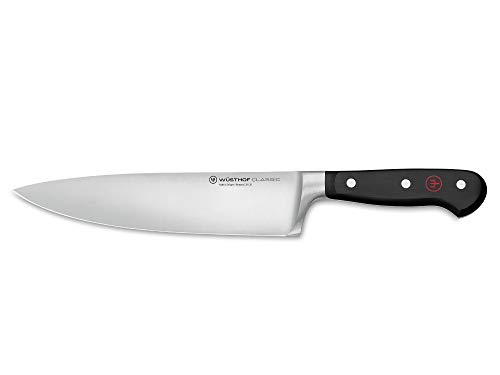
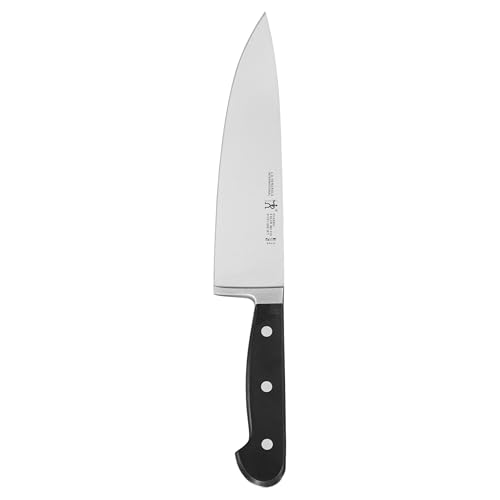
Forged German Style for Busy Family Kitchens
A forged blade starts as a single piece of steel shaped under pressure, giving it a solid feel and a bolster that steadies your grip. The curved edge rocks smoothly through garlic and herbs, and the thicker spine tolerates the odd squash or chicken joint. The trade is weight: after twenty minutes of prep, a heavier knife can tire a smaller hand. For households cooking daily, this is usually the most forgiving choice.
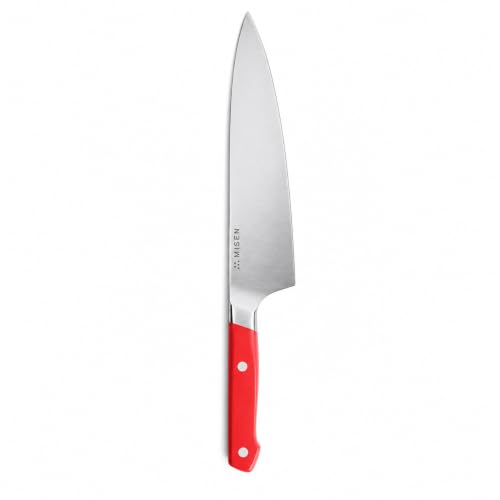
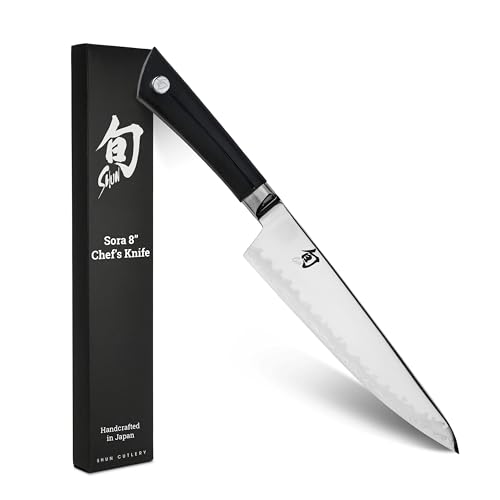
Japanese Gyuto Style for Light and Precise Cutting
A gyuto is the Japanese take on the all purpose chef knife, with a thinner blade, a flatter edge, and a lighter handle. It excels at push cutting vegetables, slicing boneless meat thinly, and fine work like trimming fat. The harder steel holds its edge through many meals, but it dislikes twisting motions and prying at lids. Homes that cook a lot of vegetables and seafood tend to love this style.
Stamped Value Style for Small Budgets and Small Spaces
A stamped blade is cut from a sheet of steel and then ground and hardened, which keeps cost and weight down. These knives feel light, store flat in a shallow drawer, and are easy to replace if a housemate mistreats one. The compromises are edge life and feel: the blade flexes a little on dense food and needs honing more often. For a dorm or a household that cooks a few times a week, the value style covers the basics.
Our Selection Process for Knives in This Price Range
The advice above rests on five criteria: steel and edge life, balance and comfort in the hand, sharpness out of the box, the upkeep a household must actually do, and value for the money. Those criteria come from manufacturer specifications, from patterns in verified buyer reviews about chipping, comfort, and rust, and from standard knife care guidance. Prices shift often, so treat every figure here as approximate.
What You Get and Give Up Under $100
At this budget, the best chef knife under 100 is a knife that handles nearly everything a home cook does: vegetables, boneless meat, herbs, fruit, and cheese, with an edge that survives weeks between sharpenings. You give up a few things found at higher prices, such as very hard specialty steels and hand finished edges, plus some margin for abuse. A knife in this range will chip if it hits bone at an angle, so technique matters, and a short refresher on how to use a chef knife protects both the edge and your fingers.
Common Buying Mistakes to Avoid
- Buying a blade too long for your board, which leaves the tip hanging over the edge and makes every cut feel unsafe.
- Ignoring the cost of upkeep, because a knife bought without a honing rod or any sharpening option goes dull and stays dull.
- Paying for a large block set when one good chef knife and your existing small knife would cover nearly every task for less.
- Choosing by handle looks alone, since a pretty handle that turns slippery when wet raises the risk of a slip.
- Putting the knife in the dishwasher, where heat and rattling against other items dull the edge and can crack handle scales.
Cost of Ownership and Care
The purchase price is only part of what a knife costs you. Budget a little for a honing rod, which realigns the edge between sharpenings, and for storage such as a sheath or a magnetic strip. Sharpening on a whetstone or through a local service a few times a year keeps the blade performing, and our guide on how to sharpen a chef knife walks through the options. Wash by hand, dry right away, and never leave the knife sitting in a sink of water, where the edge can rust.
Your Questions, Answered
What is the most reliable chef knife brand?
Reliability at this price has less to do with the name on the blade than with the steel, the heat treatment, and how the knife is treated at home. Long established makers tend to offer consistent hardness and honest specifications, but a mid priced knife from a smaller maker with the same steel can serve just as well. Check the stated hardness and favor sellers with easy returns.
How do you clean a chef knife?
Wash the blade by hand with a sponge, warm water, and a little dish soap, then rinse and dry it fully before storing it. Acidic foods like tomato and lemon can stain carbon steel if left sitting on the blade, so rinse promptly after cutting them. Never soak a chef knife in the sink, because a hidden blade is a hazard for anyone reaching into the water.
Is a chef knife worth it?
For anyone who cooks at home more than a couple of times a week, yes, because one versatile blade replaces a drawer of dull specialty tools and makes prep faster and safer, since a sharp knife goes where you aim it. If you mostly reheat food or open packages, a value style knife is enough.
How long does a chef knife last?
A sound knife under $100 can last many years, often a decade or more, because each sharpening removes only a tiny amount of steel. The usual reasons a knife dies early are accidents and neglect: a chipped tip from a drop, a cracked handle from dishwasher heat, or rust left to pit the edge. Stored dry and honed often, the blade will likely outlast the cutting board it works on.
Can you get a good chef knife for under $100?
Yes, and this price band is where the value curve flattens out for home cooking. Below it, steel and handles get noticeably more basic; above it, you pay mostly for refinement. A good knife in this range feels balanced, arrives sharp, and holds an edge through weeks of dinners. Spend the savings on a decent board, because a glass or stone board will destroy any edge.
What is the best chef knife under $100?
For most homes it is the forged German style in the 8 inch size, because it rocks well, forgives rough handling, and suits the widest range of hands and meals. Homes that cook mostly vegetables may be happier with the lighter gyuto style, and small kitchens on tight budgets do fine with the stamped value style.
Final Thoughts
A good knife changes daily cooking more than almost any other single tool, and you do not need to spend past $100 to feel that change. Match the size to your space, pick the style that fits your routine, and plan for honing and storage. Keep the best chef knife under 100 dollars sharp and dry, and it will reward you at every meal. Look back at the product table above to compare the three styles before you order.