
Best Chainsaws for Storm Cleanup in 2026: Types Compared and Buying Guide
Disclosure: We may earn a commission when you buy through links on this page, at no extra cost to you. As an Amazon Associate I earn from qualifying purchases. Learn more

Choose the best chainsaw for storm cleanup by matching bar length and power to the damage. Compare gas, battery and mini saws, and safety basics.
After a storm, the work is urgent, the wood is wet and tangled, and the ground is rarely level. Choosing the best chainsaw for storm cleanup means matching bar length, power type, and weight to the trees down on your property, not buying the biggest saw you can find. A saw that starts easily and stays comfortable during long sessions will clear a yard far faster than an oversized model.
This guide compares the main types on build materials and weather resistance, size and capacity, and how much assembly each one needs before the first cut. Use the product table below to see the types side by side. If you want a broader view first, see our guide to the best chainsaw for general yard work.

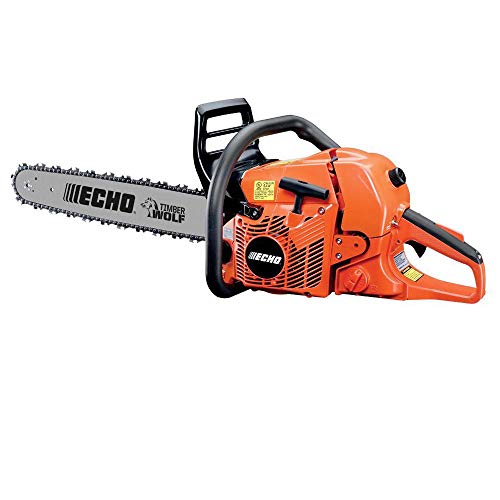
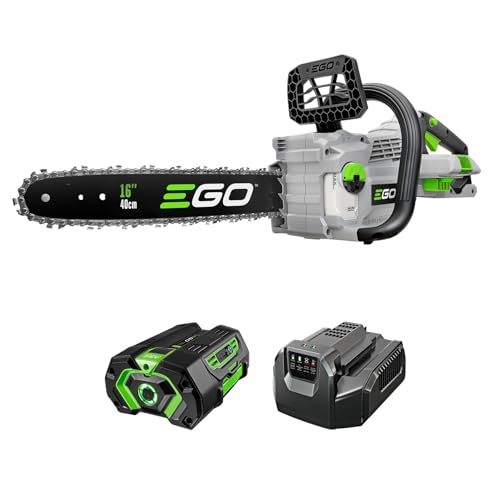
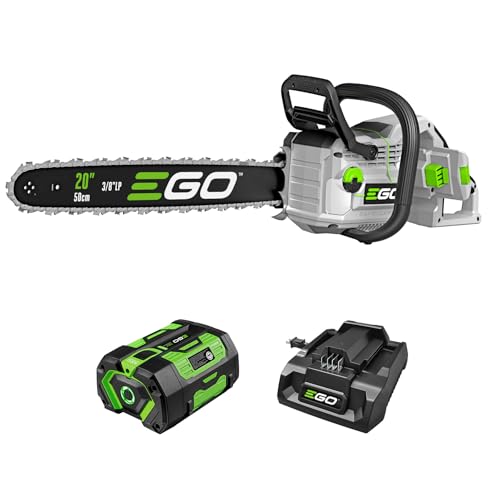


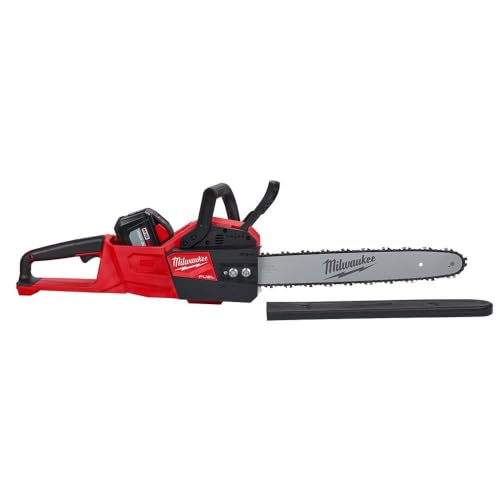


Chainsaw Types to Compare for Storm Cleanup
Storm work falls into three broad jobs, and each job favors a different type of saw, so match the type to the job rather than chasing the highest power rating.
Gas rear handle chainsaws
Gas rear handle models suit large fallen trunks and long days far from an outlet. They refuel in minutes and hold power through thick hardwood, but they weigh more, need mixed fuel and more upkeep. Choose this type when downed trees are wide and help is available for moving heavy rounds.
Battery rear handle chainsaws
Battery rear handle models start with a button, run quietly, and need little upkeep beyond chain care and charging. They suit most suburban storm damage, where limbs and medium trunks are the main job. Bring a spare battery if the damage covers several trees, because wet wood drains power faster than dry pruning cuts.
Small and mini chainsaws
Small saws with short bars handle limbing, brush, and branches already on the ground, and their light weight helps on uneven ground. They cannot safely cut wide trunks, and forcing one through thick wood strains the motor. If tight spaces and light cuts are your main need, our guide to the best mini chainsaw covers these compact tools in detail.
Who Should Buy Which Chainsaw for Storm Cleanup?
Your property, your experience, and the kind of damage you expect should drive the choice. The three groups below cover most storm situations.
Homeowners with a yard full of fallen limbs
Most suburban damage is branches, split fences, and one or two medium trees. A battery rear handle saw in a mid size range gives you enough bar for these cuts without the fuel mixing and pull starting of gas. Light weight matters because you will lift the saw many times while stepping over brush. If everyday yard tasks are also on your list, our guide to the best chainsaw for homeowners shows how storm needs overlap with routine pruning and firewood work.
Rural owners with large trees and long outages
On larger land, storms can drop several wide trees and block long driveways, often while power is still out. A gas rear handle saw fits this work because you can refuel from a can and keep cutting for hours. Plan for help with moving rounds and a second chain for when the first dulls in dirty bark. Fatigue builds fast, so schedule breaks and stop before your grip and footing get sloppy.
Neighbors and volunteers helping after a storm
Helping on other properties brings unknown ground, tangled piles, and time pressure. A light battery saw you already know well is safer than borrowing an unfamiliar large gas saw. Stay with branches on the ground, leave leaning trees and limbs under tension to trained crews, and never cut near a downed power line. Call the utility and a professional service for anything touching wires or a tree resting on a building.
How to Choose the Right Chainsaw for Storm Cleanup
Work through the factors below in order. Bar size and power type narrow the field first, then materials and extras decide between saws that look similar on paper.
Size and form factor
Choose bar length from the thickest wood you will cut, allowing the bar to extend a few inches beyond the log for a clean pass. Bars of 14 to 18 inches cover most storm limbs and medium trunks, while bars of 20 inches and above suit wide hardwoods but add weight. A rear handle form gives two handed control for ground work and is the right default for almost every buyer. Top handle saws belong in trees with trained climbers, not on ladders or in storm piles for general users.
Power type for storm conditions
Gas gives the longest run time and the strongest pull through thick, wet hardwood, at the cost of noise, fumes, fuel mixing, and more service. Battery models start instantly, store without fuel worries, and work well during outages if you charge spare packs before the storm arrives. Our guide to the best battery chainsaw explains runtime and charging in more depth. Corded electric saws cost less, but a cord limits range and an outage can leave you without power at all, so they fit only small yards with a working outlet nearby.
Build materials and weather resistance
Storm saws work in rain soaked bark, mud, and sap, so housing and controls matter. Look for sturdy polymer or metal housings, sealed switches that keep out damp grit, and an air filter you can reach and clean without special tools on gas models. Metal bucking spikes grip wet logs better than smooth plastic. No household chainsaw is made for use in standing water or heavy rain, so pause work during lightning and dry the saw before storage, even when the maker calls the body weather resistant.
Assembly and starting in the field
Most saws arrive with the bar and chain separate, and correct assembly decides whether the first cut goes well. Fit the chain in the right direction, set tension so the chain lifts slightly off the bar but still moves freely by a gloved hand, and fill the oil reservoir. Gas models need fresh mixed fuel and a firm pull on level ground. Battery models need a charged pack clicked fully home. Practice assembly at home in calm weather, because learning beside a blocked driveway in rain invites mistakes.
Features worth paying for
An automatic oiler that you can adjust keeps the chain cutting freely in wet wood and slows bar wear. A chain brake that stops the chain fast after kickback is essential safety equipment built into the saw, and a low kickback chain suits newer users. A carrying case protects the bar in a truck bed and keeps oil off other gear. Pay for a spare chain before extras such as fancy displays. A battery and charger included in the box matters for battery models, since a bare tool leaves you unable to start work.
Size for your space and total cost
A long bar needs a dry shelf or wall space where children cannot reach it, plus room for fuel, oil, and protective gear. Battery gear stores more neatly and suits a small garage or shed. For budget, expect about $100 to $250 for capable battery and corded options for light damage, and about $250 to $500 for stronger gas and high capacity battery models. Our chainsaw buying guide walks through total ownership cost, including chains, oil, and sharpening gear that storm work consumes quickly.
What Matters Most in a Chainsaw for Storm Cleanup
Storm cleanup differs from routine cutting in one key way. You rarely choose the order of the work. A tree across the driveway comes first, even if it is bigger than you planned, and hidden dirt and fence wire can dull a chain in minutes. That is why starting reliability and control on uneven ground matter more here than raw cutting speed. If the damage includes a tree leaning on a structure or wood under strong tension, the right decision is to hire a crew, since stored energy in bent limbs can release without warning.
Common Mistakes to Avoid
These errors slow storm work and cause most injuries and damaged saws.
- Cutting above shoulder height or from a ladder, where a shift in the log can pull you off balance.
- Forcing a dull chain through wet wood, which overheats the bar and makes the saw wander in the cut.
- Ignoring wood under tension, so the log splits or springs back as the cut frees it.
- Running a gas saw on old fuel left from last season, which leads to hard starting and stalling during a cut.
- Skipping protective chaps, eye and ear protection, and sturdy boots because the job looks small.
Care and Off Season Storage
After the last cut, let the saw cool, then brush sawdust and sap from the bar groove and air intake. Empty the fuel tank on gas models if storage will last more than a month. For a full routine, follow the steps in how to clean a chainsaw before you put the tool away.
Loosen the chain slightly for storage, fit the bar cover, and store the saw dry and locked away from children. Remove battery packs and keep them indoors at a partial charge. Sharpen or replace a chain that hit dirt or metal, and oil the bar lightly to slow rust before the next storm season.
FAQ
What is the best chainsaw for storm cleanup?
The best choice matches the largest log you can safely cut on the ground and the power you can count on after an outage. Most homeowners do best with a mid size battery or gas rear handle model. If one huge trunk is the only big job, renting a larger saw for that day is wiser than buying an oversized saw you will rarely control well.
What should I look for in a chainsaw for storm cleanup?
Start with honest sizing, easy starting, and a weight you can hold steady while wearing work gloves. Then check one point many buyers miss. Ask whether bars, chains, and oil caps for that model are stocked locally, because storm week is the worst time to wait on shipping. A saw you can service in town beats a stronger saw sidelined by a missing part.
How long does a chainsaw last?
A well kept chainsaw can serve for many years of occasional storm and yard work, while chains and bars wear out far sooner and count as consumables. Life shortens fast when a saw runs on stale fuel, cuts with a dull chain, or stores wet. An annual service visit for a gas saw catches small wear before it becomes a failure during cleanup.
Is a chainsaw worth buying for storm cleanup?
It is worth buying if your property has several mature trees and storms knock down wood most years, because you can start work as soon as it is safe instead of waiting for a crew. If your lot has one small tree and damage is rare, hiring help or renting for a weekend usually costs less once storage, upkeep, and protective gear are counted.
How do you clean a chainsaw after storm cleanup?
Disconnect the power source first, meaning remove the battery pack or the spark plug lead, then clean while wearing gloves because chain teeth stay sharp. Storm sap and wet sawdust pack tightly around the sprocket, so lift the bar cover and clear that pocket with a brush. A resin remover helps with pitch, and the chain should dry fully before the cover goes back on.
Final Thoughts
Storm damage rewards the buyer who plans before the weather turns. Match the saw to the largest wood you can safely cut on the ground, keep a sharp spare chain ready, and leave tensioned trees and anything near wires to professionals. Look back at the product table above, confirm bar length and power type against your property, and you will have the best chainsaw for storm cleanup for the way you actually work.
