Best Battery Chainsaw for 2026: How to Choose the Right Size and Power
Disclosure: We may earn a commission when you buy through links on this page, at no extra cost to you. As an Amazon Associate I earn from qualifying purchases. Learn more

Match bar length, battery size and safety features to your wood and your strength to find the best battery chainsaw for yard and firewood work.
Choosing a battery chainsaw feels confusing because bar length, voltage, and amp hours all sound like measures of power, yet each one controls a different part of the job. A saw that prunes small branches with ease can stall in thick firewood, while a large saw can feel tiring and hard to control during light work. The best battery chainsaw for you is the one that matches your wood, your strength, and the tools you already own.
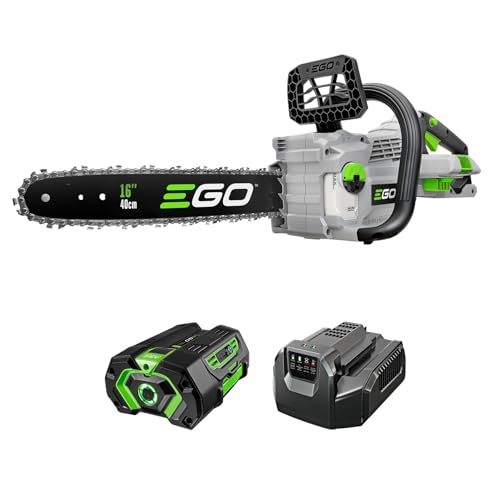
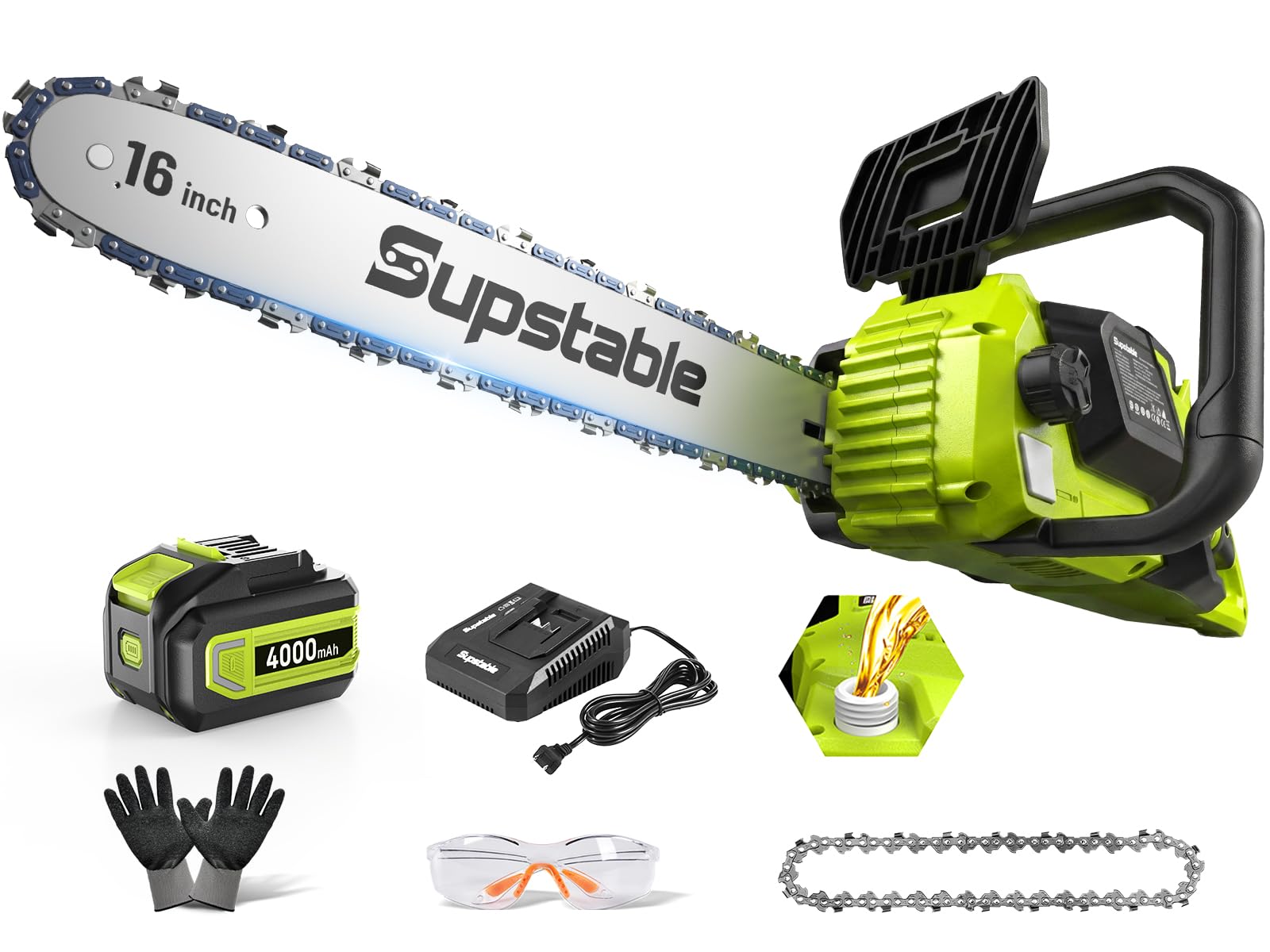
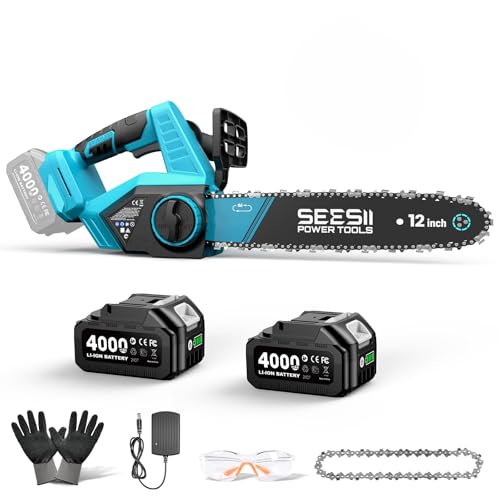
This guide sorts battery saws by job first, then by the specs that change cutting speed, run time, and safety. You will learn how to compare build materials and weather resistance, size and capacity, setup needs, and value. Use the product table to line up the key specs side by side before you read the detail that follows.





Three Buying Profiles and What to Prioritize
Start with the work you do most often, not the largest log you might cut once. Most buyers fit one of three profiles below, and each points to a different bar length, battery size, and weight. If you already own cordless tools on one battery platform, staying on that platform often saves the most money.
Light Pruning and Limb Work
You cut branches up to about 6 inches across, trim storm debris, and want a saw you can lift and control with confidence for short sessions. Look for a short bar in the 6 to 12 inch range, a light body you can hold steady, and a smaller battery to keep weight down. If compact tools interest you, our guide to the best mini chainsaw explains where the smallest saws help and where they stop being enough.
General Yard and Firewood Work
You fell small trees, cut fallen limbs, and split your cutting between yard cleanup and firewood in rounds up to about 14 inches across. A 14 to 16 inch bar gives you reach without adding much bulk, and a mid size battery balances run time against weight. This is the profile most owners land in, and the advice in our guide to the best chainsaw for homeowners matches this mix of tasks well. Plan on a second battery if a session runs longer than about 30 minutes of active cutting.
Heavy Cutting and Larger Trees
You clear land, cut hardwood rounds in the 16 to 18 inch range, or work through a full day of storm cleanup in stages. Prioritize a longer bar in the 16 to 18 inch range, a high capacity battery, and a motor with strong torque at low speed so the chain keeps moving under load. Weight matters less here than balance, since a balanced saw tires your arms more slowly. Budget for at least two large batteries and a fast charger, since swapping and charging will shape your work rhythm.
How to Judge a Battery Chainsaw From the Specs
Judge any battery chainsaw on five things you can verify from the spec sheet and the manual: build materials and weather resistance, size and capacity, setup needs, durability features, and warranty cover. Check what is included in the box, since some saws ship without a battery or charger. Verified owner reports about run time and chain wear add useful context, especially when several owners describe the same fault. Our broader guide to the best chainsaw shows how battery models sit alongside gas and corded options.
How to Choose the Right Chainsaw
Bar Length and Size
Bar length sets the largest log you can cut in one pass and also affects how nimble the saw feels. As a plain rule, the bar should be at least 2 inches longer than the wood you cut most often, so a 12 inch bar suits wood up to about 10 inches across. Sizes run from 6 inch bars for pruning up to 18 or 20 inch bars for larger rounds. Longer bars add weight and drain batteries faster, so choose one size above your usual work rather than the longest bar you can afford.
Form Factor and Handle Position
Most battery saws use a rear handle layout, with the main grip behind the motor and a front handle for your other hand, which suits two handed cutting on the ground. A top handle layout places the grip above the body for trained arborists who work in trees, and it is not the safer choice for general yard use. If you are curious about that specialist layout, see our guide to the best top handle chainsaw for who it is built for.
Battery Voltage, Capacity, and Run Time
Voltage describes the platform, while amp hours describe how much energy the battery holds, and both shape real cutting time. A higher amp hour rating usually means more cuts per charge, but it also means a heavier pack that changes the balance of the saw. Hardwood, frozen wood, and a dull chain all drain a battery faster than soft fresh branches. If you own other cordless tools, check whether the saw shares their batteries, because shared packs can cut your total cost by about $100 to $250.
Features Worth Paying For
An automatic oiler that feeds bar oil as you cut is worth having on any saw, since a dry bar wears fast and cuts poorly. Tool free chain tensioning helps you correct chain stretch quickly, although a simple screw system can hold tension just as well once you learn it. A chain brake that stops the chain when the saw kicks back is a core safety feature, not an upgrade. A battery and charger in the box add real value, while extra lights and displays add little to cutting results.
Build Materials and Weather Resistance
Look for a sturdy housing, metal bucking spikes that bite into bark, and a bar and chain made from steel that holds an edge. Weather resistance in this class usually means the saw tolerates damp air and light splashes, not that it should run in steady rain. Water and electricity are a poor mix, so store the battery indoors and dry the saw before you put it away. Sealed switches and covered battery contacts help keep dust and moisture out of the parts that fail first.
Size for Your Space
Measure where the saw will live before you buy, since a long bar needs shelf or wall space that keeps the chain away from other tools. A scabbard or case protects the chain and protects you when you reach past the saw in a crowded shed. Larger saws often need their own spot with room for oil, spare chains, and charging gear. Keep the charger near an outlet but away from damp floors, and never store a battery in a hot closed space.
Assembly and Setup Checks
Most battery saws arrive with the bar and chain fitted or with a short setup that involves seating the chain, fitting the cover, and setting tension. Correct tension means the chain sits snug against the bar but still moves by hand with a gloved pull, and it should not hang loose below the bar. Fill the oil reservoir before your first cut and check the level often. Read the manual for the kickback warnings and the correct stance before you start the saw.
How Much Should You Spend?
Basic pruning saws often sit under $100, but they suit only light branch work. The middle ground of about $100 to $300 covers most yard and firewood needs, usually with a battery and charger included. Spending about $300 to $500 buys longer bars, larger batteries, and stronger motors for frequent heavy cutting. Judge value by what is in the box, since a bare saw with no battery can cost more in total than a complete kit.
Battery Power Compared With Gas and Corded Electric
Battery saws start with a button, run quietly, and need no fuel mixing, no pull cord, and no exhaust, which makes them pleasant for suburban yards. Gas saws still cut longer at full power without a pause for charging, so they suit remote land and very large jobs. Corded electric saws give steady power at a low price but tie you to an outlet and a cord you must keep clear of the cut. For most homes, the battery option wins on ease and upkeep, as long as your longest session fits your battery run time.
The honest trade off is planning. With a gas saw you refuel in a minute, while a battery saw asks you to rotate charged packs and pace your work around charging time. Noise, fumes, storage, and winter starting all favor battery power, and those daily comforts are why many owners rarely miss gas once they switch.
Common Mistakes to Avoid
- Buying the longest bar on offer, which adds weight and battery drain for wood you rarely cut.
- Judging power by voltage alone, which ignores amp hours, motor design, and chain sharpness.
- Running the saw with a loose or dull chain, which slows cutting and raises kickback risk.
- Skipping bar oil or letting the reservoir run dry, which wears the bar and chain quickly.
- Cutting above shoulder height or from a ladder, which removes your control when the saw shifts.
- Storing the battery fully drained or in heat, which shortens battery life over time.
Care and Off Season Storage
After each session, brush debris from the bar groove, wipe the housing, and check the chain for damaged links. Sharpen or swap the chain when the saw starts making fine dust instead of coarse chips, since a sharp chain cuts faster and is safer to control. Our step by step guide on how to clean a chainsaw walks through the full routine, including the air intake and the oil port. For storage, fit the scabbard and keep batteries indoors at a partial charge in a cool dry place.
Wear eye and ear protection, gloves, and sturdy boots for every cut, and add chainsaw chaps for ground work with larger wood. Never cut alone when felling even a small tree, and stop work if you feel tired, since most injuries happen when attention fades. If a tree leans toward a building or a power line, hire a qualified tree professional instead.
FAQ
What is the best battery chainsaw for a typical home?
The right choice for a typical home is a mid size saw with a 14 to 16 inch bar and a battery you can swap with your other yard tools. That size handles fallen limbs, small trees, and firewood rounds without tiring your arms. Look for an automatic oiler and a chain brake as standard. A complete kit with battery and charger included usually gives the simplest start and the clearest total cost.
Are battery chainsaws worth it compared with gas saws?
Yes, battery chainsaws are worth it for most home use because they start instantly, run quietly, and skip fuel mixing and engine upkeep. They cost more per hour of run time than gas if you buy many spare batteries, so the value depends on session length. Short and medium sessions favor battery power strongly. Very long remote cutting days still favor gas, since refueling is faster than charging.
How long does a battery chainsaw last?
A battery chainsaw body can last many years with basic care, while chains, bars, and batteries are the parts that wear out. Expect a chain to need sharpening often and replacement after heavy use, and a battery to lose some capacity after a few years of regular charging. Storing batteries at a partial charge in a cool place slows that loss. Replacing worn parts on time keeps an older saw cutting safely and well.
Is a battery chainsaw worth it for occasional use?
Yes, a battery chainsaw suits occasional use well because it waits in storage without fuel going stale or an engine refusing to start. You can pick it up after months, fit a charged battery, check the oil and chain tension, and cut within minutes. The one habit occasional users must keep is checking battery charge now and then. A battery left flat for a whole season may not recover its full capacity.
How do you clean a battery chainsaw safely?
Remove the battery first, then brush debris from the bar groove, the sprocket area, and the cooling vents before wiping the housing with a dry cloth. Use a small wooden pick for packed dust in the groove rather than a metal tool that can burr the edges. Check the oil port is clear so the bar keeps getting oil. Never wash the saw with water, since moisture inside the housing and the battery contacts causes corrosion and faults.
What makes a battery chainsaw brand reliable?
Reliability comes from steady parts supply, clear warranty terms, and batteries that stay available for the platform over several years. A brand that sells spare bars, chains, and chargers through many stores makes ownership simpler than one with scarce parts. Read the warranty length for both the saw and the battery, since battery cover is often shorter. Good manuals and responsive support also matter, because small setup questions are common in the first season.
Final Thoughts
Match the saw to your most common wood first, then check battery fit with the tools you own, bar length, oiler type, and what the box includes. The product table pulls those specs together so you can compare size, capacity, and value at a glance. Chosen that way, the best battery chainsaw is simply the one you can control safely, feed with charged batteries, and maintain without fuss for years of yard work.