
Best Chainsaw Under 300 (2026 Buying Guide)
Disclosure: We may earn a commission when you buy through links on this page, at no extra cost to you. As an Amazon Associate I earn from qualifying purchases. Learn more
Gas, battery or corded? Compare bar length, build and upkeep to find the best chainsaw under 300 for your yard and firewood.
A budget of $300 sits in a useful middle ground for chainsaws. It is enough to move past small pruning tools and light duty models, but it is also easy to waste money on the wrong bar length or power source. Finding the best chainsaw under 300 dollars for your yard comes down to matching the saw to the wood you actually cut, not to the biggest numbers on the box.
This guide compares the main types you can buy at this price, the build and size factors that separate a durable saw from a frustrating one, and the trade offs you accept by staying under $300. Use the comparison table below to see how the main options stack up.


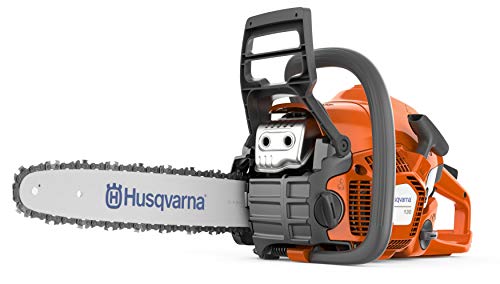
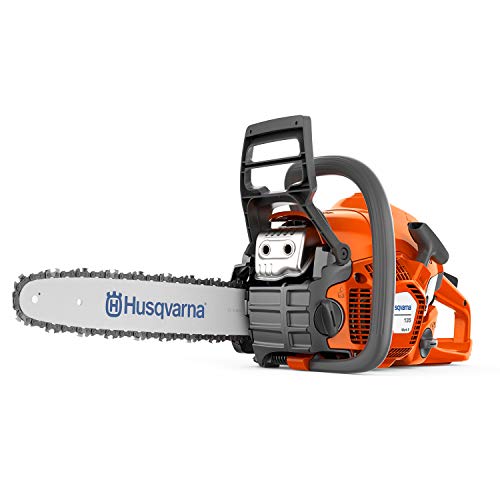


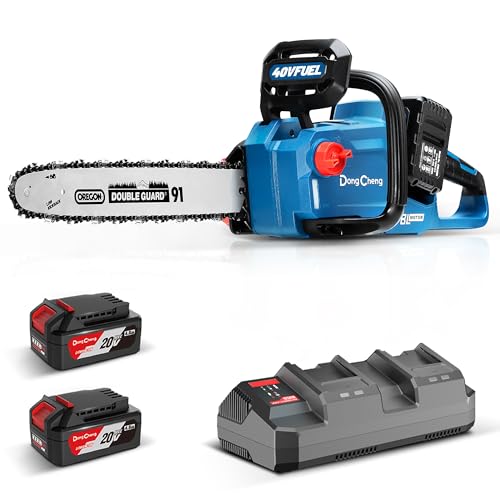
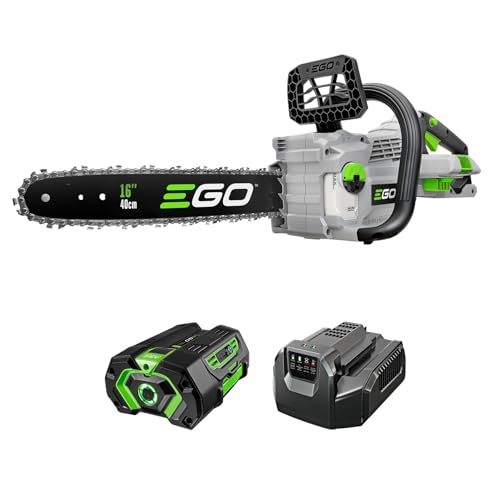
Chainsaw Types Compared Under $300
Three power sources compete at this price, and each one suits a different kind of work. Understanding the split between them is the fastest way to narrow your search.
Gas Chainsaws
Gas models are the traditional choice for cutting firewood and felling small to medium trees. At this price you generally get engines of about 38 to 50 cc driving bars of 16 to 18 inches, which covers most storm cleanup and seasonal wood cutting. They run anywhere with a fuel can and hold power through long cuts in hardwood. The costs are weight, noise, exhaust, and upkeep such as fuel mixing and air filter cleaning.
Cordless Battery Chainsaws
Battery models have become a serious option under $300, especially if you already own tools on the same battery platform. They start instantly, run quietly, and need almost no routine engine care, which makes them friendly for suburban yards. Runtime is the limit: one battery handles limbing and small logs well, but bucking a full cord of firewood drains packs quickly. If this style appeals to you, our guide to the best battery chainsaw options explains platform and runtime trade offs.
Corded Electric Chainsaws
Corded models are the lightest and simplest saws in this price range, and they cost the least to run because there is no fuel and no battery to replace. They suit cutting near the house, such as trimming branches within reach of an outdoor outlet. The cord is the obvious drawback, since it limits your range and demands care so you never cut across it. For heavy work far from the house, gas or battery power is the practical choice.
What to Compare Before You Spend $300
Once you know the type you want, a few factors decide whether a saw still feels solid after several seasons. Build materials and weather resistance matter because these tools live in garages and truck beds, not in climate controlled rooms. Look for a sturdy crankcase, a chain brake that engages cleanly, and bar and chain steel that resists rust between jobs.
Size and capacity come next. Engine displacement or battery voltage tells you the power class, while bar length tells you the largest log the saw can handle in one pass. Assembly matters too: some saws arrive with the bar and chain separate and need careful tensioning before the first cut, while others include a tool free tensioning dial. Finally, check the warranty length and whether replacement bars and chains are easy to find, because a cheap saw with no parts support becomes disposable.
How to Choose the Right Chainsaw
Bar Length and the Size of Your Wood
Match the bar to the thickest wood you cut often, not the thickest you might cut once. A 14 inch bar handles pruning and small firewood with less weight and less kickback risk. A 16 inch bar is the versatile middle for most yards, and an 18 inch bar suits regular firewood cutting and felling trees up to about 14 inches across. Longer bars on a small engine only add drag and fatigue.
Power Source and Your Property
Think about distance and session length. If your cutting happens within about 100 feet of the house, corded or battery power keeps things simple. If you cut at the back of a large lot or help neighbors after storms, gas power removes the range limit entirely. Noise also plays a role, since battery and corded saws are far quieter early in the morning. For a broader look at matching a saw to home use, see our advice for the best chainsaw for homeowners.
Features Worth Paying For
A few features genuinely earn their cost at this price. An automatic oiler keeps the bar and chain lubricated without a manual pump, and most saws under $300 include one. A chain brake and a low kickback chain are safety basics that should never be missing. Spring assisted starting reduces pull effort on gas models, and an anti vibration handle reduces hand fatigue on longer jobs. A carrying case is a bonus, while decorative extras rarely change how the saw cuts.
Weather Resistant Materials and Build
Chainsaws work in dust, sap, and damp air, so materials decide how gracefully a saw ages. A chrome plated cylinder on a gas engine resists wear from heat and friction. Sealed switches on battery models keep fine sawdust out of the contacts. Rubber overmold grips shed moisture and stay secure with gloves on. A model built with these details tolerates a humid shed far better than a bargain tool with exposed fasteners that rust by the second season.
Size for Your Space and Storage
Consider where the saw will live between jobs. A compact 14 inch model hangs on a garage wall hook and fits in a truck toolbox, which suits small properties and occasional pruning. Full size rear handle saws need shelf space and a safe spot away from kids, with the bar cover on. If storage is tight and your cutting is light, a compact model from our guide to the best mini chainsaw picks may serve you better than a full size saw you rarely lift.
Assembly and First Setup
Most saws under $300 need some assembly out of the box, usually fitting the bar and chain and setting the tension. Plan about 15 to 30 minutes and read the manual first, because chain direction errors are common and make the saw cut poorly. Correct tension lets the chain pull slightly away from the bar without sagging underneath. Fill the oil reservoir before the first cut, even for a short cut, since running the bar dry damages it quickly. Recheck tension after the first few cuts, as new chains stretch.
How Much Should You Spend?
Under about $50 you are in mini saw and pruning tool territory, fine for branches but not for logs. Around $100 to $150 buys a capable corded saw or a small battery model for light yard work. Between about $200 and $300 you reach the strongest value zone, with homeowner grade gas saws and battery kits that include a battery and charger. Spending above $300 mainly buys professional durability and larger bars, which most home users never need. Our full best chainsaw guide shows how this budget compares with higher tiers.
What You Get (and Give Up) Under $300
Under $300 you get a saw that handles the large majority of home cutting: firewood for a stove, storm damaged limbs, fence line clearing, and felling small trees. You give up the heavy duty construction, high output engines, and long warranties of professional saws that cost two or three times as much. You also give up some refinement, such as easier starting and better vibration control on the cheapest models.
Safety deserves a direct word at any price. Always wear eye and hearing protection, gloves, and leg protection designed for chainsaw use, and keep both hands on the saw. Never cut above shoulder height or from a ladder. If a tree leans toward a house, a road, or a power line, that job belongs to a professional tree service, no matter which saw you own.
Common Mistakes to Avoid
- Buying a bar that is too long: an oversized bar on a small engine cuts slowly and tires you out.
- Skipping the oil check: running with an empty oil reservoir overheats the bar and chain.
- Cutting with a dull chain: a dull chain forces you to push down on the saw, and pushing is when control is lost most easily.
- Ignoring fuel care on gas models: old fuel left over winter gums up the carburetor and causes hard starting.
- Choosing on brand loyalty alone: debates like stihl vs husqvarna chainsaw matter less than bar length, weight, and parts support for your actual jobs.
- Storing the saw with no cover: the exposed chain rusts faster and is a cut hazard every time you reach past it.
Care and Off Season Storage
After each job, brush sawdust and chips from the bar groove, the clutch cover, and the air intake areas before they harden with oil and sap. Wipe the chain with an oily rag if the saw will sit for more than a few weeks. Sharpen the chain when it starts throwing dust instead of chips. The step by step guide on how to clean a chainsaw covers deep cleaning in detail.
For off season storage, drain the fuel from a gas saw or run it dry, remove the battery from a cordless saw and store it indoors at a partial charge, and loosen the chain slightly. Keep the bar cover on and store the saw flat in a dry place. A few minutes of care in the fall prevents the hard starting and rust problems that make people replace a good saw too early.
FAQ
What is the best chainsaw under $300 for firewood?
For firewood, a gas saw with a 16 or 18 inch bar is usually the strongest fit under $300, because bucking logs takes sustained power that drains batteries quickly. Look for an automatic oiler and a chain that is easy to source locally, since firewood cutting dulls chains fast. If your stove wood arrives cut to length and you only break rounds down occasionally, a battery model can still keep up for short sessions.
Can you get a good chainsaw for under $300?
Yes. This budget covers the homeowner grade lines of major makers, built for regular seasonal use rather than daily professional work. The difference shows up in expected service life and comfort features, not in the ability to cut. A well maintained saw in this range can serve a household for many years of firewood and cleanup work, especially when the chain stays sharp and the oil reservoir never runs dry.
How long does a chainsaw last?
Longevity depends more on care than on price. The bar and chain are wear parts you will replace several times over the life of the saw, while the engine or motor should last far longer with clean fuel, correct oil, and a clean air filter. The earliest end of life sign is usually hard starting with low compression on a gas model, or batteries that no longer hold a useful charge on a cordless one.
Is a chainsaw worth it for a small yard?
It depends on your trees. If you only trim a few small branches each year, a manual pruning saw or a small battery pruner costs less and stores easily. A full chainsaw earns its place when you heat with wood, clear storm damage, or maintain several mature trees. Renting is a sensible middle path for a single big job, since rental yards supply a sharp, maintained saw with no storage or upkeep on your side.
What size chainsaw do most homeowners need?
Most homeowners are best served by a 16 inch bar, which balances cutting capacity with manageable weight and cost. It fells small trees, cuts firewood rounds, and still feels controlled during limbing work. Going shorter, to 14 inches, makes sense when nearly all your cutting is branches and small logs. Going longer only pays off when thick rounds are a weekly job.
Final Thoughts
Staying under $300 does not mean settling for a weak tool. Match the power source to your property, pick a bar length that fits your everyday wood, and favor solid build materials and easy parts support over extra features. Do that, and the best chainsaw under 300 dollars for your yard will start reliably and cut cleanly for years. Check the product table above before you order, and confirm the bar, chain, and any battery or charger you need are included.
