
Best Chainsaw Buying Guide for 2026
Disclosure: We may earn a commission when you buy through links on this page, at no extra cost to you. As an Amazon Associate I earn from qualifying purchases. Learn more
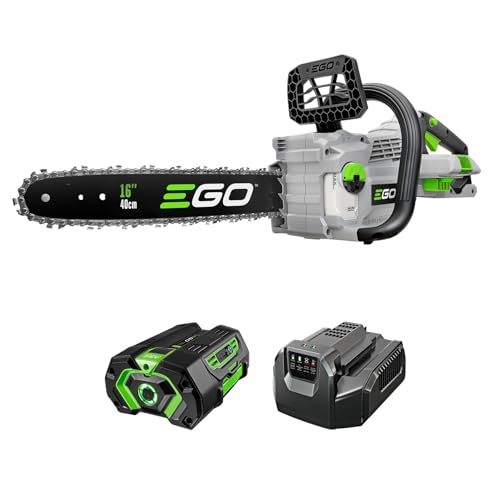
Bar length, power type and safety features explained to help you choose the best chainsaw for firewood, limbs and storm cleanup.
Choosing a best chainsaw for your property starts with the wood you actually cut, not with the biggest bar or the strongest motor on the shelf. A saw that feels balanced for pruning limbs can feel slow on oak firewood rounds, while a large saw can tire you quickly and raise your risk on small jobs. This guide walks through size, power type, safety features and cost so you can match the saw to your work.
Start by listing your most common jobs, from storm limbs to bucking logs for a stove, then compare the options in the comparison table below against that list. Pay close attention to bar length, weight with fuel or a battery fitted, and the safety features you will use on every cut. The right match is usually the smallest saw that handles your largest regular job with some room to spare.

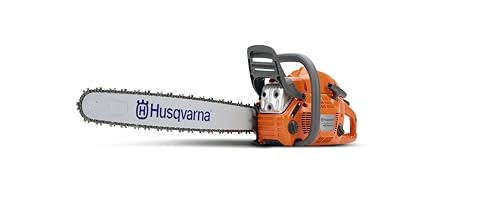


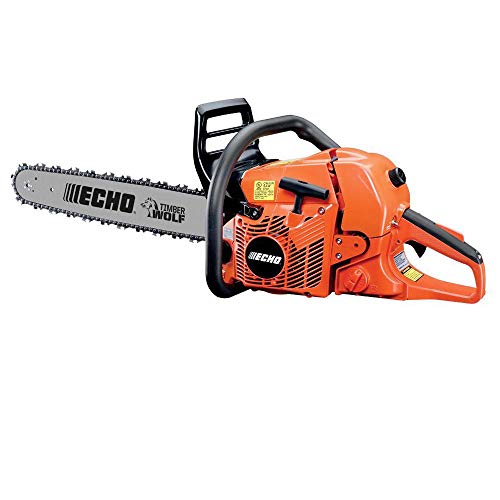


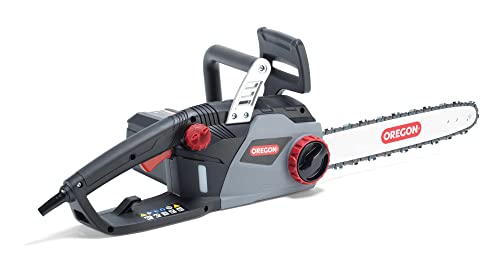
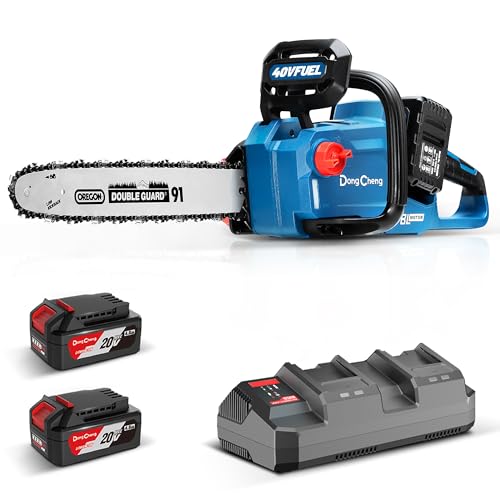
Three Buying Profiles and What to Prioritize
Light Yard Work and Pruning
If you mostly trim branches, cut fallen limbs after a storm and tidy small trees, prioritize light weight, easy starting and control over raw power. A short bar in the 10 to 14 inch range keeps the saw easy to steer in tight spots and reduces fatigue when you work at arm length. Low kickback chain, a working chain brake and a comfortable front handle matter more here than maximum cutting speed, because most cuts are short and close to your body.
Regular Firewood and Storm Cleanup
Homeowners who buck logs several times a year need a step up in bar length, chain speed and durability. A 16 to 18 inch bar covers most firewood rounds without forcing you to cut from both sides, and a metal drive sprocket cover and adjustable oiler tend to hold up better under repeated use. Look for a saw you can hold at waist height for ten minutes without strain, since firewood sessions are long and tired arms make sloppy, unsafe cuts.
Large Properties and Frequent Cutting
If you clear fence lines, drop dead trees within your skill level and cut cords of wood each season, prioritize engine or motor output, a 18 to 20 inch bar option and strong parts support. A wraparound handle, large fuel or battery capacity and a decompression feature for easier starts all earn their keep on long days. Many owners also keep a smaller saw for limbs, so the large saw only comes out when it is truly needed.
How to Evaluate a Chainsaw Before You Buy
Judge any saw on five points that show up in daily use: build materials and weather resistance, size and capacity, ease of assembly, durability of wear parts, and warranty and parts support. Housings should feel solid at the handle joints, fasteners should be metal where the bar mounts, and caps for fuel, oil or batteries should seal firmly against dust and rain. Our chainsaw buying guide explains how these checks fit together if you want a shorter checklist before you shop.
Capacity means more than bar length alone. Check the recommended log diameter in the manual, the fuel tank or battery size, and the bar oil reservoir, because a saw that stops often for refills slows every job. Assembly should take minutes with basic tools, and the manual should show chain tensioning, bar mounting and air filter access in clear steps.
How to Choose the Right Chainsaw
Bar Length and Form Factor
Bar length should match the wood, with the bar about two inches longer than the thickest log you cut often. Mini saws and 6 to 10 inch pruners suit branches only, 12 to 14 inch bars suit light yard work, 16 to 18 inch bars suit most firewood, and 20 inch and longer bars suit large logs and felling work for trained users. Rear handle saws are the standard choice on the ground, while top handle saws are built for trained climbers working in a tree, not for general yard use.
Power Type: Battery, Gas or Corded Electric
Battery saws start with a button, run quietly and need little upkeep beyond chain care and battery charging, which suits most suburban yards. If that sounds like your pattern, the guide to the best battery chainsaw covers runtime and battery platform questions in detail. Gas saws still lead for long sessions far from an outlet, but they add fuel mixing, pull starting and engine upkeep. Corded electric saws cost less and never need charging, yet the cord limits your range and demands care so you never cut across it.
Features Worth Paying For
Pay for safety and upkeep features first: an inertia chain brake, low kickback chain and bar, a chain catcher and a hand guard are worth having on any saw. An automatic adjustable oiler keeps the bar and chain lubricated to match the load, and tool free chain tensioning speeds up adjustments as the chain warms and stretches. Spring assisted starting and anti vibration mounts reduce strain on gas models, while a battery gauge and brushless motor are the upgrades that matter most on cordless models. A carrying case is nice, but it ranks below every item above.
Weather Resistant Materials and Build Quality
A saw lives in garages, truck beds and damp yards, so materials matter. Magnesium or solid polymer housings resist knocks, sealed switches keep out sawdust and light rain, and plated bars resist rust between uses. Check that the air filter sits behind a cover you can remove without tools, since a clogged filter is a common cause of poor running on gas saws. Avoid saws with thin plastic bar covers and fragile oil caps, because those small parts tend to crack first.
Size for Your Space and Storage
Think about where the saw will live between jobs. A compact saw with a 14 inch bar fits on a garage shelf in its case, while a 20 inch saw needs a dedicated spot away from children and foot traffic. Store the saw with the bar cover fitted and the chain tension eased for long storage. If space is tight, a smaller saw you store safely beats a larger saw left loose on a workbench.
Setup and First Checks Before Cutting
Assembly is simple but must be done in order: fit the bar, loop the chain in the correct direction, tension it so it lifts slightly from the bar but still moves freely by hand with gloves on, then fill the bar oil tank. Test the chain brake before the first cut and again at the start of every session. Make your first cuts on a small log secured on a sawbuck, and stop to recheck tension after a few minutes, because new chains stretch quickly during early use.
How Much Should You Spend?
Price follows power type and bar length more than brand labels. Small pruning saws and basic corded models often cost under $100, while capable battery and gas saws for homeowners sit at about $150 to $300 once you include a battery and charger where needed. Expect about $300 to $500 for larger saws with stronger motors, better anti vibration systems and longer bars. Spending above that mainly buys professional durability for daily use, which most home yards never require, so put leftover budget toward protective gear and a spare chain instead.
Matching a Chainsaw to Your Main Job
Most buyers are best served by the homeowner profile, and the guide to the best chainsaw for homeowners focuses on that balance of weight, bar length and upkeep. For pruning fruit trees, cutting campfire wood on site and other small jobs, a compact option from the best mini chainsaw category is easier to control and store than a full size saw. Reserve top handle models for trained tree work, and consider hiring a professional for any cutting above ground level.
Safety Basics That Shape Your Choice
A chainsaw is one of the few home tools where protective gear is part of the purchase, not an extra. Budget for a helmet with eye and ear protection, cut resistant chaps or trousers, gloves and sturdy boots, and choose a saw with a chain brake you can trigger by rolling your left wrist forward. Never cut above shoulder height, never work from a ladder with a saw, and keep other people and pets well clear of the cutting area.
Kickback happens when the tip of the bar catches and the saw drives back toward you, so learn the tip zone and avoid boring into wood until you have proper training. Trees under tension, trees near power lines and any tree that could fall on a building belong to professional crews, and many areas require permits or utility clearance for that work, so check local rules before you start. If a cut feels beyond your control, stop and set the brake rather than pushing through.
Care and Off Season Storage
Clean the saw after each session: brush sawdust from the bar groove and oil ports, wipe the housing, and check the chain for dull or damaged cutters. Sharpen little and often with the correct file size for your chain pitch, and replace the chain when sharpening no longer restores a clean cut. The full routine in our guide on how to clean a chainsaw adds the deep clean steps for the clutch cover, sprocket and air filter that monthly care should include.
For storage longer than a month, drain fuel from gas saws or store them with stabilized fuel as the manual directs, charge batteries partway for cordless saws, and oil the bar and chain lightly to prevent rust. Keep the saw locked away from children at all times. A top rated chainsaw stored clean and dry will start more easily next season than a stronger saw left dirty in a damp shed.
Common Mistakes to Avoid
- Buying a bar far longer than your usual wood, which adds weight and kickback risk without cutting any faster.
- Running a dull chain and pushing harder, which strains the motor, slows the cut and raises the chance of the saw binding.
- Forgetting bar oil, so the chain runs dry, overheats and wears the bar rails in a single session.
- Skipping the chain brake test, leaving your main safety device unverified before the saw starts.
- Cutting with loose chain tension, which can throw the chain from the bar during a cut.
- Wearing loose clothing or no leg protection, which removes your last line of defense if the chain contacts you.
FAQ
Which chainsaw is best for most home yards?
For most home yards, a 14 to 16 inch battery or gas saw with a chain brake and automatic oiler covers pruning, storm limbs and light firewood without excess weight. Choose the platform you can maintain: battery if your cutting sessions run under an hour, gas if you cut for longer stretches. A useful extra check is dealer or parts support near you, because a saw you can service locally stays in use longer than one shipped away for every repair.
How long does a chainsaw last?
A chainsaw lasts many years when the chain stays sharp, the bar oil flows and filters stay clean, with homeowner saws often serving a decade of seasonal use. Wear parts such as chains, bars and sprockets are consumables and may need replacement several times in that span. Storing a gas saw with old fuel through winter is the fastest way to shorten its life, since stale fuel gums the carburetor and makes the next start difficult or impossible without service.
Is a chainsaw worth it for a homeowner?
A chainsaw is worth it if you heat with wood, manage several trees or face regular storm cleanup, because rental fees add up quickly. It is harder to justify if you trim one small tree a year, where a manual pruning saw costs less and avoids storage and upkeep. Renting once before you buy is a smart middle step, since a weekend of real cutting shows you the bar length and weight you can handle comfortably.
How do you clean a chainsaw after cutting?
Clean a chainsaw after cutting by setting the brake, removing the bar and chain, clearing packed sawdust from the clutch cover and bar groove, and wiping oil ports open with a soft brush. Work with the spark plug disconnected or the battery removed so the saw cannot start. One point many owners miss is the small oil delivery hole on the bar itself; if that hole plugs, the chain runs dry even with a full oil tank, so clear it every time the bar comes off.
What makes a chainsaw brand reliable?
Reliability comes from consistent parts supply, a service network that stocks chains, bars and filters for older models, and manuals that list real specifications rather than vague claims. A brand that still supports a saw after five to ten years protects your purchase far more than a famous name with no local support. Ask local repair shops which brands they can get parts for quickly; their answer reflects daily repair reality and is one of the most honest reliability signals you can get before buying.
Final Thoughts
The right saw fits your wood, your strength and your upkeep habits, and the product table above can help you compare bar lengths and power types side by side. Keep your shortlist small, insist on a working chain brake and low kickback chain, and budget for protective gear from the start. Chosen that way, a best chainsaw purchase becomes a long lasting tool for firewood and storm cleanup rather than a heavy box gathering dust in the garage.