
Best Chainsaws for Homeowners in 2026: Types Compared and Buying Guide
Disclosure: We may earn a commission when you buy through links on this page, at no extra cost to you. As an Amazon Associate I earn from qualifying purchases. Learn more

Choose the best chainsaw for homeowners by matching bar length and power to your yard. Compare battery, gas and corded saws, storage and safety.
A fallen limb after a storm, a pile of firewood that needs cutting to length, and brush that keeps creeping over the fence all ask for the same tool, but not the same size of tool. Choosing the best chainsaw for homeowners means matching bar length, power source, and weight to the wood you actually cut a few times a year, not to the largest tree you can imagine. The product table below groups the main types by build materials and weather resistance, size and capacity, and assembly, so you can narrow your choice before you shop.
Most homes do best with a saw that starts easily and stores safely in a garage or shed. If you want the wider picture first, see our guide to the best chainsaw for general cutting tasks, then return here for homeowner focused details on fit, upkeep, and safe use.
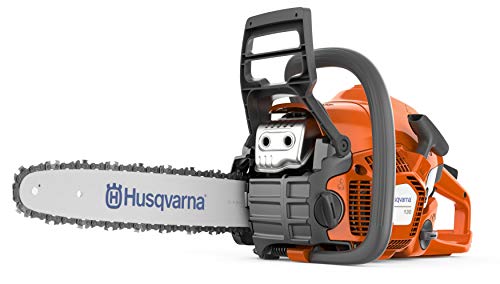


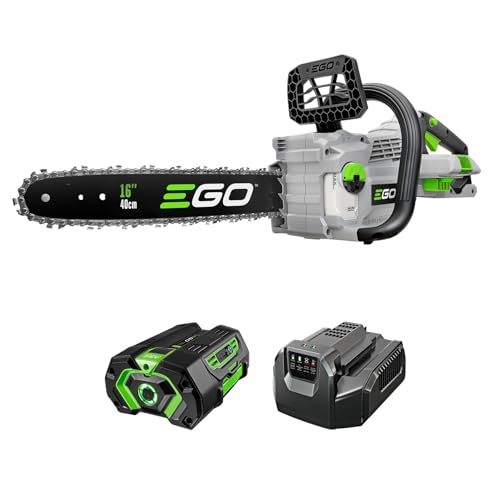

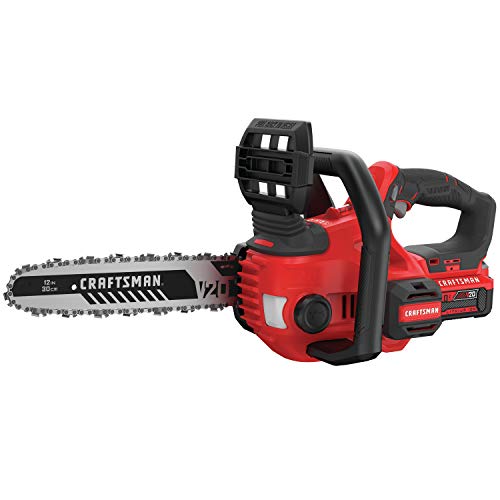


Saw Types for Homeowners at a Glance
This guide compares types rather than naming individual models, so think of three shapes of saw. The most common fit for a yard is a rear handle battery saw with a 14 to 16 inch bar, enough power for limbs and firewood rounds, and no fuel mixing or cord to manage. The lowest cost option is a corded electric saw or a small battery mini saw for light pruning near the house. The strongest option is a gas saw with a 16 to 18 inch bar for large properties with frequent storm cleanup and thick hardwood.
Your property decides which type leads. A small lot rarely needs gas power, while an acre with mature oaks can leave a mini saw straining. Be honest about how often you will cut, because a saw that sits unused for months needs a power source that tolerates storage without fuss.
What to Judge in the Best Chainsaws for Homeowners
Judge each type on five points drawn from maker specifications and buyer feedback: build materials and weather resistance, size and capacity, assembly, durability, and warranty cover. A homeowner saw should use a sturdy bar and chain, a housing that shrugs off dust and damp air, and controls you can work while wearing gloves. For a fuller walk through of terms, the chainsaw buying guide explains the basics behind these points.
How to Choose the Right Chainsaw for Homeowners
The sections below work through the decisions in order. Start with size, then pick a power source, then check features and materials.
Size and form factor
Bar length sets what you can cut in one pass. A mini saw with a 6 inch bar prunes branches and fits tight spots between shrubs, and our guide to the best mini chainsaw covers that small format in depth. Bars of 12 to 14 inches suit most limbs and small logs, 16 inches handles firewood rounds and storm debris for most homes, and 18 to 20 inches is for large rural lots. Bars of 24 inches belong to professional felling work and add weight that tires arms fast. Form matters too, since a rear handle saw gives you a firm two handed grip for ground work.
Type
Cordless battery saws start at the push of a button, run quietly enough for suburban streets, and need no fuel storage, which is why so many owners now start with the best battery chainsaw format for yard work. Gas saws cut longer and stronger away from an outlet, but they are louder, heavier, and need fuel mixing plus more upkeep. Corded electric saws cost less and never need charging, yet the cord limits range and can snag on brush. Pole saws extend your reach for high limbs from the ground, while top handle saws are built for trained climbers working in trees and are not a safe choice for general home use.
Features worth paying for
Three extras earn their cost for most owners. A battery and charger included in the box matters because a bare tool can look cheap until you price the pack it needs to run. An auto oiler feeds oil to the bar and chain as you cut, which cuts friction and wear without you stopping to pump a bulb. A carrying case keeps the sharp chain covered in storage, protects other gear in the shed, and makes carrying the saw across the yard safer. A chain brake that stops the chain when the saw jerks upward, a low kickback chain, and a hand guard are safety basics that should come as standard, not as paid extras.
Weather resistant materials
Homeowner saws live in sheds and garages where heat, cold, and damp air cycle all year. Look for a housing made from tough molded polymer that resists knocks, metal drive parts that tolerate dust, and covered battery contacts that stay clean between uses. No home saw is built for cutting in rain, and wet wood plus wet footing raises the risk of a slip, so plan cutting for dry days. After damp work, dry the bar and chain before storage, since surface rust on a chain dulls cutters and shortens its working life.
Size for your space
Match the saw to both your land and your storage. On a small lot, a compact saw hangs on a wall hook and clears the odd limb without crowding the shed. On a large lot, a longer bar saves you from cutting big rounds from two sides, but you also need a clear, flat work area away from play spaces and foot traffic.
Assembly and anchoring
Most saws arrive with the bar and chain separate, so assembly means fitting the bar, looping the chain in the right direction, and setting chain tension so it lifts slightly from the bar yet snaps back when released. The manual for your model gives the exact steps and the tool you need, often a wrench stored on the saw itself. Anchoring matters once you start cutting, because a log that rolls can trap the bar or throw your balance. Use a sawbuck or wedge the log firmly on flat ground, keep both feet planted, and never hold wood steady with a foot or ask another person to hold it by hand.
Care and off season storage
Simple care keeps a home saw ready for the next storm. Empty or stabilize fuel in a gas saw before long storage, remove a battery pack and store it indoors at partial charge, and clean sap and dust from the bar groove and oil ports. Our step by step guide on how to clean a chainsaw covers that routine in full. Store the saw with its scabbard on, out of reach of children, and check chain sharpness before the season starts, since a dull chain makes you push harder and lose control.
How much should you spend?
Light mini and small corded saws often sit under $100 and suit pruning only. Capable battery saws for general yard work commonly cost about $150 to $300 with a battery and charger included. Gas saws and higher output battery saws for heavy firewood work run about $300 to $500. Very few homeowners gain anything above that range, where prices reflect professional duty cycles. Spending more mainly buys power, bar length, and runtime, not easier handling, so put money toward safety gear and a spare chain before you chase the largest motor.
What Matters Most in a Chainsaw for Homeowners
The modifier in this search is the home setting, and it changes the priorities. You cut near houses, fences, vehicles, and neighbors, often after bad weather, and often only a few weekends a year. That pattern favors easy starting after months of storage, modest noise, and weight you can control when you are tired, over raw cutting speed. A professional saw earns its keep cutting all day, while your saw earns its keep by working the first time you pick it up in October after it sat idle since spring.
Safety deserves direct words here. Wear eye and ear protection, gloves, sturdy boots, and leg protection made for chainsaw use, and keep children and pets well away from the work area. Never cut above shoulder height from the ground, never work from a ladder, and leave trees near power lines or buildings to a qualified tree service, since a falling limb can move in ways that surprise even skilled cutters. If a job needs you to lean, reach, or cut wood under tension that you cannot read clearly, stop and call a professional instead.
Comfort also decides whether a saw gets used correctly. A saw that feels front heavy makes you grip harder, and tired hands react slowly if the chain grabs. Try the balance with the battery fitted or the fuel tank filled, because both change how the saw hangs in your hands.
FAQs
What is the best chainsaw for homeowners?
For most homes it is a rear handle battery saw with a 14 to 16 inch bar, a chain brake, and an auto oiler. That size covers limbs, storm debris, and firewood rounds without fuel mixing or a cord. Choose gas only if you cut often far from an outlet, and choose a mini saw only if pruning thin branches is truly your whole workload.
What should I look for in a chainsaw for homeowners?
Start with correct bar length for your thickest usual wood, then check weight with the battery fitted or the tank filled, since that is the weight your arms will hold. Look for tool free or simple chain tensioning, a visible oil level window, and a warranty with service points you can actually reach. A spare chain in the box is a small detail that saves a weekend when you dull the fitted chain on dirty bark.
How long does a chainsaw last?
A home saw used a few weekends a year can serve for many seasons if the chain stays sharp, the bar oil stays filled, and storage keeps moisture off the chain. Battery packs are usually the first part to fade, losing runtime gradually over years of charging cycles. Gas models tend to fail from stale fuel and clogged carburetors after idle months more often than from worn engines, so storage habits decide lifespan more than brand badges do.
Is a chainsaw worth it?
It is worth it if you heat with wood, clear storm damage more than once a year, or maintain trees that drop limbs over roofs and driveways. It is harder to justify if your whole need is one small tree, where hiring a service once or borrowing a pole saw for pruning costs less and avoids storage and safety gear. Renting for a single planned weekend of firewood cutting is another sensible middle path many owners overlook.
How do you clean a chainsaw?
With the saw off and the battery removed or the spark plug lead disconnected, brush dust from the housing, clear packed debris from the bar groove with a thin tool, and wipe the chain before oiling it lightly for storage. Check the air filter on gas models and wash or replace it when it looks clogged. Cleaning right after cutting green wood matters most, because fresh sap hardens into a sticky layer that traps grit against the bar.
What is the most reliable chainsaw brand?
No single brand is most reliable for every owner, because reliability at home depends heavily on local dealer support, spare parts on the shelf, and how the saw is stored between uses. A brand with a service counter near you will feel more reliable than a famous name you must ship away for a simple repair. Read the warranty terms for the bar, chain, and battery, since those wear parts are often covered for shorter periods than the motor itself.
Final Thoughts
Pick the saw that fits your land, your storage, and your strength, and the work becomes routine instead of risky. For most readers, the best chainsaw for homeowners is a mid size battery saw that starts instantly, cuts the wood your property actually drops, and stores safely between jobs. Look back at the product table above to compare the three types by size, materials, and assembly, then choose the corded or mini type for light pruning, the battery type for mixed yard work, or the gas type for large lots and heavy firewood. Prices and availability can change, so check the product page before ordering.