Best Chainsaw Under 500 (2026 Buying Guide)
Disclosure: We may earn a commission when you buy through links on this page, at no extra cost to you. As an Amazon Associate I earn from qualifying purchases. Learn more

Compare gas, battery and corded saws by bar length, build and setup to find the best chainsaw under 500 for your wood and your yard.
A price cap can feel confusing with chainsaws, because a low price means little if the bar is too short for your logs or the power source does not suit your yard. The best chainsaw under 500 dollars for you is the one that matches your wood, your space, and how often you cut. This guide compares types by build, size, and setup needs so you can choose with confidence, and the comparison table below sums up the main options.
If your budget is flexible, our broader guide to the best chainsaw covers higher price levels as well. Here, every option stays under $500 before tax, with room left for oil, spare chains, and protective gear.

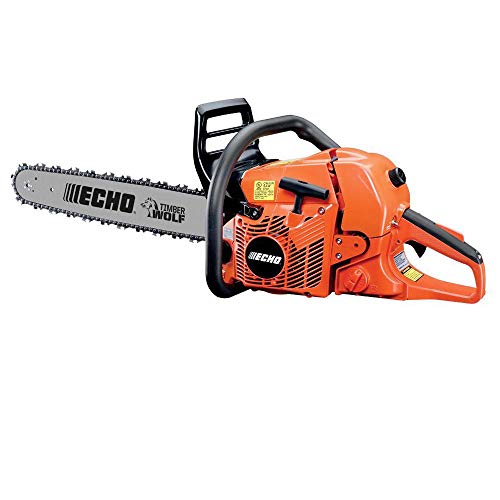
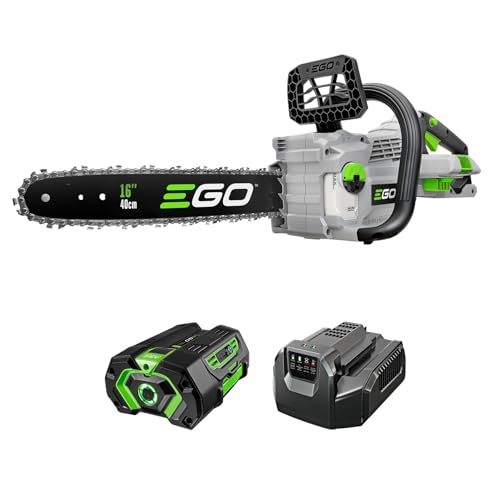

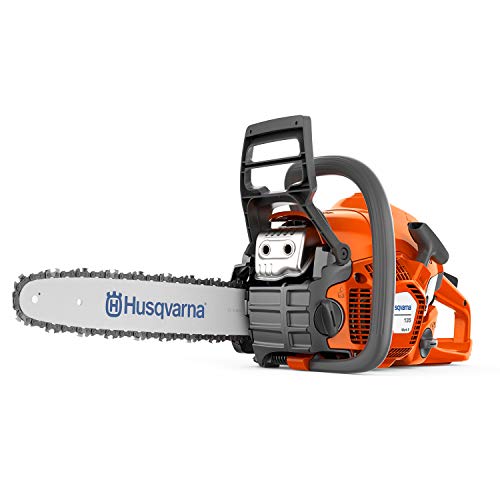


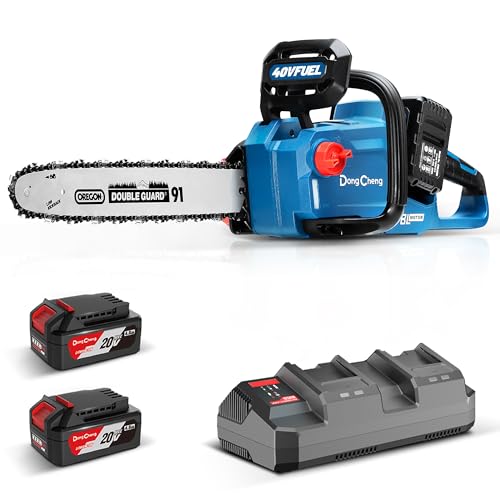
Types to Compare at a Glance
Under this cap you will mostly see three power types. Gas saws give you strong cutting power and freedom to work far from an outlet. Battery saws start at the push of a button and need less routine upkeep. Corded electric saws cost the least and run as long as an outlet is near, but the cord limits where you can work.
Bar length ties closely to price. Shorter bars around 14 to 16 inches suit pruning and small firewood. Bars around 18 to 20 inches handle larger logs and storm cleanup, but they add weight and demand more control.
Three Types Worth Your Money Under $500
Gas Saws for Power and Range
A gas saw is the strongest choice in this budget when you cut often, work far from the house, or split your winters around a wood stove. Engine size and bar length drive the price, and solid homeowner models sit well under $500. You do take on fuel mixing, air filter care, and more noise. In return you get steady power through dense hardwood and no battery to recharge between piles of logs.
Battery Saws for Ease and Quiet Work
A battery saw suits most suburban yards, where jobs come in short bursts and storage space is tight. You skip fuel, pull cords, and exhaust fumes, and the saw is ready the moment you click in a charged pack. If you already own tools on the same battery platform, a bare saw can save real money. Our guide to the best battery chainsaw explains platform choices in more depth. Run time is the main limit, so heavy firewood work may need a second pack.
Corded Electric Saws for Light Jobs Near Home
A corded electric saw is the lowest cost route for light pruning, small limbs, and cutting near the house or garage. Power stays steady, weight stays low, and upkeep is simple. The trade off is reach, since you must stay within cord range and keep the cord clear of the cut at all times. For a small yard, that limit may never bother you, and the savings can go toward an outdoor extension cord rated for the amp load of the saw.
How to Evaluate Saws in This Price Range
Judge each saw on the same five points so price tags do not mislead you. Look at build materials and how well the housing sheds rain and dust. Check size and capacity, meaning bar length and power for your wood. Note what assembly is needed before the first cut. Weigh durability signs such as a metal chain catcher, and read the warranty terms. Confirm that bars, chains, and filters are easy to buy near you.
Who Should Buy Which Type?
Homeowners With Seasonal Yard Work
If your cutting is mostly storm limbs, dead shrubs, and a few small trees each year, a battery or corded saw in the 14 to 16 inch range will feel light and calm to use. You will finish most jobs in an afternoon without fuel or fuss. Our guide to the best chainsaw for homeowners focuses on exactly this pattern of use. Choose a kit that includes the battery and charger unless you already own matching packs.
Firewood Cutters on a Budget
If you buck logs for a stove or fireplace each fall, favor a gas saw or a strong battery saw with an 18 inch bar. You need power that holds up through repeated cuts in oak and other dense wood, plus a chain you can sharpen or swap fast. Budget for files, bar oil, and at least one spare chain, because a dull chain slows you down more than a small gap in engine power ever will.
Pruning and Small Tree Care
If your work is branches, orchard care, and small saplings, a compact saw with a 12 to 14 inch bar gives you control in tight spots and less fatigue overhead. Some owners prefer a very small saw for ground level pruning only. Our guide to the best mini chainsaw covers those compact options. Never use a small saw as a ladder tool, and hire a trained arborist for limbs near roofs, fences, or power lines.
How to Choose the Right Chainsaw
Size and Form Factor
Match bar length to the thickest wood you cut often, not the largest log you might meet once. A bar should be at least two inches longer than the log diameter for a clean single pass on firewood rounds. Rear handle saws give you two handed control and suit ground work best. Top handle saws are built for trained climbers in trees and are a poor and risky choice for general yard use, so new buyers should pass on them.
Features Worth Paying For
An automatic oiler keeps the chain lubricated as you cut, and an adjustable oiler is even better for long bars. A tool free chain tensioner speeds up small adjustments in the field, though a standard stud and nut setup can hold tension very firmly. Look for a chain brake that stops the chain fast, spring assist starting on gas models, and vibration dampening that leaves your hands less tired. A carrying case matters less than the brake and oiler.
Weather Resistant Materials
Most saws in this range are tools for fair weather use, not rain work, and you should never cut in a storm or on wet, slick ground. What matters is how the saw resists damp air in storage. A sealed battery bay, rust resistant coatings, and a housing that wipes clean all help. Store the saw dry, and treat light rust on the chain early with oil and a brush.
Size for Your Space
Think about where the saw will live between jobs. A corded or battery saw can hang on a wall hook in a small garage with the bar cover on. A gas saw needs a ventilated spot away from living space, with fuel in an approved container apart from the saw. If you carry the saw up stairs, weigh it with bar, chain, and a full battery or fuel tank in mind.
Assembly and Safe Setup
Most saws arrive with the bar and chain detached or loose. Assembly means fitting the bar, seating the chain in the right direction, setting tension so the chain lifts slightly yet snaps back, and filling the oil reservoir. Read the manual for your model and follow its torque and tension steps exactly. Before the first cut, test the chain brake, wear gloves, eye and ear protection, and sturdy boots, and keep children and pets well away from the work area.
Care and Off Season Storage
Good storage protects your saw through months of rest. Drain or stabilize fuel in a gas saw as the manual directs, and store battery packs partly charged in a cool dry place. Clean sap and sawdust from the bar groove, oil the chain against rust, and fit the bar cover. Keep the manual and spare chain with the saw so spring setup takes minutes.
How Much Should You Spend?
Price tiers under this cap buy different things. At about $50 to $100 you get corded saws for light limbs. At about $100 to $200 you find starter battery kits and small gas saws. At about $200 to $300 bar length and power step up for regular firewood. At about $300 to $500 you gain stronger engines or larger battery kits and better brakes and oilers. Keep about $30 to $60 aside for oil, files, and safety gear.
What You Get and Give Up Under $500
Under $500 you can expect honest homeowner performance, bars up to about 20 inches, and warranties that cover normal home use. You give up the light housings, high output engines, and dealer service packages found on pro saws that cost far more. You may also give up speed on very large hardwood. For most homes that trade is wise, because the money saved covers years of chains, oil, and sharpening supplies.
Safety is one area where this budget does not force a compromise. Every saw you consider should have a working chain brake, a low kickback chain, and a hand guard. If a listing hides those details, skip that model no matter how low the price looks. Kickback can injure you in an instant, so training, a firm stance, and full protective gear matter more than any single feature.
FAQ
What is the best chainsaw under $500 for most homes?
There is no single answer, because the right saw depends on your wood and your power preference. For most homes, a 16 inch battery kit or an 18 inch gas saw covers the widest range of jobs. As a tie breaker, add up ownership cost over three years, including spare chains, bar oil, and a second battery if you need one. The best chainsaw under 500 dollars for you often has the lower total and parts you can buy locally.
Can you get a good chainsaw for under $500?
Yes. This budget covers the core needs of home cutting well, including sound brakes, automatic oilers, and bars long enough for most firewood. The limit shows up in daily pro use, where crews need faster cutting and same day parts support. If your work is weekly or seasonal, a saw under $500 should serve you for years with basic care and sharp chains.
How long does a chainsaw last?
The saw and the chain live on different clocks. A chain may need sharpening after a few hours of cutting and replacement once the teeth grow short, while the saw body can last a decade or more of home use. Life shortens fast when a saw runs with a dull chain, low bar oil, or a clogged air filter. Retire any saw with a cracked housing or a brake that fails its test.
Is a chainsaw worth buying instead of renting?
It can be, once your jobs repeat. Add up what two or three rental days would cost, plus the trips to return the tool. If you cut after most storms or process firewood each year, owning a modest saw often pays for itself within a couple of seasons. Renting still makes sense for a single large job, since the shop handles sharpening, fuel, and upkeep.
How do you clean a chainsaw after use?
Let the saw cool, remove the battery or disconnect the power source, and brush loose debris from the housing and bar. Wipe sap from the bar with a cloth, clear the oil ports, and check that the chain still turns freely by hand with gloves on. Our step by step guide on how to clean a chainsaw walks through filter and sprocket care as well. Clean the saw each time you finish, since packed sawdust holds moisture against metal parts.
What makes a chainsaw brand reliable?
Reliability comes less from a badge and more from support you can reach. Favor brands that stock bars, chains, and filters near you, publish clear manuals, and honor warranties through a real service network. A saw you can repair in a week beats a stronger saw that waits months for a part. Ask local shops which brands they service quickly before you spend near the top of this budget.
Final Thoughts
The best chainsaw under 500 dollars is the saw that fits your wood, your strength, and your storage space, with safety gear and supplies counted in the budget. Compare the types in the product table above, pick the power source you will maintain without dread, and size the bar for the work you do most. Chosen that way, a saw under $500 will clear your yard and stay ready season after season.