
Best Chainsaw Boots for 2026: What Actually Matters Before You Buy
Disclosure: We may earn a commission when you buy through links on this page, at no extra cost to you. As an Amazon Associate I earn from qualifying purchases. Learn more

Learn how to choose the best chainsaw boots with clear guidance on cut protection class, toe safety, grip, waterproofing, fit, and lasting comfort.
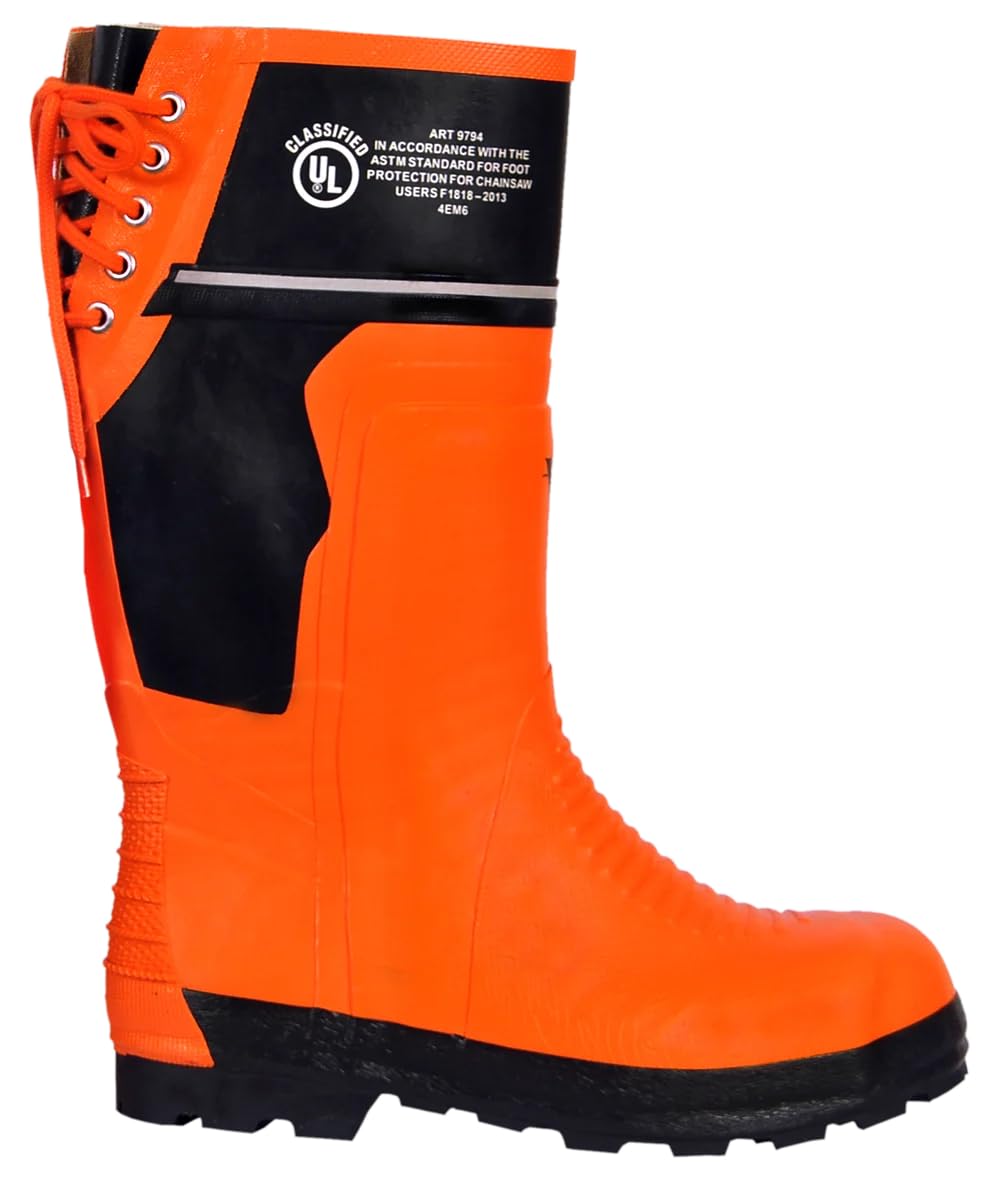
Running a saw on the ground puts the chain close to your feet on almost every cut, and ordinary work boots offer no real defense if the bar drops or kicks toward your boot. The best chainsaw boots add layers of protective fibers across the front of the foot, plus a safety toe, a gripping sole, and ankle support. This guide turns those features into a checklist you can use with the product table below, so you can match protection, height, and fit to your cutting.
Each section below explains one decision, what the ratings mean, what to check in person, and where buyers waste money or quietly lose protection. By the end, you will know which class you need, which style suits ground work or climbing, and how a pair should feel before you start the saw.


Who Should Buy Which Chainsaw Boots?
Start with the work, not the catalog photo. Hours on the ground, time in a tree, and the size of wood you cut all change the height, weight, and protection level that make sense.
Ground Loggers and Forestry Crews
You spend full days felling, limbing, and bucking, often on slopes covered in bark and brush. Look for taller leather boots with Class 2 or Class 3 protection, deep tread, firm ankle support, and a safety toe that shrugs off rolling rounds. If you are also replacing the saw itself, see our guide to the best chainsaw brands before you spend on protective clothing.
Arborists Who Climb and Do Ground Work
Your boots need to work with climbing spikes, hold your foot steady on small footholds, and still protect you during ground cutting between climbs. A slimmer shaft, flexible ankle, and less bulky sole usually suit you better than a heavy logger style. Many climbers accept a shorter boot life, since spikes and flexing age boots fast.
Landowners, Firewood Cutters, and Farm Users
You cut in shorter sessions, clearing storm damage, fencing lines, and winter firewood. Class 1 or Class 2 protection in leather or rubber covers most of this work well. Saving money on the saw is sensible, and our guide to the best budget chainsaw can help there, but the saving should move toward proper boots rather than away from them.
Key Features to Compare
Use the six checks below in order. Protection comes first, because a comfortable boot with the wrong class is still the wrong boot. The best chainsaw boots pass every check that matters for your work, not just the first one or two.
Protection Class and Protective Fibers
Chainsaw boots sold for serious cutting carry a class rating under standards such as EN ISO 17249. In laboratory testing, Class 1 resists a chain moving at 20 meters per second, Class 2 at 24 meters per second, and Class 3 at 28 meters per second. Under the outer material sit layers of long fibers. A moving chain tears those fibers loose, they wrap around the sprocket, and the chain stalls, giving you time to pull clear. Faster saws and professional work call for the higher classes. Chain condition affects how a saw behaves in the cut, so see our guide to the best chainsaw chains if you are matching a new chain to your bar.
Check the label inside the shaft for the class and standard before you pay. If a chain breaks the skin, stop work, clean and cover the wound, and get urgent medical care for deep cuts, bleeding that will not slow, numbness, or toes you cannot move.
Toe Cap and Underfoot Protection
A safety toe guards against injuries that happen without any chain contact, such as a dropped round or a shifting log. Steel caps handle heavy impacts and cost less, while composite caps weigh a little less in a slim boot. Some models add a puncture resistant plate in the midsole, worth having where nails and sharp stubs hide in the ground cover.
Height and Coverage Around the Ankle and Shin
Protective material covers the front of the foot and rises up the shin to a height that varies by model, so read the coverage diagram rather than trusting boot height alone. Taller shafts keep sawdust and brush out, support the ankle on side slopes, and protect more of the leg. Shorter boots feel cooler and lighter on flat ground. Either way, the protective zone should cover where a dropped bar would land.
Sole Grip and Stability on Uneven Ground
Deep lugs with an angled heel help you hold position on wet bark, mud, and loose slopes while the saw runs, and an open tread pattern sheds mud instead of packing smooth. A defined heel also steadies you when you brace a foot against a log. Smooth or shallow soles are a poor match for cutting, because most slips happen while you reposition, not while the chain is in the wood.
Waterproofing, Breathability, and Insulation
A waterproof membrane or well treated leather keeps ground water and wet sawdust out during morning work and rainy cleanup days. The tradeoff is heat, since membranes also slow the escape of sweat. Insulated models suit winter firewood work, when you stand in snow between cuts, but they feel stifling in summer. Rubber boots shed water completely and rinse clean, yet they breathe poorly and fit loosely at the heel.
Weight and Upper Materials
Leather uppers mold to your foot over the first weeks, hold laces precisely, and tolerate years of brushing and conditioning. Rubber uppers pull on fast, shrug off bar oil and mud, and need almost no upkeep, but they rarely match the close fit of laced leather. Weight adds up over a day on slopes, so a lighter boot in the right class often serves an occasional user better than the heaviest model.
How to Check the Fit of Chainsaw Boots Before You Buy
Try boots on with the thick socks you actually cut in, and measure both feet, since one is usually slightly larger. Standing with your full weight down, you want about a thumb width of space in front of your longest toe, a heel that lifts only slightly as you walk, and a shaft that feels snug without squeezing your calf. Sizes vary between makers, so compare your foot length in centimeters against the brand size chart instead of trusting your shoe size.
Fit also depends on how you stand while cutting. Limbing and bucking put your feet at angles on uneven ground, and bar length changes your stance and how close the chain works to your boots, so see our guide to the best chainsaw bars when you match a bar to the wood you cut most. Walk a slope or stairs and confirm your toes never press the front.
Before you order, run through this checklist and keep looking if any answer is no. Cost matters too, and our guide to the best chainsaw for the money helps you balance the saw budget against protective clothing, where boots alone often cost under $400.
- Does the label inside the shaft state a protection class and testing standard you can verify?
- Does the protective zone cover the front of your foot and the shin a dropped bar would reach?
- Could you walk a muddy slope in this tread without sliding at the first step?
- Is there a thumb width in front of your toes in your thickest work socks?
- Does the style match your main work, ground cutting, climbing, or short cleanup sessions?
- Can you exchange the pair if the fit feels wrong after an hour indoors?
Common Mistakes to Avoid
Most bad purchases come from treating chainsaw boots like ordinary work boots with a taller shaft.
- Choosing plain steel toe work boots with no cut protection, so a chain contact meets only leather and luck.
- Buying a lower protection class than your saw and work demand, so the fibers stall the chain too late.
- Ordering your shoe size without trying thick socks, so your toes jam on every downhill step.
- Wearing loose pull on boots on steep ground, so the heel slips and an ankle rolls under load.
- Trusting words like protective or forestry on the box without a class label, so you pay for a rating the boot never earned.
- Keeping a boot in service after visible chain damage, so torn fibers guard your foot on the next contact.
How to Make Your Chainsaw Boots Last Longer
After each cutting day, brush off packed sawdust and mud, paying attention to the lace area and the welt where the sole meets the upper. Rubber boots can be rinsed with water, while leather usually needs only a damp cloth and mild soap. Pull the insoles out and let everything dry slowly at room temperature. Direct heat from a stove or radiator cracks leather and weakens sole glues.
Once leather is dry, work in a conditioner to replace oils lost to water and bar oil, and check laces, eyelets, and sole edges for early separation. Store boots upright in a dry spot out of sunlight, with shafts open so air can move through them. Swap in fresh insoles when the originals pack down, since flat insoles make a good boot feel sloppy by midday.
FAQ
What protection class should chainsaw boots have for general firewood cutting?
Class 2 is a sound middle choice for most firewood and land clearing work with midsize saws. Class 1 suits light, occasional cutting with smaller saws, while professionals running powerful saws all day usually step up to Class 3. One detail many buyers miss is that some employers, insurers, and forestry contracts specify a minimum class, so check the rules for your work before choosing a lower rating.
Are composite toe chainsaw boots as safe as steel toe chainsaw boots?
Yes, composite toe chainsaw boots protect just as well when they carry the same impact and compression rating as a steel toe model. The differences are weight, bulk, and temperature, because composite does not conduct cold the way steel does during long winter sessions. Composite caps also suit sites with metal detectors or electrical work nearby. Choose by the printed rating, not by material assumptions.
Can chainsaw boots stop a running chain completely?
No, chainsaw boots cannot guarantee a full stop, and no rating promises an uninjured foot. The protective fibers are designed to stall the chain fast enough to turn a severe injury into a lesser one, and they work best against straight contact at or below the rated speed. Angled contact, heavy throttle, or fibers soaked with fuel and oil can reduce the effect. Treat boots as one layer alongside stance and attention.
How tight should chainsaw boots feel when you first try them on?
New chainsaw boots should feel snug through the heel and midfoot with clear space at the toes, never tight across the top of the foot. Leather models give a little as they shape to your foot, while rubber models keep the fit they have on day one. A useful extra test is to try boots late in the day, when feet are at their largest, and walk down a slope to check that your toes stay clear of the front.
When should chainsaw boots be replaced after the chain touches them?
Replace chainsaw boots right after any chain contact that cuts or tears the outer layer, even if your skin is untouched. The fibers that stalled the chain are spent in that spot, and the damage inside is often wider than the mark on the surface. Photograph the damage and keep the boots if your employer or insurer needs a record.
Final Thoughts
The right pair comes down to three decisions: the protection class your saw and work demand, a fit that stays secure on slopes with your real work socks, and tread that holds on the ground you cut most. Height, insulation, and upper material then fine tune the choice. Compare the options in the product table above, and the best chainsaw boots for your work will be the pair whose label, fit, and sole all check out before price enters the picture.


