
Best Chain Oil for Mountain Bike: A First Time Buyer's Guide for 2026
Disclosure: We may earn a commission when you buy through links on this page, at no extra cost to you. As an Amazon Associate I earn from qualifying purchases. Learn more

Shopping for chain oil for a mountain bike? Compare wet and dry formulas, viscosity, and riding conditions in this guide to choosing the right oil.
Buying chain oil for the first time can feel confusing, because the bottles look similar and the labels use terms that mean little to a new rider. The choice is simpler than it looks once you match the oil to where and how you ride, and this guide explains the basics in plain language.
The best chain oil for mountain bike use is the one that stays on your chain through your usual rides, keeps shifting smooth, and fits the way you like to maintain your bike. The product table below gives you a quick overview of the main types, and the sections that follow explain what each factor really means for a first time buyer.
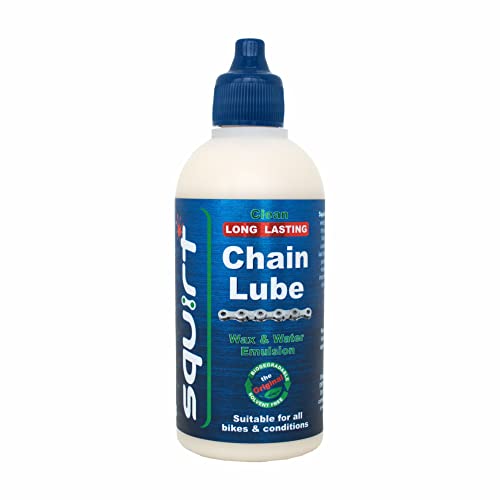
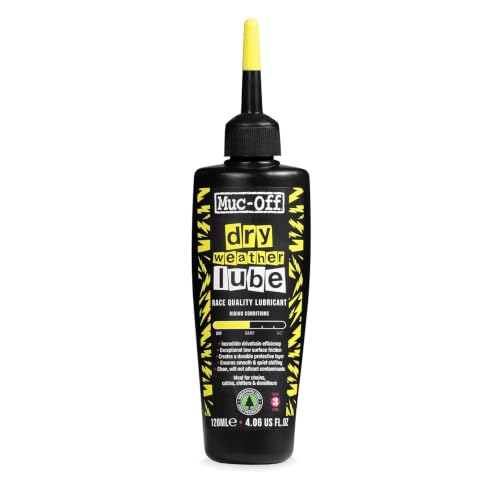
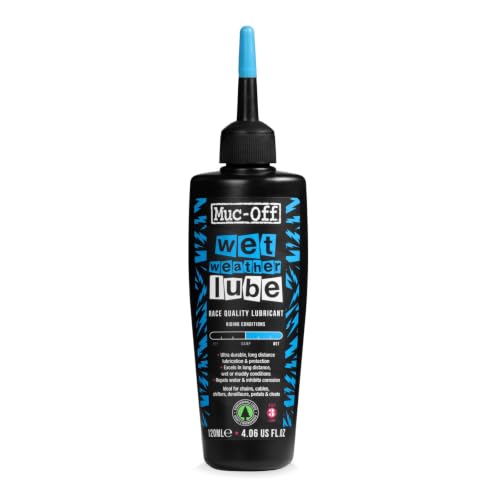


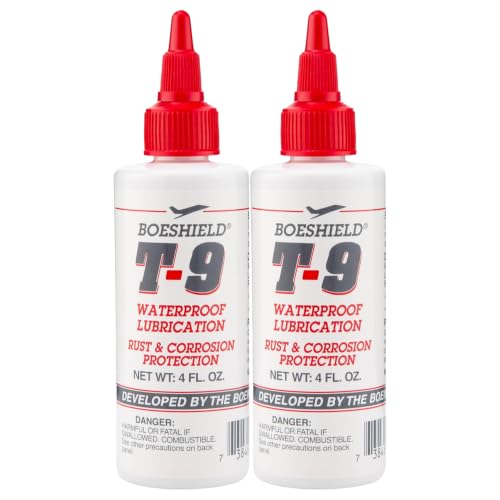


Chain Oils 101: The Basics
Chain oil, often called chain lube, is a lubricant made to reduce friction between the moving parts of a chain. As you pedal, the rollers, pins, and plates of the chain rub against each other and against the gears. Without oil, that rubbing creates wear, noise, and stiff links, and it can shorten the life of the chain and the gears it runs on. A thin film of oil lets those parts move smoothly and helps keep dirt from grinding directly into the metal.
Oil does not make a worn chain new again, and it cannot fix a chain that is already stretched or damaged. Its job is protection and smooth running between cleanings. That is why regular cleaning matters as much as the oil itself.
Who Should Buy Which Oil?
Dry Trail Riders
If most of your rides are on dry dirt, dusty trails, or paved paths in fair weather, a dry formula is usually the easiest starting point. Dry oils go on wet and then dry to a light film that picks up less dust. That matters on dusty trails, because grit stuck to a wet chain acts like sandpaper.
Wet and Muddy Riders
If you ride through rain, mud, stream crossings, or wet winter trails, a wet formula is the safer choice. Wet oils are thicker and stickier, so they resist being washed off. They do attract more dirt in dry conditions, which is why they are not ideal for everyone.
Casual and Commuting Riders
If you ride a few times a month, mostly on paths and light trails, an all weather formula can be a practical middle ground. It will not be the best at either extreme, but it removes the need to switch bottles with the seasons.
Choosing the Best Chain Oil for Mountain Bike Riding
Wet, Dry, and Wax Formulas
Wet oils stay liquid on the chain and cling well in rain and mud. Dry oils dry to a waxy or light film and stay cleaner in dust. Wax based oils also stay clean but need a very clean chain to work well. Choose based on your most common weather.
Viscosity and Staying Power
Viscosity is simply how thick or thin the oil is. Thicker oil tends to stay on the chain longer, while thinner oil penetrates into the small gaps between chain parts more easily. A very thick oil can attract dirt, while a very thin oil can wash off quickly.
Riding Conditions and Reapplication
How often you need to reapply depends on distance, weather, and trail surface. A dry oil may need reapplying sooner on long dry rides, while a wet oil may last longer in rain but need cleaning sooner because of built up grime. Check the chain before each ride: if it looks dry, feels rough, or sounds noisy, it is time to clean and oil it.
Application and Drying Time
Most drip bottles let you apply one drop to each link while you slowly turn the pedals backward. Some oils need time to set, especially dry and wax formulas, so apply them the evening before a ride when you can. Wipe off the excess after application, because oil left on the outside of the chain only collects dirt.
Compatibility With Your Drivetrain
Chain oil is generally made for bicycle chains, but it is worth checking that the bottle suits your setup. If you ride an electric mountain bike, follow the maker guidance for your drivetrain, since the extra torque can wear a chain faster. When in doubt, a standard bicycle chain oil is a safe starting point.
Rookie Mistakes to Avoid
- Using household oil or spray lubricant meant for other jobs, which can wash off quickly or attract dirt and damage seals.
- Oiling a dirty chain without cleaning it first, which traps grit inside the chain and speeds up wear.
- Leaving a thick coat of oil on the outside of the chain, which collects dust instead of protecting the moving parts.
- Choosing a wet oil for dusty trails, or a dry oil for constant rain, instead of matching the formula to your usual conditions.
- Over oiling after every short ride, which builds up a sticky layer that is harder to clean and does not help the chain.
Getting Started: Setup and First Use
Start with a clean chain. Wipe the chain with a rag, use a chain cleaner made for bicycles if the chain is dirty, and let it dry fully before you oil it. Then apply one drop per link while you turn the pedals slowly backward, and wipe off the excess with a clean rag.
After your first few rides, pay attention to how the chain sounds and feels. If the chain starts to sound dry or shifting feels rough, clean and oil it again. Clean and oil the chain on a regular schedule, and sooner after muddy or wet rides. Keep the bottle away from children and pets, and follow the maker safety guidance on the label.
For more on keeping the whole drivetrain in good shape, see our guide to the best mountain bike chain, which explains when a chain itself needs replacing rather than just oiling. You may also want to read our guide to the best mountain bike chain cleaner before your first deep clean.
Frequently Asked Questions
What features matter most in chain oils for mountain bike use?
The features that matter most are formula type, staying power, and ease of application. A wet formula suits rain and mud, a dry formula suits dust, and an all weather formula suits mixed riding. Staying power matters because an oil that washes off quickly leaves the chain unprotected. Look for a drip bottle with a precise tip, since it helps you apply one drop per link without waste.
How do I know when a mountain bike chain needs oil?
A mountain bike chain needs oil when it looks dry, feels rough to the touch, or makes more noise than usual while pedaling. You can also check after a wet or muddy ride, since water and mud strip oil faster than dry riding. Inspect the chain before each ride and after any ride in rain or mud, and the best oil for mountain bike riding in your conditions is the one you will actually reapply on schedule.
Can I use the same oil all year round?
You can use the same oil all year if you choose an all weather formula and accept that it will not be perfect in extreme conditions. Many riders do exactly that, especially if their local weather is fairly mild. Riders who face both dusty summers and muddy winters often keep two bottles and switch with the seasons. Either approach works, as long as you clean the chain when you switch formulas so the old oil does not trap dirt under the new coat.
How much oil should I apply to each link?
Apply one small drop to each link, turning the pedals slowly backward so every link passes the bottle tip. That is enough for the oil to work into the moving parts of the chain. After application, let the oil settle for a few minutes, then wipe the outside of the chain with a clean rag. If the chain still looks wet and shiny after wiping, you applied too much, and the excess will only attract dirt on the trail.
Does chain oil replace cleaning the chain?
No, chain oil does not replace cleaning. Oil added to a dirty chain mixes with grit and forms a grinding paste that wears the chain faster. Cleaning removes that grit so the fresh oil can protect clean metal. For light dust, a quick wipe with a rag may be enough, while muddy rides call for a proper wash and degrease, so think of cleaning and oiling as one job with two steps.
The Bottom Line
For a first time buyer, the smartest approach is to match the formula to your usual weather, start with a drip bottle that is easy to control, and build a simple routine of cleaning and oiling on a regular schedule. Do not chase the most expensive bottle or the thickest oil. The best chain oil for mountain bike riding is the one that fits your trails, your weather, and your maintenance habits, so use the product table above to compare types, then pick the formula you will actually keep using.


