
Best Chain Tensioner Mountain Bike by Budget: What Each Tier Delivers for 2026
Disclosure: We may earn a commission when you buy through links on this page, at no extra cost to you. As an Amazon Associate I earn from qualifying purchases. Learn more

Compare the best chain tensioner mountain bike options by budget, mounting style, spring tension and guide wheel quality.
Chain tensioners look like simple little parts, yet prices range from pocket change to the cost of a decent tire. The gap is real, but it is not always worth paying. This guide shows you what each price tier actually delivers, so you can find the best chain tensioner mountain bike setup for your frame without overspending.
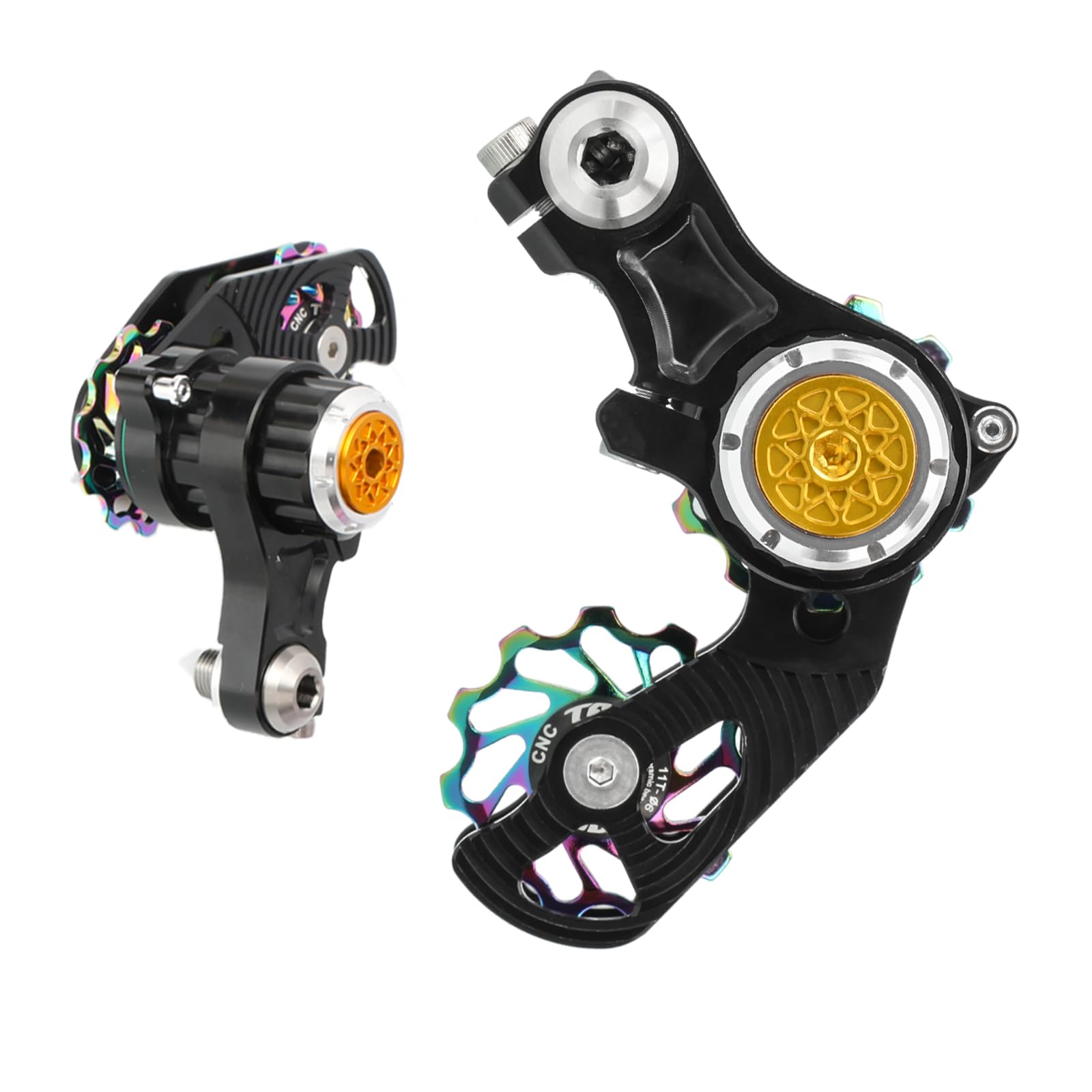
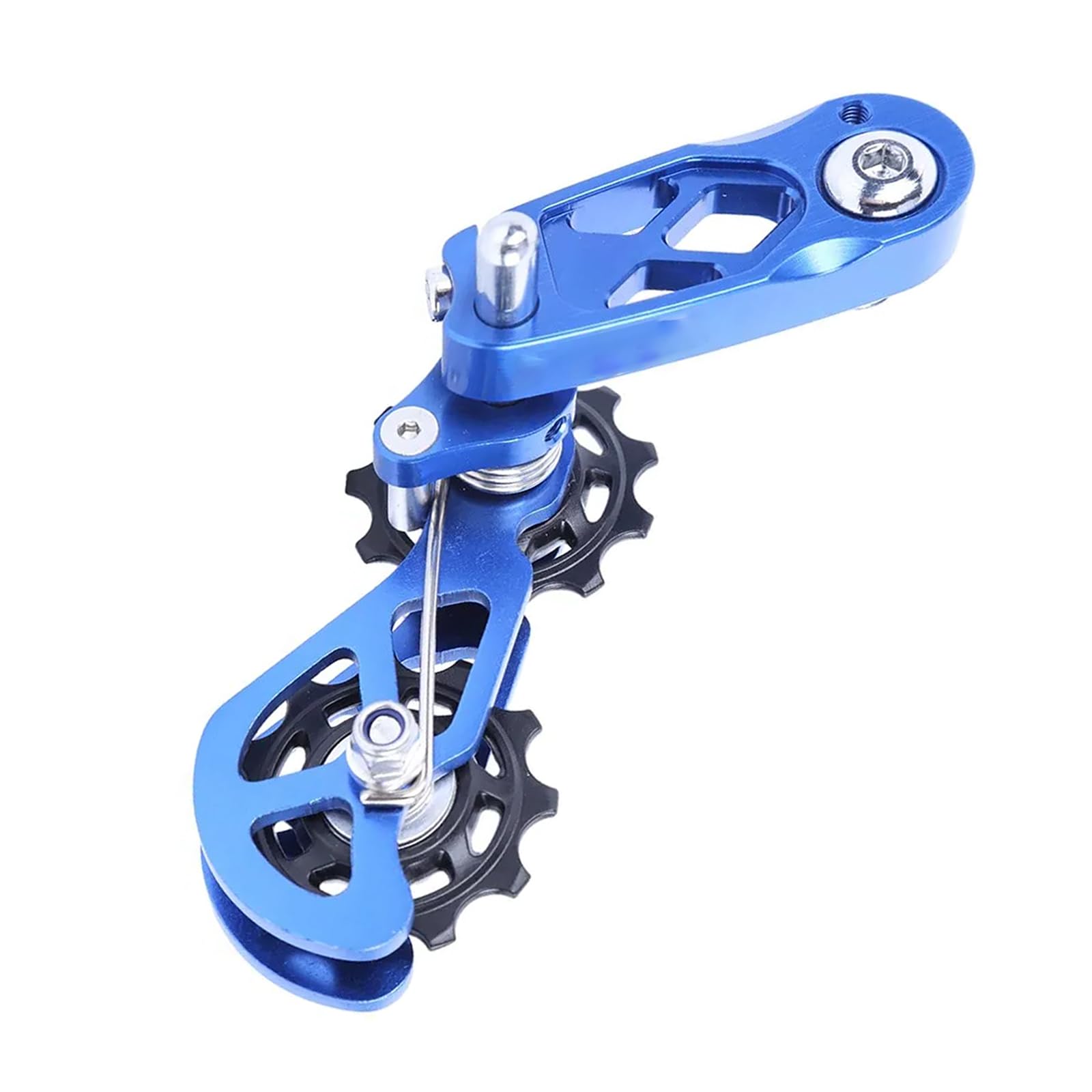
A tensioner does one job: it takes up chain slack on a bike that cannot move the rear wheel to set tension, usually a frame with vertical dropouts converted to a single speed. The product table below lists current options across the tiers, and the sections after it explain where the money goes.




Choosing the Best Chain Tensioner Mountain Bike Setup by Budget
Entry Tier
Budget tensioners, usually around $15 to $35, suit casual single speed conversions and gentle trail use. Expect a simple spring arm that bolts to the derailleur hanger, a single guide wheel, and basic steel or molded plastic parts. They hold tension fine on smooth terrain and quiet roads, and they are a sensible first step if you are trying single speed riding. The trade off is flex. Hard sprints and rough descents can let the arm bounce, which may drop the chain. If your riding is mostly mellow, this tier covers the job at the lowest total cost.
Midrange Tier
Midrange tensioners, around $35 to $70, are the sweet spot for regular trail riders. You typically get an alloy arm, a smoother spinning guide wheel with a sealed bearing, and firmer spring tension that stays composed over roots and rocks. Many models add a small range of spring adjustment, which helps you balance quiet running against extra drag. For a conversion you plan to ride weekly, this tier buys the reliability most people actually feel, without paying for race level hardware you may never notice.
Premium Tier
Premium tensioners, around $70 to $120, target riders who push hard on rough trails or run a single speed full suspension bike. You pay for stiff machined arms, larger guide wheels, stronger springs, and in some designs a dual wheel layout that wraps the chain more securely. These parts hold tension when the rear suspension moves and the chain bounces at speed. The gain is real but narrow. If your trails are smooth and your pace is relaxed, premium hardware will not change your ride the way better tires would.
Features Worth Paying For (and Ones to Skip)
Mounting Style and Frame Fit
Fit comes before features. Most tensioners mount at the derailleur hanger, which suits the great majority of converted frames. Others bolt near the bottom bracket or clamp to the chainstay, and those solve specific clearance problems. Check that your frame has the mount the design needs, and confirm the arm can reach your chainline. A tensioner also works as part of a system with your chain, so if the chain itself is worn, read our guide to the best mountain bike chain before blaming the tensioner for noise or skipping.
Spring Tension and Guide Wheel Quality
Spring strength is the heart of the device. Too soft, and the chain slaps and drops on rough ground. Too stiff, and you feel extra drag with every pedal stroke, plus faster wear on the guide wheel. Adjustable tension is worth paying for because it lets you find the middle ground for your terrain. Guide wheel quality matters almost as much. A toothed wheel with a sealed bearing tracks the chain quietly and lasts, while a plain smooth wheel is cheaper but wears grooves and gets loud.
Weight and Components Upgrade Path
Tensioners weigh little, and the gap between tiers is a handful of grams, so never pay a premium for weight alone. The smarter upgrade question is what the device lets you change later. Models with replaceable guide wheels and springs can be refreshed for a few dollars instead of replaced whole. Also check that the tensioner can handle the chain width you run, because a device bought for one setup may not suit a wider single speed chain later. Plan the whole drivetrain, including the chain and cog, as one purchase.
Bike Type and Riding Style
Your bike type decides how hard the tensioner works. On a hardtail, chain length stays fixed, so almost any tensioner copes. On a full suspension bike, the distance between chainring and cog grows as the suspension compresses, and the tensioner must absorb that growth smoothly, which demands a longer arm and a stronger spring. Riding style matters too. Smooth spinners can run light tension, while riders who charge rocky descents need maximum control. If you ride an electric mountain bike conversion, motor torque adds load, and pair it with a chain rated for motor use, as covered in our guide to the best chain for e mountain bike.
Long Term Costs to Factor In
The purchase price is only part of the cost. Guide wheels wear and need replacement, springs lose strength over a few seasons, and a neglected tensioner lets the chain bounce enough to wear the cog and chainring faster. Budget a small amount each year for a fresh guide wheel and chain care. Speaking of care, the right lube keeps the whole system quiet, and our guide to the best lubricant for mountain bike chain explains your options. A periodic deep clean helps too, as covered in our article on the best mountain bike chain cleaner. Midrange parts usually win on total cost, because they need fewer replacements than budget parts.
FAQs
Do I need a chain tensioner on my mountain bike?
Only if your bike is a single speed conversion on a frame with vertical dropouts, or if you run a hub gear with no derailleur. Frames with horizontal or sliding dropouts can set chain tension by moving the rear wheel, and geared bikes use the derailleur.
What is the difference between a chain tensioner and a chain guide?
A tensioner takes up slack in the chain, while a chain guide keeps the chain on the chainring over rough ground. Some riders use both, and they solve different problems.
Will a tensioner fit my frame?
Most single speed tensioners mount at the derailleur hanger, which suits the majority of frames, and a few mount elsewhere. Check that your frame has the hanger the design needs and that the arm can swing without touching the chainstay or tire.
Why does my chain still drop with a tensioner?
The usual causes are a weak spring, a chainline that is out of line, a worn chain or cog, or a chain that is too long. Check each of those before you replace the tensioner.
Do tensioners work on full suspension bikes?
They can, but chain length changes as the suspension moves, so the arm and spring must absorb that growth. Choose a longer arm model and expect a longer setup session. A hardtail is the simpler place to start.
The Bottom Line
Match the tensioner to your frame first, then to your terrain. Most riders should buy in the midrange tier, where sealed bearings, a stiff arm, and adjustable spring tension solve nearly every problem. Go premium for full suspension or rough trails, and go budget only for gentle use. The best chain tensioner mountain bike choice is the one that fits your dropouts and keeps the chain quiet on your trails. Check the product table above to compare the tiers side by side.


