Best Budget Chainsaw: A Practical Buying Guide for 2026
Disclosure: We may earn a commission when you buy through links on this page, at no extra cost to you. As an Amazon Associate I earn from qualifying purchases. Learn more

Choose the best budget chainsaw for firewood and yard cleanup with guidance on bar length, power source and safety features.
A chainsaw is one of those tools you rarely need every week, but when a storm drops a limb across your driveway or your firewood pile runs low, nothing else does the job as fast. The good news is that a best budget chainsaw does not have to mean a weak or flimsy saw. Entry level models from established makers can cut firewood, prune thick branches, and clear small trees without draining your wallet.
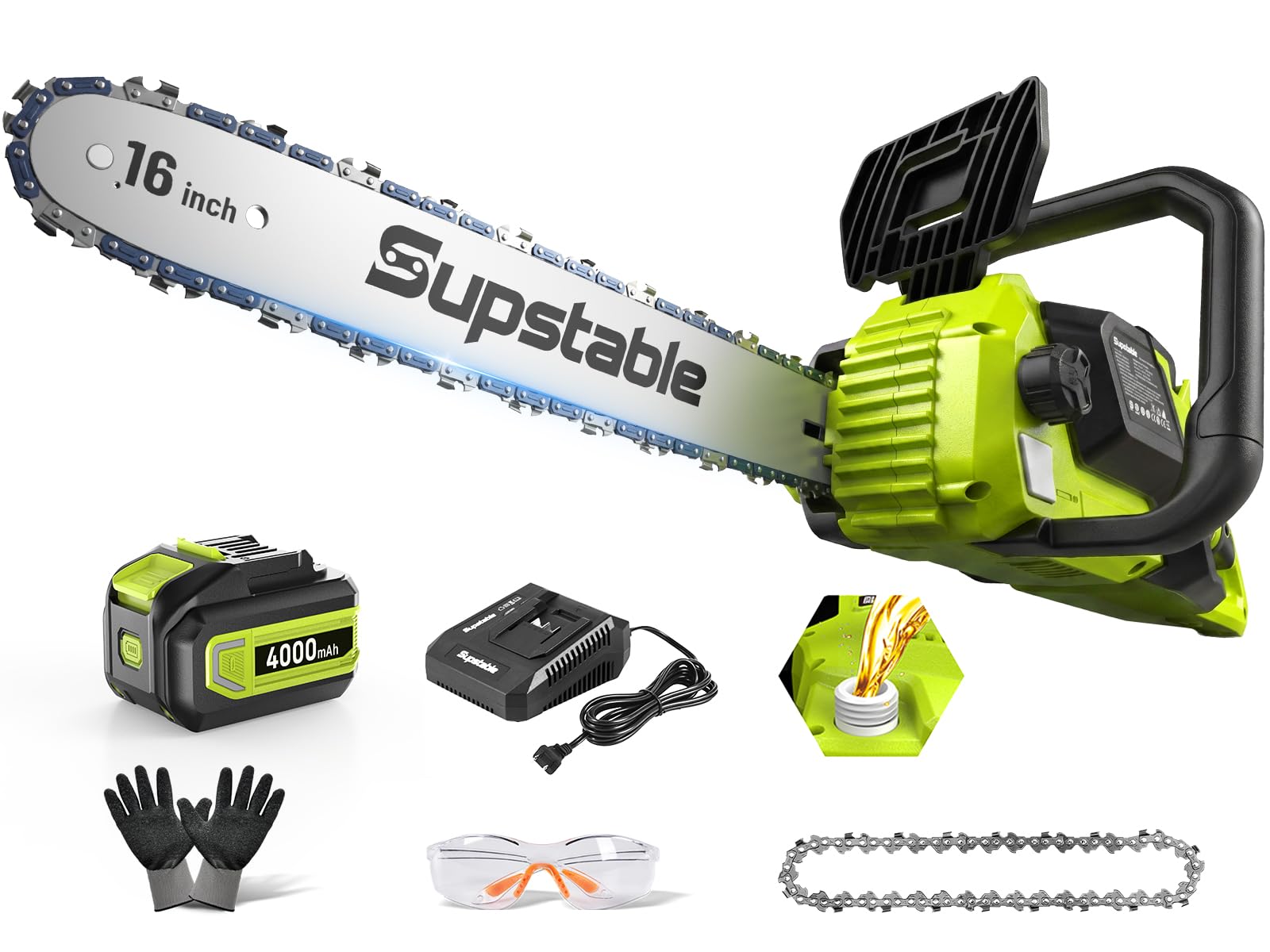
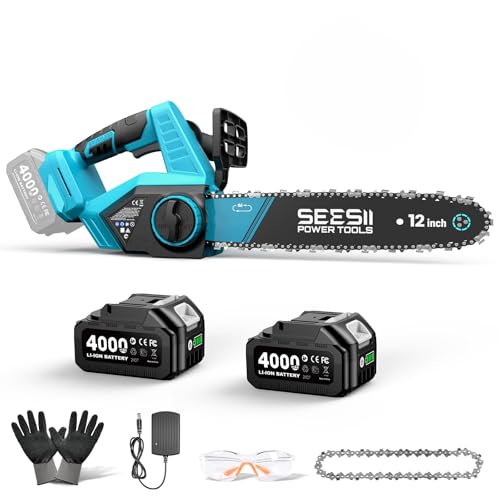
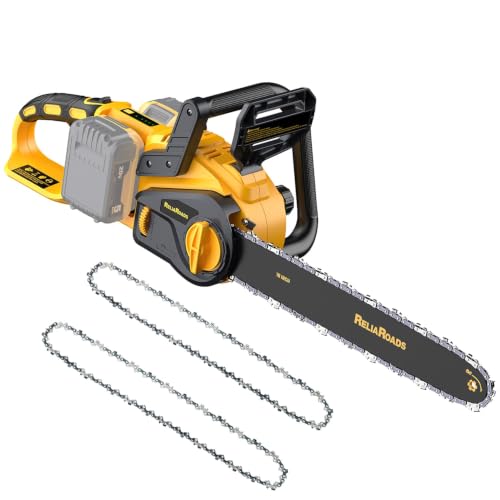
This guide walks you through the decisions that actually matter at a low price, including power source, bar length, safety gear, and the corners you should never cut. Start with the comparison table below to compare the main types, then read on to match a saw to the work you really do.
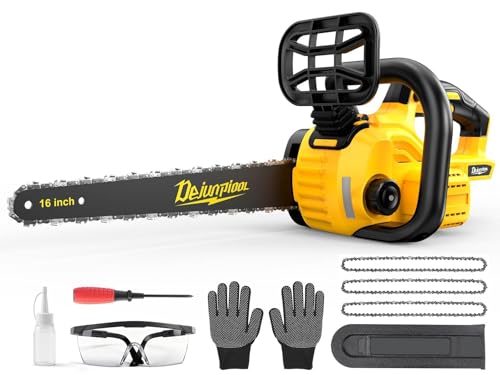
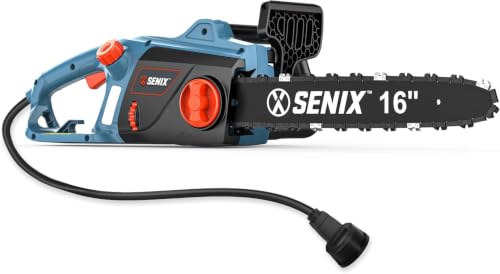

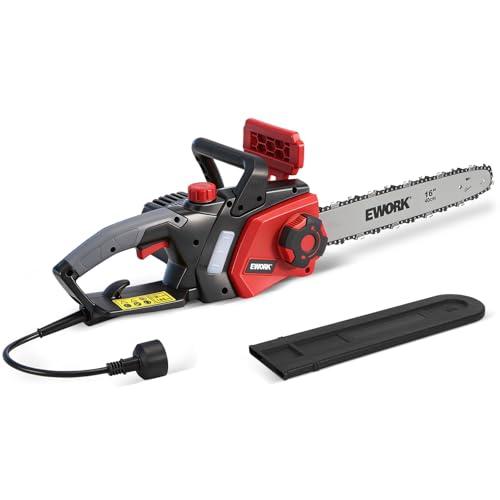
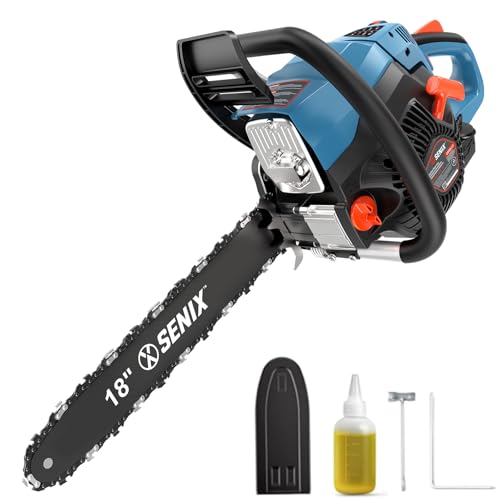
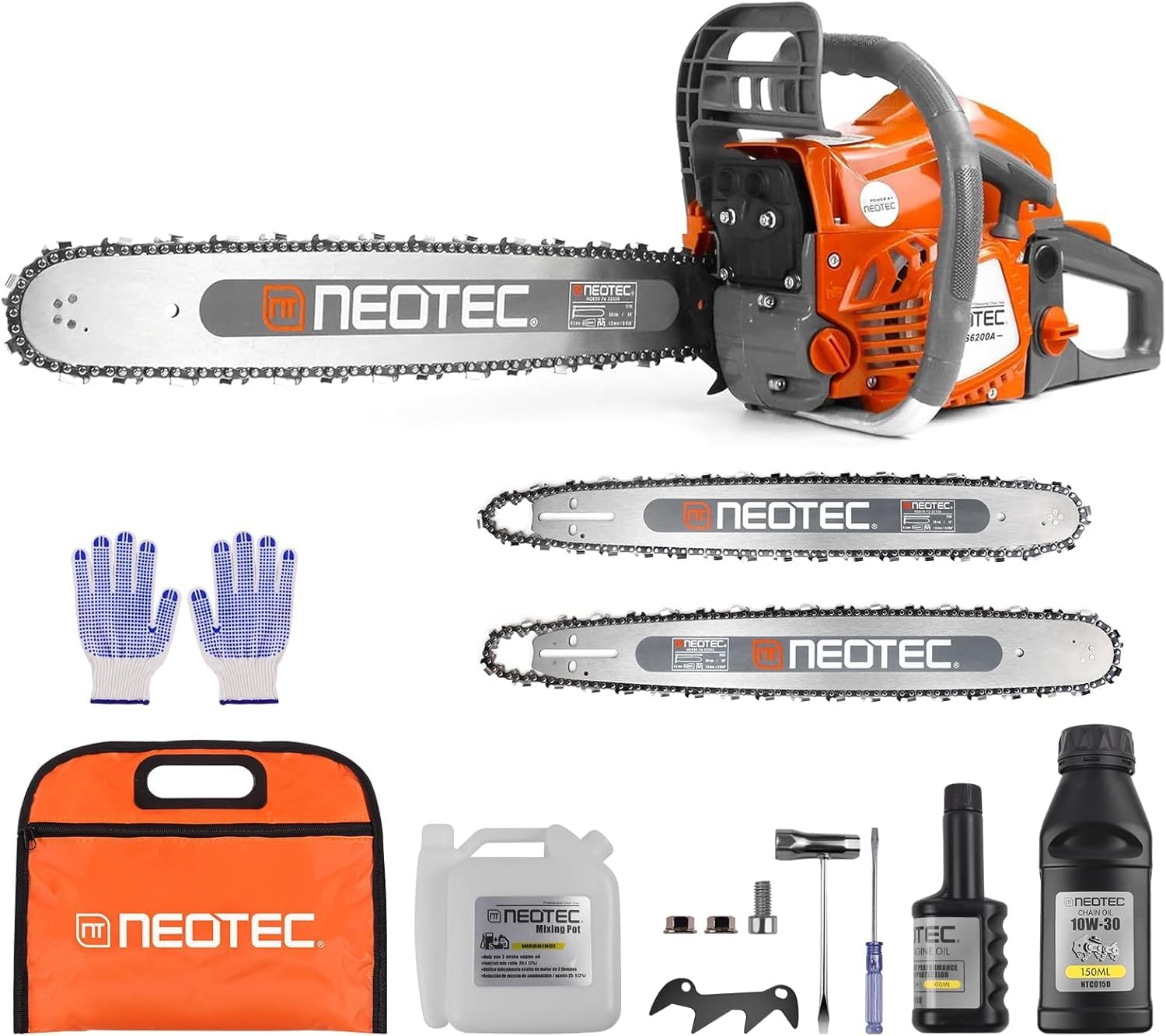

Who Should Buy a Budget Chainsaw?
Homeowners Clearing Storm Debris and Pruning
If your cutting is mostly fallen limbs, thick pruning, and the odd small tree after a storm, a budget saw is usually all you need. A bar around 14 to 16 inches handles branches up to about 12 inches across, which covers most yard cleanup. Look for a saw that starts easily and feels light enough to control overhead work from the ground, since tired arms make sloppy and unsafe cuts.
Firewood Cutters Working Through Modest Piles
Cutting firewood asks more of a saw than pruning does, because you repeat the same cut dozens of times in a session. If you process a few cords a year from logs under 14 inches, a budget model with a 16 to 18 inch bar and a sharp chain can keep up well. Runtime or fuel capacity matters here, so battery shoppers should budget for a second battery, and gas shoppers should value easy starting over raw power.
Occasional Users and First Time Saw Owners
If you cut only a few times a year, paying for professional grade durability rarely pays off. A simple budget saw with clear controls, an automatic chain oiler, and a tool free chain tensioner is easier to learn on and easier to maintain. Spend part of what you save on protective gear, because a new user benefits far more from chaps, gloves, and eye protection than from extra engine power.
Key Features to Compare
What You Can Realistically Get on a Budget
Most budget chainsaws sell for about $100 to $250, and at that level you get a capable saw with a few compromises. Expect a shorter bar, a simpler carburetor or a smaller battery, and more plastic in the housing than on premium models. What you should not give up is a working chain brake, a low kickback chain, and a reliable chain oiler, because those parts protect you and the saw on every cut.
Shoppers comparing value across the whole market often find it helpful to read our guide to the best chainsaw for the money alongside this one. That comparison shows where stepping up in price actually buys you something, such as a magnesium housing or a stronger motor, and where it only buys a badge. On a tight budget, that perspective helps you spend on cutting ability first and cosmetics last.
Power Source: Battery, Gas, or Corded
Gas powered models still deliver the most cutting power per dollar and run as long as you have fuel, but they need fuel mixing, pull starting, and more upkeep. Battery models start with a button, run quietly, and share batteries with other yard tools, though runtime depends on amp hour capacity and heavy cuts drain packs fast. Corded electric models cost the least and never need charging, yet the cord limits your range to the length of a heavy duty outdoor extension cord.
Brand ecosystems matter more at this price than most buyers expect. A battery saw is a far better deal when its packs also fit your trimmer and blower, and a gas saw is easier to own when local shops stock its parts. If you want a quick overview of which makers support their entry level lines well, see our guide to the best chainsaw brands before you commit to one system.
Bar Length and Cutting Capacity
Bar length sets the largest log you can cut in one pass, and the useful rule is that the bar should be at least two inches longer than the wood you cut most often. A 14 inch bar suits pruning and small firewood, 16 inches covers most homeowner work, and 18 inches helps with larger rounds and small tree felling. Bigger is not automatically better, because a long bar on a small motor strains the engine, slows the chain, and makes the saw nose heavy and tiring.
Motor Power, Voltage, and Chain Speed
On gas saws, engine size in cubic centimeters tells you the rough power class, and most budget models fall between 35 and 45 cc, which is enough for logs up to about 14 inches. On battery saws, voltage describes the platform rather than the cutting force by itself, so compare voltage together with amp hour rating and whether the motor is a brushless motor, which runs cooler and wastes less battery under load. Chain speed matters too, because a fast moving chain cuts cleanly instead of grabbing and bouncing in the kerf.
Safety Features You Should Never Skip
Every budget saw you consider should have a chain brake that stops the chain when the front hand guard is pushed forward or when kickback throws the bar upward. A low kickback chain, a hand guard, and a chain catcher pin are equally important, and none of them should be treated as optional extras. Before felling anything, scan the canopy for dead hanging limbs, which loggers call widow makers, and stay clear of any you find.
Your own gear is part of the safety system. Wear chainsaw chaps, sturdy boots, gloves, eye protection, and hearing protection every time you cut, even for a single branch. Stop and get professional help if a tree leans toward a house, a road, or a power line, or if you feel unsure about where it will fall, because a tree service costs far less than the damage from one bad fall.
Weight and Balance
A budget saw typically weighs between 8 and 14 pounds with the bar fitted and the tank or battery in place, and that weight sits in your hands for every cut. A saw that balances near the front handle feels lighter in use than a nose heavy saw of the same weight, so hold display models when you can. Lighter saws reduce fatigue and improve control, which matters most for pruning and for anyone with limited grip strength.
Types of Budget Chainsaws
Every candidate you are considering falls into one of three families, and the best budget chainsaw for your property is the one whose strengths match where and how often you cut. The short profiles below show what each family does well and where it falls short.
Corded Electric Models
Corded electric models are the cheapest way into chainsaw ownership and need almost no upkeep beyond chain oil and sharpening. They deliver steady power for pruning and small firewood near the house, and they start instantly in any weather. Their weakness is reach, since you work within about 100 feet of an outlet, and you must manage the cord so it stays behind you and clear of the chain.
Gas Powered Models
Gas powered models remain the budget choice for cutting far from the house, processing serious firewood, or dropping small trees. They refuel in seconds and hold power through long cuts in dense hardwood. The trade off is maintenance, including fresh fuel, air filter cleaning, and spark plug changes, plus noise and exhaust that your neighbors will notice on a quiet morning.
Cordless Battery Models
Battery models have become the default budget pick for suburban yards because they are quiet, light, and ready the moment you pull the trigger. A 40 volt or higher platform with a 4 amp hour battery handles typical pruning and a modest stack of firewood per charge. They cost more than corded saws once spare batteries are counted, and cold weather shortens runtime, so plan your cutting sessions accordingly.
Common Mistakes to Avoid
- Buying the longest bar on the shelf, which leaves you with a nose heavy saw that strains its small motor on ordinary logs.
- Skipping protective chaps and eye protection to save money, which trades a small saving for a serious injury risk.
- Running a dull chain and forcing the cut, which overheats the bar, wears the motor, and makes kickback more likely.
- Letting the chain run dry because you forgot to check the bar oil, which can ruin the bar and chain in a single session.
- Cutting with a loose chain that can jump off the bar, or an overtightened chain that binds and wears out the sprocket.
- Tackling a leaning tree near a house or power line yourself instead of hiring a professional crew for that one job.
How to Make Your Budget Chainsaw Last Longer
Chain care decides how well any budget saw cuts. Sharpen the chain whenever it starts throwing dust instead of chips, keep the depth gauges filed to the maker specification, and check chain tension before every session so the chain sits snug against the bar without binding. A sharp chain also protects the motor, because the saw feeds itself instead of being forced through the wood.
Keep the bar oil reservoir filled with proper bar and chain oil, and confirm oil is flowing by holding the running saw over a light surface and watching for a fine line of oil spray. Clean sawdust and sap from the bar groove, the sprocket, and the air filter after each use, since packed debris traps heat and moisture. Flip the guide bar regularly so both edges wear evenly, and replace the chain when the cutters become too short to sharpen safely.
Storage habits matter between seasons. Drain fuel from a gas saw or run it dry before long storage so the carburetor does not gum up, and store batteries indoors at room temperature with a partial charge rather than fully drained. Keep the saw in its case or with the bar cover fitted, in a dry spot out of reach of children, and inspect the chain brake before the first cut of every new season.
Frequently Asked Questions
How long does a battery last in a budget cordless chainsaw?
A typical 4 amp hour battery gives roughly 30 to 45 minutes of active cutting in a budget cordless chainsaw, enough for dozens of cuts through small logs. Actual runtime drops in dense hardwood and cold weather, and rises when you cut softwood branches. One practical trick is to rotate two batteries and let a hot pack cool before recharging, since charging a hot battery shortens its overall life.
Is a gas or battery chainsaw better for a small yard?
A battery chainsaw is usually better for a small yard because it starts instantly, runs quietly, and needs no fuel storage. Gas makes sense only if your small yard still produces heavy firewood work or frequent storm cleanup with thick trunks. Battery owners should also check local noise rules less often, since many neighborhoods restrict early morning gas tool use but say nothing about quiet electric saws.
What bar length should I choose for a first chainsaw?
Choose a 14 or 16 inch bar for a first chainsaw, since that size covers most pruning and firewood while staying easy to control. Longer bars add weight at the nose and tempt new users into cuts beyond their skill. As a bonus, shorter bars use shorter and cheaper replacement chains, and they are easier to keep balanced when you cut at awkward angles while standing firmly on the ground.
Is a budget battery chainsaw powerful enough for firewood?
Yes, a budget battery chainsaw is powerful enough for firewood when the logs stay under about 12 inches and the chain stays sharp. It will cut more slowly than a gas saw in big hardwood rounds, and you may swap batteries during a long session. Cutting partially seasoned wood is noticeably easier than cutting fully green logs, so letting rounds dry for a few months makes a small saw feel much stronger.
How often should I sharpen a budget chainsaw chain?
Sharpen the chain as soon as the saw throws fine dust instead of coarse chips, which can happen after only a few hours of cutting dirty or frozen wood. A few strokes with the correct round file on each cutter restores the edge in minutes. Hitting soil, stones, or a hidden nail dulls a chain instantly, so keep a spare sharp chain on hand and swap it rather than pushing through with a ruined edge.
Final Thoughts
Buying well at this price comes down to three things: match the power source to where you cut, choose a bar length that fits your typical logs rather than your biggest one, and never trim the safety budget. Compare the models in the product table above against those priorities, and spend anything left over on chaps, bar oil, and a spare sharp chain. Chosen that way, a best budget chainsaw will clear storm debris, stack your firewood, and start reliably for seasons to come.