
Best Chain for Single Speed Mountain Bike: A First Time Buyer's Guide for 2026
Disclosure: We may earn a commission when you buy through links on this page, at no extra cost to you. As an Amazon Associate I earn from qualifying purchases. Learn more

Shopping for the best chain for single speed mountain bike for the first time? Learn the key terms, widths, and checks in this plain English buying guide.
Buying your first single speed chain feels harder than it should, because the boxes use terms that nobody explains. This guide fixes that. It starts with what a chain actually does, then walk through the few specs that decide whether the best chain for single speed mountain bike setups fit your bike, stay quiet, and last.
You do not need to memorize the whole drivetrain world. You only need to match the chain width to your cog and chainring, buy the right length, and set the tension correctly. The product table below gathers current options, and the sections after it show you how to judge them with confidence.


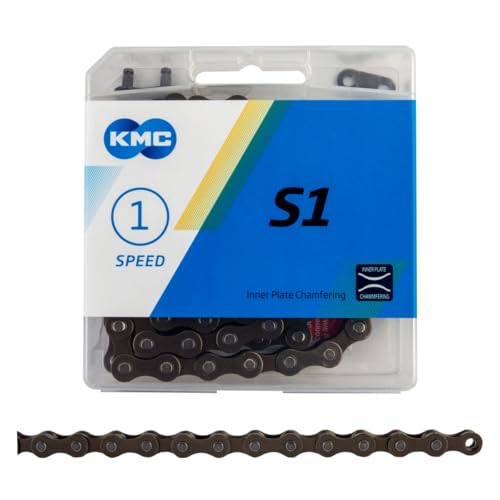
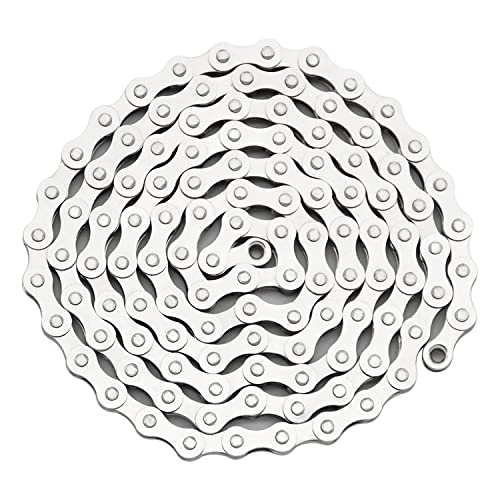


Chains 101: The Basics
A chain is a loop of steel links that carries power from the chainring at your pedals to the cog on the rear wheel. Every link has outer plates, inner plates, rollers, and pins. As you pedal, the rollers settle into the teeth of the cog, and the loop pulls the wheel around. Simple idea, exact fit.
On a geared bike, a derailleur keeps the chain tight. On a single speed, nothing does that job for you. The chain itself, plus the sliding dropouts or tensioner on your frame, must hold steady tension with no help. That is why single speed chains are built a little sturdier than geared chains, and why choosing the right one matters more than most new riders expect. If you are still choosing the bike itself, start with our guide to the best single speed mountain bike and come back here once you know your cog size.
Key Specs of the Best Chain for Single Speed Mountain Bike Setups
Features That Matter for Single Speed Mountain Bike
Width is the first spec to check. Single speed cogs and chainrings come in two common tooth thicknesses, and the chain must match. A chain built for a 1/8 inch setup will not sit right on a 3/32 inch cog, and the mismatch causes noise, fast wear, and dropped chains. Look at your current cog or its packaging before you order anything.
Next, look at plate strength and pin construction. Because one gear does all the work, your legs put full torque through a single cog, so solid pins and thicker plates resist stretching under hard climbs. A rust resistant coating also helps, since trail mud and hose water reach the chain on every ride. Geared bikes use narrower chains, which is why the guidance in our article on the best chain for 7 speed mountain bike does not transfer directly to your setup.
Bike Type and Riding Style
Your riding style changes how much abuse the chain takes. Cross country riders pedal long, steady miles, so smooth running and lower weight matter most. Trail riders add standing climbs and short, hard bursts, which ask for stronger plates and pins. Riders who session jumps or pump tracks load the chain in sudden spikes, so they should favor the strongest construction they can find.
Commuters on single speed bikes have a different priority again. Their chains live outdoors, get wet often, and need coatings that shrug off grime between cleanings. Think about your honest weekly riding, not your best day, and let that decide how much chain you need to buy.
Wheel Size and Tires
Wheel size does not change which chain width you need, but it can change how many links you need. Many 29er frames have longer chainstays to fit the bigger wheel, and a longer run from chainring to cog takes a longer chain. If you are building up a big wheel setup like those in our guide to the best single speed 29er mountain bike, count links rather than guessing.
Tires matter in a smaller way. Wide tires and mud can crowd the chain near the chainstay on some frames, so a chain with smooth outer plates and a good coating sheds grime better. Tubeless setups do not affect the chain at all, so spend your attention on length and width instead.
Weight and Components Upgrade Path
A chain is one of the cheapest places to save a little weight, but the gains are small. Lighter chains use drilled plates or hollow pins and can drop a modest amount compared with a basic chain. For most first time buyers, durability is worth more than those grams, because a worn chain that skips under power is a safety problem, not just an annoyance.
Think about the upgrade path as a system. Your chain, cog, and chainring wear together, so replacing all three at once restores quiet, crisp pedaling. If you plan to change gearing later, our overview of the best single speed mountain bike crankset explains how chainring choices pair with the chain you buy today.
Frame Material and Geometry
Frame design decides how you set chain tension. Bikes with horizontal dropouts or sliding dropouts let you move the rear wheel back until the chain is snug, and they suit a plain chain with no tensioner. Vertical dropouts cannot do that, so those frames need a separate tensioner device to take up slack.
Material plays a smaller role. Steel frames flex a touch more under hard pedaling, aluminum frames feel stiffer, and carbon frames sit between, yet none of this changes the chain spec you should buy. Chainstay length matters more, since longer stays need more links. Many riders pair a simple steel or aluminum hardtail, like the ones in our guide to the best single speed hardtail mountain bike, with a sturdy chain and nothing else.
Rookie Mistakes to Avoid
- Buying the wrong width. A chain that does not match your cog thickness will rattle, wear fast, and may drop. Measure or read the cog spec before ordering.
- Guessing the length. Too few links can pull the wheel forward in the dropouts, and too many leave slack you cannot remove. Size the chain on the bike, not by the box count.
- Running a worn cog with a new chain. A hooked, worn cog makes even a fresh chain skip under load. Inspect the teeth and replace the cog if the points look sharp or bent.
- Setting tension by feel alone. A chain that feels fine in the stand can bind at the tight spot of the chainring. Check tension at several points in the pedal stroke.
- Skipping lube after wet rides. Water strips lube and invites rust within a day or two. Dry the chain and add fresh lube after every wet or muddy ride.
Getting Started: Setup and First Use
Start by wrapping the new chain around the chainring and cog, then pull it snug and mark where the ends meet. Most single speed chains include a connector link, so you can join and remove the chain without special tools. Leave just enough length that the wheel sits near the middle of the dropout range, which gives you room to adjust as the chain wears.
Set the tension so the chain has a little play at the midpoint of the lower run, neither tight nor floppy. Spin the cranks slowly and watch for a tight spot, since few chainrings are perfectly round. Before every ride, check your tire pressure and give the chain a quick look for stiff links or rust. Clean and lube the chain regularly, and sooner after mud, and your first chain will last far longer.
FAQs
What features matter most in chains for single speed mountain bike?
Matching width matters most, because a chain built for a 1/8 inch cog will not run well on a 3/32 inch cog. After width, look at plate and pin strength, since one gear carries all your pedaling force. A rust resistant coating is the third priority for trail use. Also confirm the chain comes with a connector link, because that makes removal for cleaning much easier.
How do I know if my chain is 1/8 inch or 3/32 inch?
Check the markings on your cog or chainring, or the packaging of the parts you bought. Single speed and BMX style parts are commonly 1/8 inch, while geared drivetrains use the narrower 3/32 inch size. If you cannot tell, a bike shop can compare your old chain with a new one in a minute.
Do I need a chain tensioner on a single speed mountain bike?
Only if your frame has vertical dropouts. Frames with horizontal or sliding dropouts let you move the wheel back until the chain is snug, so a plain chain works. Our guide to the best chain tensioner mountain bike covers the options for frames that need one.
How often should I replace a single speed chain?
Replace it when a chain checker shows wear at the maker limit, or when the chain starts to skip or sound rough even after cleaning. Replacing the chain, cog and chainring together keeps pedaling quiet. Muddy and wet riding wears chains faster, so check more often in those conditions.
Can I use a geared bike chain on a single speed?
Usually not. Geared chains are narrower, so they sit loosely on a single speed cog and tend to be noisy and drop off. Buy a chain rated for single speed or BMX style parts and match its width to your cog.
Final Thoughts
Keep the decision simple. Match the chain width to your cog, buy enough length for your frame, and choose strong plates and pins with a coating that suits your weather. Set the tension carefully, keep the chain clean, and it will reward you with quiet, simple miles. The best chain for single speed mountain bike for you is the one that fits your gearing exactly and suits how you ride. Compare your shortlist against the product table above, and enjoy the simplest drivetrain on the trail.


