Best Chainsaw Bars for 2026: Complete Buying Guide
Disclosure: We may earn a commission when you buy through links on this page, at no extra cost to you. As an Amazon Associate I earn from qualifying purchases. Learn more
Learn how to choose a chainsaw bar by length, mount, pitch, gauge, nose type, and material, so the bar fits your saw and suits your cutting jobs.
A worn or poorly matched bar can make a good saw feel slow, rough, and hard to control. The best chainsaw bars are not simply the longest or toughest bars on the shelf. They are the bars that fit your saw, match your chain, and suit the wood you cut most often, and this guide explains fit first, then length, construction, and care, so you can compare options with confidence. The product table below can help you sort current choices at a glance.
Start with the facts printed in your saw manual and on your current bar. Those details matter more than a general claim about power or durability. Once you know the mount pattern, pitch, and gauge, the rest of the choice becomes much simpler. You can then weigh length, nose shape, and price against the work you actually do.

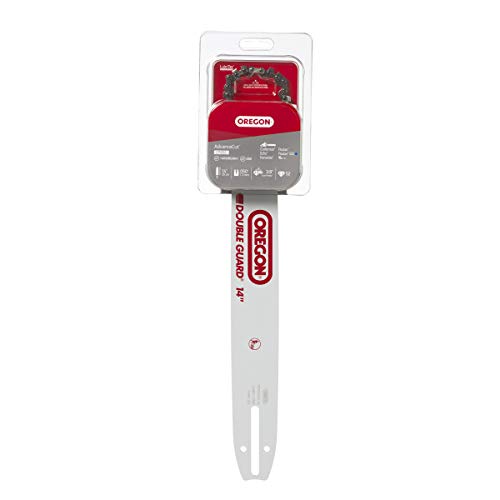



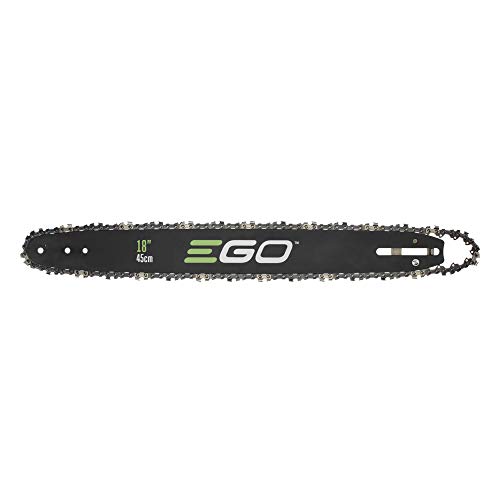

Who Should Replace a Bar, and When
Occasional Yard Owners
If you trim branches a few times a year, a shorter bar is often easier to handle. A compact bar gives you better balance and a clearer view of the cut. It also reduces the effort needed to keep the saw steady. Choose a bar that matches your saw exactly, even if a longer bar looks more capable.
Regular Firewood Cutters
People who cut firewood through the season need a bar that stays straight under repeated use. A mid length bar is a sensible balance between reach and control for logs of common size. Check the rails often for wear, burrs, and uneven edges. Replace the bar when it no longer holds a straight cut or when rail wear makes the chain sit unevenly.
Storm Cleanup and Larger Trees
Storm work and larger trunks call for more reach, but length alone does not make the job safer. A longer bar is heavier and harder to control, especially in awkward positions. It also needs a saw with enough power to drive the chain at a useful speed. If the saw strains, the chain drags, or control feels uncertain, choose a shorter bar and make a second cut instead.
Bar Length and Fit Basics for the Best Chainsaw Bars
Choosing a Sensible Length
Bar length is measured from the mounting point to the tip, not by the full length of the steel. A common mistake is to buy the longest bar the saw can accept. That choice can slow cutting and tire your arms quickly.
Match length to the largest wood you cut regularly, not to the largest tree you might cut once. For many home users, a bar in the middle of the saw maker range is the most useful choice.
Mount Pattern and Drive
The mount is the part of the bar that attaches to the saw body. Different saws use different mount shapes, stud spacing, and oil holes. A bar that looks similar can still fail to fit, oil poorly, or sit at the wrong tension.
Check the maker part number, the manual, and the markings on your current bar before ordering. When in doubt, compare the old bar side by side with the replacement listing details.
Pitch and Gauge Explained Simply
Pitch describes the spacing of the chain drive links, and gauge describes the thickness of those links. The bar groove must match both values, or the chain will fit loosely, bind, or wear quickly. Common pitch values are shown in inches in maker guides, and gauge is also shown in inches.
Your saw manual and current chain markings should agree with the bar you choose. If any value is unclear, check with the maker before you buy.
Bar Construction Types Compared
Bar construction affects weight, stiffness, price, and service life. Laminated bars use layered steel and are often lighter and lower in price. Solid bars use a single piece of steel and often feel stiffer under heavy use.
A replaceable nose design lets you swap the tip section when it wears, which can extend the life of the bar body. The right choice depends on how often you cut and how much you want to spend on upkeep.
| Bar type | Typical feel | Best suited to |
|---|---|---|
| Laminated bar | Lighter and easier to handle | Occasional yard work and light cutting |
| Solid bar | Stiffer and more durable | Frequent cutting and larger wood |
| Replaceable nose bar | Serviceable tip section | Regular users who want longer bar life |
Laminated Bars
Laminated bars are a practical choice for many home users. They cost less than most solid bars and are easier to carry through a long session. They can still cut well when paired with a sharp chain and correct tension.
Inspect the layers and rails for spreading or damage after hard use. Replace the bar if the groove widens or the layers separate.
Solid Bars
Solid bars feel firm and stable, especially on longer cuts. They resist bending better than many lighter bars, which helps keep the cut straight. The trade off is extra weight, which matters during overhead or extended work.
If your arms tire quickly, a solid bar may not be the best fit even if it lasts longer. Balance matters as much as strength for safe, steady cutting.
Replaceable Nose Bars
A replaceable nose bar separates the tip from the main body. The nose takes much of the wear during plunge style work and tip contact. When the nose wears, you can replace that section instead of the whole bar, if the maker offers the part.
Check availability and price of the nose section before you commit. This design makes most sense for frequent cutters who already maintain their saws regularly.
What Changes Cutting Feel
Nose Shape and Radius
A smaller nose radius can help with detailed work and tight spaces. A larger nose radius can cut faster in open wood but needs more care around kickback risk. Kickback happens when the tip contacts wood in a way that throws the saw back toward the user.
Follow the saw maker safety guidance, keep a firm grip, and avoid using the tip zone unless the task truly requires it. Protective equipment, including eye protection, hearing protection, gloves, and leg protection, is essential for every cut.
Groove, Oil Flow, and Lubrication
The groove guides the chain around the bar, and oil reduces friction between the chain and the rails. A clean groove and a working oiler help the chain move smoothly and last longer. Check the oil level before each session and confirm oil reaches the bar during use.
A dry bar and chain heat up quickly and wear faster. Clean sawdust from the groove and oil holes during routine care, with the saw switched off and the power source removed or disconnected as the maker directs.
Weight and Balance
Bar weight changes how the saw feels in your hands, even when the saw itself stays the same. A long or heavy bar can pull the nose down and make precise cuts harder. A shorter bar often feels more nimble, especially for limbing and small trees.
Try to judge balance, not just length, when you compare options. If you cannot hold the saw steady through a full cut, the bar is too long or too heavy for that job.
Common Mistakes to Avoid
- Buying by length alone, without checking mount, pitch, and gauge.
- Assuming every bar from the same maker fits every saw from that maker.
- Using a dull chain on a new bar, which hides bar problems and slows cutting.
- Ignoring rail wear, burrs, and groove damage until cuts drift sideways.
- Skipping bar oil checks, which leads to heat, wear, and poor chain life.
- Choosing the longest bar for occasional work, which hurts control and balance.
These mistakes are easy to avoid once fit becomes the first step. Keep your old bar and chain markings handy when you shop. If a listing does not state mount, pitch, and gauge clearly, treat that as a warning sign. A clear listing should let you match all three values without guessing.
How to Make Your Chainsaw Bar Last Longer
- Wear eye and ear protection, gloves, and leg protection for every cutting session.
- Clean debris from the groove, rails, and oil holes after each use.
- Flip the bar regularly if the maker recommends it, so rail wear stays even.
- File off small burrs with care, following the maker guidance for your bar type.
- Keep the chain sharp and correctly tensioned, since a dull or loose chain harms the bar.
- Store the saw and bar in a dry place, away from moisture and heavy objects.
Routine care does not need to take long. A quick inspection before cutting can reveal a loose chain, a clogged oiler, or a damaged rail. Fix small problems early, before they turn into uneven cuts or extra wear.
If the bar is bent, cracked, or deeply worn, replace it rather than trying to force it back into service. For a broader look at saw value, see our guide to the best chainsaw for the money. For help with maker ranges, see our guide to the best chainsaw brands.
Frequently Asked Questions
How do I know which bar fits my saw?
Start with the saw manual and the markings on your current bar and chain. Match the mount pattern, pitch, and gauge exactly, then choose a length within the maker range for your saw. Length alone does not prove fit, so do not order from length or maker name alone. If the manual is missing, the maker website or a local dealer can usually identify the correct bar from the saw model number.
Does a longer bar always cut faster?
No, a longer bar can slow cutting if the saw lacks the power to drive the longer chain well. It also adds weight and makes control harder, especially in tight or awkward positions. A shorter bar often cuts faster in small wood because it stays balanced and easy to guide. Choose length for the wood you cut most often, and use a second cut for rare oversize logs.
When should I replace a chainsaw bar?
Replace the bar when rails are deeply worn, the groove is widened, the bar is bent, or cuts keep drifting sideways despite a sharp chain. Burrs and uneven rails are early signs that deserve attention during cleaning. A bar that no longer tensions evenly or that shows cracks should leave service at once. Regular flipping and cleaning can extend life, but they cannot repair serious structural wear.
Can I use any chain with a new bar?
No, the chain must match the bar pitch and gauge, and the drive link count must suit the bar length. A chain that is too loose, too tight, or wrong in pitch will wear the bar and cut poorly. Check the chain markings and the bar listing before you buy. If you change bar length, you will usually need a chain with a different drive link count.
Why does my bar overheat during cutting?
Overheating often points to low oil flow, a clogged oiler or groove, a dull chain, or a chain tensioned too tightly. Check oil level and delivery first, then clean the groove and inspect the chain. A dull chain forces the saw to work harder and creates extra friction. Stop cutting if smoke, discoloration, or a burning smell appears, and inspect the bar and chain before continuing.
Final Thoughts
The right bar starts with fit, not with length or price. Match the mount, pitch, and gauge, then choose a length and construction style that suit your regular work. A lighter bar may suit occasional yard jobs, while a stiffer bar may suit frequent firewood cutting.
Keep the chain sharp, the groove clean, and the oiler working, and the bar will reward you with straighter, easier cuts. Use the product table above to compare the main bar types, then choose the option that fits your saw and your most common jobs. The best chainsaw bars are the ones that fit correctly, feel balanced, and stay in good condition with simple routine care.