Best Chainsaw Chains for 2026: What Actually Matters Before You Buy
Disclosure: We may earn a commission when you buy through links on this page, at no extra cost to you. As an Amazon Associate I earn from qualifying purchases. Learn more

Use this checklist to choose a chainsaw chain by pitch, gauge, drive links, cutter style, and bar match, plus sharpening, wear signs, and safety basics.
A chain is a wear item, but it still deserves a careful choice. The best chainsaw chains are the ones that match your bar and saw exactly, suit your wood, and stay easy to sharpen. This checklist style guide walks through the measurements that matter, the cutter styles you will meet, and the warning signs that mean it is time to stop and inspect. The cutter style table below gives a quick view of the main styles.
Do not choose a chain from length or price alone. A chain that is close but not exact can fit poorly, cut slowly, and wear the bar faster. The safest path is to read the markings on your current chain and bar, then check those values against the new chain listing. If any value is missing or unclear, pause and confirm it before ordering.



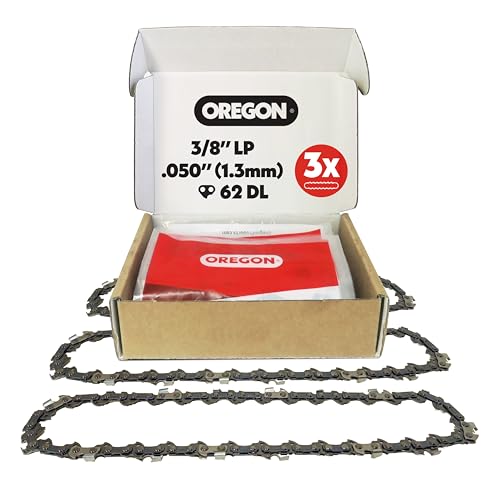

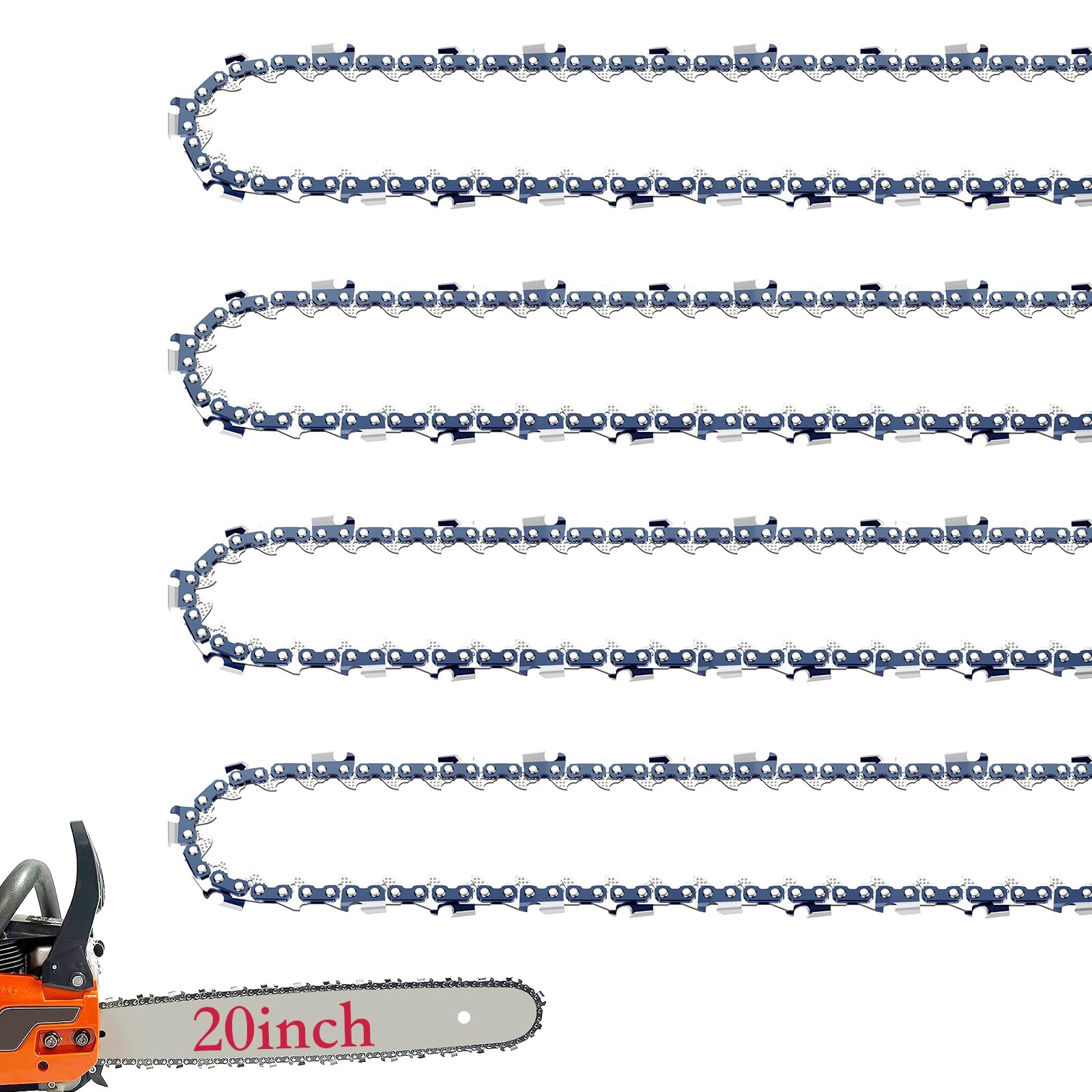

Key Measurements for the Best Chainsaw Chains
Pitch in Plain Terms
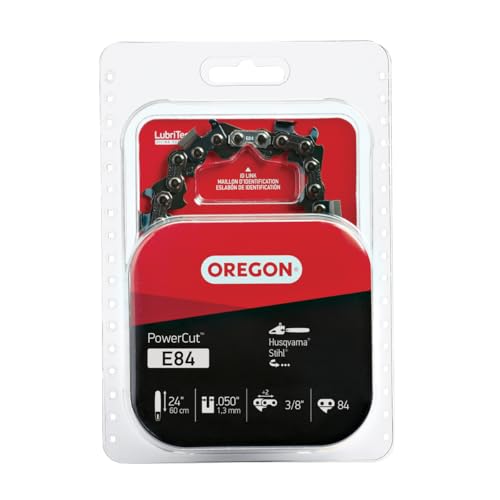
Pitch is the distance between drive links, shown in inches in most maker guides. It must match the bar and the drive sprocket on your saw. A common error is to assume that chains with similar looks share the same pitch.
They do not, and a mismatch can cause rough running or poor fit. Check the chain marking, the bar marking, and the manual, and make sure all three agree.
Gauge and Groove Fit
Gauge is the thickness of the drive links that ride in the bar groove. If the gauge is too thin, the chain can wobble in the groove. If it is too thick, the chain may bind or fail to seat correctly.
Both problems increase wear and reduce control. The bar groove width and the chain gauge must match, so treat this value as a strict requirement rather than a preference.
Drive Link Count
The drive link count tells you how many links wrap around the bar. It changes with bar length, even when pitch and gauge stay the same. That is why a chain for a shorter bar will not fit a longer bar from the same saw family.
Count the drive links on your old chain, or read the count from the bar marking. A listing that omits this count is incomplete, and you should ask for it before buying.
Chain Parts in Plain Terms
Cutters, Depth Gauges, and Drive Links
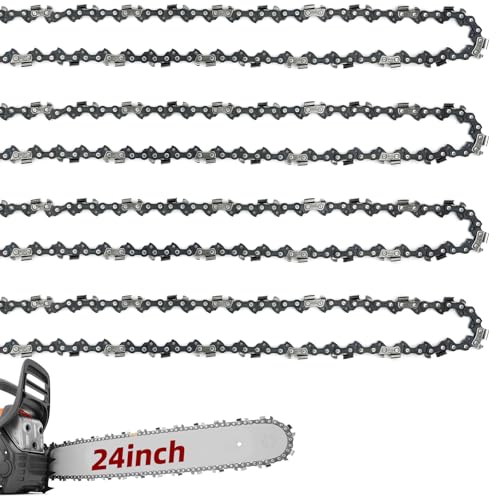
Each chain loop has cutters that slice wood, depth gauges that limit how deep each cutter bites, and drive links that carry the chain around the bar. The shape and condition of the cutters affect speed and smoothness. Depth gauge height affects how aggressively the chain feeds into wood.
Drive links affect fit and stability in the groove. When one part wears unevenly, cutting quality drops even if the rest of the chain looks fine.
Why Sharpening Changes Everything
A sharp chain pulls itself into wood with light pressure from the user. A dull chain needs force, creates fine dust instead of chips, and heats the bar. Sharpening is a skill, but it follows a repeatable pattern of angle, depth, and even strokes.
Follow the maker guidance for your chain type, use the correct file size, and keep both sides even. If sharpening no longer restores a clean cut, the chain may be worn past useful service.
Cutter Styles Compared
Cutter style is one of the main choices after fit. Full chisel cutters have a square corner and can cut fast in clean wood. Semi chisel cutters have a rounded corner and often stay sharp longer in dirty or frozen wood.
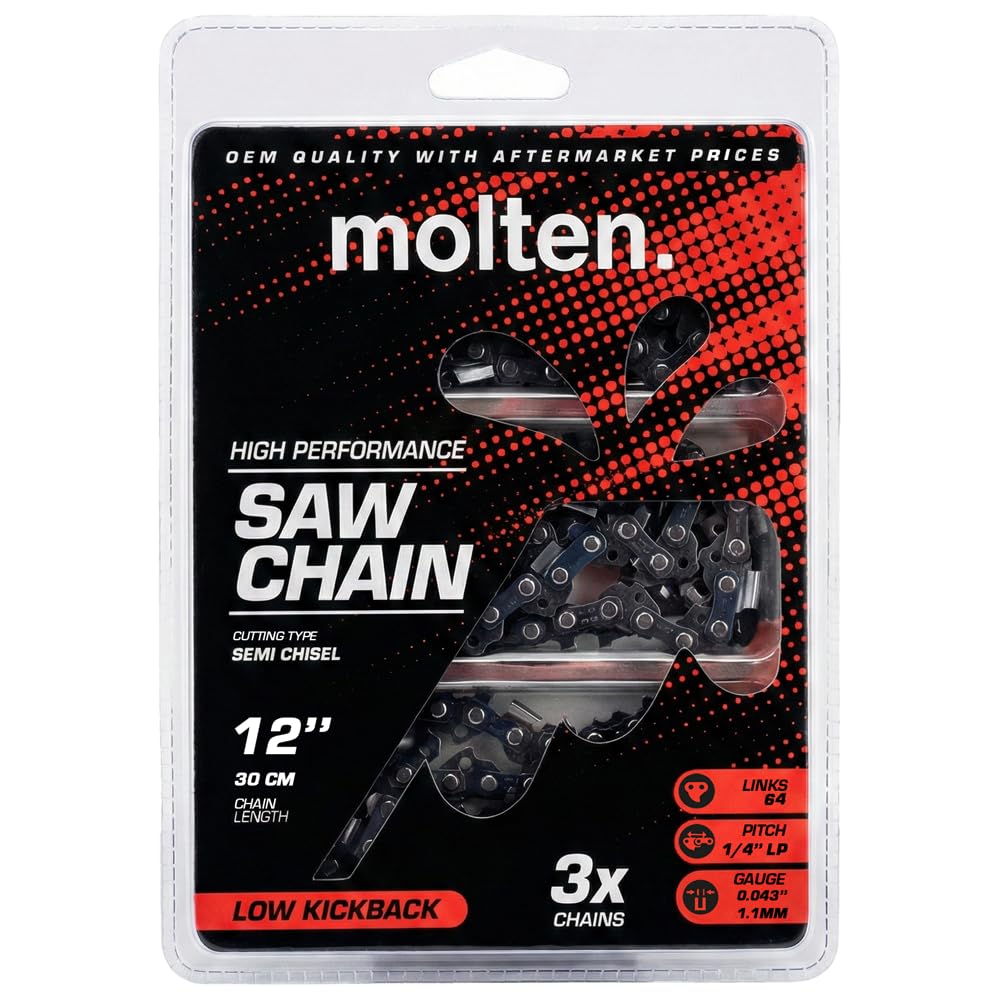
Low profile cutters are designed for lighter saws and lower kickback risk, but they cut more slowly. The best style depends on your wood, your saw, and your sharpening comfort.
| Cutter style | Cutting feel | Best suited to |
|---|---|---|
| Full chisel | Fast in clean wood | Experienced users cutting clean logs |
| Semi chisel | Steadier in dirty wood | General yard and firewood work |
| Low profile | Gentler and easier to control | Lighter saws and newer users |
Full Chisel Chains
Full chisel chains are popular for fast cutting in clean, soft wood. The square corner slices cleanly when sharp, which can make large jobs feel easier. The trade off is faster dulling in dirty, sandy, or frozen wood.
They also demand more care around kickback, so they suit users who already follow safe cutting habits. Keep the chain sharp, and it will reward you with smooth, fast cuts.
Semi Chisel Chains
Semi chisel chains are a forgiving middle ground for many home users. The rounded cutter corner tolerates dirt and varied wood better than a square corner. Cutting speed is often a little slower than a full chisel chain in clean wood.
For mixed yard work, that trade off is usually worth it. Sharpening is also more forgiving, which helps newer users keep the chain in good shape.
Low Profile Chains
Low profile chains are built for smaller saws and lighter cutting tasks. They reduce kickback risk and feel gentler in use, which can help newer users build confidence. The cost is slower cutting in larger wood.
Do not expect a low profile chain to turn a small saw into a large saw. Match the chain style to the saw size and the wood you cut most often.
Matching the Chain to Bar and Saw
Read the Bar Marking First
Your bar usually carries pitch, gauge, and drive link guidance in stamped markings. Start there, then check the saw manual for approved combinations. If the bar has been replaced before, confirm that the current bar still matches the saw.
A previous owner or an earlier swap can leave a bar that works but is not the original size. Matching the chain to the bar you actually have is what matters.
Power, Speed, and Chain Choice
Small saws work best with lighter chains that they can drive at full speed. Large saws can handle more aggressive chains, but only when the bar and chain match. An aggressive chain on a small saw can bog down, overheat, and cut poorly.
A gentle chain on a large saw may feel slow, but it is still safer than forcing a mismatch. Let saw size guide cutter aggression, not ambition.
Wood Type and Cutting Conditions
Clean softwood is the easiest test for any chain. Hardwood, frozen wood, dirty logs, and wood near soil are harder on cutters. If you often cut dirty or storm fallen wood, a semi chisel chain may last longer between sharpenings.
If you cut clean logs on a regular basis, a full chisel chain may feel faster. Keep a spare sharp chain on hand for long sessions, so a dull chain does not tempt you to push harder.
Sharpening and Wear Signs
- Fine dust instead of chips often means the cutters are dull.
- A cut that drifts to one side often means uneven sharpening or uneven cutter wear.
- Extra vibration can point to damaged cutters, a stretched chain, or bar wear.
- Shiny or blue marks on cutters can point to overheating during cutting or sharpening.
- A chain that will not tension evenly may be stretched or damaged.
Inspect the chain before each session, with the saw switched off and the power source removed or disconnected as the maker directs. Look for cracked cutters, bent drive links, and missing parts. Wear eye protection, hearing protection, gloves, and leg protection for cutting, and follow local rules for tree work and disposal of cut material. If any part of the chain looks cracked or bent, replace the chain rather than trying to repair it.
Red Flags to Watch For
- A listing that omits pitch, gauge, or drive link count.
- Vague claims about speed or durability with no clear chain specs.
- A chain that claims to fit every saw, without a fit chart.
- Missing maker guidance on sharpening angle and file size.
- Unusually low price with no clear source or maker details.
Clear specs are the mark of a trustworthy listing. If you cannot confirm fit from the listing, do not guess. Use the maker fit guide, the bar marking, and the manual together.
For help with bar fit, see our guide to the best chainsaw bars. For value context, see our guide to the best budget chainsaw and our guide to the best chainsaw brands.
Care and Maintenance Tips
- Wear eye and ear protection, gloves, and leg protection for every session.
- Clean debris from the chain, bar groove, and sprocket area after use.
- Check tension often, following the maker method for your saw.
- Sharpen evenly, with the correct file size and angle for your chain.
- Store chains clean, dry, and lightly oiled, away from moisture.
- Replace a chain that is cracked, bent, or worn past safe sharpening limits.
Good care extends chain life and keeps cutting safer. A clean chain also makes wear easier to spot. Do not store a dirty chain in a damp place, since rust can weaken links and dull cutters. Keep spare chains in a protective case, so cutters do not damage other tools or hands.
Your Questions Answered
How often should I sharpen a chainsaw chain?
Sharpen whenever cutting feels slow, the saw needs extra pressure, or chips turn to fine dust. For many users, that means touching up the chain after a few tanks of fuel or after dirty cutting. Light, frequent sharpening is better than waiting until the chain is very dull. A chain that is sharpened often also stays easier to file, since less metal needs removal each time.
Can I sharpen a chain myself?
Yes, many users sharpen chains at home with a round file, a guide, and a flat file for depth gauges. Follow the maker angle and file size for your chain type, and keep strokes even on both sides. Practice on an old chain first if you are new to filing. If the chain is damaged, heavily worn, or uneven after several attempts, a shop sharpening or a replacement chain is the safer choice.
What does drive link count change?
Drive link count changes the total loop length, so it must match the bar length. A chain with too few links will not reach around the bar, and a chain with too many links will hang loose even at full tension. Pitch and gauge can be correct while the count is still wrong. Always check the count from the bar marking or by counting the old chain before ordering.
Why does my new chain cut sideways?
Sideways cutting often comes from uneven sharpening, uneven cutter length, or bar rail wear. Check that both sides of the chain were filed evenly, then inspect the bar rails for burrs or uneven wear. A bent bar can also pull the cut off line. Fix the cause rather than forcing the saw straight, since forcing the cut increases wear and reduces control.
When is a chain beyond sharpening?
A chain is beyond sharpening when cutters are cracked, broken, or worn down to the maker wear limit. It is also time to replace the chain when sharpening no longer restores clean chips, or when the chain stretches unevenly. Continuing with a worn chain harms the bar and makes cutting harder. A fresh chain is usually cheaper than the bar damage a worn chain can cause.
Our Verdict
Start with fit, then choose cutter style for your wood and saw. Pitch, gauge, and drive link count are strict requirements, not suggestions. Semi chisel chains suit many mixed jobs, full chisel chains suit clean wood for experienced users, and low profile chains suit lighter saws.
Keep the chain sharp, the bar clean, and the tension correct, and cutting will feel safer and smoother. Use the product table above to compare cutter styles, then pick the chain that matches your bar and your most common cutting work. The best chainsaw chains are the ones that fit exactly, stay sharp with simple care, and match the saw you actually own.