
Aluminum vs Stainless Steel Baking Sheet: Which One Fits Your Home Better? (2026)
Disclosure: We may earn a commission when you buy through links on this page, at no extra cost to you. As an Amazon Associate I earn from qualifying purchases. Learn more
Aluminum vs Stainless Steel Baking Sheet: see how they differ in everyday use, features and value, and which one makes more sense for your home and budget.
Picture a busy evening at home. Vegetables are roasting for dinner, a batch of cookies is waiting for the oven, and you have one sheet free in the cabinet. The choice of aluminum vs stainless steel baking sheet shapes how evenly that food cooks, how heavy the loaded pan feels, and how much cleanup waits at the sink. This guide helps you choose by household size, kitchen space, and budget, and the comparison table below sums up the main differences at a glance.
A small household that bakes once a week needs something different from a family that roasts in big batches most nights. Keep your own routine in mind, because the right answer depends more on how you cook, store, and wash your pans.




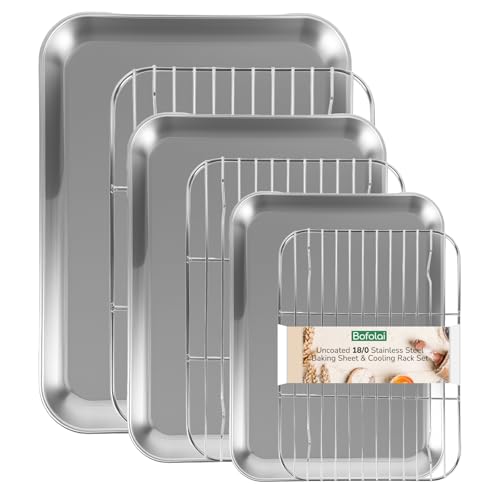
Aluminum vs Stainless Steel Baking Sheet at a Glance
Aluminum wins on heat response and low weight, and it costs less to buy and to replace. Stainless steel wins on toughness, on tolerance for acidic foods, and on easy care in the dishwasher. Neither metal releases food like a coated pan does, so both ask you to use oil or a liner for sticky items. The table below is only a starting point, because thickness, rim style, and size change how either metal behaves in your oven.
| Criterion | Aluminum | Stainless Steel | Edge |
| Heat response | Fast and even | Slower, better with a layered core | Aluminum |
| Weight when loaded | Light | Heavier | Aluminum |
| Reaction to acidic foods | Can react and discolor | Does not react | Stainless steel |
| Cleaning routine | Hand wash preferred | Dishwasher tolerant | Stainless steel |
| Purchase cost | Lower | Higher | Aluminum |
| Toughness over years | Dents more easily | Resists dents and scratches | Stainless steel |
Meet the Contenders: Aluminum and Stainless Steel Baking Sheets
Aluminum Overview
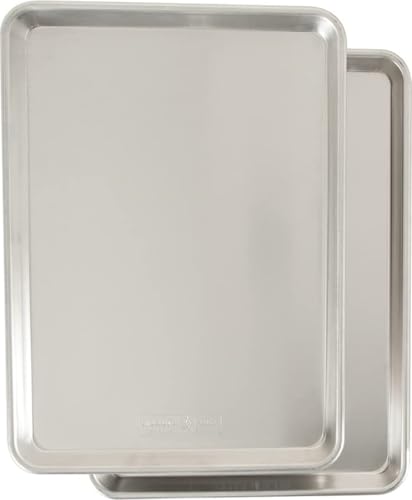
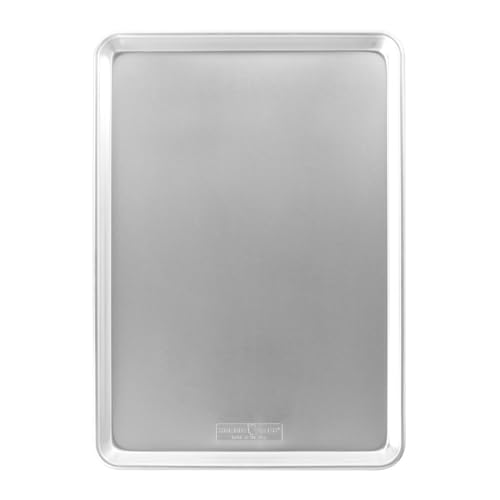
Most aluminum sheets are plain uncoated metal, often sold as a half sheet that measures about 18 by 13 inches and fits a standard home oven. The metal is light, so you can lift a full load of potatoes with one hand and a mitt with far less strain. Many aluminum pans add color or a smooth finish that suits a home where the pan moves straight from oven to table for serving. If that style appeals to you, the great jones holy sheet review shows how that kind of pan is presented. Aluminum also warms up and cools down quickly, which suits bakers who run several batches in a row.
Stainless Steel Baking Sheet Overview
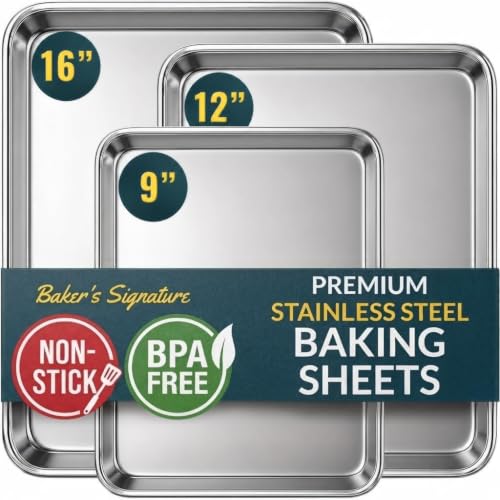
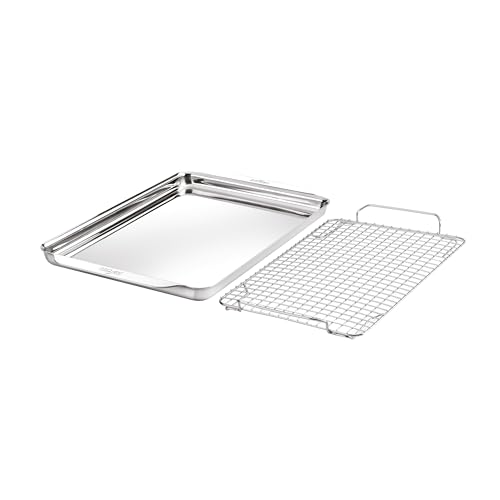
A stainless steel sheet is built from steel with chromium in the mix, which gives the surface its resistance to rust and stains. Plain stainless on its own moves heat slowly, so many better sheets bond the steel around an aluminum core to improve how heat spreads. That layered build adds weight and cost, but it also gives you a pan that feels solid and shrugs off bumps in a crowded drawer. If you want a sense of how a layered stainless pan is sized and described, the made in sheet pan review is a useful reference. For homes that cook tomato based meals and vinegar marinades on the sheet itself, stainless steel removes any worry about reaction.
Head to Head: Where They Really Differ
Heat Distribution
Aluminum spreads heat across the whole surface with very little lag, so cookies on the left side of the sheet brown at close to the same pace as cookies on the right. That even response helps delicate items such as meringues and thin biscuits, where a hot spot would scorch one corner before the rest sets. Plain stainless steel moves heat more slowly and can leave pale patches under food while the exposed edges run hotter. A layered core closes most of that gap, so if you choose stainless steel, treat the core as the feature that matters most for browning. In a small oven, aluminum also softens the blast of heat from below.
Food Release
Neither metal is a nonstick surface, and it helps to set your expectations before the first bake. Bare aluminum has a slight grip advantage once it builds a light seasoned look from repeated use with oil, but roasted cheese, sugary glazes, and egg based items will still stick to both metals. Your real tools here are parchment paper, a silicone mat, or a thin coat of oil spread across the surface. Stainless steel tends to hold on to protein, such as chicken skin or salmon skin, until the food has formed a crust and releases on its own. Lifting too early tears that crust on either metal, so patience matters more than the pan you picked.
Warp Resistance
Warping is the loud pop you hear when a hot sheet meets a cool counter or cold water, and the pan twists so one corner lifts off the surface. Thickness is your main defense. Look for a heavier gauge, remembering that a lower gauge number means thicker metal, and look for a rolled rim or a rim reinforced with a steel rod inside the edge. Aluminum sheets in a thin gauge warp more readily under broiler heat, while a thick aluminum sheet stays flat through normal roasting. Stainless steel resists warping well in thicker builds, yet a thin stainless sheet can still twist under a sudden temperature change, so let any hot pan cool a little before you rinse it.
Material Safety
Both metals have a long record of home kitchen use, and the practical safety point is about food contact rather than fear. Aluminum can react with acidic foods left sitting on the surface, which may discolor the pan and give the food a metallic taste, so transfer tomato sauces, rhubarb, and citrus based dishes to a dish soon after cooking. An anodized aluminum surface reduces that reaction, but the habit of moving acidic food off the pan is still wise. Stainless steel does not react in that way, which suits marinades and slow roasts. A small number of people are sensitive to nickel, which is part of many stainless alloys, so if that applies in your home, raise it with a clinician and check the alloy details before you buy.
Cleaning
Your cleaning routine may decide this contest on its own. Aluminum prefers hand washing, because strong dishwasher detergents can dull the surface, darken it, and leave a gray film that rubs off on towels. A short soak in warm soapy water and a soft sponge handles most messes, and you should dry the pan at once to limit water marks. Stainless steel tolerates the dishwasher well, which is a real gift in a busy family kitchen, though high heat drying can leave spots that a quick wipe removes. Burned sugar and dark roast marks take more soaking on stainless, but the surface stands up to firm scrubbing without the worry that aluminum brings.
Price and Value
A plain aluminum half sheet often costs about $15 to $40, so buying two for batch baking is painless, and replacing one after years of dents is a minor expense. A plain stainless sheet or set often costs about $30 to $60, and a layered stainless sheet with an aluminum core can cost about $100 or more. Value depends on how you count it. Aluminum gives you strong cooking results for very little money, which suits renters, new households, and anyone setting up a first kitchen. Stainless asks more at the start but spreads that cost across many years of service, and it avoids the repeat purchases that a household hard on its pans might face with thinner aluminum.
Our Recommendation for Your Home
Pick Aluminum If
Choose aluminum if baking is the main job, if you value a light pan you can move quickly, or if your budget needs to cover several pans at once. It suits cookie bakers, sheet cake bakers, and anyone roasting vegetables in a small oven where even heat matters more than dishwasher use. It also suits households that hand wash their good pans as a matter of habit, since that routine is exactly what aluminum asks for. If your storage is a deep drawer where pans get stacked and bumped, accept that aluminum will show dents sooner, and treat the low replacement cost as part of the bargain.
Pick Stainless Steel Baking Sheet If
Choose stainless steel if your sheet does heavy roasting duty, if acidic foods often cook right on the pan, or if everything in your kitchen goes in the dishwasher. It suits families who roast meats and marinades several nights a week and who want one tough pan rather than a rotation of lighter ones. The extra weight is worth planning for, because a loaded stainless sheet needs two hands and a steady grip. For a household that keeps cookware for a long stretch and dislikes replacing basics, the higher price reads as a single payment for calm, low effort care over many years.
Not Sold on Either? One More Option
There is a middle path worth knowing about. Aluminized steel bonds a layer of aluminum and silicon to a steel base, which gives you some of the heat response of aluminum with a stiffer body than a plain aluminum sheet. It still needs hand washing in most cases, and the coating can wear at the edges over time, so it is a compromise rather than a clear winner. If you want to compare sizes, weights, and finishes across every style before you decide, our guide to the best baking sheet pulls the wider field together in one place. For most homes, though, the honest choice stays between the two metals in this guide.
Your Questions, Answered
Which baking sheet material lasts longer, aluminum or stainless steel?
Stainless steel usually lasts longer in a busy home, because it resists dents, scratches, and rust through years of stacking and scrubbing. Aluminum can serve for years too, but its life often ends through dents and warping rather than surface wear. Watch the rim too. If a rolled rim cracks or a corner bends so the sheet rocks on a flat surface, the pan will cook unevenly and is ready to replace, whichever metal you own.
Which is easier to clean, aluminum or stainless steel baking sheet?
Stainless steel is easier for most households, since it can go in the dishwasher and take firmer scrubbing without damage. For dark heat marks on stainless, make a paste of baking soda and a little water, spread it on the mark, wait about 15 minutes, and rub with a soft cloth before rinsing. That method lifts much of the color without harsh cleaners. Aluminum needs a gentler wash by hand, and steel wool can scratch it and dull the finish, so keep a soft sponge aside for it.
What is the main difference between aluminum and stainless steel baking sheet?
The main difference is how each metal handles heat and care. Aluminum moves heat fast and evenly and stays light and cheap, while stainless steel moves heat slowly unless it has a layered core, and it trades that for toughness and simple care. Batch timing matters too. Because aluminum cools quickly, you can load the next batch sooner, which shortens a long afternoon of holiday baking in a way that only shows up when you bake in volume.
Is aluminum better than stainless steel baking sheet for a family kitchen?
Aluminum is better if your family bakes often, needs several pans, and wants light pans that younger helpers can carry safely with mitts. Stainless steel is better if your family roasts savory food most nights and runs the dishwasher daily. Try a simple tally for one week. Count how many times the sheet holds something acidic or goes through the dishwasher. If that count is high, stainless steel fits your real routine, even if aluminum wins on a single batch of cookies.
The Bottom Line
There is no single winner here, only a better fit for your home. Aluminum gives you fast, even heat, a light feel, and a low price, at the cost of hand washing and more dents over time. Stainless steel gives you toughness, freedom with acidic foods, and dishwasher friendly care, at the cost of weight and a higher price. Look back at the product table above, weigh how your household cooks, stores, and cleans, and the choice of aluminum vs stainless steel baking sheet becomes a calm one that you will not need to revisit for years.


