
Best Center Channel Speakers 2026: How to Choose the Right One
Disclosure: We may earn a commission when you buy through links on this page, at no extra cost to you. As an Amazon Associate I earn from qualifying purchases. Learn more

Learn how to choose center channel speakers for clear dialogue, balanced sound, and a good match for your room, seating, and existing system for smart buying.
Dialogue carries most films and shows, so choosing best center channel speakers starts with how clearly voices come through at normal volume. A good center speaker keeps speech easy to follow without forcing you to turn the volume up and down. This guide explains size, placement, and matching, so you can pick a model that fits your setup.
The product table above lists center channel speakers to compare. This guide is about dialogue: how voices stay clear for every seat, how the center blends with your left and right speakers, and what to check before you commit to a cabinet size.





Who Should Buy Which Type
Three viewing habits cover most buyers, and each points to a different priority.
For Film and TV Watchers
Film and TV watchers should put dialogue clarity first. Look for a speaker with a clear midrange, controlled treble, and enough output to fill the seating area without strain. A sealed or front ported cabinet often works better close to a wall or inside a cabinet.
For Music Listeners
Music listeners who also use a center speaker should look for a neutral tone that blends with the left and right speakers. A speaker that sounds bright or boxy on its own will stand out in music and break the sense of one wide soundstage. Match the tonal character, not just the brand.
For Small Room Owners
Small room owners need a compact center speaker that still reaches every seat. A wide, low cabinet can fit under a TV, but check the depth and the ventilation around it. If the speaker sits inside closed furniture, heat and muffled sound can become problems.
Types Compared
Center channels come in three common shapes, and the shape often decides whether a model fits your furniture.
Horizontal Two Way Centers
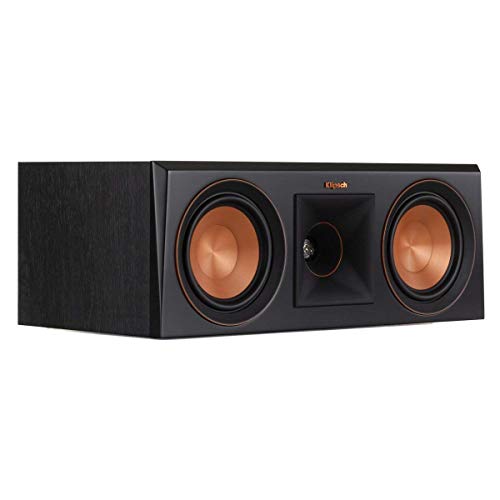
A horizontal two way center uses a tweeter between two midrange drivers. It is compact, widely available, and easy to place under a TV. It can lose clarity for listeners seated far off center, so test the seating positions that matter most in your room.
Horizontal Three Way Centers
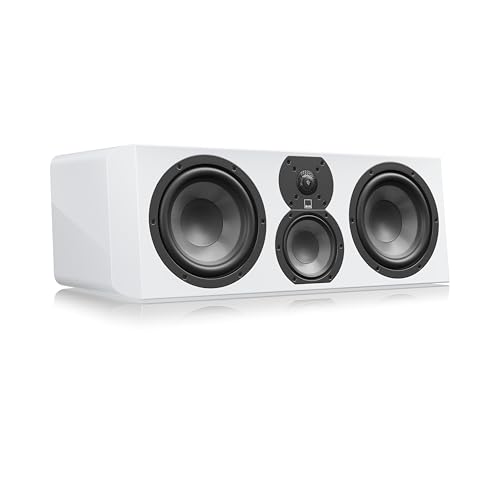
A horizontal three way center adds a dedicated midrange driver, which usually improves dialogue clarity across a wider seating area. It is larger and often heavier, so measure the shelf or stand before you buy. It suits larger rooms and wider sofas.
Vertical Centers and Soundbars Alternatives
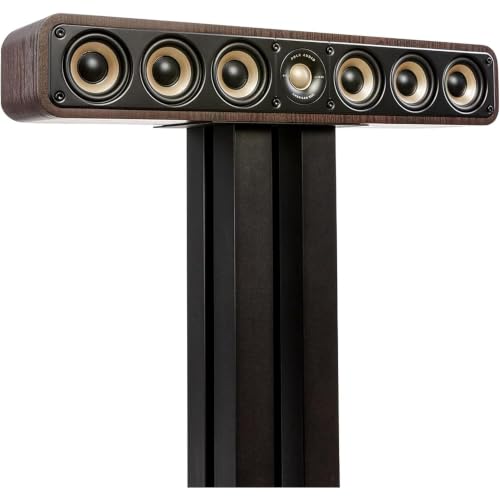
A vertical center speaker, often a bookshelf model turned upright, can give the most even sound across seats. It needs more height and may block part of a TV screen. Compare it with your space before ruling it out, since placement often decides the result.
Related guides that may help: For a broader look at center models in general, see our guide to best center speakers. If you sometimes listen in stereo only, our guide to best two channel speakers. To complete a surround setup, read about best rear channel speakers. For matching the front soundstage, see best front channel speakers. And for a simple stereo alternative, check best 2 channel speakers.
Key Features to Compare
Work through these checks in order, starting with how dialogue sounds from the seats you actually use.
Dialogue Clarity
Dialogue clarity depends on the midrange and on how the speaker behaves off axis. A speaker that sounds clear directly in front but dull at an angle will disappoint side seats. Read the stated frequency response and, where possible, listen from the outer seats.
Size and Placement
Measure width, height, and depth, and leave room for cables and airflow. A speaker that is too large for its shelf may end up pushed back against a wall, which can make bass boomy. A speaker that is too small may struggle in a large room.
Matching the Front Speakers
The center speaker should match the tone of the left and right speakers so sound moves smoothly across the front. Using the same brand family often helps, but matching driver size and tonal balance matters more than a logo. Ask about timbre matching when you compare models.
Sensitivity and Power
Sensitivity shows how loud a speaker plays with a given amount of amplifier power. A higher sensitivity speaker needs less power for the same volume, which helps smaller receivers. Check that your receiver can drive the speaker comfortably at your usual listening level.
Warranty and Support
A clear warranty and responsive support matter for speakers, since faults can appear after months of use. Check warranty length, what it covers, and how returns work before ordering. Keep packaging until you are sure the speaker suits your room, since returning a large speaker without it can be difficult.
Common Mistakes to Avoid
A common mistake is buying the largest center speaker available and then placing it inside a closed cabinet with no airflow. Another is ignoring the outer seats, where dialogue often sounds dull. Measure the space, think about every seat, and choose a speaker that works in your room rather than one that only looks impressive on a shelf.
Getting the Most From Your Choice
Place the speaker at ear height when seated if you can, and angle it slightly toward the listeners. Keep the front clear of objects that block sound, and run your receiver room setup again after moving anything. Dust the grille gently and check cables once or twice a year, since a loose cable can cause dropouts that look like a speaker fault.
Planning Your Purchase
Start by measuring the exact space where the center speaker will sit, including width, depth, and height, and note whether the front will be open or enclosed. Bring those measurements when you compare models in the product table above, and rule out anything that does not fit comfortably with room for cables and airflow.
Next, think about the seats that matter most and whether side seats need the same clarity as the center seat. A three way design often helps wide seating, while a compact two way model suits a narrow sofa. Let seating width, not cabinet size alone, guide the choice.
Finally, check receiver compatibility and return terms before ordering, since a speaker that cannot be driven well or returned easily becomes a costly mistake. Order with a plan to test dialogue from every seat during the return period, and keep notes on what improves.
Questions to Ask Before You Order
- How wide is my seating area, and who sits at the edges?
- Will the speaker sit on a stand, a shelf, or inside furniture?
- Do my left and right speakers share a similar tonal character?
- How much amplifier power does my receiver provide per channel?
- What return period applies if the speaker does not suit my room?
Frequently Asked Questions
Do I need a center speaker for TV viewing?
A center speaker helps most when dialogue is hard to follow or when you watch with others spread across a sofa. It anchors voices to the screen and lets you hear speech without raising overall volume. If you usually watch alone and close to the TV, built in TV sound may be enough for now.
Where should a center speaker sit?
Ideally it sits centered under or above the TV, close to ear height when seated, and angled toward the listeners. If it must sit low, tilt it upward so sound reaches ears rather than knees. Keep the front of the speaker clear of books, plants, and cabinet doors.
Does the center speaker need to match my other speakers?
Matching helps sound move smoothly from left to center to right without a change in tone. Using the same brand family is a useful shortcut, but driver size and tonal balance matter more. If you mix brands, listen for a consistent voice character across the front three speakers.
Can a center speaker work inside a cabinet?
It can, but a closed cabinet can muffle sound and trap heat, especially with a rear ported model. Leave space around the speaker, keep the front open or use acoustically open fabric, and prefer a front ported or sealed design when placement is tight.
How much should I spend on a center speaker?
Spend in proportion to your front speakers and receiver, since a very cheap center can drag down an otherwise good system. About $150 to $500 covers many solid options, while larger three way models can cost more. Set a budget after measuring your room and checking what your receiver can drive.
Can I upgrade my center speaker later?
Yes, you can upgrade a center speaker later, and it often improves dialogue more than any other single change. Choose a new center that matches your front speakers in tone, and rerun receiver calibration after installing it. Keep the old speaker as a spare or sell it once you are happy with the replacement.
Final Thoughts
The right choice among best center channel speakers is the one that keeps dialogue clear from every seat you actually use, fits the space you have, and blends with your front speakers. Compare the options in the product table above with your measurements in hand, and favour clarity and placement over size alone.


