
Best Bluetooth Home Theater Speakers: What Actually Matters Before You Buy for 2026
Disclosure: We may earn a commission when you buy through links on this page, at no extra cost to you. As an Amazon Associate I earn from qualifying purchases. Learn more

Use our simple checklist to choose the best bluetooth home theater speakers, with clear guidance on channels, room size, connections, and placement.
Bluetooth makes home theater simpler. You can stream music from your phone in seconds and, on many systems, send TV sound without running a cable across the room. The hard part is knowing which specs change what you hear on movie night. This checklist guide walks you through the best bluetooth home theater speakers by the criteria that matter, so you can spot a strong system and skip the weak ones with confidence.
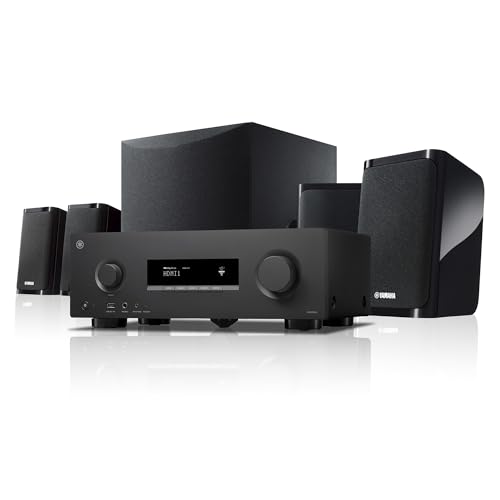
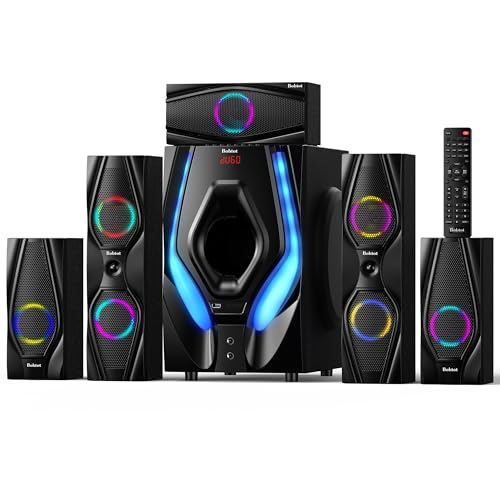
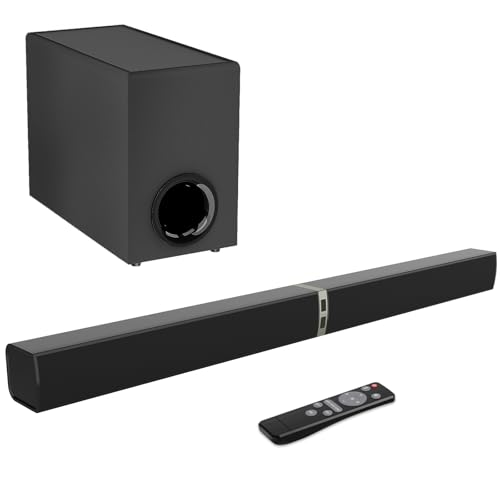
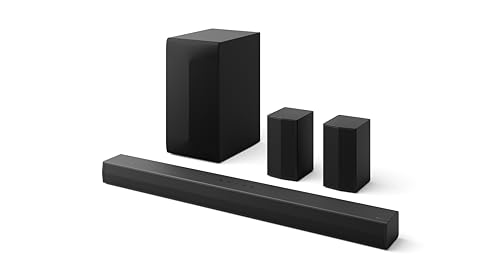
If your goal is the best sounding bluetooth home theater speakers your room can support, start with channel layout, placement, and connection stability before you look at watt numbers. The comparison table below shows the main options in one view, and the sections that follow explain how to read each row against your room and your TV.





How We Evaluate Bluetooth Home Theater Speakers
Sound Quality and Tuning
Dialogue clarity is the first test any theater system must pass. A dedicated center channel, or a soundbar with a clear center driver, keeps voices anchored to the screen instead of buried under effects. Check the stated frequency response for the subwoofer and main speakers, and favor systems that reach low enough for film effects without needing the volume pushed hard. A dialogue or voice mode in the settings is a practical plus for late night viewing, because it lifts speech while keeping explosions in check. Room correction, where the system adjusts itself to your space, is worth more than raw power figures.
Durability and Water Resistance (IP Rating)
Most theater speakers live indoors and need no water rating at all. Build quality still matters. Cabinets should feel solid with no rattles at high volume, grilles should sit firmly, and remote controls should survive daily use. An IP rating only becomes relevant if part of the system will serve a patio or a covered outdoor screen, where splash resistance protects the unit during a storm. For a standard living room, spend on drivers and amplification rather than weather sealing you will never test.
Size, Weight, and Placement Flexibility
Instead of comfort in the headphone sense, judge how the system fits your room. A soundbar should match your TV width closely and sit below the screen without blocking the remote sensor. Separate speakers need stands or shelves at ear level when seated. Heavier cabinets often mean sturdier enclosures, but they also demand stronger wall mounts and more care during setup. Measure your space before you buy, including the depth a subwoofer needs from the wall, because returns for size reasons are common and avoidable.
Placement and Room Size (for Speakers)
Small rooms under about 150 square feet do well with a soundbar and a compact subwoofer. Medium rooms suit a soundbar with wireless surround speakers or a 5.1 system with separate fronts and rears. Large or open plan rooms need more output and benefit from a proper receiver based setup. Keep front speakers at equal distance from your main seat when you can, angle them slightly toward the listening spot, and give the subwoofer a corner trial, since walls reinforce bass. If you plan to mount speakers, our guide to the best wall speakers for home theater covers in wall and on wall choices in detail.
Battery Life and Charging
Most home theater speakers plug into the wall and never think about batteries. Battery life matters only for the portable parts of some systems, such as detachable wireless surround speakers that dock to recharge, or a portable speaker you plan to move between TV duty and the patio. For detachable surrounds, check the stated hours per charge, because a unit that fades during a long film is a daily annoyance. For fixed systems, judge the power supply and standby draw instead, and prefer models that wake automatically when the TV turns on.
Connectivity (Bluetooth Version, Codecs, Wired)
Bluetooth is only one of several links in a theater system, and for TV sound it is rarely the best one. An HDMI ARC or eARC connection carries TV audio with volume control from your TV remote and supports higher quality formats. Optical is a solid fallback for older TVs. Use Bluetooth mainly for streaming music from a phone or tablet, where a small delay does not matter. For movies, Bluetooth delay can push dialogue out of sync with lips on screen unless the TV and speaker both handle latency well. Bluetooth 5.3 improves stability and range for music streaming around the home.
If you are building a room from scratch, our overview of the best quality speakers for home theater explains how component quality scales with budget.
Price Tiers That Pass Our Checklist
The tiers below describe what each budget level generally delivers, without naming individual models. Match your room size and your TV connections to a tier first, then compare the specific systems in the product table above inside that band.
Entry Tier: Simple Soundbar Systems
Entry tier systems, often under $250, usually pair a soundbar with a wireless subwoofer or offer a bar alone with built in bass. They deliver a clear step up from TV speakers, with better dialogue and real low end for films. Bluetooth streaming from a phone is standard at this level. Limits include a narrower soundstage, no true surround effect, and fewer inputs. For apartments, bedrooms, and first theater setups, this tier passes the checklist if the bar offers HDMI ARC and a dialogue mode.
Mid Tier: Surround Sound That Feels Real
Mid tier systems, roughly about $250 to $700, add wireless surround speakers or a receiver with separate speakers, plus room correction on many models. Sound wraps around the seating area, and action scenes gain direction that a bar alone cannot produce. You also tend to get more HDMI inputs and better subwoofers with deeper, tighter bass. This is the tier most living rooms should target. It balances price, setup effort, and the jump in immersion, and Bluetooth remains on hand for music between films.
Top Tier: Big Rooms and Serious Film Fans
Top tier systems, often above $700, bring higher output, larger drivers, support for height channels and object based audio formats, and subs that can pressurize a big room. Build quality and finish also step up, which matters in a dedicated media room. Setup takes longer and rewards careful placement and calibration. If your room is large, your screen is big, and film night is a weekly event, this tier earns its cost. In a small room, the same money buys little extra, because the space limits what any system can do.
Shoppers who want music around the whole home as well as film sound can read our guide to the best home bluetooth speakers for whole house options.
Quick Buyer Checklist
- Does the system connect to your TV with HDMI ARC or eARC, with optical as a fallback?
- Is there a dedicated center channel or a proven dialogue mode for clear speech?
- Does the system size match your room, without buying output your space cannot use?
- Will the soundbar fit below your TV without blocking the screen or the remote sensor?
- Does Bluetooth serve music streaming in your plan, while TV sound uses a wired link?
- If surrounds are detachable or wireless, does their battery or power plan suit long films?
- Do you have power outlets where the subwoofer and surrounds need to sit?
- Is speaker wire or a mounting plan included in your budget if the system needs it?
For a room built around films rather than music, our guide to the best home movie theater speakers goes deeper on screen size and seating distance.
Red Flags to Watch For
- Huge watt claims with no context. Peak power numbers without a stated measurement standard tell you almost nothing about real loudness or clarity.
- Bluetooth listed as the only TV connection. A theater system without HDMI or optical forces you into lip sync problems and limited formats.
- Surround claims from a single bar with no surrounds. Virtual effects can widen sound, but they cannot place a sound behind you the way real rear speakers do.
- No dialogue control. If there is no center channel emphasis or voice mode, quiet speech will keep you riding the volume all film long.
- Proprietary cables with short lengths. Systems that tie speakers together with short custom cables limit placement and make later repairs harder.
Tips to Get the Most From Your Bluetooth Home Theater Speaker
Update the firmware during setup, because makers regularly improve HDMI handshakes, Bluetooth stability, and lip sync behavior after launch. Run the room correction or auto setup routine with the microphone at your main seat, and rerun it after you move furniture. Keep the subwoofer crossover near the maker default at first and adjust in small steps over several films. For music over Bluetooth, keep your phone within one room of the system and close other Bluetooth audio apps that may fight for the connection. Dust the grilles and vents gently so amplifiers stay cool during long sessions.
FAQs
Is ANC worth the extra cost in home theater speakers?
Active noise cancellation is not a home theater speaker feature, so do not pay for it here. What quiets a room is your space itself, plus sound control from rugs, curtains, and sensible volume. If a listing for theater speakers leads with noise cancellation, it is borrowing headphone language. Spend that part of the budget on a better center channel or subwoofer instead, which you will hear in every scene.
Do I need a special codec for Bluetooth home theater speakers?
No special codec is needed, and for TV sound the codec question mostly disappears, because HDMI carries the audio without Bluetooth compression. For music streaming, standard Bluetooth sounds good at normal listening levels, and support for a higher quality codec is a small bonus rather than a requirement. The shoppers asking about the best sounding bluetooth home theater speakers usually gain more from placement and room correction than from any codec upgrade.
What IP rating do I need for home theater speakers?
For indoor theater use, you need no IP rating at all. Ratings matter only for speakers that will live on a patio or near a pool, where IPX4 or higher protects against splashes. Buying weather sealing for a living room system wastes budget. Instead, check cabinet build, grille fit, and ventilation. Those qualities decide how the system ages in a normal home far more than a water test rating.
How long does the battery last in Bluetooth home theater speakers?
Most theater speakers run on wall power and have no battery to drain. The exception is detachable wireless surround speakers, which commonly run about 8 to 10 hours per charge before they need to dock or plug in. That covers several films, but a weekend movie marathon can outlast them. If your system uses detachable surrounds, make docking part of your routine after each viewing session.
Wired or wireless: which sounds better for home theater?
A wired HDMI link sounds better for films, because it carries full quality audio with no delay and lets your TV remote control the volume. Wireless links between a bar and its subwoofer or surrounds work very well in practice, since the maker controls that connection. Bluetooth is the weakest choice for TV audio because of delay, but it is perfectly fine for music. Use each link for the job it does best.
Final Thoughts
Decide by connection, channel layout, and room fit. Confirm HDMI ARC for your TV, choose a system size your room can actually use, and keep Bluetooth in its best role, which is easy music streaming. Do that, compare your finalists in the product table above, and you will own the best bluetooth home theater speakers for your space, with clear dialogue on night one and no lip sync headaches later.


