
Best Ceiling Speakers for Home Theater 2026: Buying Guide
Disclosure: We may earn a commission when you buy through links on this page, at no extra cost to you. As an Amazon Associate I earn from qualifying purchases. Learn more

Surround, height or angled? Match layout, receiver and enclosures to find the best ceiling speakers for home theater rooms.
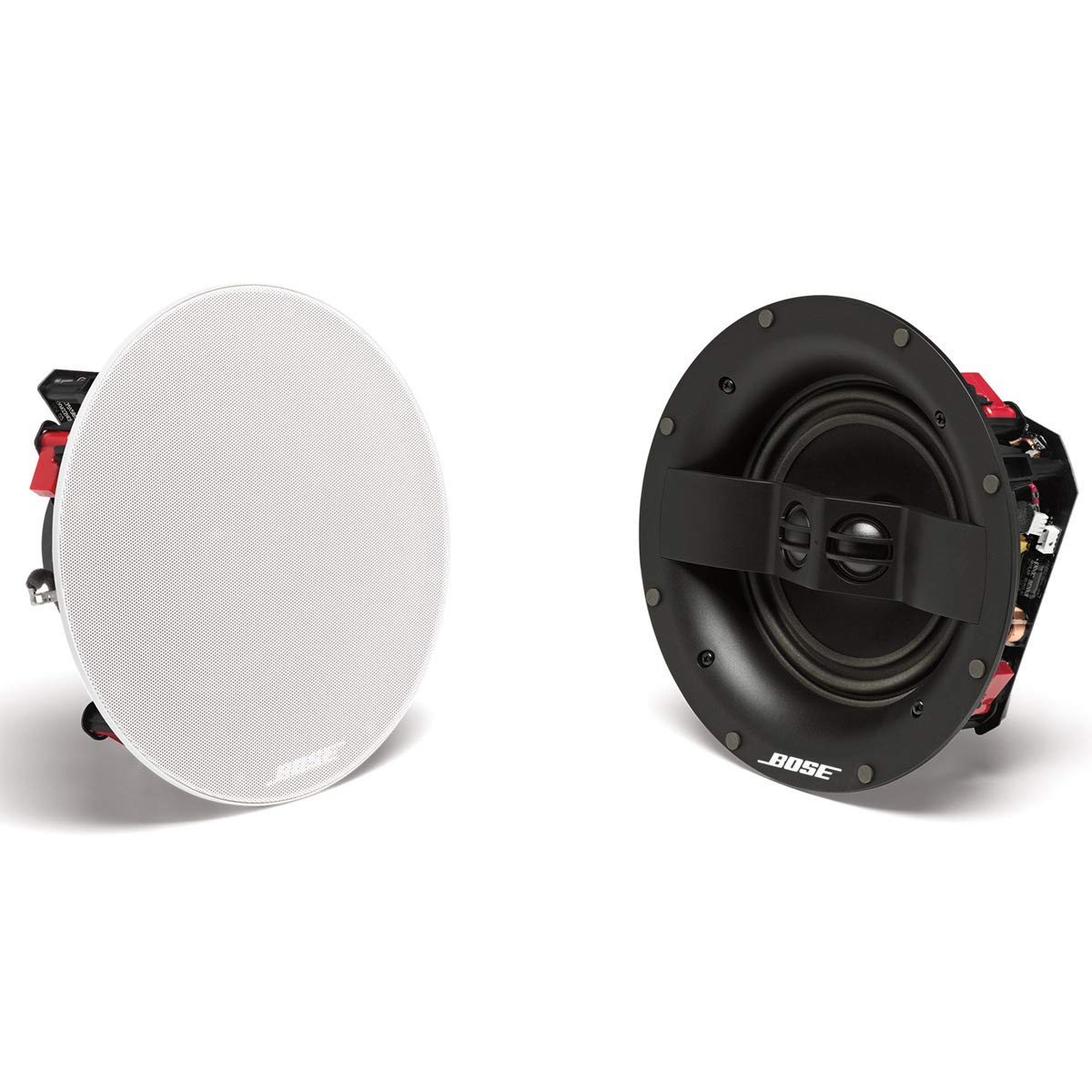
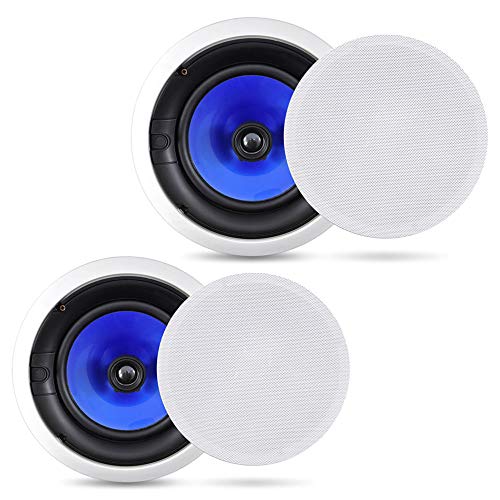
Ceiling speakers can turn a living room into a convincing home theater, adding height sound and surround coverage without floor standing boxes. The best ceiling speakers for home theater need careful placement, sizing, and installation, because a speaker fitted into a ceiling is harder to move than a bookshelf model. The product table above gives a quick overview of current options before the detail that follows.
This guide explains layouts, driver sizes, power needs, and installation practicalities, so you can plan a system that sounds immersive rather than scattered. It also covers when professional installation is worth the cost.



Who Should Buy Ceiling Speakers for Home Theater
These speakers suit homeowners building a dedicated theater room or a living room system with height channels, who want immersive sound without visible speakers. They also suit renovators wiring a room during construction, when ceiling access is easy. If you watch films often and value surround and height effects, ceiling speakers are a strong choice.
They are a weaker fit for renters, for rooms with concrete ceilings that are hard to cut, or for listeners who want a simple stereo system. They also need an AV receiver and wiring, so buyers who want a single soundbar may prefer a simpler setup. Check ceiling structure and access before buying.
Types of Ceiling Speakers for Home Theater
In-Ceiling Surround Speakers
These mount flush and provide surround sound from above and around the listener. They suit rooms where floor space is limited and a tidy look matters. Placement relative to seating is critical, because speakers too far forward or back weaken the surround effect.
Height Speakers for Atmos Layouts
Height speakers sit above or slightly ahead of the seats to deliver overhead effects in Dolby Atmos and similar formats. They suit film lovers who want rain, aircraft, and ambient sounds to feel truly overhead. Pair them with a compatible receiver and content, or the height benefit will be limited.
Angled Ceiling Speakers
Angled speakers aim sound toward the listening area rather than straight down, which improves clarity when ideal placement is blocked by joists, lights, or beams. Check the aim angle and dispersion before choosing, because not every angled model suits every room.
How to Choose the Best Ceiling Speakers for Home Theater
Placement and Layout
Placement decides home theater success more than speaker price. Follow your receiver maker's layout guidance for your channel count, and avoid placing all speakers in a single line. Sketch the room and seating on paper before cutting any holes, and mark joists, lights, and vents.
Driver Size and Sound Character
Larger drivers give fuller sound and suit bigger rooms, while smaller drivers suit smaller rooms. A driver of about 6.5 inches is a common balance for surround duty, and 8 inch models add weight in larger spaces. Match driver size to room volume, not to the largest model available, and let a subwoofer handle deep bass.
Power Handling and Sensitivity
Match speakers to your receiver. A low sensitivity speaker needs more power for the same volume, so check impedance compatibility and the receiver's power per channel at your channel count. A well matched system sounds cleaner than a powerful receiver driving unsuitable speakers.
Enclosures and Back Boxes
Enclosures control sound leaking into rooms above, improve bass consistency, and protect the speaker from insulation and dust. They are especially valuable in multi storey homes and dedicated theaters. Check whether your chosen speaker needs a specific enclosure and whether the ceiling depth allows it.
How Much Should You Spend?
Basic pairs cost about $60 to $150 and suit a modest surround setup. Mid range pairs, about $150 to $300, bring better tweeters and sturdier frames. Premium models above that add clarity, aimable drivers, and enclosures for a dedicated room. Budget for the receiver, cable, and any professional fitting alongside the speakers themselves.
Installation and Setup Tips
Plan wiring during renovation if possible, and confirm joist positions, ceiling depth, and any fire or insulation rules before you cut. Place speakers temporarily with painter's tape and listen to a familiar scene before committing. Keep a wiring diagram for future service, and run your receiver's room correction after installation. If cutting, wiring, or fire safety is uncertain, hire a professional installer.
Think about future upgrades too, such as extra height channels, a better receiver, or a subwoofer. Running spare cable during installation costs little compared with reopening a ceiling later. Also consider neighbors and family: enclosures, sensible volume habits, and a late night listening mode help the system stay welcome in the house.
Common Mistakes to Avoid
- Placing speakers where joists or lights allow rather than where sound needs to be, which weakens surround imaging.
- Buying speakers before checking receiver channels, wiring, and ceiling depth.
- Skipping enclosures in a multi storey home, when sound leaking upstairs becomes a daily annoyance.
- Mixing very different speaker tones, so effects change character as they move around the room.
Related Guides
If you are weighing complete packages, our guide to the best home theater system with ceiling speakers compares that route, and the guide to the best quality speakers for home theater covers the wider field. For other room types, see the best home ceiling speakers, the best home movie theater speakers, and the best wall speakers for home theater.
Frequently Asked Questions
Do I need ceiling speakers for home theater?
Not always, because a good soundbar or bookshelf surround system can satisfy many viewers. Ceiling speakers add height and surround immersion that floor speakers cannot easily replicate, especially for Atmos content. Choose them if you watch films often and want a dedicated theater feel.
How many ceiling speakers do I need?
It depends on your channel layout, room size, and receiver capability, with two height speakers as a common starting point and four for larger rooms. Surround ceiling speakers add channels beyond height. Plan the layout by seating position and receiver guidance rather than by speaker count alone.
Can I install ceiling speakers myself?
Confident DIY installers can fit ceiling speakers where access, wiring, and joist positions are clear, but electrical, fire, and structural rules vary. Professional installation is wise for complex wiring, multi storey homes, or rooms with insulation and fire barriers.
Do ceiling speakers sound as good as bookshelf speakers?
Good ceiling speakers can sound excellent for theater use, especially with enclosures and correct placement, but bookshelf speakers often offer fuller bass and easier positioning for music. Many systems combine both, with bookshelf speakers up front and ceiling speakers for height and surround.
What receiver do I need for ceiling speakers?
You need an AV receiver with enough channels and power for your planned layout, plus support for the height format you want, such as Dolby Atmos. Check channel count at your impedance, not just the headline number.
Final Thoughts
Place them correctly, match them to your receiver, and fit enclosures where sound might leak. Chosen that way, the best ceiling speakers for home theater disappear visually and appear sonically exactly where the film needs them. Compare surround, height, and angled options in the product table above, then plan wiring and placement before cutting.


