
Best Caulk for Showers and Tubs: Types, Prep and Curing (2026)
Disclosure: We may earn a commission when you buy through links on this page, at no extra cost to you. As an Amazon Associate I earn from qualifying purchases. Learn more
A clear guide to the best caulk for showers and tubs: silicone versus hybrid, joint prep, tooling and cure times for a long lasting seal.
Water finds every gap in a shower, and best caulk for showers and tubs are the flexible seal that keeps moisture out of walls, floors and subfloors. Choosing the right type matters because a bathroom seal faces constant water, steam, cleaning chemicals and movement. The comparison table below gives a quick overview of the main choices before the detail that follows.
This first time buyer guide explains silicone, hybrid and acrylic options, surface preparation, application and curing, so a bathroom reseal lasts rather than peeling in months. It also covers when to call a professional instead of attempting a repair yourself.
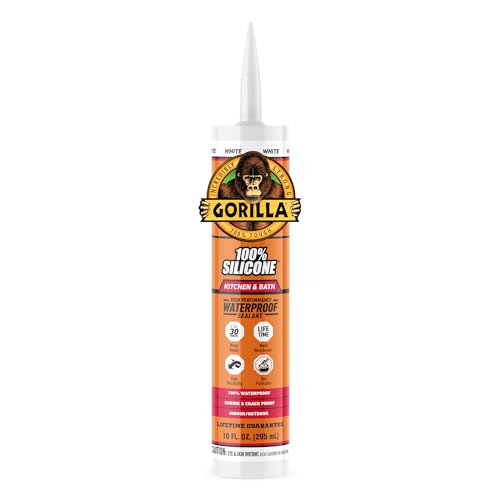
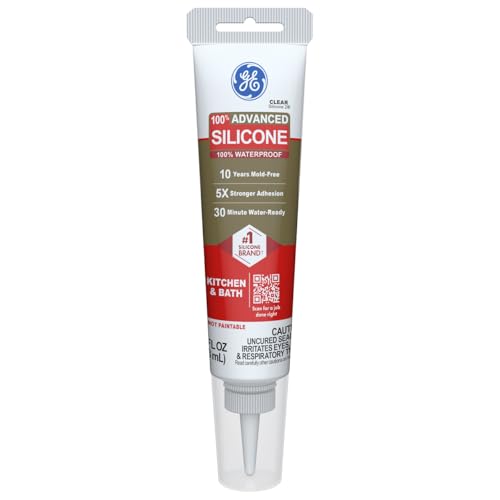
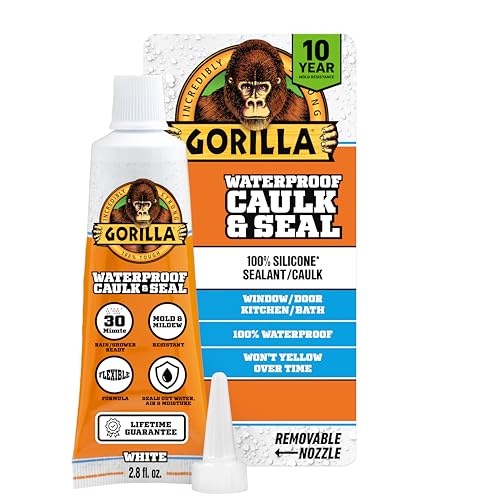

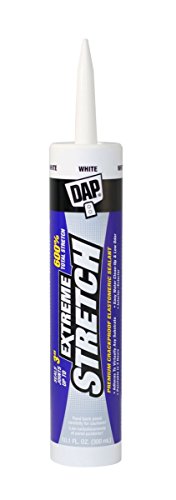
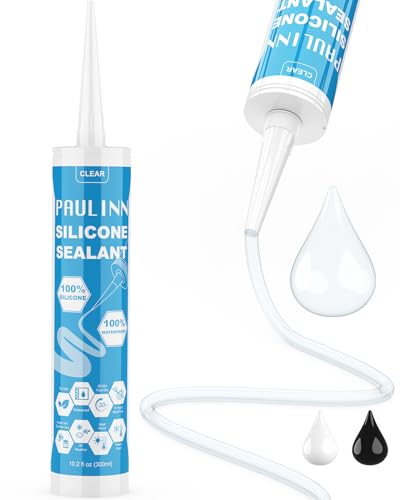
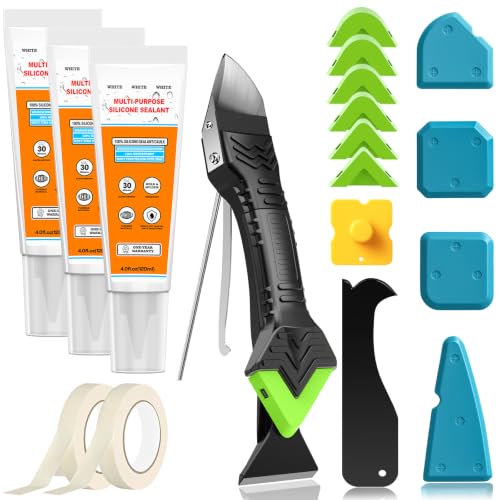
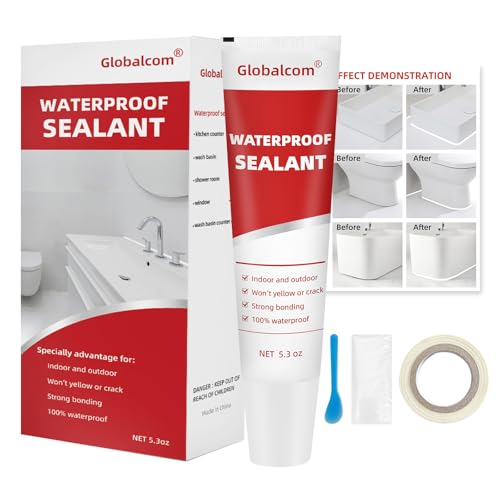
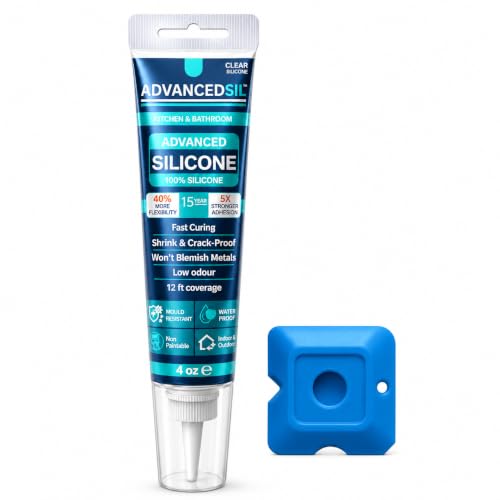
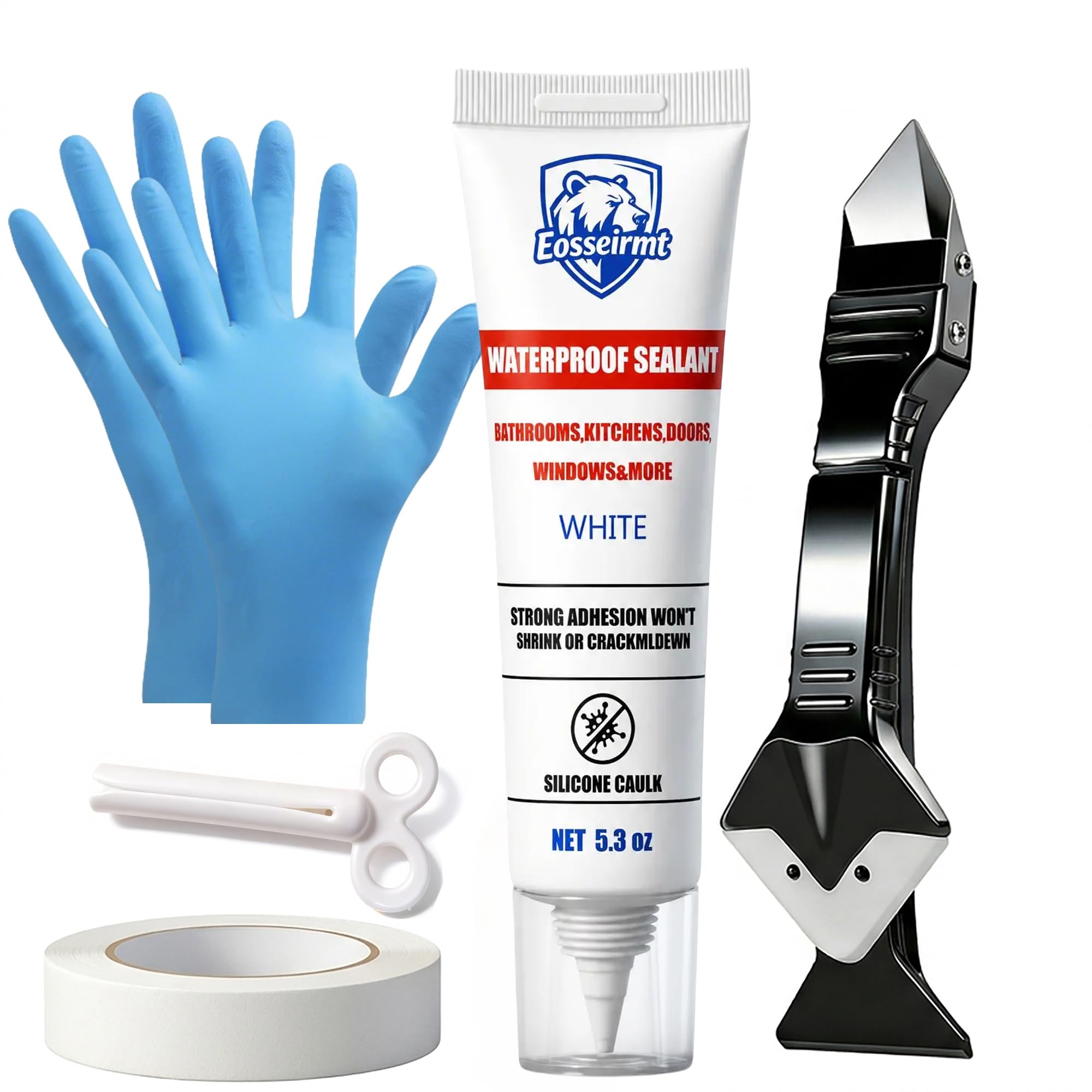

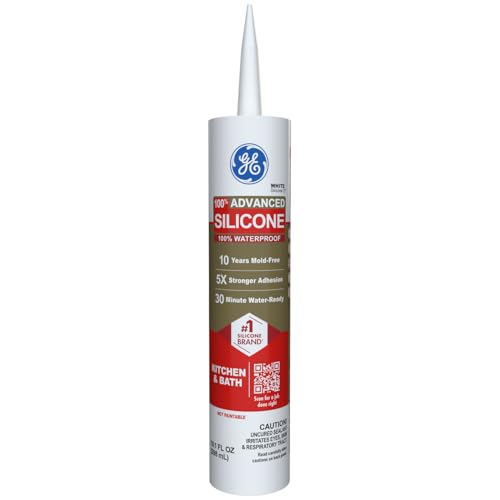
Who Should Buy Caulk for Showers and Tubs
These caulks suit homeowners resealing a shower, tub surround, or bathroom joint where water exposure is constant. They also suit landlords and renovators refreshing a bathroom without full retiling. If your current seal is cracked, moldy, peeling, or letting water behind tiles, a proper reseal is a worthwhile weekend job.
They are a weaker fit for structural repairs, for large gaps that need backing material, or for surfaces with active leaks, rot, or loose tiles, where the underlying problem must be fixed first. Caulk seals a joint, it does not repair a damaged wall. Seek professional help if you see soft walls, persistent damp, or mold spreading beyond the seal line.
Types of Caulk for Showers and Tubs
Pure silicone caulk
Pure silicone caulk offers excellent water resistance, flexibility and long life in wet areas, which makes it the standard choice for showers and tubs. It adheres well to tile, glass and porcelain when surfaces are clean and dry. It cannot be painted, and it needs a silicone specific remover for old residue, so preparation matters.
Hybrid polymer caulk
Hybrid polymer caulk combines silicone like flexibility with better paintability and adhesion to varied surfaces. It suits joints where you may want to paint nearby or where adhesion to mixed materials is tricky. Check bathroom suitability on the label, because not every hybrid product is rated for constant wet use.
Acrylic latex caulk with silicone
Acrylic latex caulk with silicone is easier to apply and clean up, and it can be painted, but it is less durable in constantly wet shower joints. It suits dry bathroom areas, such as trim away from direct water, better than shower corners. For a shower or tub joint itself, silicone or hybrid usually lasts longer.
Key Features to Compare
Mold resistance
Mold resistance is crucial in a shower, so look for products labeled for kitchen and bathroom use with mold resistant additives. No caulk stays mold free forever without cleaning, so ventilation and regular wiping matter as much as the product. Replace a seal promptly when mold grows beneath the surface rather than only on it.
Adhesion to your surfaces
Adhesion depends on surface type, with tile, porcelain, glass, acrylic and enamel each behaving differently. Clean surfaces thoroughly, remove all old caulk and soap residue, and let joints dry fully before applying. A new seal over old residue is the most common reason for early peeling.
Flexibility and joint movement
Flexibility matters because tubs, shower trays and walls move slightly with weight, temperature and use. A flexible seal absorbs movement without cracking, while a rigid seal fails quickly. Check movement capability on the label and avoid filling very wide gaps with caulk alone, where backing rod is needed.
Application and curing
Application ease affects the final look, with a smooth bead, proper tooling and correct curing time all contributing to a neat seal. Choose a nozzle size that matches joint width, tool the bead with a wet finger or tool, and respect curing time before showering. Rushing curing is a common cause of a seal that looks fine but fails early.
Common Mistakes to Avoid
A common mistake is applying new caulk over old caulk, which prevents adhesion and traps mold underneath. Another is showering before curing is complete, which washes or distorts the bead. A third is using a paintable acrylic caulk in a constantly wet joint, where silicone would have lasted far longer.
Budget and Long Term Value
Bathroom caulk itself is inexpensive, with silicone and hybrid products costing a little more than basic acrylic. Value comes from preparation tools, a good caulk gun, and time spent cleaning and drying, rather than from the tube price alone. A careful reseal that lasts years is far cheaper than water damage repairs caused by a failed seal.
Getting the Most From Your Choice
Remove old caulk fully, clean with a suitable bathroom cleaner, dry the joint, and tape edges for a neat bead if you are new to caulking. Apply in steady strokes, tool immediately, remove tape while wet, and leave the shower unused for the full curing period. Ventilate the bathroom during and after application, and check the seal monthly for cracks or mold.
A Closer Look Before You Buy
Think about ventilation in your bathroom, because a seal that stays damp constantly will mold and fail far sooner than one that dries between showers. An extractor fan, an open window, or simply leaving the door ajar after showering all help the joint dry. If your bathroom has no fan and poor airflow, improving ventilation may matter more than choosing a premium caulk.
Also consider the condition of grout and tiles around the joint, because caulk cannot compensate for cracked grout, loose tiles, or a shower tray that moves excessively. Inspect the whole shower area before resealing, and repair loose tiles or failing grout first. A new seal over a failing substrate will peel again, no matter how good the product is.
Finally, think about cleaning products and habits, because harsh bleach, abrasive pads and strong solvents can degrade a seal over time. Use mild bathroom cleaners, rinse after cleaning, and avoid scrubbing the seal itself aggressively. Gentle, regular cleaning keeps a seal looking neat and extends its life considerably.
Plan the reseal for a period when the shower can stay unused and the bathroom can be ventilated, such as a weekend when household members can use another bathroom. Rushing a reseal before guests arrive or before a busy morning often leads to showering before curing finishes, which undermines the whole job. A calm timetable, with drying time built in, is one of the cheapest ways to make a seal last years instead of months.
Related Guides Worth Reading
Related reading: our guide to best shower tubs explains how that option compares, so you can place it beside best caulk for showers and tubs before you decide.
If your shortlist grows wider than best caulk for showers and tubs alone, best shower doors for tubs is a useful next read for seeing the broader trade offs.
For context beyond this guide, see best caulk for bathtubs and showers, which covers a closely related choice that many buyers weigh at the same time.
You may also want to read best caulk for bathroom tubs if that related category could suit your routine better than best caulk for showers and tubs.
A related guide, best caulk for acrylic tubs, adds detail on a neighboring option that often appears on the same shortlist.
Frequently Asked Questions
How long does shower caulk last?
Well applied silicone shower caulk often lasts several years, depending on water exposure, cleaning, ventilation and movement. Signs of failure include cracking, peeling, discoloration and mold beneath the surface. Inspect seals every few months and reseal promptly when failure appears, because delay allows water damage.
Can I caulk over old caulk?
No, new caulk adheres poorly over old caulk and traps moisture and mold underneath. Remove old caulk fully with a remover tool, clean residue, and dry the joint before applying new seal. The extra preparation time is what makes a reseal last.
How long must caulk cure before showering?
Curing time varies by product, temperature and humidity, so follow the label guidance, usually at least 24 hours for shower use. Cooler or humid bathrooms may need longer. Showering too early can distort the bead and reduce adhesion, so plan the job when the shower can stay unused.
Is silicone or acrylic better for showers?
Silicone is generally better for shower and tub joints because it resists constant water and flexes with movement. Acrylic is easier to paint and clean up but less durable in wet joints. Hybrid products can offer a middle ground, provided they are rated for bathroom wet areas.
When should I call a professional for a shower seal?
Call a professional if tiles are loose, walls feel soft, water damage is visible, mold is extensive, or the leak source is unclear. Caulk cannot fix structural or plumbing problems. A professional can assess whether retiling, waterproofing or plumbing repair is needed before resealing.
Final Thoughts
Choosing best caulk for showers and tubs well is mostly about preparation and patience: clean, dry surfaces, the right silicone or hybrid product, and a full cure before showering. Use the product table above to compare types, then take time with removal and application. A neat, lasting seal protects your bathroom far beyond its small cost.
