
Best Caulk for Acrylic Tubs: Every Type Explained Side by Side for 2026
Disclosure: We may earn a commission when you buy through links on this page, at no extra cost to you. As an Amazon Associate I earn from qualifying purchases. Learn more
Compare the best caulk for acrylic tubs by type, flexibility, mold resistance and price range to choose the right style.
Walk into any hardware store and the caulk aisle offers a dozen tubes that all claim to seal a tub. Yet acrylic tubs flex as they fill and drain, and the wrong caulk cracks, peels, or grows mold within a year. Some formulas can even dull or damage the acrylic surface itself. The best caulk for acrylic tubs is the one matched to how acrylic moves and how wet the joint stays.
This guide compares each caulk type side by side, then shows you how to choose based on flexibility, adhesion, and cleanup. Check the comparison table below for the quick view, then read on for the details that decide how long your seal actually lasts.


Types of Caulks Compared
Four caulk families cover nearly every acrylic tub job. They differ in chemistry, and chemistry decides flexibility, water resistance, and how forgiving each one is to apply. Prices below are typical for a standard cartridge or squeeze tube.
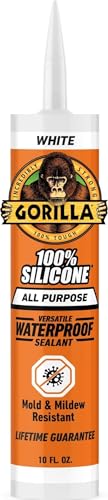
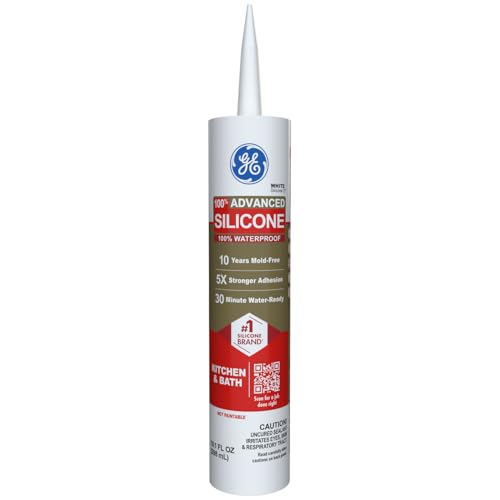
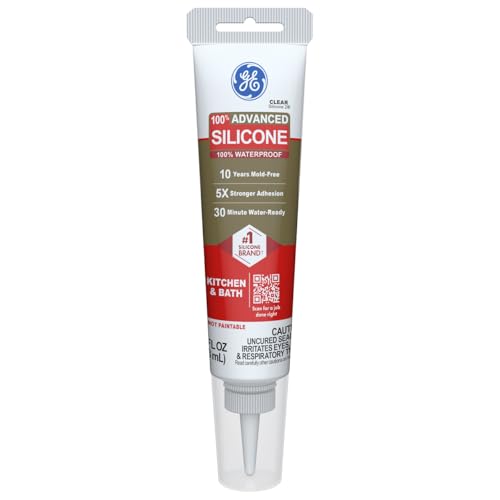
100 Percent Silicone Caulk
Pure silicone is the most waterproof and flexible option, and it stays elastic for many years without cracking. It bonds well to acrylic as long as the surface is clean and fully dry before application. The trade offs are real: it cannot be painted, cleanup needs mineral spirits rather than water, and its strong smell calls for ventilation while it cures. A kitchen and bath grade silicone with mold resistance, usually around $8 to $14 a tube, is the default choice for the tub to wall joint that sees daily water. If you also need to seal tile or a shower surround, our guide to the best caulk for tubs and showers covers those joints too.
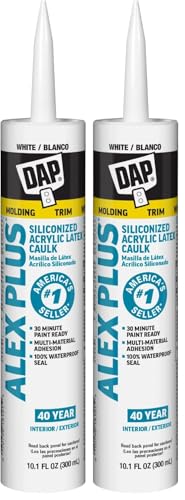
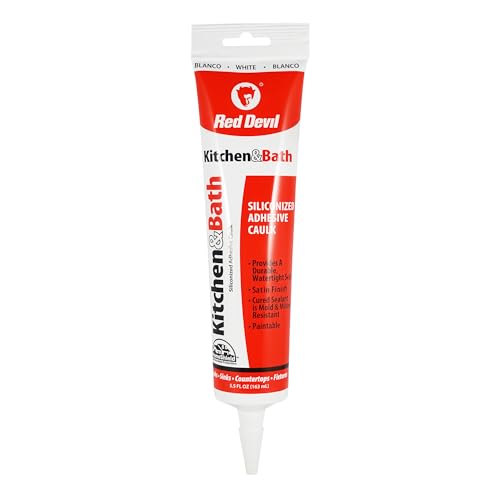
Siliconized Acrylic Latex Caulk
This hybrid blends acrylic latex with silicone for easier handling. It tools smoothly with a wet finger, cleans up with water, and accepts paint, which makes it friendly for visible trim joints. Its water resistance is good but not equal to pure silicone, so it suits splash zones and the outer edges of a tub better than the main waterline seam. Expect to pay around $5 to $9 a tube. Plan on a shorter service life in constantly wet spots, often five to seven years before the bead needs renewal. Our guide to the best acrylic caulk explains where latex based formulas perform best around the bathroom.
Hybrid Polymer Caulk
Hybrid polymer formulas, sometimes sold as advanced polymer or tripolymer sealants, aim to combine silicone level flexibility with paintability and low odor. They grip acrylic and most surrounding materials well, resist mold, and cure without the strong vinegar smell of standard silicone. They cost more, usually around $10 to $18 a tube, and they can be stickier to tool into a neat bead. For a one time job on a quality tub, the extra cost is small next to the labor of redoing a failed seam. Choose this type when you want one product for the tub joint, the surround, and nearby trim.
Specialty Kitchen and Bath Formulas
Kitchen and bath labels appear across all three chemistries, and the label signals added mold and mildew resistance plus a formula tested for constant humidity. That matters because bathroom joints rarely dry fully between showers. Some specialty tubes also promise faster water readiness, letting you shower sooner after application. Read the fine print for two things: an explicit statement that the product is safe for acrylic and plastic, and the stated time before water exposure. If your tub is the fixture itself you are shopping for next, our guide to the best acrylic tubs explains the material in more depth.
Squeeze Tube vs Caulk Gun: Which Should You Choose?
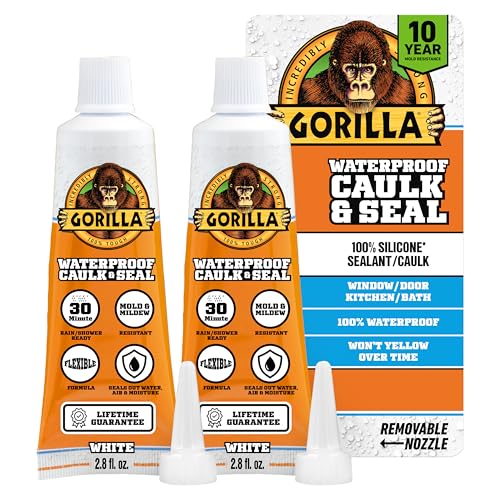
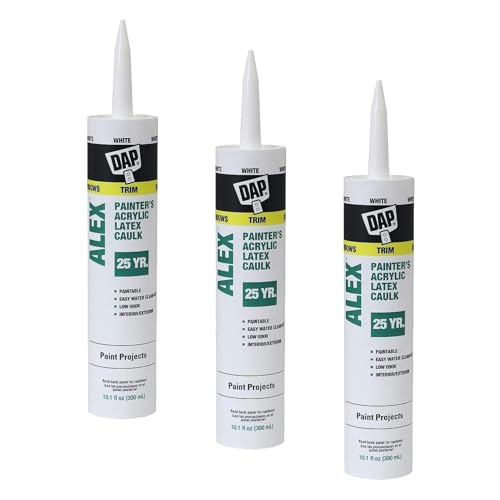
Format is the second decision after chemistry. Squeeze tubes, usually 3 to 6 ounces, need no tools, store easily, and suit a single short seam or a repair. Their downside is uneven pressure, which makes a long, smooth bead harder to lay. Standard 10 ounce cartridges in a caulk gun give steady flow, better control on long tub runs, and lower cost per ounce. A ratcheting gun for around $10 is enough for most homeowners, while a smooth rod gun gives finer control. Battery powered guns exist for contractors sealing many tubs, but for one bathroom they are money spent on speed you do not need. Choose the cartridge and gun for a full recaulk, and keep a squeeze tube for touch ups.
How to Choose the Right Caulk
Features That Matter for Acrylic Tubs
Acrylic moves more than cast iron or tile, so flexibility is the feature that matters most. Look for a cured bead that stays elastic and a label that lists acrylic or plastic among approved surfaces. Mold resistance matters nearly as much, since the tub joint stays damp. Check the stated cure time and water ready time as well, because a household with one bathroom cannot wait three days. Finally, match color carefully: clear caulk shows the joint behind it, while white or almond hides small gaps and usually looks cleaner on acrylic.
Warranty and Brand Support
Caulk warranties are usually expressed as years of expected performance, such as a lifetime or 10 year mold resistance claim, rather than a service promise. Those claims only hold when the surface was prepared exactly as directed, so save the tube or a photo of the label. Established makers publish clear surface compatibility charts and answer application questions, which helps when your surround material is unusual. If a no name tube will not state whether it is safe for acrylic, treat that silence as your answer and choose a documented product instead.
Performance Specs That Actually Matter
For caulk, the useful specs are cure time, water ready time, and movement capability rather than power numbers. Movement capability, sometimes printed as a class rating or a percentage, tells you how much the joint can stretch without tearing; higher is better for acrylic. Skin time tells you how many working minutes you have to tool the bead, often five to fifteen. A wider temperature range for application helps in cold bathrooms. Ignore oversized marketing claims on the front and read these four numbers on the back, because they predict how the bead behaves in your tub.
Application Method and Cleanup
Your application method shapes the result as much as the caulk itself. Cartridges need the tip cut at a 45 degree angle with an opening slightly smaller than the bead you want. Squeeze tubes give less control but need no gun. Water cleanup formulas forgive mistakes and suit patient beginners, while silicone demands tape lines and a steady hand because smears resist wiping. Whichever you choose, dry fit your approach first: tape both sides of the joint, apply one continuous run, tool once, and pull the tape before the bead skins over.
How to Make Your Caulk Last Longer
Preparation decides lifespan more than brand. Remove every trace of old caulk and soap film, then wipe the joint with rubbing alcohol and let it dry fully, because new caulk will not bond to residue. Here is a point many guides skip: fill the tub with water before you caulk and leave it full while the bead cures. The weight flexes the acrylic to its working position, so the cured bead is not stretched the first time someone takes a bath. Ventilate the room during curing, keep water off the joint for the full stated time, and squeegee the seam after showers to slow mold growth.
Caulks: Your Questions Answered
What features matter most in caulks for acrylic tubs?
Lasting flexibility and confirmed acrylic safety matter most. The bead must stretch as the tub flexes under water weight without tearing away from either surface. Mold resistance comes next, because the joint rarely dries completely. Also weigh water ready time if the tub is your only bathing option. A slightly costlier tube with clear acrylic approval beats a bargain tube that etches or releases from the surface within months.
What specs matter most for home projects?
For a home recaulk, focus on water ready time, skin time, and tube size. Water ready time tells you when showers can resume, often 12 to 24 hours for fast formulas and longer for standard ones. Skin time of about ten minutes gives beginners room to tool the bead calmly. One 10 ounce cartridge covers a standard tub surround, so a single tube plus a spare for mistakes is the practical buy for most homes.
Squeeze tube or cartridge and gun: which is better for DIY?
A cartridge and basic gun are better for a full tub because steady pressure lays an even bead along long runs. Squeeze tubes win for small repairs, where setup and cleanup of a gun take longer than the job. If your hand strength is limited, a gun also multiplies your squeezing force and reduces fatigue. Borrow or buy the gun for the main job and keep the squeeze tube in the cabinet for the odd corner repair later.
Can I use one caulk for acrylic, fiberglass, and tile?
Often yes, if the label lists all three surfaces, as many kitchen and bath silicones and hybrids do. The caution is solvent content: a few aggressive formulas can craze plastic based materials, so the acrylic approval is the one to verify first. When in doubt, test a pea sized dab in a hidden spot and check it after curing. For freestanding models with exposed outer joints, our guide to the best acrylic freestanding tubs shows why visible seams deserve the neatest bead you can lay.
Is premium mold resistant caulk worth it?
In a busy bathroom, yes. Premium kitchen and bath formulas carry stronger mildewcides and keep their color longer, which delays the strip and redo cycle by years. The price gap over basic caulk is only a few dollars per tube, while the labor to redo a joint is an afternoon. The exception is a rarely used guest bath, where ventilation is good and moisture is low. There, a mid priced siliconized acrylic usually performs perfectly well.
Final Thoughts
Choose chemistry first: pure silicone or a quality hybrid for the wettest joint, siliconized acrylic latex where paintability and easy cleanup matter more. Confirm the label approves acrylic, respect the full cure time, and fill the tub with water while the bead sets. Compare the candidates in the product table above against those points, and the best caulk for acrylic tubs for your bathroom becomes an easy, confident choice.
