
Best Caulk for Bathroom Tubs: Budget, Midrange, and Premium Tiers for 2026
Disclosure: We may earn a commission when you buy through links on this page, at no extra cost to you. As an Amazon Associate I earn from qualifying purchases. Learn more
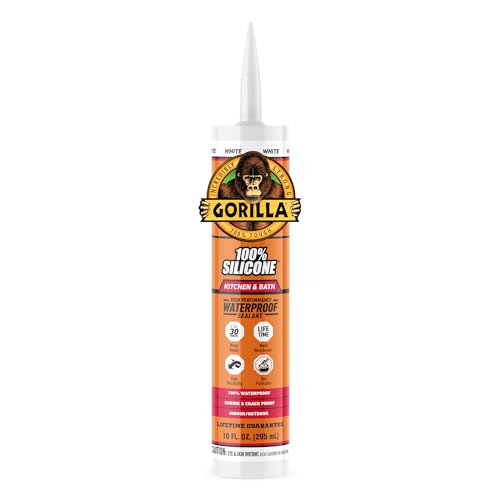
Compare the best caulk for bathroom tubs by price tier, see what each level delivers for flexibility, mold resistance, and cure time, and spend wisely.
A tube of tub caulk can cost about $4 or about $18, and both promise a watertight seal. The gap is not just branding: chemistry, mold protection, and cure speed all change as price rises, and some upgrades matter far more than others around a bathtub. The best caulk for bathroom tubs for your home depends on which of those upgrades your bathroom actually needs.
This guide breaks the market into three price tiers and shows what each one really delivers. Start with the comparison table below, then use the tier profiles to match a tube to your tub material, your ventilation, and how soon you need the shower back.
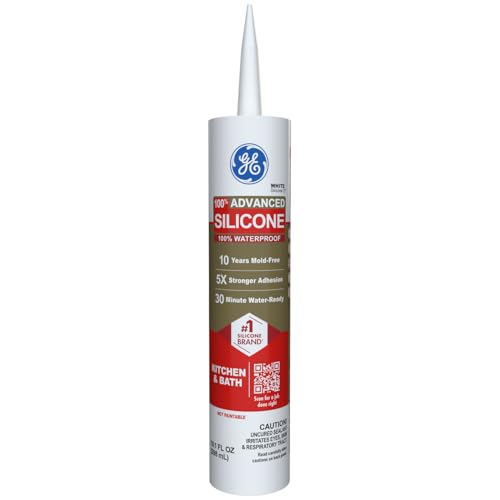

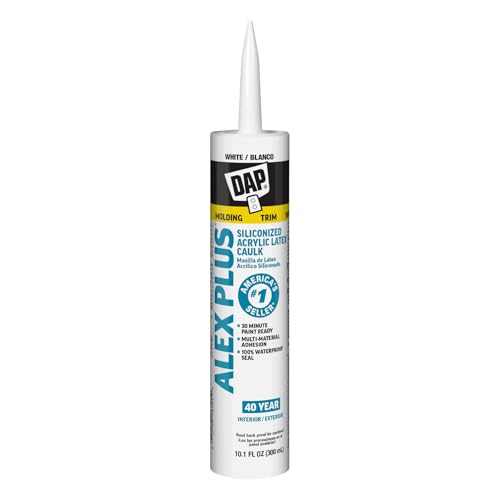
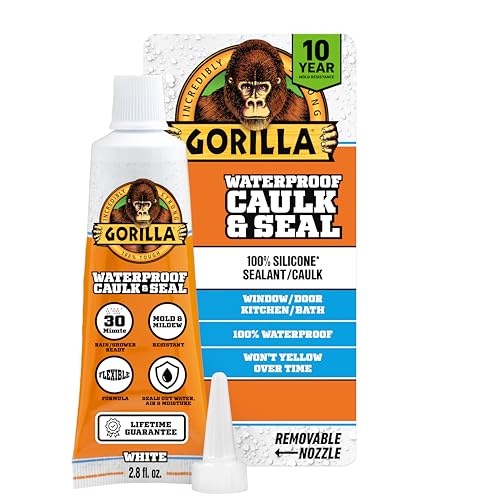

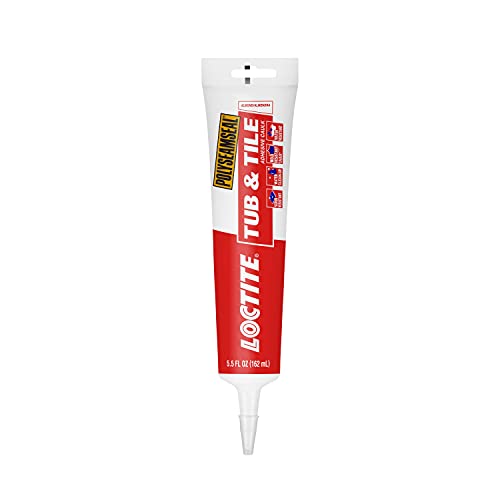
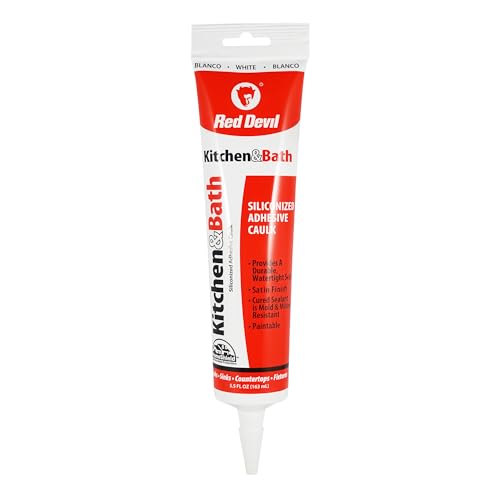

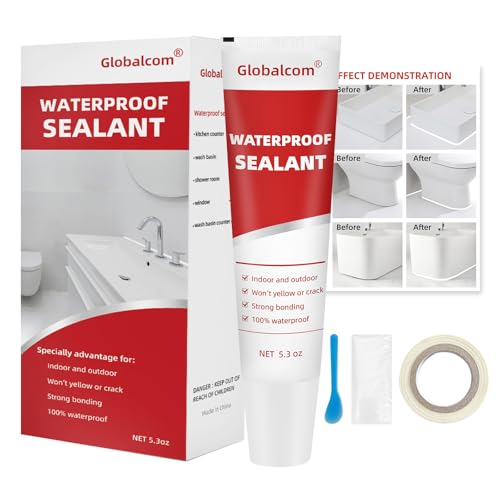
What Each Budget Level Should Deliver
Instead of naming specific products, judge any tube in the product table above against these tier profiles. If a tube charges premium money without premium traits, move on.
The Budget Tier Profile
A good budget tube, around $4 to $7, should still be a kitchen and bath formula with basic mold resistance and clear approval for your tub material. At this level you typically get siliconized acrylic latex or a basic silicone, a standard cure time of about 24 hours before water exposure, and water based cleanup on latex versions. The compromise is longevity: expect the bead to need renewal sooner, often in three to five years in a busy bathroom. This tier suits guest baths, rental turnovers, and short seams. If a budget tube lacks any mold resistance claim, skip it, because that single omission causes most early failures.
The Midrange Tier Profile
Midrange tubes, around $7 to $12, are where most homeowners should shop. This level buys stronger mildewcides, better flexibility that survives tub movement, and faster water ready times, often 12 hours or less. Pure silicone and better siliconized formulas both live here, along with color choices beyond basic white, such as clear and almond. Adhesion improves too, so the bead holds on acrylic, fiberglass, and glazed tile without primer. For a family bathroom used twice a day, the step up from budget usually doubles the years between recaulking jobs, which makes it the cheapest tier per year of service.
The Premium Tier Profile
Premium tubes, around $12 to $18, add hybrid polymer chemistry, the strongest mold resistance ratings, and in some cases water readiness in as little as 30 minutes to a few hours. They also tend to stay brighter, resisting the yellowing that makes older white beads look dirty even when clean. You may get low odor curing and paintability in the same tube, a rare combination. This tier pays off in a primary bathroom with poor ventilation, where moisture lingers and mold pressure is constant. If your fan is strong and the room dries quickly, premium chemistry is nice insurance rather than a necessity.
What Your Money Gets You at Each Price Tier
Budget Tier: What to Expect
Budget caulk covers the basics: a flexible seal, simple application, and enough mold resistance for low moisture rooms. Finish quality depends more on your taping and tooling than on the tube. You will wait longer before using the shower, and you should inspect the bead each year for early cracking or dark spots. For a tub in a half bath or a guest suite, that trade is reasonable. Save the savings toward a decent caulk gun and a proper removal tool, both of which improve results more than a pricier tube would.
Midrange Tier: The Sweet Spot for Most Buyers
Midrange is where flexibility, mold protection, and cure speed all become genuinely good at once. Beads stay elastic through years of hot water expansion and contraction, and mildewcides keep working long after budget formulas fade. Most tubes at this level state performance windows of ten years or more. Application also gets easier, with smoother flow and less stringing. When shoppers ask where the value sits among caulks for bathroom tubs, this is the tier we point to first, and our broader guide to the best bathroom caulk shows how it fits sinks and showers as well.
Premium Tier: When Spending More Pays Off
Spending more pays off when the cost of failure is high. A primary bathroom that cannot stay dry, a heavy cast iron tub that flexes grout lines, or a one bathroom home that needs the shower back the same evening all justify premium tubes. Fast cure formulas alone can be worth the price when guests arrive tomorrow. Premium also makes sense before selling a home, since a bright, clean bead photographs well and signals care. If none of those situations sounds like yours, midrange delivers nearly the same daily experience for less.
Features Worth Paying For (and Ones to Skip)
Application Format: Squeeze Tube or Cartridge
Format is a feature worth choosing deliberately. Squeeze tubes cost a little more per ounce but need no gun and excel at short repairs. Cartridges paired with a basic gun lay smoother long beads and cost less per ounce, which matters on a full surround. Dripless guns, a small upgrade, stop flow the moment you release the handle and prevent the blobs that ruin a neat line. Skip oversized contractor packs for a single bathroom; opened caulk has a shelf life, and dried leftovers are wasted money rather than savings.
Features That Matter for Bathroom Tubs
Three traits deserve your money around a tub: lasting flexibility, strong mold resistance, and confirmed compatibility with your tub surface. Flexibility keeps the bead sealed as the tub expands with hot water and shifts under weight. Mold resistance keeps it looking clean in a joint that rarely dries. Compatibility protects acrylic and fiberglass from solvents that can dull or craze the finish. If you are also choosing the fixture, our guide to the best bathroom tubs explains which materials flex most. Features to skip include extreme temperature ratings meant for engines and novelty colors you will tire of before the bead wears out.
Safety Features and Handling
Caulk safety is mostly about ventilation and skin contact. Many silicones release acetic acid or other vapors while curing, so run the bathroom fan, open a window, and keep children and pets out until the smell fades. Wear gloves if you tool the bead with a finger, and wash hands after work. Low VOC and low odor formulas cost a bit more and are worth it in small, windowless bathrooms. Never use caulk to hide active leaks or rot: sealant over wet, damaged material traps moisture and hides a problem that grows quietly behind the wall.
Weight, Ergonomics, and Control
A full size cartridge and gun get heavy on long vertical runs, especially overhead at a shower wall. If hand strength or arthritis is a concern, choose a smaller cartridge, a gun with a high mechanical advantage, or a squeeze tube for staged work in short sections. Smooth rod guns give steadier flow than notched rod designs and reduce the pulsing that makes beads wavy. Test your setup on cardboard first. Two minutes of practice teaches your squeeze rhythm better than any instruction sheet, and the real joint will look noticeably straighter for it.
Long Term Costs to Factor In
The tube is the smallest part of the true cost. Add a removal tool or solvent for the old bead, tape, gloves, and possibly a new caulk gun, and a typical job totals about $25 to $45 in supplies. The bigger cost is repetition: a budget bead replaced every four years costs more in time than a midrange bead replaced every ten. Water damage from a failed seal dwarfs both figures, since moisture behind a surround can rot framing silently. Inspect beads twice a year, reseal small gaps early, and your long term cost stays close to the price of one tube.
Caulks: Your Questions Answered
What features matter most in caulks for bathroom tubs?
Flexibility, mold resistance, and surface compatibility matter most, in that order. A bead that cannot stretch with the tub will split no matter how strong its mold protection is. Check that the label names your tub material, and favor kitchen and bath formulas over general purpose ones. Cure time is the practical fourth feature: a one bathroom household should value a 12 hour water ready time over a small price saving.
Is premium fast cure caulk worth it?
Fast cure formulas are worth it when the bathroom cannot stay out of service, because they return the shower to use in hours instead of a day or more. They also help when you must caulk shortly before guests arrive. In a second bathroom with no deadline, the same money buys little, since a standard cure finishes before the tub is needed. Read the water ready claim carefully, because some fast times apply only to light spray, not full showers.
Squeeze tube or cartridge: which is better for DIY?
For a whole tub, a cartridge and gun are better, giving even flow and enough material in one load. For a two inch repair, a squeeze tube is faster and leaves nothing to clean. Beginners often do their neatest work with a cartridge, tape lines, and a slow pace. Whichever format you pick, cut the tip smaller than you think; you can always widen it, but an oversized opening floods the joint and wastes caulk.
Can I caulk over old caulk to save money?
No, new caulk bonds poorly to old caulk and the shortcut usually fails within months. Old silicone especially repels everything, including fresh silicone. Remove the old bead fully with a removal tool, clean the joint with the solvent the new tube recommends, and let it dry. The extra hour of preparation is the highest value step in the whole job, because adhesion, not price tier, decides whether any bead survives its first year.
What specs matter most for home projects?
Water ready time, movement capability, and coverage matter most at home. Coverage tells you one 10 ounce cartridge handles a standard tub surround with a quarter inch bead, so you buy the right count. Movement capability shows the bead can handle tub flex. For combined jobs around tubs and shower walls, our guide to the best caulk for tubs and showers compares what each area needs. Keep a spare tube unopened; its shelf life covers the small repairs that appear over the next year.
The Bottom Line
Buy the tier that matches your moisture level and your deadline: budget for dry guest baths, midrange for most family tubs, premium where ventilation is poor or time is tight. Whatever tier you choose from the product table above, full removal of the old bead and a dry, clean joint matter more than price. Chosen that way, the best caulk for bathroom tubs is simply the tube whose strengths line up with your bathroom.
