
Best Caulk for Bathtubs and Showers by Budget: A Spending Guide for 2026
Disclosure: We may earn a commission when you buy through links on this page, at no extra cost to you. As an Amazon Associate I earn from qualifying purchases. Learn more
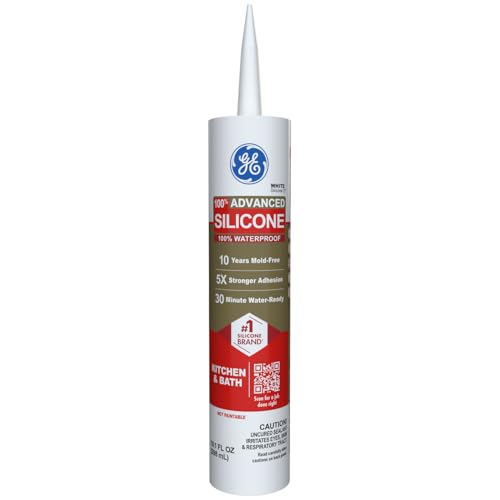
Compare the best caulk for bathtubs and showers by price tier, see what each level delivers for flexibility, mold resistance, and cure time today.
Tub and shower joints live the hardest life in the house: daily hot water, steam, soap film, and surfaces that expand and shift with every use. Caulk prices run from about $4 to about $18 a tube, and the difference shows up in flexibility, mold resistance, and how soon you can shower again. The best caulk for bathtubs and showers is the tier whose strengths match your bathroom, not simply the priciest tube on the shelf.
This guide walks through three budget tiers, the features actually worth paying for, and the long term costs most shoppers forget. Start with the comparison table below, then check your bathroom against the tiers before you buy.
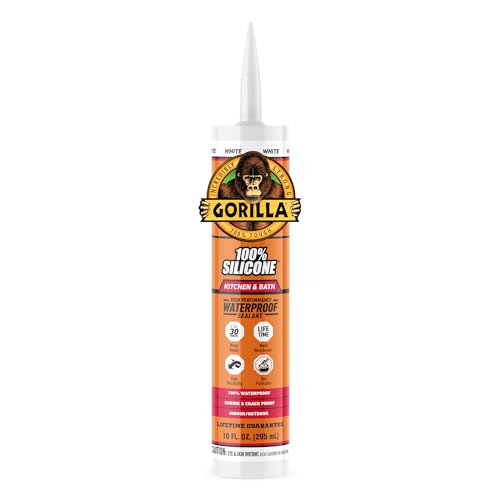
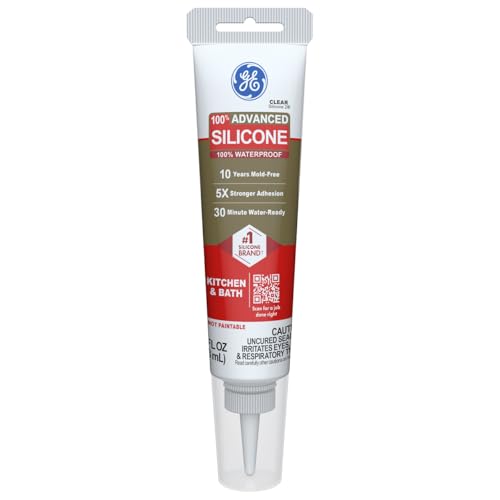
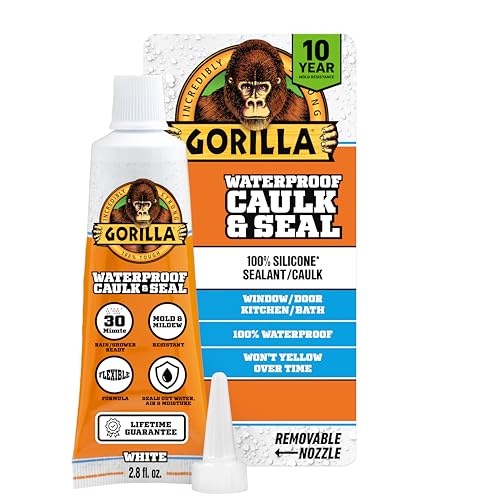

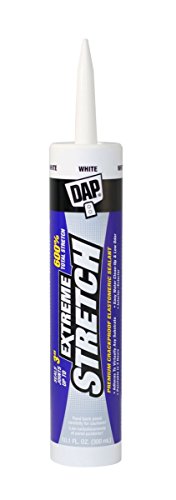
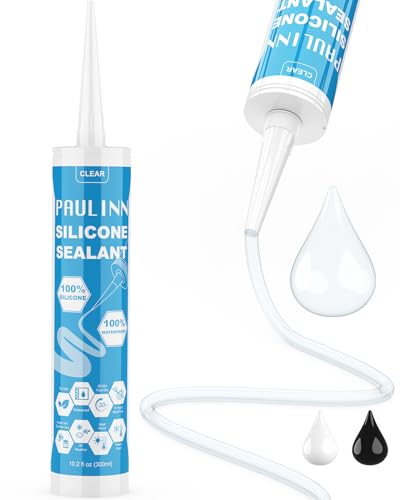
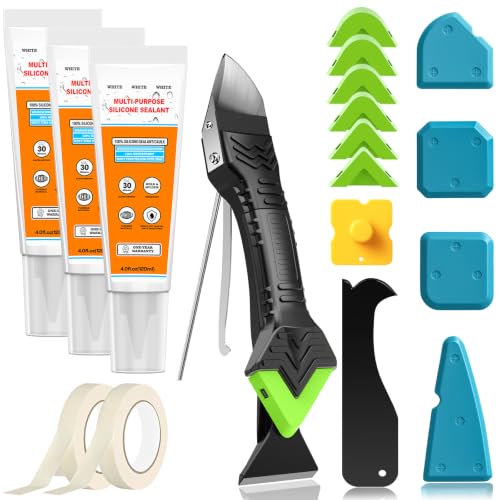
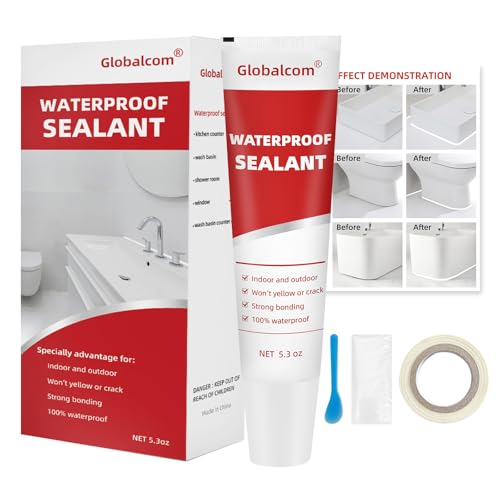
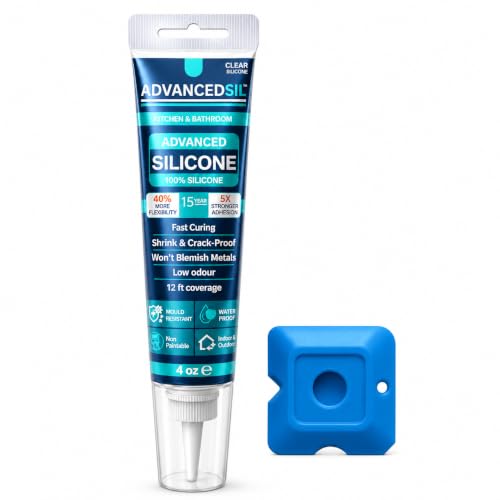
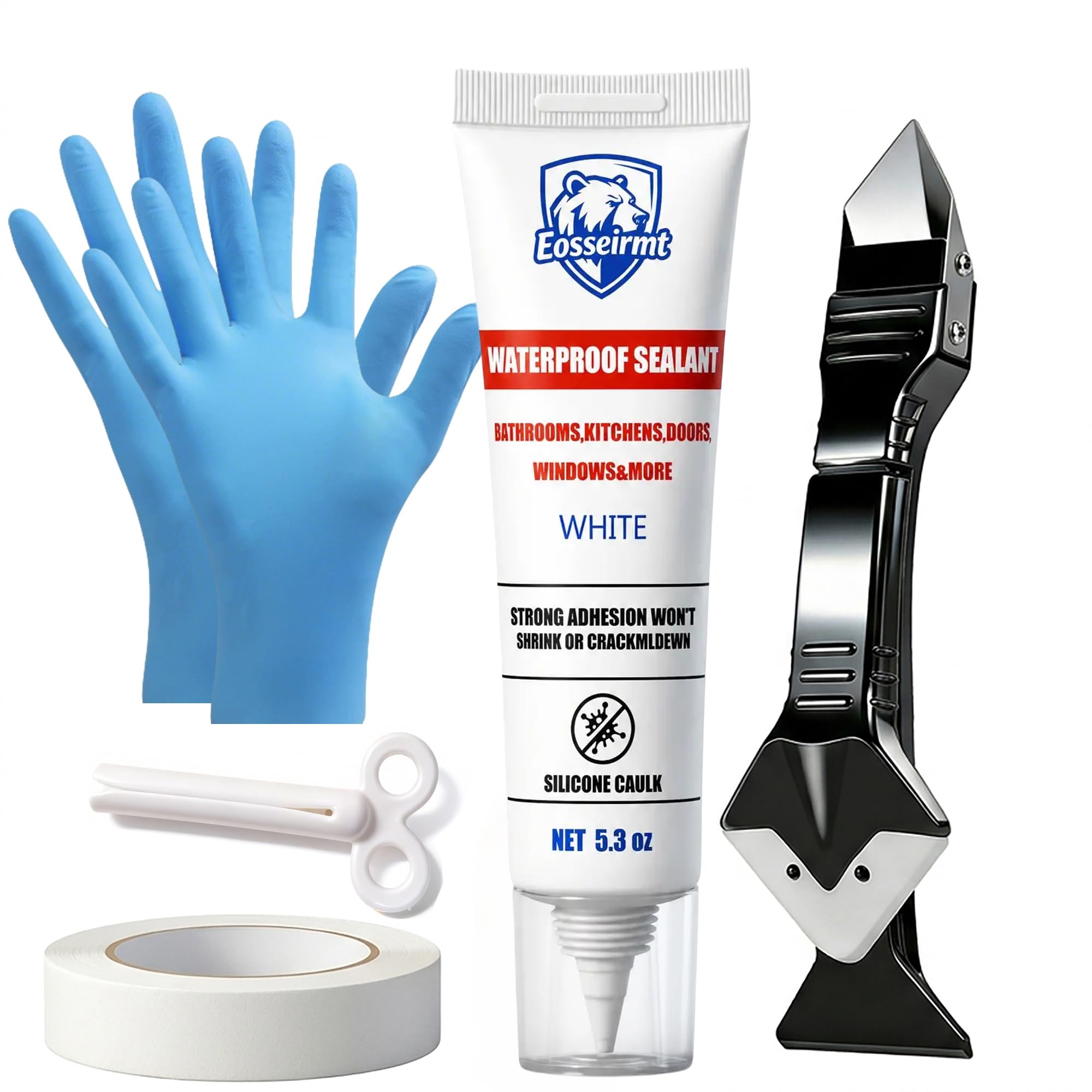

What Each Budget Level Should Deliver
Judge any tube in the product table above against these profiles rather than against brand names. A tube that charges for a tier without delivering its traits is poor value at any price.
The Budget Tier Profile
Budget tubes, around $4 to $7, cover the essentials: a flexible kitchen and bath bead with basic mildew resistance and a standard cure of about a day before water exposure. Siliconized acrylic latex dominates this tier, with water cleanup and easy tooling that beginners appreciate. The limits show up in steamy showers, where the bead may need renewal in three to five years, and in color stability, since cheap white formulas can yellow. This tier suits guest bathrooms, low use showers, and landlords sealing between tenants. If a budget tube is not labeled for kitchen and bath use, leave it on the shelf.
The Midrange Tier Profile
Midrange tubes, around $7 to $12, bring pure silicone and stronger hybrids into reach, along with mildewcides that keep working for years. Water ready times shrink to about 12 hours or less, and flexibility improves enough to handle fiberglass and acrylic surrounds that move noticeably. You also gain real color choice, including clear for tile lines and almond for older fixtures. For most homes this tier doubles the service life of a budget bead, which makes it the lowest cost per year. If you seal both a tub rim and a shower base in one weekend, midrange is the sensible default.
The Premium Tier Profile
Premium tubes, around $12 to $18, add the strongest mold resistance, the fastest water readiness, sometimes within the hour for light use, and hybrid formulas that stay bright and paintable. They resist shrinking and cracking at corners, where cheaper beads fail first. This tier earns its price in a primary shower used twice daily, in bathrooms with weak fans, and in one bathroom homes that cannot wait a day to shower. The honest limit is that premium chemistry cannot rescue poor preparation. A flawless budget job outlasts a rushed premium one, so buy this tier for its chemistry, not as a substitute for careful work.
What Your Money Gets You at Each Price Tier
Budget Tier: What to Expect
Expect a sound seal and simple handling, with patience required on cure time and a shorter inspection interval afterward. Budget beads tool easily and forgive beginners, which has real value on a first job. You give up speed and some stain resistance. In a dry, well ventilated bathroom those trade offs barely matter. Put the money saved toward a quality removal tool and fresh tape, since clean joints and crisp lines improve a budget job more than an upgraded tube would.
Midrange Tier: The Sweet Spot for Most Buyers
Midrange is where the three traits that matter, flexibility, mold resistance, and reasonable cure time, all arrive together. Beads survive the daily cycle of hot showers and cool downs without splitting at the corners. Most tubes here promise a decade or more of mold protection when applied to a clean, dry joint. Application feels better too, with steadier flow from the cartridge and less stringing as you lift the nozzle. For a combined tub and shower project, this tier covers both zones without compromise, and it is where we suggest most readers start and finish their search.
Premium Tier: When Spending More Pays Off
Spending more pays off when moisture never really leaves the room. Steam heavy showers, windowless bathrooms, and stone or tile surrounds that wick water all reward the strongest mildewcides and the most elastic beads. Fast cure formulas also pay when the only shower must work again tonight. Premium white formulas hold their brightness longest, which matters on visible tub rims. If your bathroom dries within an hour after a shower and sees moderate use, premium is insurance you may never claim on, and midrange will serve you just as well day to day.
Features Worth Paying For (and Ones to Skip)
Weight, Ergonomics, and Control
Shower work means vertical and overhead beads, where a heavy cartridge and gun tire your hand and wobble the line. A smooth rod gun with a dripless feature gives steadier flow and stops oozing when you pause at corners. Smaller cartridges or squeeze tubes suit short runs and tight corners behind faucets. If grip strength is a concern, work in stages and rest between walls. Practicing your pace on cardboard first costs two minutes and noticeably improves the real bead, because your hand learns the flow rate before it counts.
Application Format: Squeeze Tube or Cartridge and Gun
Choose format by job size. A full tub and shower surround takes most of a 10 ounce cartridge, and the gun lays a longer, steadier bead than hand squeezing can. Squeeze tubes shine on the final short seam or a repair six months later, with no gun to clean and no wasted cartridge drying out. Buying one cartridge for the main job plus one small squeeze tube for touch ups is the most economical pairing for most homes. Skip battery powered guns for a single bathroom; they solve a volume problem you do not have.
Safety Features and Room Safety
Caulking safety is ventilation first. Curing silicone releases vapors that irritate eyes and lungs in a small tiled room, so run the fan, open a door or window, and keep the space empty of children and pets until the odor clears. Wear gloves when tooling with a finger, and keep remover solvents away from open flames and pilot lights. Low odor and low VOC formulas cost slightly more and are a fair trade in tight bathrooms. Never seal over a joint that smells musty and feels soft behind the bead; that signals hidden moisture damage that needs repair, not a thicker layer of caulk.
Features That Matter for Bathtubs and Showers
Wet zone joints need four traits: strong adhesion to nonporous surfaces, lasting elasticity, serious mold resistance, and a cure schedule your household can live with. Adhesion keeps corners sealed where two walls and a tub rim all meet. Elasticity absorbs the movement of acrylic and fiberglass units, which flex underfoot and under water weight. For tub only projects, our guide to the best caulk for bathtubs goes deeper on rim joints. If your shower is a tub conversion, the guide to the best bathtubs for showers explains the layouts that create the trickiest seams.
Capacity and Coverage
Coverage decides how many tubes to buy, and running out mid bead leaves a visible seam. A standard 10 ounce cartridge lays roughly 25 to 30 feet of quarter inch bead, enough for a typical tub rim or one shower base, but not always both. Measure your joints, add the vertical corners, and buy one extra tube; unopened caulk keeps for about a year in a cool cabinet. Deep gaps need backer rod first, because caulk bridging a deep void sags and tears. Filling depth with foam rod also improves the bead shape and saves material.
Choosing Caulks for Your Situation
Best White Caulk for Bathtubs and Showers: Where Your Money Goes
Shoppers hunting the best white caulk for bathtubs and showers are really paying for brightness that lasts. Cheap white beads yellow as mildewcides fade and soap film builds, while midrange and premium whites use better pigments and stain resistance to stay clean looking for years. Match the shade to your fixture: bright white suits most modern tubs, while almond or biscuit blends better with older surrounds. A white bead also reveals mold early, which is an advantage, since you catch failing spots while the fix is still small. For a dedicated look at silicone options, see our guide to the best silicone caulk for bathtubs.
Long Term Costs to Factor In
The full job costs more than the tube. Add a removal tool, tape, gloves, and backer rod and most projects land around $25 to $45 in supplies, with a caulk gun if you do not own one. Repetition is the real expense: a bead replaced every four years consumes three afternoons in the time a ten year bead consumes one. Failed seals also risk hidden water damage behind surrounds, which costs orders of magnitude more than any tube. Inspect joints every six months, patch small gaps early, and treat the exhaust fan as part of the system, because dry air extends every tier of caulk.
Frequently Asked Questions
What features matter most in caulks for bathtubs and showers?
Elasticity and mold resistance matter most, because these joints flex daily and rarely dry fully. Adhesion to your exact surfaces comes next, so confirm the label lists acrylic, fiberglass, tile, or stone as applicable. Water ready time is the practical fourth trait for busy homes. A kitchen and bath label is the quick filter: general purpose caulk lacks the mildewcides these rooms demand and usually disappoints within a year or two.
What specs matter most for home projects?
Read water ready time, skin time, and coverage on the back of the tube. Water ready time sets your shower schedule after the job. Skin time, often five to fifteen minutes, tells you how calmly you can tool the bead. Coverage tells you whether one cartridge finishes the room. Also note the application temperature range if your bathroom runs cold in winter, since some formulas skin poorly in chilly, damp air.
Can I use the same caulk for the tub rim and the shower walls?
Yes, one kitchen and bath tube can serve both, and using a single product simplifies color matching and cure timing. The technique differs slightly: tub rims take a slightly larger bead to absorb flex, while shower wall corners take a thinner, neatly tooled line. If the shower has natural stone, confirm the caulk is labeled safe for stone, because some silicones can stain porous surfaces. When in doubt, test in a hidden corner and check after it cures.
Squeeze tube or cartridge: which is better for DIY?
A cartridge and gun are better for full surrounds because steady pressure produces an even bead along long runs and corners. A squeeze tube is better for repairs under about two feet, where setup time exceeds job time. Beginners often get their best result by taping both sides of the joint, using the gun, and moving slowly. Cut the nozzle tip conservatively; a small opening you widen beats a large one that floods the joint on the first squeeze.
Is a premium hybrid caulk worth it?
A premium hybrid is worth it in the wettest room of the house, where its elasticity and mold resistance delay the next recaulk by years and its low odor makes the job pleasanter. It is harder to justify in a guest bath that stays dry, where midrange silicone performs nearly identically. Consider your fan as part of the math: weak ventilation pushes value toward premium, while a strong fan and a window push it back toward midrange.
The Bottom Line
Match the tier to your moisture and your schedule: budget for dry guest baths, midrange for most homes, premium for steam heavy primary showers and tight deadlines. Prepare the joint fully, respect the cure time, and ventilate well, because those habits matter more than any single dollar of price. With the product table above as your shortlist, the best caulk for bathtubs and showers for your home is the tube whose tier fits the room it has to survive in.
