Best Ceiling Tiles 2026: Buying Guide
Disclosure: We may earn a commission when you buy through links on this page, at no extra cost to you. As an Amazon Associate I earn from qualifying purchases. Learn more

Check your grid size and room conditions first, then compare materials to find the best ceiling tiles for your space.
Choosing ceiling tiles feels confusing because the options look similar in photos yet behave very differently once installed. This guide to the best ceiling tiles compares the main types side by side, so you can judge look, sound control, moisture resistance, weight, and cost before you buy. The product table below gives a quick overview, and the sections that follow explain each type in detail.
Start by defining the room, not the tile. A basement, a bathroom, a kitchen, a home office, and a living room each place different demands on a ceiling, from damp air to noise to frequent access to pipes and wiring above. Once you know the room, the right tile type usually becomes much clearer.




Types of Ceiling Tiles Compared
| Type | Best For | Pros | Cons | Typical Price |
|---|---|---|---|---|
| Mineral fiber tiles | Offices and living rooms | Good sound control and low cost | Weak in damp rooms and easy to stain | Around $2 to $5 per tile |
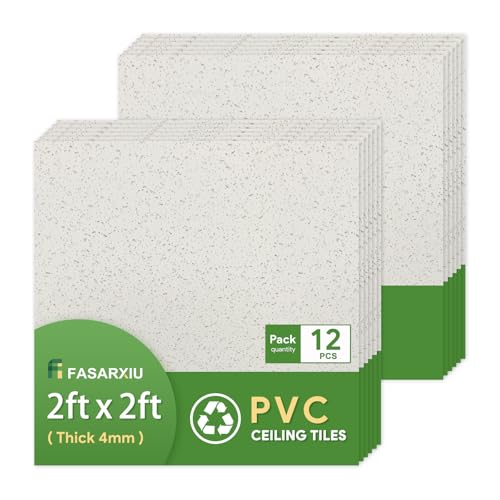
| PVC tiles | Bathrooms and basements | Moisture resistant and easy to clean | Less sound control and a plainer look | Around $3 to $7 per tile |
| Metal tiles | Modern rooms and kitchens | Durable and easy to wipe clean | Higher cost and more reflective sound | Around $5 to $12 per tile |
| Wood look tiles | Living rooms and dens | Warm appearance and good style range | Heavier and needs dry conditions | Around $4 to $10 per tile |
Mineral Fiber Tiles
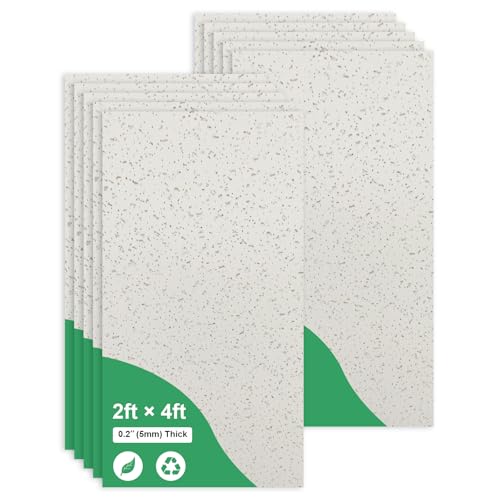
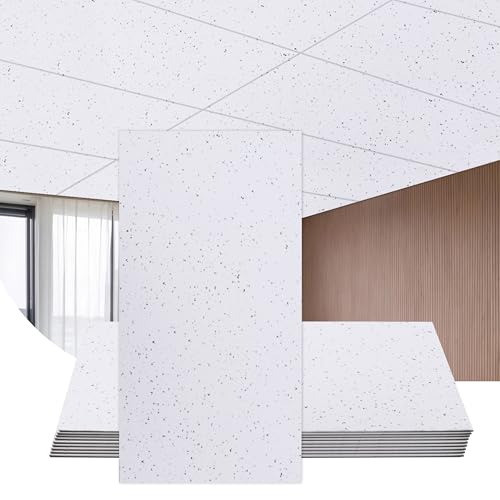
Mineral fiber tiles are the common choice for drop ceilings in offices, basements, and living spaces, because they absorb sound well and cost less than most alternatives. They come in many textures and edge styles, and they are light enough for most standard grid systems. Their main limits are moisture sensitivity and staining, so they suit dry rooms where leaks are unlikely and where a clean, neutral ceiling matters more than a bold design.
PVC Tiles
PVC tiles are made for damp rooms, because they resist moisture, wipe clean, and do not sag the way fiber tiles can after exposure to humidity. They suit bathrooms, laundry rooms, kitchens, and basements where steam or occasional splashes are a fact of life. Their trade offs are lower sound absorption and a look that can feel plainer than textured fiber or wood style tiles, so they work best where practical performance comes first.
Metal Tiles
Metal tiles bring durability and a crisp, modern look, with finishes that range from plain white to patterned and reflective styles. They resist stains, wipe clean, and hold their shape well, which makes them a strong choice for kitchens, hallways, and contemporary rooms. Their trade offs are higher cost, more weight to handle during install, and sound that can reflect more than fiber tiles, so pairing them with soft furnishings helps in echo prone rooms.
Wood Look Tiles
Wood look tiles give a warm, finished ceiling without the weight and cost of solid wood planks, and they suit living rooms, dens, and dining rooms where style is a priority. They can be real wood veneer or a printed wood pattern on a lighter core, so check the material before you buy. They need dry conditions, careful handling to avoid dents, and a grid rated for their weight, but the visual payoff is often the highest of the common types.
Mineral Fiber Tiles vs PVC Tiles: Which Should You Choose?
Choose mineral fiber tiles when sound control, cost, and a soft neutral look matter most, and the room stays dry. Choose PVC tiles when moisture, cleaning, and sag resistance matter most, and you can accept less sound absorption. For a bathroom or a damp basement, PVC usually wins.
For a dry office, bedroom, or living room, mineral fiber usually wins on comfort and price. If a room is both noisy and damp, consider PVC tiles plus rugs, curtains, and soft furniture to tame echo.
How to Choose the Right Ceiling Tile
Choosing well means checking fit, room conditions, and total cost together, not picking a tile on appearance alone. Work through the factors below in order, and you will avoid the most common mistakes, such as buying tiles that do not fit the grid or that fail in a damp room.
Size, Weight, and Fit for Your Space
Measure the grid opening, not just the room, because drop ceiling tiles are sold to fit standard grid sizes and a small mismatch can leave gaps or force trimming. Check tile thickness and weight against the grid rating, especially for metal and wood look tiles. Count tiles with extra pieces for cuts around lights, vents, and edges, and keep a few spares for future repairs.
Ease of Use and Setup
Light fiber and PVC tiles are the easiest to lift into place, while heavier metal and wood look tiles need more care and sometimes a second pair of hands. Check whether tiles can be cut with a simple utility knife or need a saw, and plan for dust and cleanup. Good access above the ceiling matters too, because tiles that lift out easily make future wiring and pipe work much simpler.
Intended Use and Who It Is For
Match the tile to the people who use the room. A home office needs sound control for calls, a playroom needs durability and easy cleaning, and a rental needs a low cost tile that is easy to replace. If ceiling mounted lights or fans are part of the plan, check weight limits and fixture support before you buy tiles. For lighting choices that sit in the same ceiling, see our guide to the best ceiling fans and plan fixture placement together with the tile layout.
Sound is another room level decision, because a ceiling alone rarely fixes a noisy room. If you plan ceiling mounted speakers, our guide to the best ceiling speakers can help you place speakers without clashing with tile cuts and grid lines. Keep speaker weight, wiring access, and tile removal in mind when you choose a tile type.
Price vs Value
Price per tile tells only part of the story, because grid parts, trim, tools, and spares add to the total. Budget tiles at around $2 to $5 each suit large dry rooms where replacement is easy. Midrange tiles at around $4 to $8 each often add better texture, moisture resistance, or durability. Premium tiles at around $8 to $12 or more each suit feature rooms where appearance matters most and the ceiling will stay in place for years.
Cutting tiles cleanly is part of getting good value, because a rough cut wastes tiles and spoils the finish. If you will trim many tiles around edges and fixtures, our guide to the best tile cutters explains the cutting options that suit different tile materials. Budget for the right cutting approach alongside the tiles themselves.
Setup and Care Tips
Read the maker guidance before first use, and check grid condition, level, and support before lifting tiles into place. Clean tiles with the method the maker recommends for that material, and inspect them regularly for stains, sagging, or water marks that may point to a leak above. Store spare tiles flat in a dry place, handle them by the edges, and replace damaged tiles promptly so a small problem does not spread to neighboring tiles.
Follow maker installation safety guidance, ventilate the room during cutting and install work, and wear eye protection when cutting. Keep loose tiles and tools away from children.
Ceiling Tiles: Your Questions Answered
What features matter most when buying ceiling tiles?
Fit, room conditions, sound control, and cleanability matter most, because a tile that does not fit the grid or fails in damp air is a poor buy at any price. Check grid size, thickness, weight rating, and moisture guidance before you compare patterns. Appearance matters too, but it should come after the practical checks that decide whether a tile will last in your room.
Are expensive ceiling tiles worth it?
Expensive tiles are worth it when their material, finish, or durability solves a real problem, such as a feature room ceiling that must look refined for years. They are less worth it in a large utility room, a rental, or a space where tiles may be replaced often. Judge premium tiles by visible quality, edge finish, and long term stability, not by price alone.
How long does a ceiling tile last?
A ceiling tile can last many years in a dry, stable room, but lifespan drops sharply with leaks, heavy humidity, or frequent handling. Fiber tiles stain and sag sooner in damp air, while PVC and metal tiles usually hold up longer under the same conditions. Replace any tile that shows water damage, mold signs, or sagging, and fix the moisture source before installing a replacement.
How much should I spend on a ceiling tile?
You should spend an amount that fits the room size, the tile material, and how long you expect the ceiling to stay in place. Small rooms can justify a higher price per tile, while large rooms favor budget or midrange tiles to keep the total reasonable. Always add grid parts, trim, cutting tools, and spare tiles to the budget before you compare per tile prices.
How do I maintain a ceiling tile?
Maintain ceiling tiles by dusting them gently, cleaning them only with methods suited to their material, and checking them for stains or sagging at least once a year. Avoid soaking fiber tiles, and avoid harsh cleaners on printed or coated surfaces unless the maker allows them. Keep spares from the same batch for matching replacements, since color and texture can vary between batches.
The Bottom Line
The right tile is the one that fits your grid, suits your room conditions, and matches how you use the space, not simply the most attractive tile in a photo. Start with moisture and sound needs, check size and weight, then compare price across the full job including spares and cutting. Review the product table above, choose the type that fits your room best, and the best ceiling tiles for your home will be the ones that still look good and perform well years after install.