Best Cast Iron Skillet: Size, Surface and Care (2026)
Disclosure: We may earn a commission when you buy through links on this page, at no extra cost to you. As an Amazon Associate I earn from qualifying purchases. Learn more

The best cast iron skillet guide: size, seasoning, weight, handles and price tiers.
Choosing the best cast iron skillet sounds simple until you compare sizes, weights, cooking surfaces and handle designs side by side. A pan that feels perfect for searing on gas can feel awkward on a smooth glass cooktop, and a large pan that feeds a family can be hard to lift when it is full of food. This guide sorts those tradeoffs so you can match the pan to your stove, your strength and the meals you cook most often.
You will find profiles for different kinds of cooks, clear explanations of size and surface types, and honest guidance on price tiers and care. Use the product table below to compare current options, then read the sections that follow to decide which combination of features fits your kitchen.


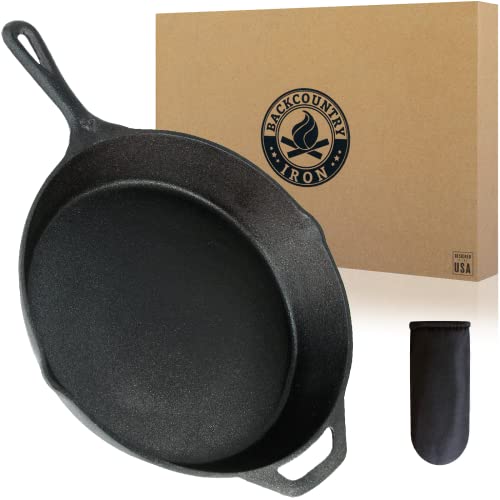


Three Buying Profiles and What to Prioritize
Most shoppers fall into one of three groups, and each group should weigh the same specs in a different order. Start with the profile closest to your routine, then use the later sections to confirm size, surface and budget.
The Everyday Family Cook
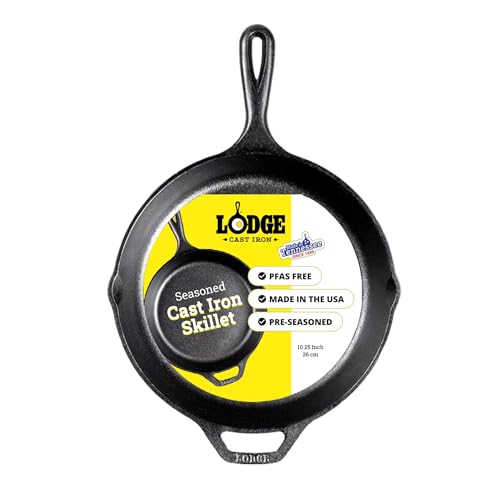
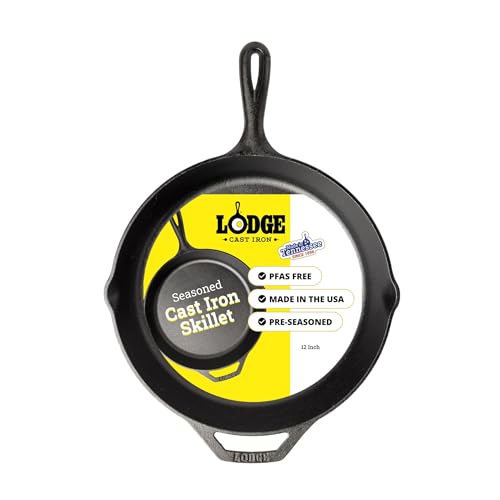
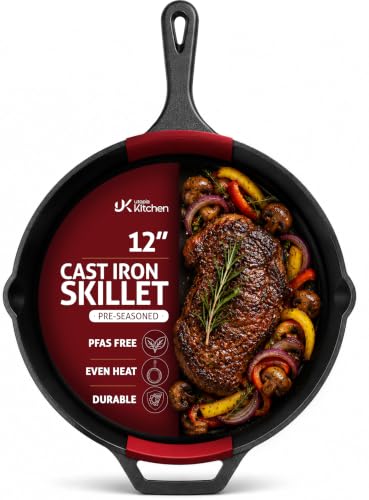
If you cook dinner four or more nights a week for two to four people, prioritize a 10.25 inch or 12 inch pan with two handles and moderate weight. That size browns chicken thighs, pork chops or vegetables without crowding, and a helper handle makes a full pan far easier to move. Look for pour spouts, walls high enough to contain splatter, and factory seasoning that lets you start cooking after a light wash and dry.
The Starter Cook Watching the Budget
If this is your first cast iron pan, prioritize value and forgiveness over extra polish. A classic 10.25 inch pan with factory seasoning and a simple long handle covers eggs, cornbread, burgers and one pan meals while staying in the lowest price tier. The surface may feel a little rough at first, but regular cooking smooths the feel over time. Skip lids and specialty shapes at first, and put the savings toward a sturdy spatula and oven mitts.
The Frequent High Heat Cook and Baker
If you sear steaks weekly, finish dishes in a hot oven or bake skillet breads, prioritize heat tolerance and stability. Choose thick walls, a flat and heavy base, and an all metal handle with no coating that could limit oven use. A 12 inch size gives proteins room so steam escapes and browning improves, while deeper walls help contain splatter. Weight matters less for you than a base that sits flat and holds heat well.
How to Evaluate Heat, Durability and Safety
Cast iron earns its reputation from mass. A heavier base stores more heat, so food keeps sizzling when you add cold ingredients, and the surface recovers faster between batches. That same mass makes the pan slower to preheat and harder to lift, so balance heat retention against handling. Check the empty weight, then imagine adding two to three pounds of food.
Durability comes from a single solid casting with no layered base to separate and no synthetic coating to wear away. With basic care, a pan can serve for decades because the working surface is seasoning, a layer of polymerized oil that you can renew at home. Plain cast iron contains no PFAS or PTFE coating, and small amounts of iron can transfer to food during cooking, which most healthy adults tolerate well. If you follow a diet that limits iron for medical reasons, ask your clinician whether frequent cast iron cooking fits your personal plan.
How to Choose the Right Size and Shape
Size and Form Factor
Diameter drives both capacity and weight, so choose it from your most common meal rather than your largest holiday meal. A 6 inch or 8 inch pan suits one egg or a small side dish, while a 10 inch or 10.25 inch pan handles two chicken breasts or a frittata for two. A 12 inch pan is the most versatile family size, fitting three to four portions and most cornbread recipes, and a 15 inch pan is best left to large burners and cooks who can lift it safely. Deeper pans add splatter control for frying, while shallower pans make flipping easier.
Type and Cooking Surface
Factory seasoned pans arrive ready to cook and are the easiest starting point for most buyers, which is why guidance on the best pre seasoned cast iron skillet is worth reading if you want to skip seasoning from bare iron. Enameled pans add a glass like coating that resists rust and handles acidic sauces well, but the coating can chip if struck hard. Lightweight and machined pans use thinner walls or a milled smooth surface to cut weight, though thinner walls store a little less heat. Square and grill style pans look appealing, yet their corners and ridges make cleaning slower.
Features Worth Paying For
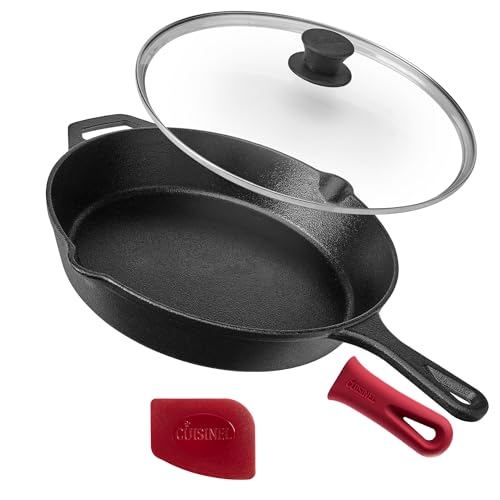
A helper handle is worth paying for on any pan 12 inches or larger because it turns a risky one handed lift into a controlled two handed move. Pour spouts on both sides help you drain fat without changing grip, and a slightly flared rim reduces drips. A fitted lid adds value if you braise or steam, while a silicone handle cover helps only for stovetop serving because it must come off before oven use. Decorative finishes raise the price without changing basic cooking results.
Materials, Coatings and Stove Compatibility
Is Cast Iron a Safer Choice Without Synthetic Coatings
Plain cast iron avoids the questions that surround synthetic nonstick coatings because its release comes from seasoning and preheating rather than a sprayed surface. Seasoning builds as thin layers of oil harden during cooking, and it can be repaired at home when it wears thin. Enameled cast iron seals the iron under hard enamel that needs no seasoning and does not react with tomato sauce. Both approaches let you cook at high heat without a coating breaking down, as long as you follow maker guidance for sudden temperature changes with enamel.
Induction, Gas and Glass Top Compatibility
Cast iron works on gas, electric coil, induction and ceramic glass because the iron itself is magnetic and tolerant of direct flame. On gas, match the base diameter to the flame pattern so heat does not climb the side walls and overheat the handle. On induction and glass, flatness matters most, since a warped base slows heating, so review the advice for the best cast iron skillet for glass top stove before you buy for a smooth cooktop. Lift the pan instead of sliding it on glass to limit scratch risk.
Oven Safe Temperature and Handles
Most plain cast iron pans tolerate oven temperatures well beyond normal roasting, often up to about 500 to 600 degrees Fahrenheit depending on the maker. The limit usually comes from added parts such as a lid knob, a wooden grip or a silicone cover. Long handles give leverage on the stovetop but take more oven space, while double handle designs fit compact ovens more easily. Always confirm the stated oven limit for the design you choose, and use thick mitts because the entire pan reaches oven temperature.
How Much Should You Spend
Price tiers reflect finish, weight control and extras more than basic cooking ability. Models under $30 are usually classic factory seasoned pans with a rougher surface and strong value for new cooks. Models at about $30 to $50 add smoother finishing or better balanced handles. Models at about $50 to $100 often focus on lighter weight, milled surfaces or enamel, while models at about $100 to $200 sell refined casting and polished surfaces. Pay for the improvement you will feel daily, such as easier lifting or easier cleaning.
Matching a Skillet to Your Main Need
Your main dish can point you to the right variation faster than any spec sheet. If thick steaks and hard searing lead your list, the guidance on the best cast iron skillet for steak explains why a heavy flat base and room between portions matter more than extra depth. That same heavy base also helps with smash burgers, blackened fish and mushrooms that need steady contact to brown instead of steam.
If weight is your main concern because of wrist strain or limited grip strength, look at thinner castings and smaller diameters before you give up on cast iron entirely. A 10 inch lightweight design can still sear well for one or two portions while asking much less of your arm during washing and storage. Pair a smaller pan with a sheet pan or Dutch oven for large meals instead of forcing one oversized skillet to do every job.
Common Mistakes to Avoid
- Buying a 15 inch pan for a small burner, which leaves the edges cool and makes the pan hard to store and lift.
- Skipping preheating and blaming the pan for sticking, when cold food on a cool surface will stick in almost any skillet.
- Soaking the pan for hours after cooking, which weakens seasoning and invites rust along the rim and base.
- Using maximum heat for every task, which can smoke oil, scorch sauces and make temperature control harder.
- Storing the pan while it is still damp or stacking it wet under other cookware, which traps moisture against the surface.
- Choosing enamel for hard metal utensil use and campfire cooking, tasks that suit plain seasoned iron far better.
How to Make Your Skillet Last Longer
Daily care takes only a few minutes and protects both the seasoning and the iron beneath it. Wash the warm pan with hot water and a brush or sponge, using a small amount of mild soap when needed, then dry it fully on a warm burner or in a warm oven. A detailed walkthrough of the how to clean a cast iron skillet routine helps new owners separate safe modern soap use from habits that damage seasoning. Finish with a very thin film of oil wiped until the surface looks dry, which prevents rust without leaving a sticky residue.
Seasoning maintenance is occasional rather than constant. When food starts sticking more often or the surface looks dull and patchy, you can restore it at home by applying a thin layer of high heat oil and baking the pan upside down until the layer hardens. The step by step method for how to season a cast iron skillet shows the oil amounts and temperatures that work without creating a gummy finish. Store the cooled pan in a dry cabinet, place a paper towel between stacked pans to protect the surface, and address small rust spots early with scrubbing and a fresh seasoning layer.
Frequently Asked Questions
What is the best cast iron skillet?
The right choice is the size and weight you can handle daily, with a flat base for your stove and a handle design that fits your oven. For most households that means a 10.25 inch or 12 inch factory seasoned pan with a helper handle. Shoppers who cook mostly for one can go smaller and lighter. Your burner size and grip strength should decide the final pick, not price alone.
How long does a cast iron skillet last?
A cast iron skillet can last for decades and often for a lifetime because it has no coating that wears out on a fixed schedule. The iron body resists warping and cracking under normal home use, and the seasoning layer can be renewed whenever it thins. Long life depends on drying the pan after washing and storing it dry. A pan left wet in a sink can rust in hours, even though that rust is usually repairable.
Is a cast iron skillet worth it?
A cast iron skillet is worth it if you value hard searing, oven to table serving and cookware you can repair rather than replace. It asks for preheating time and a short drying routine that lighter coated pans do not need. The payoff is steady heat, strong browning and a surface that improves with regular cooking. If you mostly make delicate eggs at low heat and want the lightest possible pan, another material may suit you better.
How do you clean a cast iron skillet?
Clean a cast iron skillet while it is still warm by scrubbing it with hot water and a brush, then drying it completely with heat. Mild soap is fine for most messes and will not strip well built seasoning. For stuck food, simmer a little water in the pan for a few minutes to loosen it before scrubbing. Avoid long soaking, and add a thin wipe of oil only after the pan is fully dry.
What is the most reliable cast iron skillet brand?
Reliability in this category depends more on casting quality and consistency than on any single name. Look for a maker that publishes clear weights and dimensions, states oven limits plainly and offers a warranty against casting defects. Consistent thickness, a flat base and clean finishing around the handle are useful signs of careful production. A long track record and widely available replacement lids and accessories also make long term ownership easier.
Final Thoughts
The product table above lists current options, but your hands and your stove should make the final call on size and weight. Revisit your profile, confirm flat base compatibility, and choose the price tier that buys easier lifting or easier cleaning for your routine. When you pick the best cast iron skillet that matches how you actually cook, you get a pan that browns well, moves safely and earns a permanent place on your stovetop.