
Best Cast Iron Skillet for Steak: Size, Sear and Handles (2026)
Disclosure: We may earn a commission when you buy through links on this page, at no extra cost to you. As an Amazon Associate I earn from qualifying purchases. Learn more

The best cast iron skillet for steak guide: size, searing heat, handles and cleanup.
Picture a Friday night in a small kitchen. Two thick steaks are ready, the range hood is humming, and the pan you own is either too small for both cuts or too heavy to move with ease. The best cast iron skillet for steak is the one that fits your burner, your oven, your storage space, and the number of people at your table.
This guide helps you choose by household size, kitchen layout, and budget rather than by hype. It compares three broad styles instead of naming specific models, and the product table below lists current options. For the wider category view, our guide to the best cast iron skillet covers general use beyond steak night.
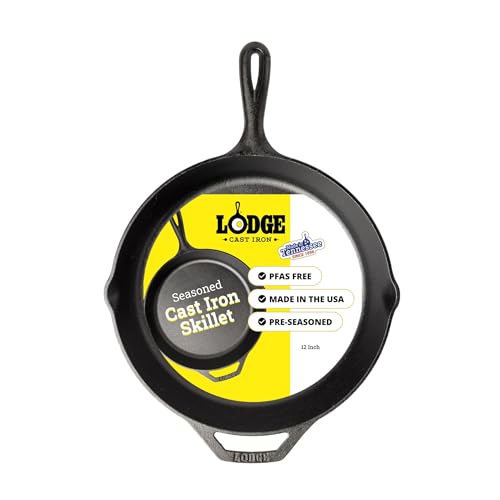


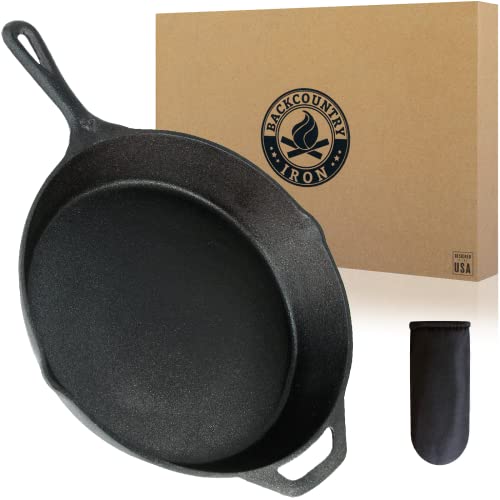


Quick Answer: Three Styles in 30 Seconds
For most homes, a traditional bare iron skillet in a 10.25 inch or 12 inch size is the practical default. It sears hard, goes under the broiler, and costs the least to own over time. Enameled iron suits cooks who want easier cleanup and a surface that handles acidic pan sauces without stripping seasoning. Lighter machined iron suits anyone who finds standard iron hard to lift when it is full and hot.
- Traditional bare iron: strongest sear for the money, needs basic seasoning care.
- Enameled iron: calmer cleanup, no seasoning routine, can chip if knocked.
- Lighter machined iron: smoother surface and less weight, highest price per pan.
Before You Buy: A Quick Checklist for Choosing a Cast Iron Skillet for Steak
Steak makes specific demands. You need a surface that stays hot when cold meat lands on it, room so steam escapes instead of graying the crust, and a handle you can control with a towel or mitt. Work through the points below in order, because size and fit rule out more pans than any other factor.
Size: Match It to Your Space
An 8 inch pan suits one small steak and a compact burner. A 10 inch or 10.25 inch pan handles one large steak or two modest ones and stores easily in a standard cabinet. A 12 inch pan fits two generous steaks with space between them, which matters because crowded meat steams and the crust turns pale. A 15 inch pan serves a crowd but needs a large burner and serious storage. Measure your biggest burner and oven width first.
Which Type Fits Your Routine
Most steak pans are sold as a best pre seasoned cast iron skillet style, meaning bare iron coated with baked on oil so you can cook right away. Enameled pans add a glass coating that removes seasoning upkeep. If weight is your main concern, a best lightweight cast iron skillet trims iron from the walls so lifting feels manageable. Smooth machined interiors release food a little more easily, deep pans contain splatter better, and round pans suit round burners better than square ones.
Features Worth Paying For and Ones to Skip
Pay for a helper handle opposite the main handle, because a full 12 inch pan is a two hand lift. Pour spouts on both sides help you drain fat and spoon pan sauce without drips. A flat cooking surface matters more than grill ridges, since full contact with the meat builds an even crust. Skip bundled lids for steak use, because a lid traps steam during searing, and skip decorative handle shapes that give a mitt less grip.
Is It Non Toxic: Materials and Coatings
Bare cast iron has no synthetic nonstick coating, so there is no PFAS or PTFE layer to wear out or overheat. The dark surface is seasoning, a hard layer formed when thin coats of cooking oil are heated on the iron. Enameled iron uses a glass based coating fused to the metal, also free of those synthetic coatings. Follow the maker guidance on care, retire a pan if enamel is chipped where food touches it, and be cautious with unmarked vintage pans.
Induction, Gas and Glass Top Compatibility
Cast iron works on gas and induction because the metal is magnetic, but the bottom must sit flat in full contact. A warped base rocks on flat tops and heats unevenly. If your range has a smooth surface, compare options in our guide to the best cast iron skillet for glass top stove. Lift the pan instead of sliding it, since grit under heavy iron can scratch glass.
Oven Safe Temperature and Handles
Steak often starts on the stove and finishes in the oven, so the whole pan must tolerate oven heat. Bare iron handles this without fuss. Enameled pans and pans with parts made from other materials can carry lower limits, so check the stated limit before using the broiler. Long handles need oven depth, so confirm the pan fits with the door closed.
Realistic Budget Ranges
Most homes will land at about $30 to $100, though simpler pans cost less. Spending under $30 usually buys basic bare iron with a rougher surface, and it can still sear very well. The next tier, about $30 to $50, adds smoother casting and better helper handles. Enameled and lighter styles become common at about $50 to $100, while machined finishes sit at about $100 to $200. Extra money mostly buys comfort, not a better crust.
Three Types Compared: Which Style Suits Your Home
Read these three profiles as types, not as shopping lists. The best cast iron skillet for steak for your home is the style whose trade offs you will mind the least across years of weeknight cooking.
For Most Homes: Traditional Bare Iron
This is the classic heavy pan with a matte black seasoned surface. It holds heat through the moment a cold steak hits it, so the crust forms instead of stalling. It moves from burner to broiler without coating worries, and a dull surface is fixable at home with fresh seasoning. The trade off is weight and a small care routine after washing. Choose it if you cook steak a few times a month and want the lowest cost per year of use.
For Value: Simple Pre Seasoned Iron
Value focused pans arrive seasoned and ready, with a slightly rough texture that smooths out through regular cooking. For a small household cooking one or two steaks, a 10.25 inch version keeps the price low and the storage footprint small. You give up the refined finish of premium styles, and the surface may need extra seasoning rounds early on if food sticks. Choose this style for a first kitchen, a rental, or a second home.
For Long Term Use: Smooth Machined or Enameled Iron
Smooth machined pans are milled for a fine, even surface that wipes clean easily. Enameled pans in this tier offer the same heft with a coating that shrugs off acidic pan sauces. Both cost more up front, and enamel can chip if the pan strikes a hard edge. Choose this tier if you cook often or dislike seasoning upkeep. The payoff is comfort over many years, not a different steak.
Our Selection Process for the Best Cast Iron Skillets for Steak
This guide weighs heat retention, base flatness, stated oven limits, weight by size, surface finish, and care demands, using maker specifications and patterns in verified buyer feedback. Styles that hide key specs, such as oven limits or cooking surface diameter, deserve extra caution, because steak pan purchases go wrong most often on fit and handling.
Living With It: What Really Matters Day to Day
Searing steak makes smoke and fine splatter, and that shapes home life more than any spec sheet. In an apartment, taller walls keep more fat off the stove, and you will want the range hood on its highest setting before the meat goes in. Resting the steak on a warm plate lets you build a quick sauce from the browned bits left behind.
Storage deserves a thought too. A 12 inch pan may not fit a shallow drawer, so many households store it in the oven or on a hook. If you are weighing a switch, the comparison in cast iron vs stainless steel skillet explains why steel feels quicker for weeknight eggs while iron wins for steak crust.
Common Buying Mistakes to Avoid
- Buying by rim size alone: two thick steaks in a tight pan steam each other, so the crust stays gray.
- Choosing grill ridges for steakhouse marks: raised ridges cut contact with the meat, so browning turns patchy.
- Ignoring the loaded weight: a pan that feels fine empty can strain your wrist once it holds hot fat and steaks.
- Dragging the pan across a smooth range: one careless slide can leave a lasting scratch below.
- Paying for a large bundle: lids and tools you never use raise the price without improving a steak.
Cost of Ownership and Care
Cast iron has almost no running costs. There is no coating to replace and no special detergent required. Your small ongoing costs are cooking oil for occasional seasoning, a stiff brush or scraper, and a handle cover if you want one. Our step by step guide to how to season a cast iron skillet walks through restoring a dull surface with thin oil coats and oven heat, a job that takes under an hour.
Your Questions, Answered
What makes a cast iron skillet brand reliable for steak?
Look for published specs that list cooking surface diameter, weight, and oven limits, since brands that share real numbers are easier to trust. Consistent casting matters too, because a base that stays flat keeps heat even. Clear care instructions and a reachable support channel round out the picture, and the spec sheet tells you more than reputation alone.
How do you clean a cast iron skillet after cooking steak?
While the pan is still warm, pour off the fat and add a splash of hot water, which loosens the browned residue so a brush lifts it quickly. That step doubles as the start of an easy pan sauce if you prefer. Dry the pan on a warm burner, then wipe on a drop of oil. Avoid a long soak, since standing water invites rust.
Is a cast iron skillet worth it for steak at home?
It is worth it if you cook steak often enough to value a deep crust and a pan that doubles for cornbread, chicken thighs, and oven roasts. One pan covering many jobs earns its storage space. If steak is a rare treat and storage is tight, a heavy stainless pan you already own can still give decent results.
How long does a cast iron skillet last?
A sound cast iron pan can serve for decades and pass between generations, because the surface renews itself through seasoning rather than wearing away. What ends a pan life is damage to the iron itself, such as a crack from a hard drop onto tile or a sudden plunge of a very hot pan into cold water. With ordinary care, it will likely outlast your stove.
What should I look for in a cast iron skillet for steak?
Check the cooking surface diameter, not just the rim measurement printed largest on the box. Makers measure size across the top rim, but the flat floor where your steak sits is often about 2 inches narrower. A pan sold as 12 inches may give you roughly 10 inches of true searing space. Match that floor size to your usual steak count.
What is the best cast iron skillet for steak for a family of four?
For four people, a flat bottom traditional pan in the 12 inch class is the sensible default, since it sears two steaks at once while the first pair rests. Buy for your most common meal rather than the biggest holiday spread, because an oversized pan that rarely fits your burner will annoy you weekly.
Final Thoughts
Start with size and weight, then pick the style that matches your tolerance for upkeep. Traditional bare iron serves most homes best, lighter styles protect your wrists, and enameled pans simplify cleanup. Before you order, compare your burner and oven measurements with the product table above. The best cast iron skillet for steak is the pan that fits your kitchen so well that steak night becomes an easy habit.


