
Best Cast Iron Skillet under 50: Types, Size and Weight (2026)
Disclosure: We may earn a commission when you buy through links on this page, at no extra cost to you. As an Amazon Associate I earn from qualifying purchases. Learn more

The best cast iron skillet under 50 guide: which types fit a tight budget, plus size, weight and care.
Picture a weeknight in a small apartment kitchen. You want a crust on chicken thighs, eggs that release without a fight, and one pan that moves from stove to oven without filling half your cabinet. A best cast iron skillet under 50 dollar budget can cover all of that, as long as you match the pan to your space, household size, and daily cooking habits.
This guide focuses on fit rather than brand hype: which size suits a solo cook or a family of five, which finish suits your routine, and what you give up at this price. Use the product table below to scan current options, then read on for the details.

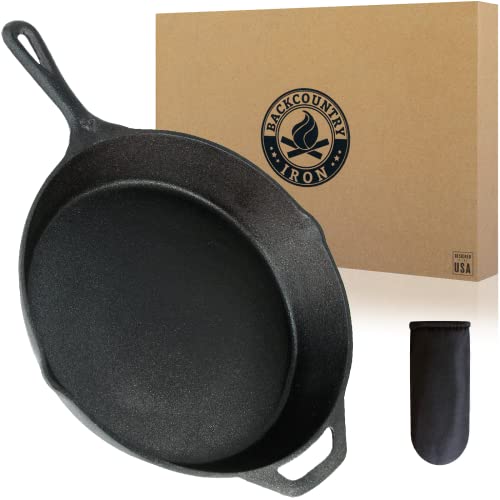
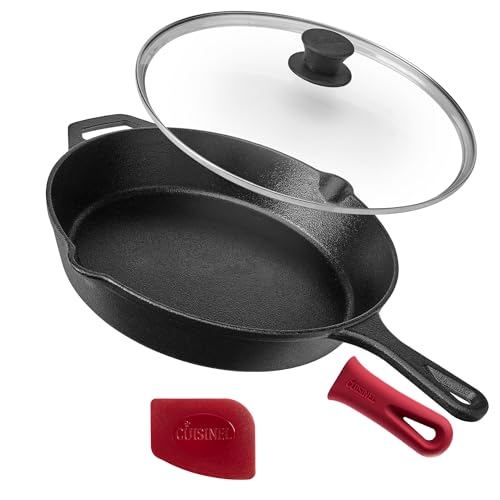

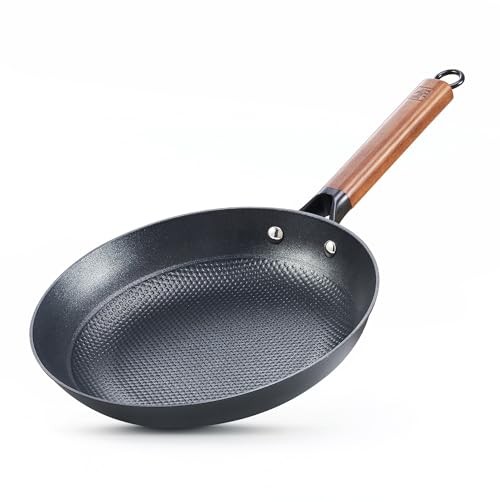
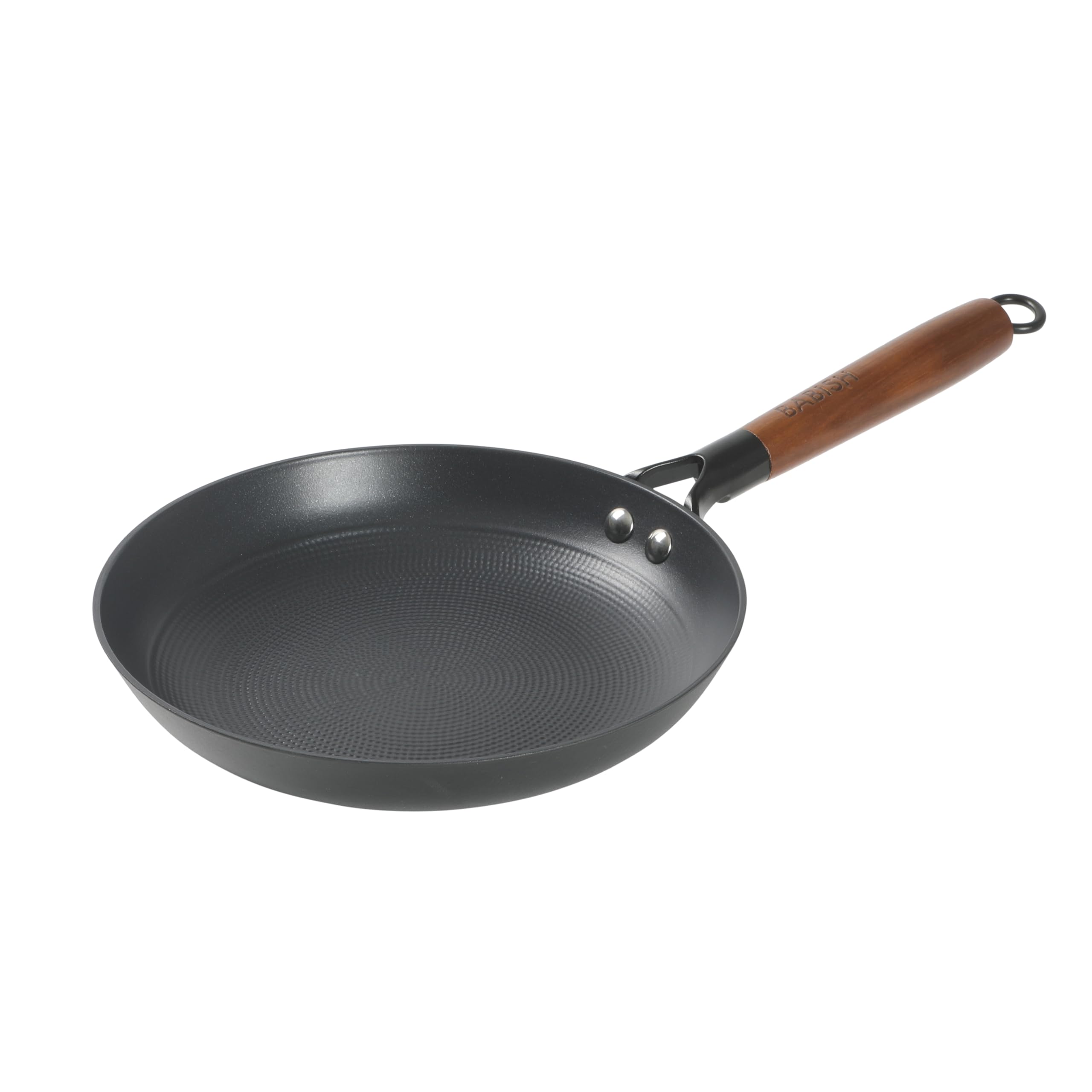
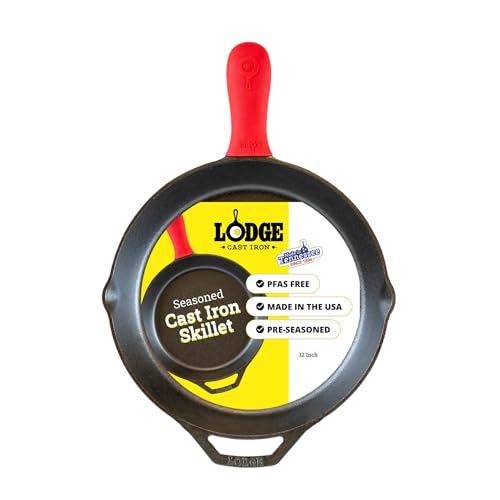
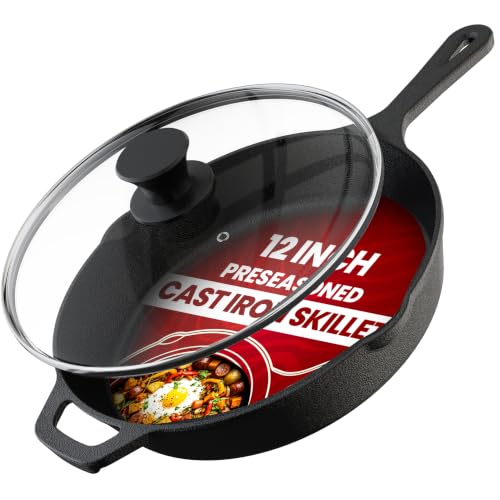
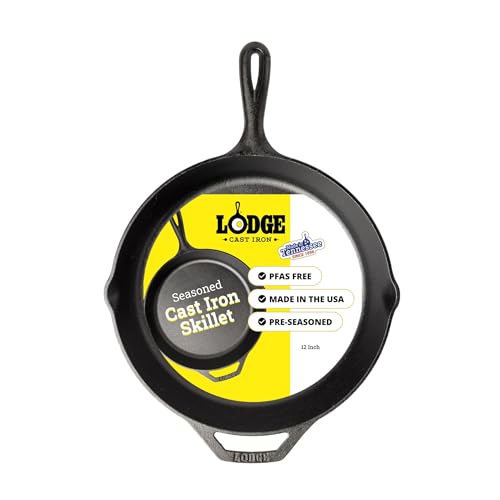
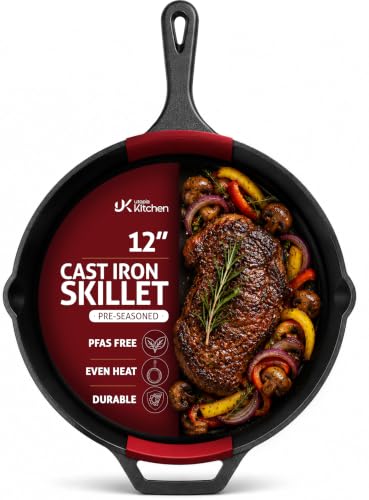
Quick Answer: What Fits Most Homes
For most households, a 10.25 inch or 12 inch pre seasoned skillet with two pour spouts and a helper handle is the sweet spot under this budget. It covers eggs, pancakes, seared meats, and oven bakes for two to four people, and it fits a standard burner and oven. If you cook for one, drop to an 8 inch or 10 inch pan. If you cook for five or more, the 12 inch size earns its storage space. That is the best cast iron skillet under 50 dollars for most homes.
Before You Buy: A Quick Checklist for Choosing a Cast Iron Skillet
Size: Match It to Your Space
Diameter decides both capacity and storage. A 6 inch or 8 inch skillet suits one egg or a single sandwich, and it tucks into a narrow cabinet. The 10 inch and 10.25 inch sizes handle meals for one to three people and sit well on most burners. A 12 inch pan feeds three to five and gives food room to brown instead of steam, but it is heavier and wider to store. A 15 inch pan serves a crowd yet needs a large burner. Measure your cabinet depth and largest burner before you choose, since a pan that overhangs the burner heats unevenly at the edges.
Which Type Fits Your Routine
Most skillets in this price range arrive pre seasoned, meaning the maker baked layers of oil onto the iron so you can cook right away. That is the practical default for busy homes, and our guide to the best pre seasoned cast iron skillet options explains how that coating builds up with use. Enameled skillets add a glass coating that resists rust and acidic sauces, but full enameled models usually cost more than this budget. Lighter cast iron uses thinner walls to cut weight, though it holds heat a little less steadily. Deep skillets suit frying and braising, while square grill pans leave marks but hold less liquid.
Features Worth Paying For and Ones to Skip
Two pour spouts genuinely help when you drain fat or pour batter, and they cost nothing extra on many models. A helper handle matters more as size grows, since a full 12 inch skillet can weigh around 8 pounds with food in it. A lid is worth it if you braise or steam often, though a lid from another pot can stand in. Silicone handle covers protect your hand during stove top work and are cheap to add later. Skip paying extra for decorative finishes, since they do not change how the pan cooks.
Material Safety and Coatings
Plain cast iron has no synthetic coating at all. The cooking surface is iron plus seasoning, which is polymerized oil, so there is no PFAS or PTFE layer to wear out or overheat. Enameled cast iron is also free of those coatings, since its surface is fired glass. A small amount of iron can transfer into food, which most healthy adults handle fine. If you cook for someone advised to limit iron intake, ask their clinician which cookware suits them best.
Induction, Gas, and Glass Top Compatibility
Cast iron works on every stove type, including induction, because iron is magnetic. On gas, any size performs well as long as the flame stays mostly under the base. On glass top and ceramic ranges, lift the pan instead of sliding it, since the rough bottom and weight can scratch the surface, and set it down gently to avoid cracks from impact. On induction, a flat, smooth base gives the most even contact. Pans with a raised heat ring still work, but may rock slightly on flat glass.
Oven Safe Temperature and Handles
Bare cast iron with an iron handle can go in the oven at any home baking or broiling temperature, which is why these pans handle cornbread, frittatas, and skillet cookies so well. The limit usually comes from extras, not the pan itself. Silicone handle covers often carry a lower heat rating, so remove them before broiling. Enameled versions may have a knob rated to a set temperature listed by the maker. Always use a dry oven mitt for both handles, since both stay hot for a long time.
Realistic Budget Ranges
At about $30 or less, expect a solid basic skillet in the common sizes, with a rougher surface and fewer extras. Between about $30 and $50, you gain smoother casting on some models, better helper handles, bundled lids or covers, and wider size choices. Above this budget, at about $100 to $200, you mostly pay for finer machining, lighter weight, polished surfaces, and enamel.
Types Compared: Cast Iron Skillet Styles Under $50
Compare the three main styles by how they live in your kitchen rather than by brand. Each uses the same iron, so the real differences are weight, upkeep, and how the surface behaves in the first months. For a broader view across all price points, see our main guide to the best cast iron skillet choices after you narrow down your style.
Classic Pre Seasoned Skillets for Most Homes
This standard style has a moderately rough surface, sturdy walls, and factory applied seasoning. It suits homes that cook a mix of eggs, meats, and baked dishes and want one pan to do nearly everything. The surface smooths gradually as you cook fatty foods and add thin oil layers over time. The trade off is weight and patience: the pan is heavy for its size, and delicate foods like fish may stick until the seasoning matures. For a first cast iron pan, this style offers the lowest cost per year of use by a wide margin.
Lighter Cast Iron for Easier Handling
Thinner casting trims noticeable weight, which helps smaller cooks, older cooks, and anyone with wrist or grip limits carry a full pan with more control. Our roundup of the best lightweight cast iron skillet options shows how much weight you can save at each size. The compromise is thermal mass: a lighter pan loses a bit more heat when you add cold food, so a steak sear may need a longer preheat. For daily eggs, vegetables, and reheating, most cooks never notice the difference, and the easier lift means the pan gets used more often.
Deep and Double Handle Skillets for Bigger Meals
Deep skillets raise the walls to hold more liquid, which suits fried chicken, braises, and one pan meals with sauce. Models with two short handles instead of one long handle fit smaller ovens, store in tighter spaces, and are easier to carry with two hands when full. The trade off is stove top handling: without a long handle, you cannot tilt the pan to baste with one hand. Choose this style when oven meals and family size batches matter more than quick stove top moves, and check that your oven width fits the handle span.
What You Get and Give Up Under $50
Under this budget you get the core strengths of cast iron in full. Heat retention is excellent, so food browns deeply and stays warm at the table. The pan tolerates metal utensils and high oven heat, and it can be restored with fresh seasoning even after neglect.
What you give up is refinement. Surfaces tend to be rougher than on premium pans, so seasoning takes longer to turn slick. Weight runs higher for the size, enamel choices mostly sit above the budget, and lids are often sold separately. None of these gaps affect basic cooking results. They affect comfort, speed of break in, and looks, which is why fit matters more than features at this price.
Common Buying Mistakes to Avoid
- Buying too large for the burner. A pan that extends far past the burner heats unevenly, so edges cook slowly while the center scorches.
- Ignoring the weight with food added. A large skillet plus a whole chicken can exceed what one hand can safely lift from a hot oven.
- Expecting a slick surface on day one. Factory seasoning is a starting layer, and early sticking with eggs or fish is normal, not a defect.
- Paying for extras you will not use. Bundled scrapers and covers add cost, while a plain pan plus a stiff brush covers daily care for most homes.
- Skipping the storage check. Long handles and helper handles add inches, and a pan that cannot fit your cabinet or oven will sit unused.
Cost of Ownership and Care
Owning cast iron costs very little after purchase. There is no coating to replace and no special cleaner to buy. Your ongoing supplies are a stiff brush, dish soap, a lint free cloth, and a neutral cooking oil for occasional touch ups. After cooking, rinse, dry, and warm the pan on the stove so moisture fully evaporates. Store it in a dry spot, with a cloth between pans if you stack them.
Full care steps, including how to rebuild seasoning in the oven, are covered in our walkthrough on how to season a cast iron skillet. Done a few times a year at most, that routine keeps the surface dark, smooth, and rust free for decades.
FAQ
Can you get a good cast iron skillet for under $50?
Yes, because the qualities that make cast iron cook well, thick iron, strong heat retention, and oven tolerance, do not depend on a high price. At about $30 to $50 you mainly give up a polished surface and some weight savings, not cooking power. A basic pan in the right size, used often, will outcook a premium pan in the wrong size.
How do you clean a cast iron skillet after cooking sticky food?
Soak the warm pan in hot water for a few minutes, then scrub with a stiff brush and a little dish soap, which is safe for modern seasoning. For stubborn bits, simmer water in the pan to loosen them. Our guide on how to clean a cast iron skillet adds one extra tip: coarse salt works as a gentle abrasive for stuck residue without scratching the surface.
How long does a cast iron skillet last?
A cast iron skillet can last for decades and often gets passed between generations, since there is no coating to wear through. The usual end points are accidents, not age: a crack from dropping the pan on concrete or from rapid temperature shock, such as running cold water into a ripping hot pan. Let the pan cool a bit before washing, and the iron will outlast every other pan in most kitchens.
What skillet size works best for a family of four?
A 12 inch skillet is the most flexible choice for four people, since it fits four chicken thighs or a full batch of pancakes without crowding. If your family eats smaller portions or you cook sides in a second pan, a 10.25 inch skillet can still work and is easier to lift and store. Match the pan to your largest burner too, since a wide pan on a small burner cooks unevenly at the edges.
Final Thoughts
The right pan at this budget is the one that fits your burner, your oven, your cabinet, and your hands. Choose the size first, then the style, then the small extras, and a best cast iron skillet under 50 dollar pick will serve your home for decades. Before you order, look back at the product table above and compare your top size against your storage space one last time. That check prevents the most common regret: a good pan that does not fit the kitchen it was bought for.

