
Best Cast Iron Skillet with Lid: Lid Fit, Size and Weight (2026)
Disclosure: We may earn a commission when you buy through links on this page, at no extra cost to you. As an Amazon Associate I earn from qualifying purchases. Learn more
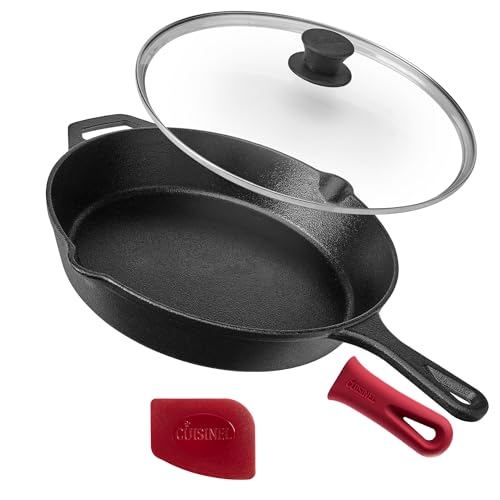
The best cast iron skillet with lid guide: lid fit, size, weight and care for a lidded pan you will use every week.
Sunday sauce is simmering, rice is steaming, and the next burner holds chicken that keeps spitting grease onto the stovetop. A lid solves half of that mess in one move, which is why the best cast iron skillet with lid earns its storage space in a busy home kitchen. The right pick depends on how many people you feed, how much cabinet room you have, and how much weight your wrist handles comfortably.
This guide walks through sizes, lid styles, and budgets so you can match a pan to your household instead of guessing. Use the product table below to scan current options, then read on for the details behind each choice. If a lid is optional for you, our guide to the best cast iron skillet covers plain pans.
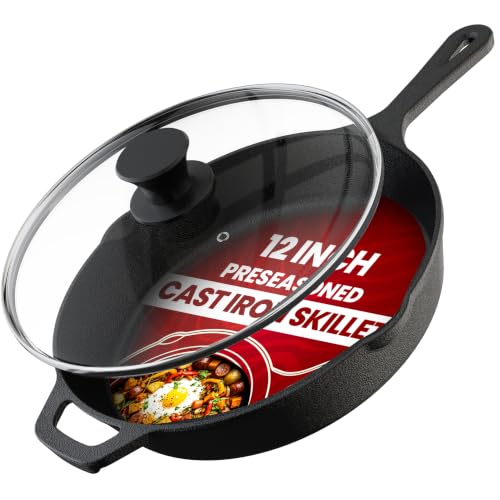
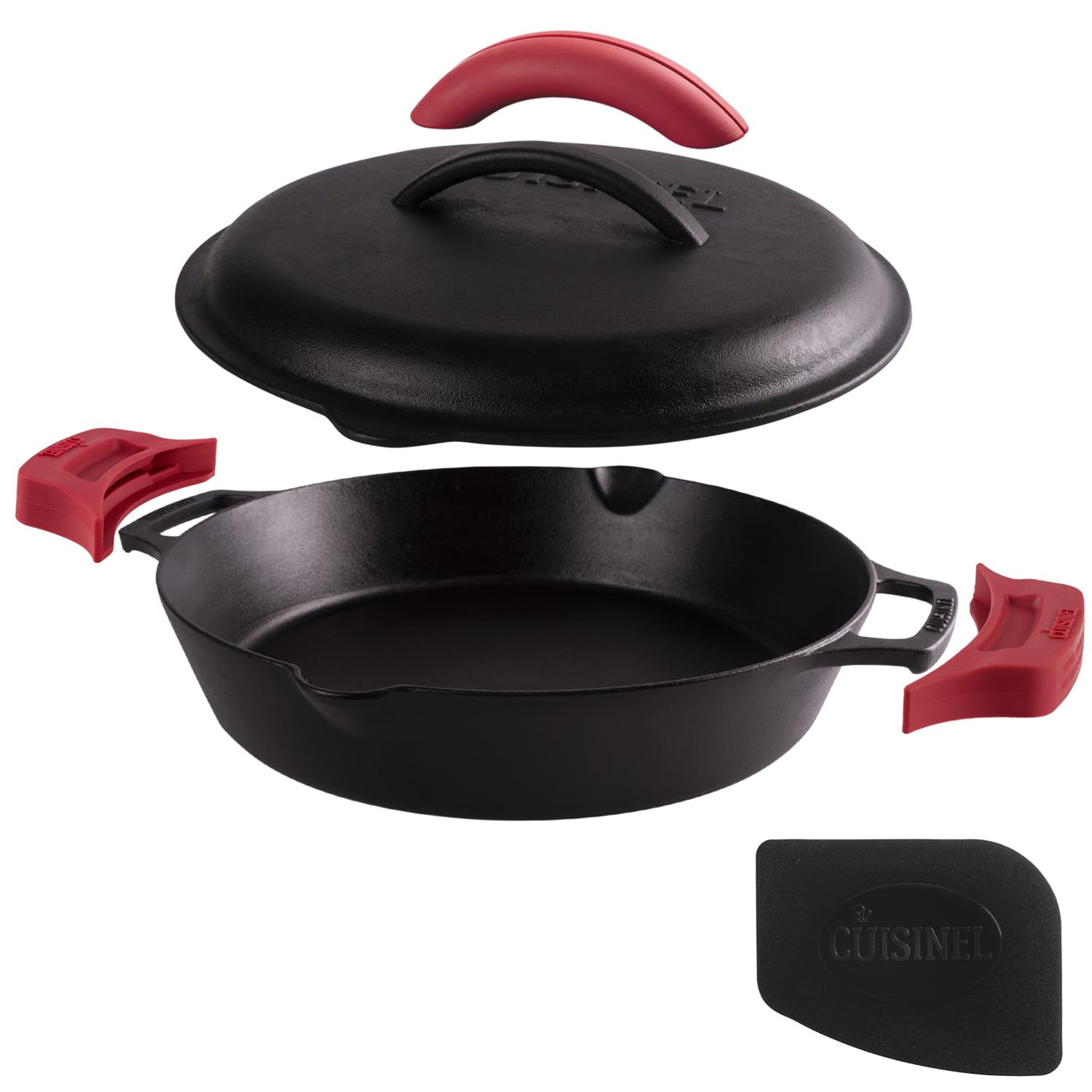


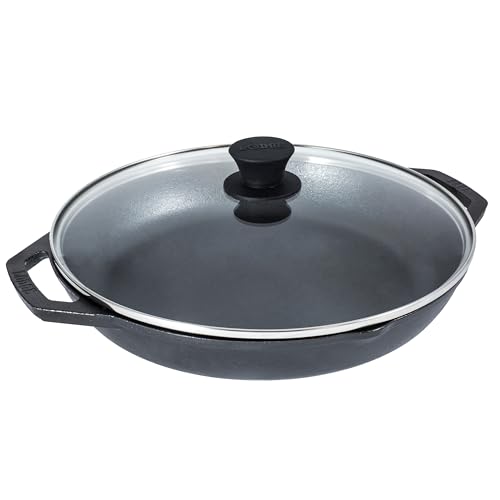
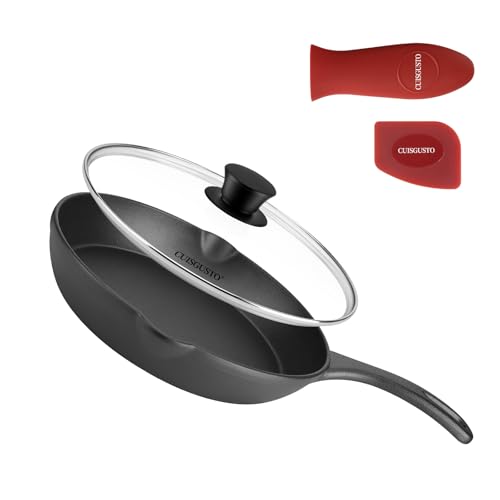
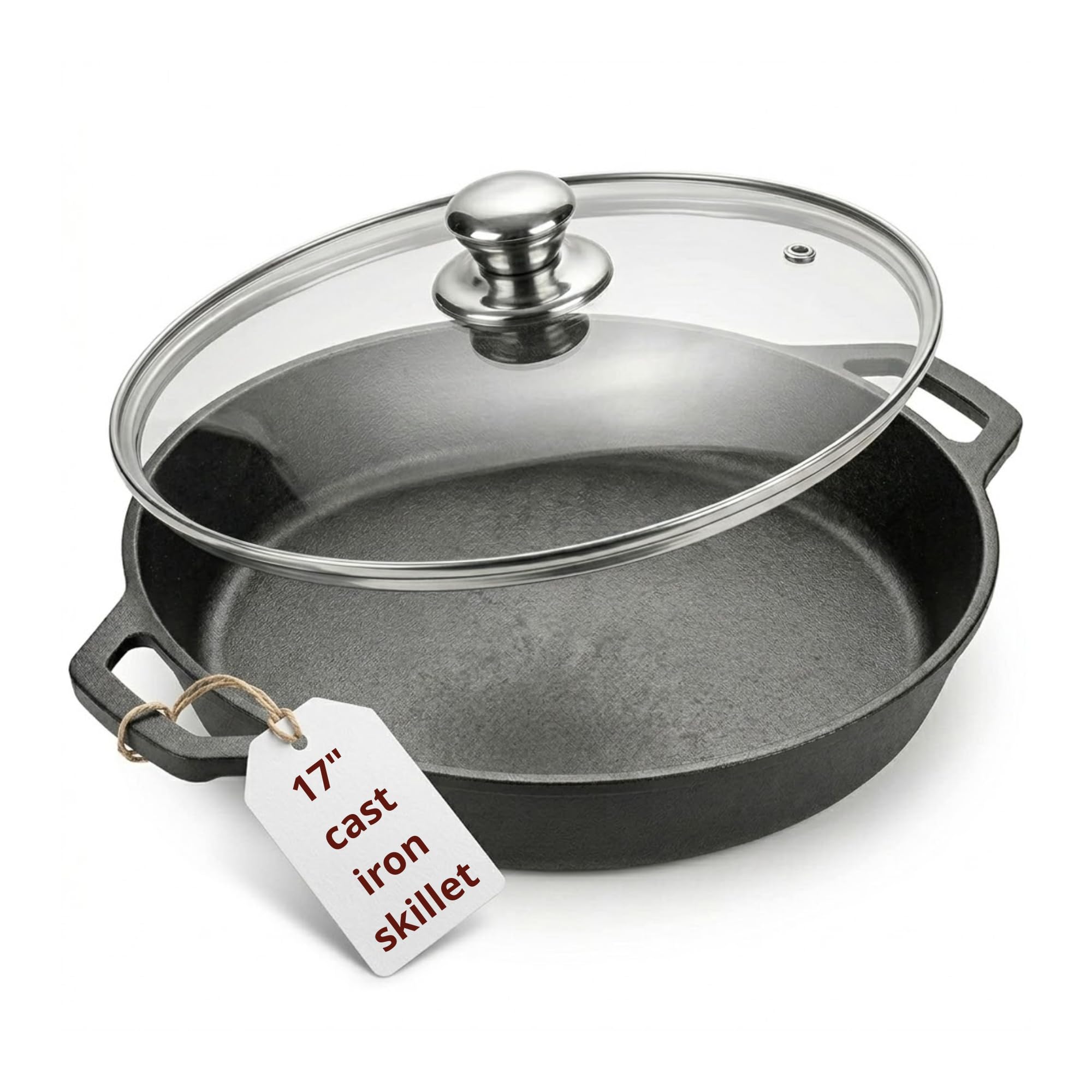
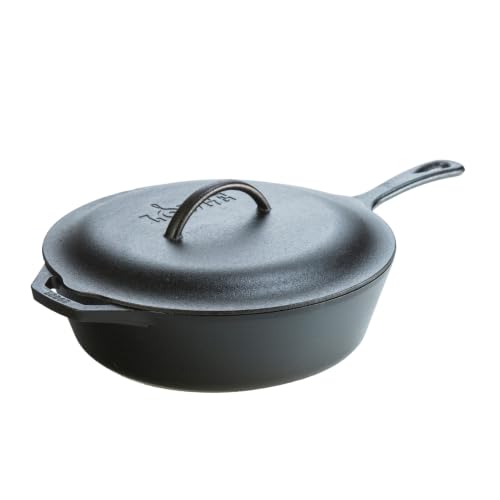
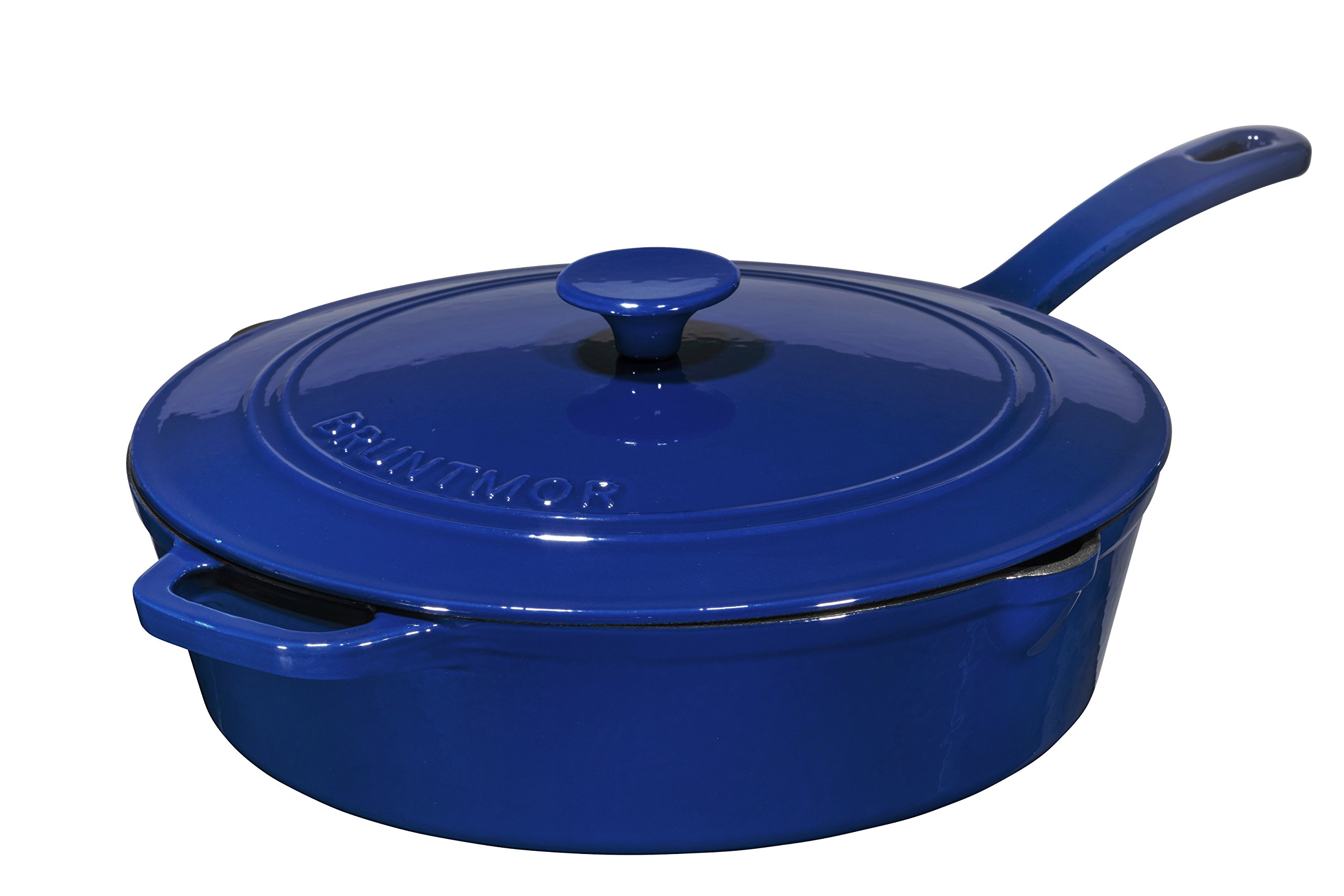
Quick Answer: What to Look For First
Start with size, because a skillet that crowds your burner or your cabinet will annoy you daily. A 10.25 inch or 12 inch pan suits most households, and the lid should sit flat with no rocking when you press its edge. Prefer a cast iron lid if you plan heavy oven use, and check the total weight with the lid on before you commit. That is how you find the best cast iron skillet with lid for your home.
Before You Buy: A Quick Checklist for Choosing a Cast Iron Skillet
Size: Match It to Your Space
Small 6 inch and 8 inch skillets fry one or two eggs and suit single cooks, but their lids rarely fit anything else you own. The 10 inch and 10.25 inch sizes handle meals for two to three people and fit inside most ovens and sinks. A 12 inch pan feeds four or more and gives food room to brown, while a 15 inch pan needs a large burner and serious storage. Measure your biggest burner and cabinet depth first, because a lidded skillet takes more vertical room than the pan alone.
Which Type Fits Your Routine
Most buyers do best with a best pre seasoned cast iron skillet style pan, since the factory seasoning lets you cook right away and improves with use. Enameled skillets skip seasoning and shrug off tomato sauces, though the coating can chip if you bang metal tools against it. Smooth machined interiors release eggs a little easier and echo vintage style pans, while traditional rough finishes cost less and hold seasoning well. Deep sided chicken fryer styles hold braises better than shallow pans, and double handle designs trade a long grip for easier two handed lifting.
Features Worth Paying For and Ones to Skip
The lid itself is the feature that matters most here, and a heavy cast iron lid with small bumps on its underside returns moisture to the food as it cooks. Pour spouts on both sides help left or right handed cooks drain fat without a spill. A silicone handle cover is worth having because the iron handle gets as hot as the pan. Skip decorative lid knobs in fragile materials and bundled accessory kits full of scrapers and holders you may never use.
Is Cast Iron a Coating Free Option?
Bare cast iron carries no synthetic nonstick coating at all. Its cooking surface is iron plus layers of polymerized oil from seasoning, so there is no PFAS or PTFE layer to wear out or overheat. Enameled cast iron uses a glass based coating fused to the iron, which is also free of those compounds. Stainless steel is lighter and coating free, but it holds heat for less time.
Induction, Gas and Glass Top Compatibility
Cast iron works on every stovetop type, including induction, because the iron itself responds to the magnetic field. The catch is the bottom surface. A smooth, flat machined base sits steady on glass top ranges and heats evenly, while a raised heat ring or rough bottom can wobble and may scratch the glass if you slide the pan. On gas burners, match the pan base to the flame spread so heat does not climb the sidewalls and scorch food at the edges.
Oven Safe Temperature and Handles
A bare cast iron skillet with a cast iron lid is oven safe at any temperature your home oven can reach, which makes it ideal for starting a dish on the stove and finishing it under the broiler. Enameled lids may carry a lower limit set by their knob, often around 400 to 500 degrees Fahrenheit, so read the stated limit for the exact model. Two short loop handles balance a full, lidded pan better than one long handle when you carry it to the table.
Realistic Budget Ranges
Sets run from under $30 for basic models to under $200 for premium ones. The main tiers break down roughly as follows.
- Under $30: basic pre seasoned pans with a simple flat lid, usually 10.25 inch, with a rougher finish.
- Under $50: larger 12 inch sets, better fitting lids, and smoother seasoning.
- Under $100: enameled options, machined smooth interiors, and lids with self basting bumps underneath.
- Under $200: premium smooth pans with tight fitting lids and lighter, more refined casting.
Paying more mostly buys finish quality and lid fit rather than raw cooking power, so a modest set still sears beautifully.
Three Styles Compared: Which One Fits Your Home?
Instead of chasing a single winner, match the style to your household. These three categories cover nearly every home cook who wants a lidded cast iron pan.
The Classic Pre Seasoned Set for Most Homes
A traditional 12 inch pre seasoned skillet with a cast iron lid is the default choice for families. It sears, braises, bakes cornbread, and moves from stove to oven without a weak point. The lid seals well enough for rice and stews, and the whole set shrugs off metal utensils and high heat. Its main cost is weight, since pan and lid together can top ten pounds when full. If your household cooks most nights and wants one pan for years, buy this style first.
The Compact Value Set for Small Households
A 10.25 inch skillet with a simple flat lid suits couples, small apartments, and anyone cooking on a two burner stove. It heats fast, stores in a shallow drawer or small cabinet, and costs the least of the three styles. The trade off is capacity, since a whole chicken or a large batch of stew will crowd it. For weeknight eggs, grilled cheese, and two pork chops, it covers the job without dominating your kitchen.
The Enameled Set as a Long Term Upgrade
An enameled skillet with a heavy lid suits cooks who simmer acidic sauces often and dislike seasoning upkeep. The glass smooth surface washes clean with soap and water and never needs oiling after use. Colors also make it presentable at the table, which matters in open plan homes where the kitchen is always on display. The enamel can chip from hard knocks, and the price runs well above bare iron.
How These Styles Were Compared
The categories above rest on five criteria: heat distribution, durability of the iron and its finish, material safety, stovetop and oven compatibility, and day to day cleaning effort. The judgments draw on manufacturer specifications and patterns in verified buyer feedback about lid fit, weight, and seasoning quality.
Do You Really Need a Cast Iron Skillet With a Lid?
A lid earns its place when you braise, steam vegetables, melt cheese over burgers, or simmer grains in the same pan you seared in. It also cuts splatter when frying, which keeps a small kitchen cleaner. A heavy lid holds in moisture so well that many cooks treat the skillet as a small Dutch oven for stovetop stews. That said, searing rewards an uncovered pan, and anyone shopping mainly for steak should read our guide to the best cast iron skillet for steak before deciding. If your cooking is mostly high heat and dry, a plain skillet plus a Dutch oven you already own may cover everything.
Common Buying Mistakes to Avoid
- Buying a pan too big for your burner: an oversized base heats unevenly and leaves pale spots on food at the edges.
- Ignoring the combined weight: a full 12 inch skillet with its lid can strain your wrist, so test your comfort with a similar load first.
- Assuming any lid fits any skillet: lids are sized and shaped for specific pans, and a loose lid leaks the steam you bought it to hold.
- Paying for a large accessory bundle: extra scrapers and holders add cost while the pan and lid do nearly all the work.
- Choosing enamel for heavy campfire use: open flames and rough handling chip enamel, while bare iron takes that abuse without complaint.
Cost of Ownership and Care
Ownership costs stay low because there is little to replace. A bottle of cooking oil for seasoning, a stiff brush, and an occasional handle cover cover nearly everything. Our walkthrough of how to clean a cast iron skillet explains the daily wash and dry routine that keeps rust away in a few minutes after each meal. When the seasoning thins after years of use, the steps in our guide on how to season a cast iron skillet restore the surface in an afternoon. If lifting a heavy lidded pan sounds hard on your arms, the options in our guide to the best lightweight cast iron skillet trade some heat retention for easier handling. Store the lid slightly ajar so trapped moisture does not dull the seasoning.
FAQ
Can you use a lid from a different pan on a cast iron skillet?
Sometimes, if the rim diameters match closely and the lid sits without rocking. A lid that is even slightly small will slide when you tilt the pan, and a loose fit lets steam escape around the edge, which slows braises and dries out rice. Glass lids from other cookware often fit well enough for a quick steam. For long simmering, the lid made for the skillet seals better.
Why does water collect under the lid of a cast iron skillet?
Steam rises from the food, hits the cooler lid, and condenses into droplets that rain back onto the dish. That cycle helps braises because it bastes the food as it cooks. When you lift the lid, tilt it away from you and let the water run back into the pan rather than onto the stove. Dry the lid rim after washing, since that thin edge is where rust spots start first.
Is a cast iron skillet with a lid a good gift?
Yes, for anyone who cooks at home regularly, because it suits weddings and housewarming gifts equally well. Choose the 10.25 inch or 12 inch size, since both fit standard ovens and stoves in almost any home. Warn the recipient about the weight if they have never lifted one, and consider adding a handle cover. A pan this durable tends to stay in the family for years.
Does a cast iron skillet with a lid work for camping?
Yes, and bare iron handles campfire cooking better than almost any other pan material. The lid lets you bake biscuits and cobblers outdoors by holding coals on top, a trick that needs the flat cast iron style rather than a domed glass lid. Keep enameled pans at home, since gravel and rough packing can chip the coating. After a trip, wash off the ash, dry the pan over the fire, and rub in a thin coat of oil.
Final Thoughts
Match the size to your household, insist on a lid that sits flat, and pick the finish that fits your cooking routine. Do that, and the best cast iron skillet with lid for your home becomes an easy call rather than a gamble. Before you order, glance back at the product table above to confirm the size and style you settled on.


