
Best Cast Iron Skillet for Pizza: Diameter, Preheating and Handles (2026)
Disclosure: We may earn a commission when you buy through links on this page, at no extra cost to you. As an Amazon Associate I earn from qualifying purchases. Learn more

The best cast iron skillet for pizza guide: diameter, preheating, handles and oven fit.
Pizza night at home often ends with a pale crust from a thin sheet pan. A heavy skillet fixes that because it stores heat and gives the dough steady contact with hot metal. If you want the best cast iron skillet for pizza for your household, the right choice depends on your oven space, how many people you feed, and how much weight you can lift with confidence.
This guide walks through sizes, types, and the features that matter for pizza, with no time wasted on extras you will never use. You can see current options in the product table below, then use the checklist to narrow your pick. If you want broader background first, our guide to the best cast iron skillet covers general cooking uses beyond pizza.



Quick Answer: What Matters Most for Pizza
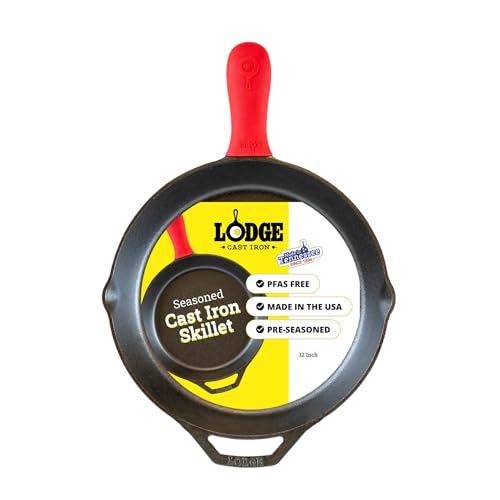
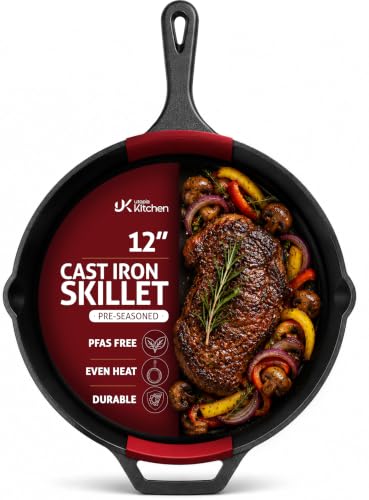
For most homes, a 10.25 inch or 12 inch pre seasoned skillet is the sweet spot. It fits a standard oven rack, feeds two to four people, and preheats fast enough for a weeknight meal. Go smaller if you cook for one or your oven is compact.
Depth matters less than most shoppers expect. Low, sloped sides let you slide a finished pizza out with a spatula, while a very deep pan traps steam near the crust. Weight, base thickness, and an easy grip matter more than decorative details.
Before You Buy: A Quick Checklist for Choosing a Cast Iron Skillet for Pizza
The best cast iron skillet for pizza is the one that fits your oven, your stove, and your routine. Work through each factor below before you spend anything.
Size: Match It to Your Space
Manufacturers label skillets by the diameter across the top rim, but the flat base that touches your dough is always smaller. A 12 inch skillet may give you about 10 inches of flat cooking surface, so plan your dough size around the base, not the label. A 6 inch or 8 inch pan suits personal pizzas for one person. A 10 inch or 10.25 inch pan serves one or two, and a 12 inch pan suits most families. A 15 inch pan needs a wide oven and strong wrists, so measure your oven interior before you consider one.
Which Type Fits Your Routine
Pre seasoned skillets arrive with baked on oil layers, are ready for dough on day one, and improve with regular use. Enameled skillets have a glass coating over the iron, so they need no seasoning and handle tomato sauce without reacting to the acid. Lightweight and machined skillets have thinner walls or a milled smooth surface, which makes them easier to lift. Square pans create uneven corners on a round pizza, so round is the safer shape here. If seasoning appeals to you, compare options in our guide to the best pre seasoned cast iron skillet.
Features Worth Paying For, and Ones to Skip
Pour spouts help when you oil the pan or drain moisture from toppings, and they cost nothing extra on most designs. A helper handle opposite the main handle is worth real money if you plan to move a full, hot pan from oven to counter. A fitted lid is nice for melting cheese on the stove, but you can skip it if your broiler does that job. Silicone handle covers add little for oven pizza and must come off before baking unless the maker states otherwise. Spend on grip and balance first.
Is Cast Iron a Sound Choice on Materials?
Bare cast iron is simply iron with a seasoning layer built from heated cooking oil, so there is no synthetic coating to scratch or peel. That is one reason many cooks move to iron after reading a cast iron vs stainless steel skillet comparison and weighing coating concerns. Enameled iron adds a glass surface that is inert in normal cooking. Neither type uses PFAS or PTFE coatings. Your main care task is keeping the seasoning intact on bare iron.
Induction, Gas, and Glass Top Compatibility
Cast iron works on induction by its nature, since the metal itself responds to the magnetic field, but the base must sit flat to heat evenly. On gas burners, almost any skillet works well, and a pan slightly larger than the burner still heats through. On a glass top stove, lift the pan instead of sliding it, because the rough bottom can scratch the surface. Electric coil burners pair best with a pan close to the coil size.
Oven Safe Temperature and Handles
Bare cast iron with an iron handle tolerates the high heat a pizza needs, including a short finish under the broiler. Enameled pans often carry a maker stated limit, so check that number against the temperature you bake at, which is often about 475 to 550 degrees Fahrenheit. Knobs made from other materials can carry lower limits than the pan body. Confirm the whole piece, handle included, is rated for your baking temperature.
Realistic Budget Ranges
Spending under $30 usually buys a basic pre seasoned skillet in a common size, which is plenty for good pizza. About $50 to $100 opens up smoother finishes, lighter castings, and better shaped helper handles. Spending under $200 covers most enameled and finely machined options, where you pay for finish and ease of handling rather than better crust. Above that range, gains shrink for pizza use. Set your budget by size and type first, because a pan you can lift easily will get used far more often.
Three Skillet Styles Compared for Pizza at Home
Instead of chasing brand names, think in styles. Each style below suits a different kitchen, household size, and tolerance for upkeep.
Traditional Pre Seasoned Skillets
This is the classic heavy pan with a slightly textured surface and several layers of factory seasoning. It sears dough beautifully once fully preheated, shrugs off metal utensils, and can be restored with fresh seasoning if the surface ever looks dull. The trade off is weight and a little ongoing care after washing. For a family that makes pizza weekly, this style offers the lowest cost per year of use.
Enameled Skillets
An enameled skillet gives you iron heat with a surface that never needs seasoning, which suits cooks who want pizza on Friday and tomato based sauces on Saturday without thinking about acid. The glass surface wipes clean easily and goes from oven to table. The downsides are higher cost and a surface that can chip if you drop it on tile. Choose this style if low upkeep matters more than the lowest price, and store it with a cloth between pans.
Lightweight, Smooth, and Machined Skillets
These pans trim weight from the walls or mill the cooking surface smooth, so a finished pizza slides out with less coaxing and the pan feels manageable with one hand. That matters if you cook alone or have limited grip strength. Our guide to the best lightweight cast iron skillet explains the weight ranges in detail. The compromise is that thinner walls hold a bit less heat, so a full preheat matters more, and prices usually sit above basic castings.
Our Selection Process for Cast Iron Skillets for Pizza
We judge skillets for pizza on heat distribution across the base, durability, material safety, stove and oven compatibility, and how simple the pan is to clean. We rely on maker specifications and patterns in verified buyer reviews, such as repeated notes about hot spots or handle comfort. We weigh family fit and daily ease of use ahead of raw cooking performance alone.
Living With It: What Really Matters Day to Day
A skillet earns its place if pizza night stays easy after the first month. Preheat the empty pan in the oven, then build your pizza on parchment and slide the whole sheet in, which keeps the transfer calm and the shape round. A loaded 12 inch pan is heavy, so clear the counter and set a trivet out before the pan leaves the oven.
Storage shapes habits too. A pan that lives on the stove top gets used for eggs and grilled sandwiches, which keeps its seasoning active, while a pan buried under other cookware tends to sit idle. If cupboard space is tight, measure your shelf against the pan plus its helper handle. Homes with young kids often prefer a pan that cools on a back burner, out of reach, since iron holds heat long after the meal ends.
Common Buying Mistakes to Avoid
- Buying by the rim diameter alone, so the finished pizza ends up smaller than the family expected.
- Choosing a very deep skillet for pizza, so trapped steam softens the crust you wanted crisp.
- Ignoring the weight of the pan plus a loaded pizza, so the trip from oven to counter feels unsafe.
- Skipping the oven measurement, so the handle touches the door or the pan crowds the oven walls.
- Paying for a lid, covers, and extra pieces you will never use, so the real cost climbs past your budget.
Cost of Ownership and Care
Ownership costs stay low with cast iron. There are no replacement parts to buy, and a bottle of neutral cooking oil for seasoning lasts a long time. Your real costs are a stiff brush and the small amount of energy used for preheating. Enameled pans skip the oil entirely but may need a soft sponge to protect the finish.
After pizza, let the pan cool until you can handle it, wash with hot water and a brush, then dry it fully on a warm burner. A thin wipe of oil protects bare iron in storage. For full detail, follow our walkthrough on how to clean a cast iron skillet, and if the surface ever looks patchy, our guide on how to season a cast iron skillet shows the restore steps. Good care is what turns a modest pan into a decades long tool.
Your Questions, Answered
What makes a cast iron skillet brand reliable for pizza?
Reliability shows up in flat bases that sit steady, handles that do not loosen, and clear warranty terms for cracks or casting flaws. Look for consistent sizing and responsive support if a pan arrives warped. A long track record in plain cast iron matters more than a famous logo, since the material does most of the work once the pan is hot.
Is a cast iron skillet worth it for homemade pizza?
Yes, if you make pizza more than a few times a year. The pan replaces a dedicated pizza stone and serves double duty for searing and baking. The value grows over time because there is nothing to replace. If you order pizza weekly and cook it rarely, a simple sheet pan may be the more honest choice.
How long does a cast iron skillet last?
A bare iron skillet can serve for decades and often outlasts the stove it sits on. What changes over time is the seasoning, which you can rebuild, or the enamel on coated pans, which can chip but still cooks safely. Warping from sudden temperature shocks is the main real risk, so heat and cool the pan gradually.
What should I look for in a cast iron skillet used only for pizza?
Beyond the checklist above, check the oven rack position you will use most. A pan with a long handle needs clearance when the rack sits high for broiling, and the door must close without pressing the handle. Also confirm your largest spatula fits under the sloped side, since that decides how cleanly each pizza leaves the pan.
What size cast iron skillet suits a family pizza night?
Two 10 inch skillets often beat one large pan for a family, because each pizza cooks faster and everyone can top their own. Rotate the pans between racks halfway through baking for even browning. A single 12 inch pan works well if your household shares toppings.
Final Thoughts
Start with the size that fits your oven and your household, then pick the style that matches the upkeep you will actually do. The product table above lists current options. For most homes, the best cast iron skillet for pizza is a 10.25 inch or 12 inch pre seasoned pan with a helper handle, bought once and used for years of crisp, reliable pizza nights.


