
Best Cast Iron Skillet for Glass Top Stove: Smooth Bottoms and Burner Fit (2026)
Disclosure: We may earn a commission when you buy through links on this page, at no extra cost to you. As an Amazon Associate I earn from qualifying purchases. Learn more

The best cast iron skillet for glass top stove guide: smooth bottoms, burner fit, weight and daily habits.
You love what cast iron does for eggs, cornbread and a proper crust, but you keep picturing a heavy pan scratching or cracking your smooth cooktop. That worry is fair, and it is also manageable. The best cast iron skillet for glass top stove use has a flat, smooth bottom, a weight you can lift with control, and a size that matches your burners and your household.
This guide helps you choose by kitchen space, family size and budget, and explains the habits that keep both pan and cooktop in good shape. Start with the product table below. For a broader look at sizes and styles, see our guide to the best cast iron skillet range as well.


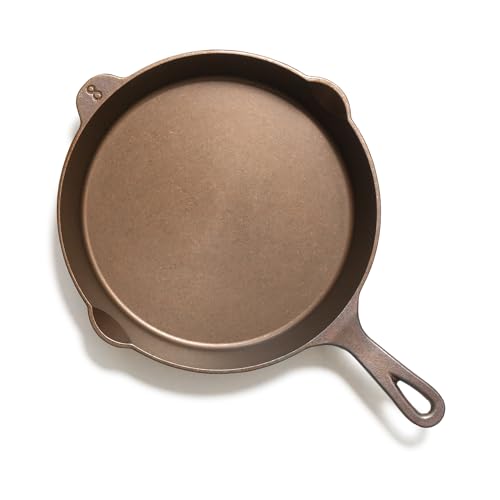


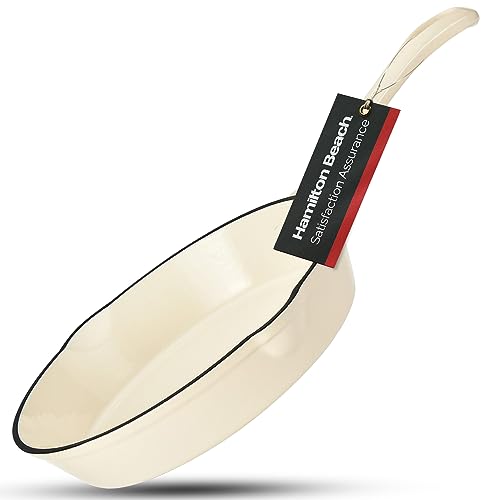
Quick Answer: Three Types That Fit Real Homes
Most households do well with one of three types. A traditional pre seasoned 10.25 inch skillet suits most couples and small families and costs the least. An enameled skillet suits cooks who make tomato sauces often and want easier cleanup. A lightweight machined skillet suits anyone who finds standard cast iron hard to lift when full.
Before You Buy: A Quick Checklist for Glass Top Use
Glass changes what matters most. On a gas grate, a rough bottom and extra weight barely register. On glass, the bottom finish, the way you move the pan and the match between pan and burner decide whether daily cooking stays calm.
Size: Match It to Your Space and Your Burners
Measure your largest burner first, then choose a skillet whose flat bottom sits close to that diameter. A 6 or 8 inch pan cooks eggs and single portions. A 10 or 10.25 inch pan handles most weeknight meals for two to four people. A 12 inch pan gives ingredients room to brown, but needs a large burner and more storage. A 15 inch pan serves a crowd, yet its loaded weight makes it awkward to lift safely over glass, so most homes should skip it.
Which Type Fits Your Routine
Pre seasoned bare iron arrives ready to cook and builds more seasoning with use, and it tolerates high heat and metal utensils. Our roundup of the best pre seasoned cast iron skillet options explains what that factory coating does and does not do. Enameled iron has a glass coating over the iron, so it needs no seasoning and handles acidic foods without fuss, though the coating can chip if struck hard. Lightweight machined pans have some iron milled away, which helps your wrists and the cooktop. Deep and square shapes suit specific jobs, but a round shallow skillet covers more daily cooking.
Features Worth Paying For and Ones to Skip
Pay for a smooth, flat bottom with no raised ring and no rough casting marks, since that surface contacts your cooktop. Two pour spouts help you drain fat without drips, and a helper handle makes a full pan easier to lift with two hands. A lid is worth it if you braise or steam often. Skip novelty handle covers if you own good oven mitts, and skip extra deep walls unless you fry often, since depth adds weight.
Is Cast Iron Non Toxic?
Bare cast iron is simply iron with a seasoning layer of baked on oil, so there is no synthetic coating to break down at high heat. Enameled iron covers the metal with a glass based coating that is inert in normal cooking. Neither type uses PFAS or PTFE, the coating chemicals many shoppers want to avoid. A ceramic style nonstick coating is a different product, since it wears out while seasoning and enamel can last for decades.
Induction, Gas and Glass Top Compatibility
Cast iron works on every cooktop type because iron is magnetic, so induction burners sense it without an adapter. On a radiant glass top, a flat bottom matters most, since full contact spreads heat evenly and avoids hot spots. On gas, the same pan sits on grates, so bottom finish matters less. Check your stove manual for any weight limit and pan diameter guidance. Never place a cold pan on a burner already glowing hot, since a sudden temperature change stresses both materials.
Oven Safe Temperature and Handles
Bare iron skillets with iron handles can go under a broiler and into a hot oven without a stated limit in most cases, because there is no coating or plastic to damage. Enameled pans often carry a maker stated ceiling, commonly around 500 degrees Fahrenheit, and some lids have lower limits due to their knobs. Always confirm the rating for the pan you buy. Oven mitts are essential, since every part of the pan gets hot.
Realistic Budget Ranges
Spending under $30 usually buys a solid bare iron skillet in a common size, with a rougher finish you can smooth through regular use. Spending under $50 adds better finish quality or a lid. Spending under $100 opens the door to enameled pieces and lighter machined pans. Spending under $200 covers premium smooth finish pans. More money buys finish and lower weight, not a different cooking result once the pan is hot.
Three Types Compared for Glass Top Stoves
Compare the three types below. Each type can be the right best cast iron skillet for glass top stove choice for a different home.
Traditional Pre Seasoned Skillets
This is the classic choice and the least costly path into cast iron. The surface sears well, the pan tolerates very high heat, and you can repair the seasoning at home whenever it looks dull. The trade off is weight and upkeep. A standard 12 inch pan feels heavy when full, and you must dry it promptly to prevent rust. Choose this type if you cook mostly eggs, meats and vegetables and you are comfortable lifting with two hands.
Enameled Skillets
An enameled skillet pairs iron heat retention with a coating that shrugs off tomato sauce, wine and long simmering without stripping seasoning. Cleanup is simpler, since you can soak the pan and use dish soap freely, and the smooth enamel underside is gentle on glass. In return, you pay more, and a hard knock can chip the coating. To weigh the two finishes in depth, read our guide to enameled vs regular cast iron before you decide.
Lightweight and Smooth Machined Skillets
Machined pans start as castings, then a smooth finish is cut into the surface and excess iron is removed to cut weight. The polished bottom is kinder to glass, and the lighter body helps anyone with limited grip strength. Our guide to the best lightweight cast iron skillet options covers who benefits most. Expect a higher price, and note that a lighter pan holds slightly less heat when you add a large batch of cold food.
Our Selection Process
We judged types against the needs of a glass cooktop first. The criteria were bottom flatness and finish, weight in common sizes, heat retention, oven tolerance, care demands, material safety and cost of ownership. We drew on maker specifications and on patterns in verified buyer feedback about scratching, handling and cleanup. This guide compares categories rather than declaring a single winner.
Living With It: Daily Cooking on Glass
Two habits protect your cooktop more than any product feature. First, lift the skillet straight up and set it straight down. Dragging a heavy iron pan across glass can leave marks, and dropping it even a short distance risks a crack. Second, keep the bottom clean. A grain of salt or sugar trapped under a hot pan can scratch the surface, so wipe the bottom before cooking and keep the cooktop free of grit.
Heat management matters too. Preheat on medium and let the iron warm gradually. Cast iron holds heat so well that medium settings handle most searing, and maximum heat adds stress to the glass without improving your crust. Let the pan cool on the burner before you move it, and never run cold water into a hot skillet, since the sudden change can warp it.
Common Buying Mistakes to Avoid
- Buying a 15 inch skillet for a small cooktop, so the bottom overhangs the burner and heats unevenly.
- Choosing a pan with a raised heat ring or rough bottom, which concentrates contact on a narrow circle of glass.
- Ignoring the weight of pan plus food, so a pan that felt fine empty becomes unsafe to lift when full.
- Paying for enameled iron and then using it over maximum heat daily, which can dull and stain the coating.
- Skipping your stove manual, so you miss a stated weight limit or pan diameter note for your model.
Cost of Ownership and Care
Ownership costs stay low. Bare iron needs cooking oil for seasoning, a stiff brush and occasional coarse salt for scrubbing, which cost very little each year. Enameled pans need only soap and a soft sponge. Neither type needs replacement on a schedule, unlike coated nonstick pans. Budget for sturdy oven mitts, since those wear out long before the pan does.
For daily care, wash the warm pan with hot water, dry it on a low burner, and rub in a thin film of oil before storing. When the seasoning looks patchy after acidic cooking, follow the steps in our guide on how to season a cast iron skillet to rebuild it in the oven. Store the pan with a cloth between it and anything stacked on top.
FAQ
What is the most reliable cast iron skillet brand?
Reliability in cast iron comes from casting quality rather than a logo. Look for even wall thickness, a bottom that sits flat with no wobble on a counter, and a maker that publishes weight, dimensions and temperature ratings. Established makers tend to offer clearer warranty terms and replacement accessories over time. A simple pan with plainly stated specs will outlast a decorative pan with vague details, whatever name is cast into the handle.
How do you clean a cast iron skillet?
Wash the warm pan with hot water and a brush, using a small amount of dish soap when food sticks. For stubborn bits, simmer water in the pan for a few minutes, then scrub again. Dry it fully on the stove and add a thin coat of oil. Our walkthrough on how to clean a cast iron skillet covers rust rescue as well. One extra tip for glass owners: rinse grit off the bottom before the pan goes back on the cooktop.
Is a cast iron skillet worth it?
Yes, if you value one pan that sears, bakes and fries and moves from stove to oven without a coating that wears out. The value shows up over years, since one skillet can replace several cheaper pans. It is less worth it if you dislike lifting heavy cookware or if most of your cooking is quick sauces and delicate fish, where a lighter pan responds faster.
How long does a cast iron skillet last?
A cast iron skillet can last for generations, because the material does not wear out in normal cooking. What ends a pan early is damage, not age: a crack from a hard drop, deep rust left untreated, or severe warping from repeated thermal shock. Enameled pans share the same iron core, though chips can shorten their best looking years. Keep the pan dry and stored where it will not fall.
What should I look for in a cast iron skillet for a glass top stove?
Start with the bottom: flat, smooth and free of raised rings or rough texture. Then check that the diameter suits your main burner, that you can lift the pan comfortably when full, and that the maker states an oven rating that fits your cooking. Finally, match the finish to your habits, choosing bare iron for high heat searing and simple repairs, or enamel for acidic dishes and easier washing.
Final Thoughts
For most homes, a 10.25 inch pre seasoned skillet with a smooth flat bottom covers daily cooking at the lowest cost. Choose enamel if sauces and easy cleanup lead your routine, and choose a lighter machined pan if lifting comfort decides whether the pan gets used. Whichever type you pick, the best cast iron skillet for glass top stove cooking is the one you can lift with control and keep clean on the bottom. Compare your finalists in the product table above and check your stove manual once before you order.


