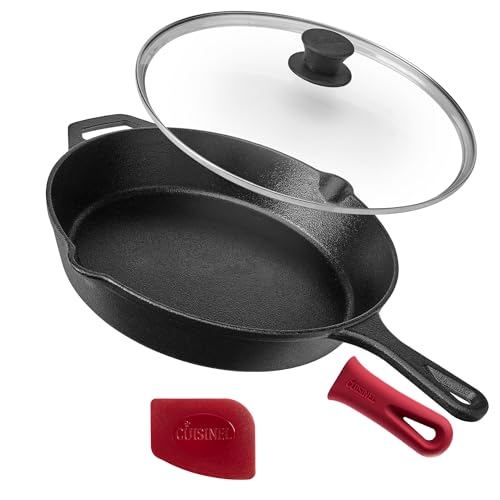
Best Cast Iron Waffle Maker: Types, Burner Fit and Seasoning (2026)
Disclosure: We may earn a commission when you buy through links on this page, at no extra cost to you. As an Amazon Associate I earn from qualifying purchases. Learn more

The best cast iron waffle maker guide: types, burner fit, seasoning and care.
Saturday breakfast can turn chaotic when four people want waffles at once and your counter is already full. A heavy iron press suits that moment well, since it cooks on the burner you already own and then stores in a cabinet. Finding the best cast iron waffle maker for your home comes down to your space, your household size, and your budget.
This guide walks through the types, the features that matter, and the upkeep an iron press asks of you. Use the product table below to see current options, then match each style to the way your household eats.


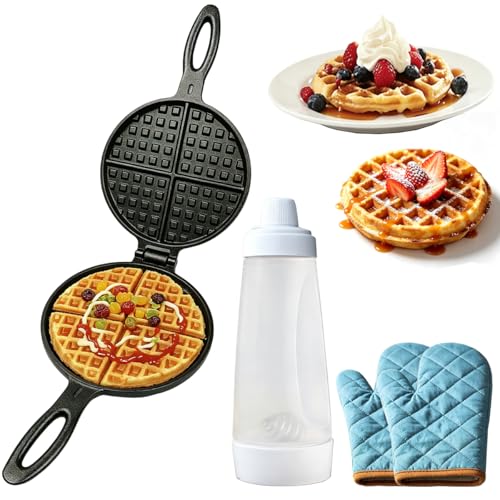
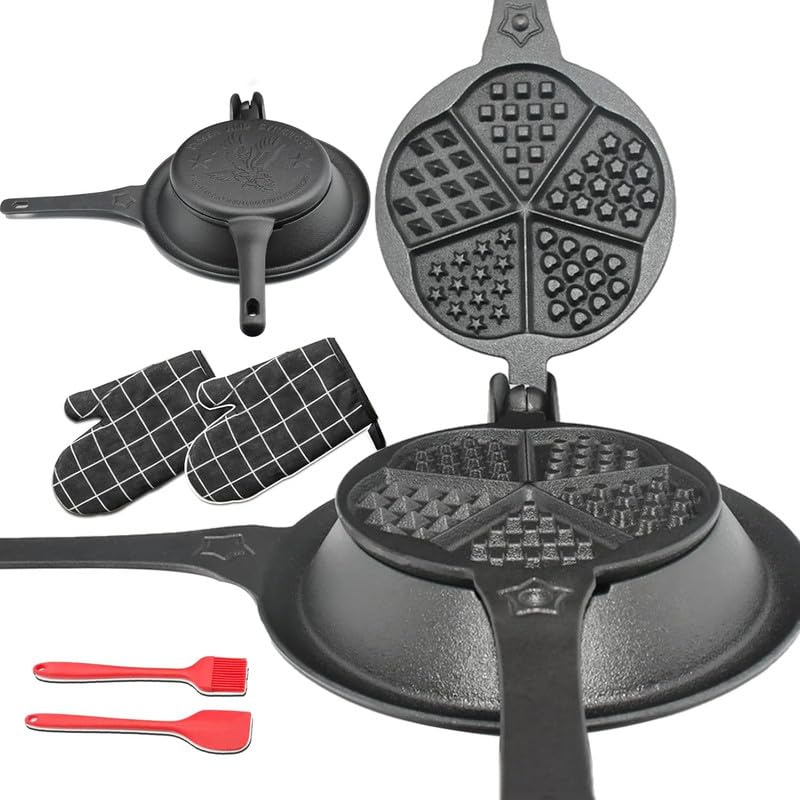


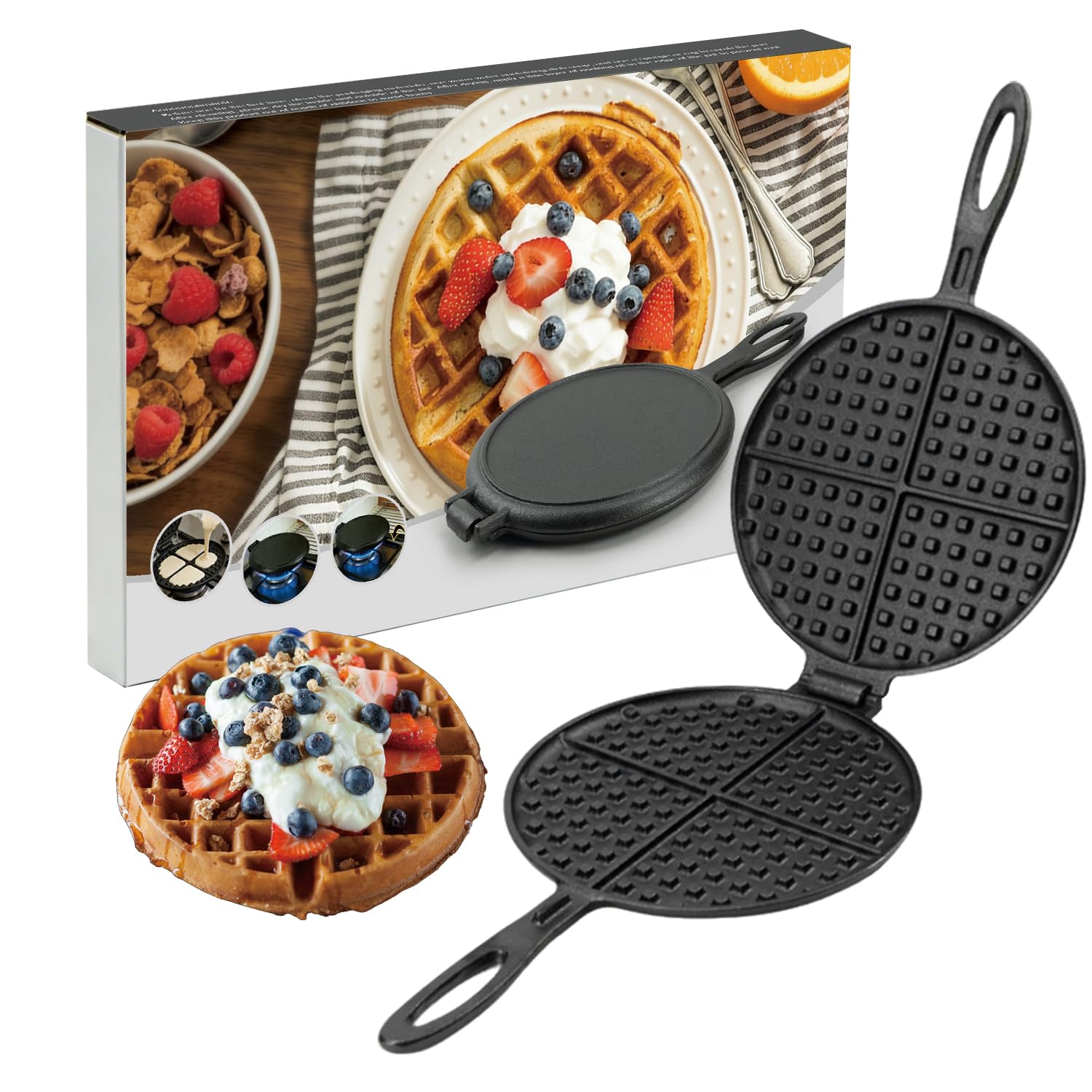
Quick Answer: Three Types in 30 Seconds
Most cast iron models fall into three groups. A classic stovetop press with two hinged plates fits daily breakfasts on a gas or electric burner. A long handle campfire iron cooks over open flame or coals and packs flat for trips. A large square press makes bigger waffles for families who batch cook and freeze extras. If you value a crisp crust, one of these styles will likely fit.
Before You Buy: A Quick Checklist for Choosing a Waffle Maker
Cast iron rewards a buyer who checks fit and routine before price.
Which Type Fits Your Routine
Think about the waffles your household asks for most. Deep pockets hold more syrup and fruit, and our guide to the best belgian waffle maker explains that style well, but most iron presses make a thinner waffle with crisp edges and a tender center. Small households cooking one serving at a time may prefer the route in our guide to the best mini waffle maker. A standard stovetop press lands between those extremes, giving you steady results once you learn your burner.
Features Worth Paying For and Ones to Skip
Pay for a hinge that opens flat and stays aligned, handles that feel secure in a mitt, and a latch that keeps the plates closed while you flip the press. A surface seasoned before sale saves you the first rounds of seasoning at home. Skip chasing extras that iron cannot offer. There is no browning dial, no timer, and no plate you can pop out, unlike the models in our guide to the best waffle maker with removable plates. Your control comes from burner heat and cooking time, and that simple setup is part of the appeal.
Wattage, Power and Energy Use
A stovetop iron draws no electricity at all, so there is no wattage figure to compare. Your burner does the work, and a medium setting brings the iron to cooking heat in a few minutes. Cast iron suits induction cooktops too, since iron responds to a magnetic field, but check that the base sits flat so contact stays even. Energy cost per batch is small, because the iron holds heat well once cooking starts.
Safety Features and Certifications
Electric appliances carry listings such as UL or ETL, while a plain stovetop iron has no cord or heating element to certify. Safety here depends on design and on you. Look for handles long enough to keep your hands clear of the burner and a hinge that will not flop open as you lift the press. Always use dry mitts, since a wet mitt can pass steam heat to your skin. Keep the hot iron away from counter edges and young children, and get medical care promptly for a burn that blisters.
Counter Space and Dimensions
An iron press needs no counter space while it cooks, which is a real gain in a small kitchen. What it needs is storage room and a burner that matches its shape. A round press suits a round burner, while a square press can waste heat on a small round burner and cook unevenly at the corners. Measure your largest burner and your cabinet depth before you order. Also lift a similar weight at the store if you can, because you will lift the press one handed while wearing a mitt, and iron is heavy.
Realistic Budget Ranges
Simple campfire irons and small stovetop presses often cost under $30, and they cover basic needs well if the hinge feels solid. Mid range options at about $30 to $60 tend to add better casting finish and smoother plates. Larger presses can run about $60 to $120, which buys size and polish rather than extra cooking power. Set your budget after you settle type and size, since paying more cannot fix a press that does not fit your burner.
Types Compared: How Cast Iron Models Differ
Compare the three types below on capacity, heat control, and storage rather than on brand names.
Classic Stovetop Press for Daily Breakfasts
This is the type most homes should consider first. Two hinged plates close over the batter, you cook the first side on the burner, then you flip the whole press to finish the second side. It makes classic thickness waffles with deep golden color once the iron is fully hot. Capacity suits couples and small families. It stores upright in a cabinet and needs no outlet. The main demand it places on you is attention, because there is no light or chime to signal that a waffle is done.
Long Handle Campfire Iron for Outdoor Cooking
A campfire iron stretches the handles so the plates can sit in coals or over a fire pit grate while your hands stay well back from the flame. The same iron often works on a home burner, though the long handles can crowd a small stovetop. Choose this type if outdoor trips are a regular part of your year and you want one tool for both settings. Waffles cooked over coals pick up a lightly smoky note, but heat varies with the fire, so expect a learning round or two on each trip.
Large Square Press for Bigger Batches
A large square press serves families who cook once and eat twice. The bigger plates hold more batter per round, so a stack for the table plus extras for the freezer takes fewer rounds. That size brings trade offs. The press is the heaviest type to flip, it needs your largest burner for even cooking, and it takes the most cabinet room. If your household freezes leftovers for school mornings, the time saved per batch can justify the weight and the space it claims.
Our Selection Process
We weigh types and features using the factors that shape daily use in a real home. Those factors are capacity, cooking performance, ease of use, cleaning effort, noise, safety, and warranty support. A stovetop iron scores well on noise because it makes none, and its simple build leaves little to break. We drew on maker specifications and patterns in verified buyer feedback about hinge wear and seasoning quality.
What We Like and What We Do Not Like About Cast Iron Versus Other Waffle Makers
Cast iron holds heat in a way thin aluminum plates cannot match. Once hot, the plates stay hot as cold batter lands, and that steady heat builds the crisp and deeply colored crust many waffle lovers want. There is no coating to scratch or wear thin, so the surface can be renewed with seasoning instead of replaced. If you are weighing iron against electric options, our broader guide to the best waffle maker sets out how those models trade durability for convenience.
The downsides are just as clear. Iron is heavy, it heats without a thermostat, and your first batches may stick while you learn the right heat and timing. It can rust if you put it away damp, and it asks for seasoning care that a coated electric plate never needs. For cooks who want to press a button and walk away, an electric model is the kinder fit. For cooks who enjoy tending the process, iron returns flavor and texture that coated plates rarely match.
Common Mistakes to Avoid
- Buying a press larger than your biggest burner, so the corners cook pale while the center browns too fast.
- Skipping the first seasoning on a bare iron press, so early waffles stick and tear.
- Cooking on heat that is too high, so the outside scorches before the center sets.
- Soaking the iron in soapy water for a long stretch, so the seasoning softens and rust starts.
- Storing the press while it is still damp, so rust forms along the grooves.
- Judging doneness by time alone, so steam and crust color clues get ignored.
Cost of Ownership and Care
Running costs stay low with a stovetop iron. There are no plates to replace, no descaling supplies, and no cord or element that can fail. Your ongoing spend is a little cooking oil for seasoning, a stiff brush, and modest burner energy. If you are new to the appliance class in general, our guide on how to use a waffle maker covers batter amounts and timing basics that carry over well to a burner heated press.
Care follows a short routine. Brush out crumbs while the iron is still warm, wipe the plates with a lightly oiled cloth, and dry the press on low burner heat before you store it. When residue builds up, the steps in our guide on how to clean a waffle maker will help you clean the grooves without stripping the seasoning. Season again whenever waffles start to stick or the surface looks dull and dry.
Your Questions, Answered
Are cast iron waffle makers worth the extra effort?
For many homes, yes, because the effort buys something specific. You get a crust with real crunch, a tool with almost no parts to fail, and gear you can hand down rather than throw away. The effort itself shrinks fast. After a few weekends, judging heat by steam and scent becomes second nature, and seasoning turns into a two minute habit. If weekend breakfast is a ritual you enjoy, that routine feels like part of the pleasure.
How do you stop waffles sticking in a cast iron waffle maker?
Sticking usually traces back to heat, fat, or timing rather than to the iron itself. Let the press heat fully before the first pour, because batter on a lukewarm plate bonds as it warms. Include some fat in the batter or brush the plates lightly, and resist opening the press early, since a waffle that has not set will split and cling. A ready waffle releases with a light nudge, while a clinging one needs another half minute.
How long does a cast iron waffle maker last?
The iron itself can last for generations, because solid cast metal does not wear out in normal kitchen use. The part that ages first is usually the hinge pin or the handle fasteners, which can loosen after years of flipping a heavy press. Check those fittings once a year and tighten what you can. A press kept dry also avoids the one real threat to its life, deep rust that pits the cooking surface.
What is the best cast iron waffle maker for a small kitchen?
Choose the classic stovetop press in its smaller square or round size. It asks for no outlet, no counter room, and only a slim slice of cabinet space, since many owners store it upright like a book. Skip the campfire type, because those long handles snag in drawers. A smaller press also heats faster on a small burner, which suits cooks who make breakfast for one or two people.
Is a cast iron waffle maker worth it if you already own an electric model?
It can be, if the two tools end up doing different jobs. Many households keep the electric model for rushed weekday rounds and reach for the iron on weekends when crust quality matters more than speed. The iron also earns its place as a backup that works on a gas burner during a power outage. If cabinet space is already tight, though, a second waffle tool may sit unused, so buy only with a clear role in mind.
Final Thoughts
Look back at the product table above and match each type to your burner size, your storage room, and the number of people at your table. A classic stovetop press fits most homes, a campfire iron suits outdoor cooks, and a large square press serves families who batch cook. Choose the best cast iron waffle maker for the routine you actually keep, and it will reward you with crisp waffles for years.