
Best Cast Iron Dutch Ovens: Size, Coating and Lid Fit (2026)
Disclosure: We may earn a commission when you buy through links on this page, at no extra cost to you. As an Amazon Associate I earn from qualifying purchases. Learn more

The best cast iron dutch ovens guide: size, enameled versus bare iron, lid fit and weight.
best cast iron dutch ovens hold heat evenly and move from stove to oven, which makes them ideal for stews, braises, soups and bread. The product table below shows current options so you can compare size, coating and weight before you buy.
Before you choose, think about your household size, your stove type and whether you can lift a heavy pot safely when it is full. A pot that is too large wastes energy and storage, while a pot that is too small limits the meals you can cook.


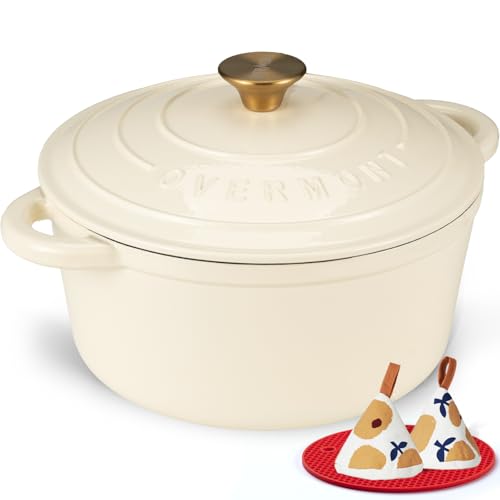
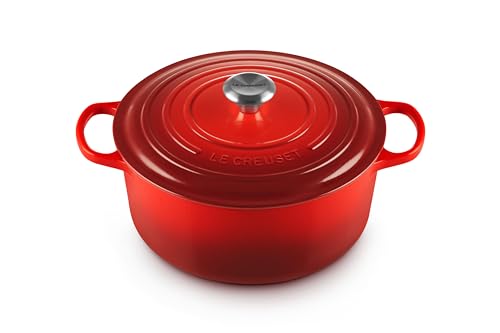


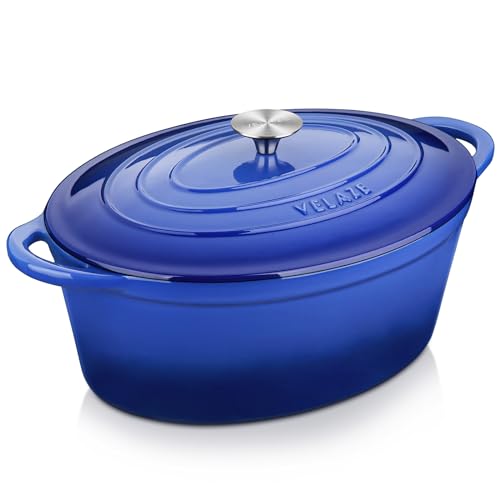
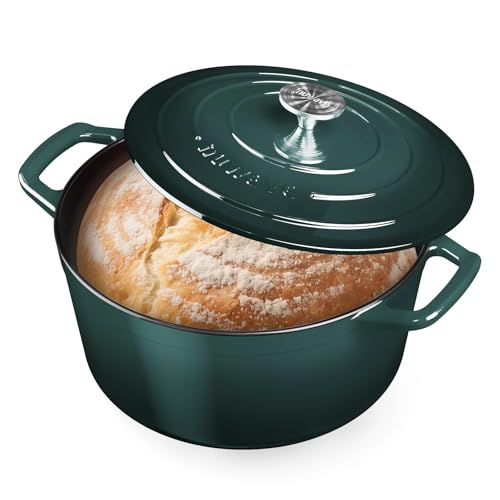
Who Should Buy a Cast Iron Dutch Oven
Cast iron dutch ovens suit home cooks who braise meat, simmer soups, bake bread or cook one pot meals several times a week. They also suit cooks who want a pot that lasts for decades with basic care and improves with use.
They suit less well if you need a very light pot, cook only small quick meals, or have a glass stove with strict weight guidance. In that case a lighter enameled steel or stainless pot may be easier to handle every day.
Key Features to Compare
Size and Shape
A pot of about 5 to 6 quarts suits most families, while smaller pots suit couples and larger pots suit batch cooking. Round pots fit burners well, while oval pots suit long cuts and loaves. Measure your oven and your storage shelf, because a tall pot with a lid needs more room than the pot alone.
Bare or Enameled Coating
Bare cast iron builds seasoning with use and handles very high heat, but it needs drying and light oiling after washing. Enameled cast iron resists rust and cleans more easily, yet the coating can chip if knocked or heated empty. Choose bare iron if you enjoy seasoning, and enamel if you want simpler care.
Lid Fit and Handles
A tight lid keeps steam inside, which matters for braises and bread. Look for a lid that sits flat without rocking, and handles that you can grip with oven mitts when the pot is hot. Loop handles suit two hand lifting, which is safer for a heavy full pot.
Weight and Stove Compatibility
Cast iron is heavy, and a full pot can weigh a lot, so check that you can lift it from oven height safely. Most cast iron works on gas, electric and induction stoves, but check your stove maker guidance for weight limits on glass tops. A pot with a flat base heats more evenly on smooth stoves.
Types Compared
Bare Cast Iron Pots
Bare cast iron pots season over time and develop a natural cooking surface that suits searing and frying. They need thorough drying after washing and occasional seasoning to prevent rust. They suit cooks who enjoy traditional care and high heat cooking.
Enameled Cast Iron Pots
Enameled pots offer a smooth, easy to clean interior and come in many colors for the kitchen. They resist rust and handle acidic foods well, but they cost more and need care to avoid chipping. They suit busy cooks who want cast iron heat without seasoning.
Bread and Braising Pots
Some pots are shaped for bread with a tight lid that traps steam, while others are wider for braising and browning. A wide pot browns meat better, while a taller pot suits soups and stocks. Match the shape to the meals you cook most often.
Budget and Value
Budget cast iron pots usually cost about $50 to $100 and can cook very well, though the finish and lid fit may vary. Mid range pots at about $100 to $250 offer better enamel, tighter lids and more consistent sizing. Premium pots above that range focus on finish, warranty and long term durability.
Spend on size and lid fit first, because those affect every meal and decide which of the best cast iron dutch ovens is right for you. A well fitting lid and a size that matches your household matter more than color or brand. Check the warranty and the return policy, because a chipped enamel pot is hard to repair.
Setup, Care and Everyday Use
Preheat the pot gently, avoid heating it empty for long, and use wooden or silicone tools on enamel. After cooking, let the pot cool before washing, dry bare iron fully, and store the lid slightly ajar if your kitchen is humid. Never plunge a very hot pot into cold water.
For enamel, soak stuck food rather than scouring hard, and check the rim and interior for chips before each use. If the enamel chips deeply or bare iron rusts badly, stop using the pot for acidic foods and seek maker advice before you keep cooking with it.
Before You Buy Checklist
Measure your space, check the running costs, read the care instructions, and confirm the return window before you order. A short pause at this stage prevents most regrets, because the right choice fits your routine and not just your wish list. Keep the box and receipt until you have cooked a few normal meals in the pot.
Related Guides Worth Reading
If you already lean toward a coated interior, our guide to the best enameled dutch ovens goes deeper on enamel quality and chip resistance.
If baking sourdough or no knead loaves is your main reason to buy, read our guide to the best bread dutch ovens for lid and shape advice.
Building a whole kitchen of cast iron? Compare the best cast iron sets to see how a pot, skillet and lid can be bought together.
Common Mistakes to Avoid
One common mistake is buying the largest pot in the store, which then proves too heavy when full and too big for your oven shelf. Another mistake is heating an empty enamel pot on high heat, which can damage the coating and waste energy. Start with gentle heat, add oil or liquid before long heating, and choose a size you can lift safely.
Do not soak bare cast iron for hours or put it in a dishwasher, because prolonged soaking invites rust and strips seasoning. Wash promptly, dry fully on low heat if needed, and store the pot dry. A little care after each use keeps the pot cooking well for decades.
Long Term Value
Long term value comes from a pot you use weekly, not from a beautiful pot that stays on a shelf. A mid range pot with a tight lid and a size that matches your household often beats a premium pot that is too large or too heavy. Check warranty terms for enamel chips, because coating faults matter more than color.
Keep the original lid with the pot, because a replacement lid may fit poorly and leak steam. If you cook acidic foods often, an enamel pot may suit you better than bare iron, which needs more care after tomato or wine based meals.
Frequently Asked Questions
What size dutch oven should I buy first?
A pot of about 5 to 6 quarts suits most households, because it handles soups, stews and a family roast without being too heavy. Smaller households may prefer a 3 to 4 quart pot for daily meals. Choose the size that matches your largest regular meal, not your largest occasional feast.
Can I use a dutch oven on induction?
Most cast iron dutch ovens work on induction because the iron base is magnetic, but check the maker guidance for your exact pot and stove. A flat base gives the best contact and heating. Avoid dragging the pot across a glass top, because the weight can scratch the surface.
How do I clean an enameled dutch oven?
Let the pot cool, soak it in warm soapy water, and wash with a soft sponge. Avoid metal scouring pads and harsh cleaners, because they can dull or damage the enamel. For stuck food, soak longer rather than forcing it off, and dry the pot before storage.
Does bare cast iron need seasoning?
Bare cast iron benefits from seasoning, which is a thin layer of oil heated onto the surface to reduce sticking and rust. After washing, dry the pot fully, rub a very thin layer of oil inside, and heat it briefly. Repeat light seasoning after cooking acidic foods or after a deep clean.
Can a dutch oven go in the oven?
Most cast iron dutch ovens can go in the oven, but check the lid knob and handle limits for your exact pot. Some knobs have a lower heat limit than the pot body. Use oven mitts, lift with both hands, and keep the pot away from direct broiler heat unless the maker allows it.
Can I bake bread in a dutch oven?
Yes, a dutch oven bakes excellent bread, because the tight lid traps steam and helps the crust develop. Preheat the pot as the recipe directs, use parchment to lift the loaf safely, and handle the hot pot with oven mitts. A round pot suits round loaves, while an oval pot suits longer loaves and roasts.
Final Thoughts
Choose size and coating first, then check lid fit and weight in a store if you can. A pot that you can lift safely and clean easily will cook for you for many years.
The product table above lists current options, and the best cast iron dutch ovens for your kitchen are the ones that match your stove, your household and your favorite meals.


