
Best Cast Iron Skillet for Beginners: Size, Seasoning and Weight (2026)
Disclosure: We may earn a commission when you buy through links on this page, at no extra cost to you. As an Amazon Associate I earn from qualifying purchases. Learn more

The best cast iron skillet for beginners guide: size, seasoning, weight and care for a first pan.
Your first cast iron skillet usually arrives with big plans and a few doubts. Will it stick to everything, will it rust in the sink, and can you lift it with one hand while holding a spatula in the other? None of that should scare you off. The best cast iron skillet for beginners is simply the one that fits your stove, your storage space, and the way your household actually cooks.
This guide walks you through size, type, and budget before anything else, and the product table below lists current options. If you want the wider view across every style, our guide to the best cast iron skillet covers the full field.
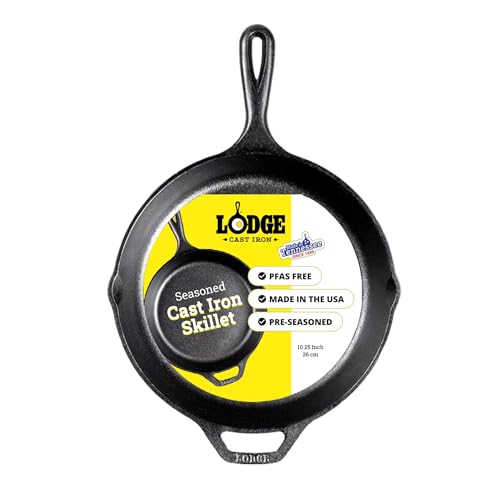
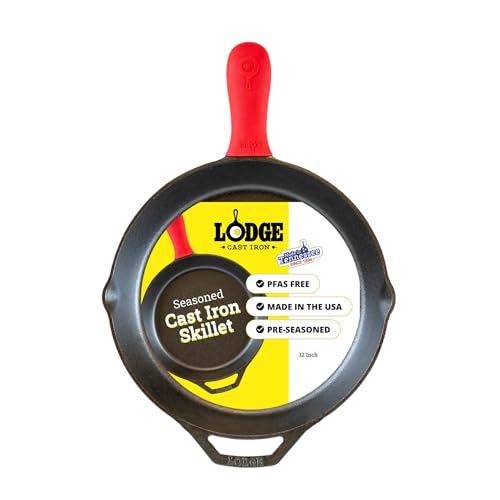




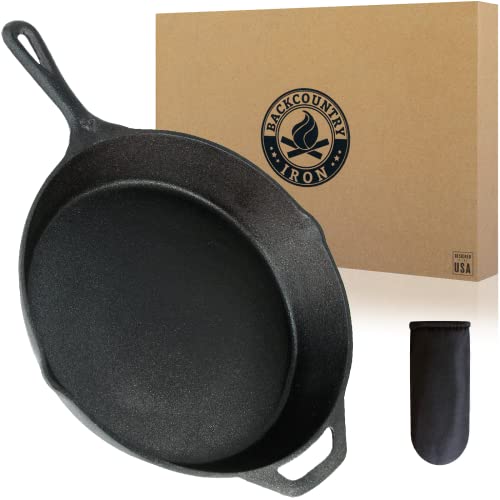


Quick Answer: Three Types in 30 Seconds
Most new owners do best with one of three types. A classic pre seasoned skillet is the affordable all rounder that can sear, fry, and bake. An enameled skillet skips seasoning and handles tomato sauces without fuss, at a higher price. A lightweight skillet keeps the same cooking surface in a pan that is gentler on your wrists. Pick by the care routine and the lifting weight you can live with daily.
Before You Buy: A Quick Checklist for Choosing a Cast Iron Skillet for Beginners
Size: Match It to Your Space
Start with the meals you cook most. A 10 or 10.25 inch skillet suits one or two people, fits a standard burner well, and slides into most cabinets and ovens. A 12 inch skillet gives four chicken thighs or a family batch of potatoes real room, but it weighs more and needs a wider shelf. Smaller 6 and 8 inch pans are handy for eggs or a single sandwich, yet too cramped as your only pan. Measure your largest burner and your storage spot before you order.
Which Type Fits Your Routine
Bare cast iron with a factory seasoning layer is ready to cook on day one and improves the more you use it, which is why guides to the best pre seasoned cast iron skillet are a natural starting point. Enameled pans trade that seasoning routine for a glass coating that resists rust and acidic foods. Lightweight and smoothly machined pans cost more and feel refined, but they cook much like the classics. Deep sided and square grill styles solve narrow jobs, so treat them as second pans.
Features Worth Paying For, and Ones to Skip
Two pour spouts help you drain bacon fat or pan juices without a dribble down the side. A short helper handle opposite the main handle makes a full, heavy pan far safer to carry to the oven. A lid earns its keep if you braise or melt cheese often, though a sheet pan works in a pinch. Skip bundled accessory kits stuffed with scrapers and holders you may never use, and skip novelty shapes that heat unevenly and store awkwardly.
Is Cast Iron a Coating Free Choice?
Bare cast iron has no synthetic coating at all. The dark surface is seasoning, a thin layer of oil baked onto the iron itself, so there is no PFAS or PTFE involved and nothing to peel or flake into food. Enameled pans cover the iron with a glass based coating that makers formulate without those compounds as well. If you cook with metal utensils daily or dislike replacing coated pans every few years, plain iron removes that worry entirely.
Induction, Gas, and Glass Top Compatibility
A flat, smooth bottom is the detail that matters here. Cast iron works on gas and induction as a rule, and it suits glass top ranges when the base sits flat and you lift rather than slide the pan, since dragging heavy iron can scratch the surface. Warped or rough bases spin and heat unevenly on flat cooktops, so check product photos of the underside. On induction, the pan must cover a good share of the marked ring to register and heat evenly.
Oven Heat Limits and Handles
Bare cast iron tolerates high oven heat, and many makers rate their skillets for use under the broiler, so a skillet that starts a frittata on the stove can finish it in the oven. Enameled pans often carry a lower stated limit, and lids with plastic knobs lower it further, so read the stated rating for the exact pan. Silicone handle covers protect your hand for a quick move, but most are not rated for long stays in a hot oven.
Realistic Budget Ranges
A solid classic skillet with a slightly rough cooking surface that smooths out with use usually costs under $30. About $30 to $60 adds better finishing, helper handles, and sometimes a lid. About $60 to $120 covers most enameled and lightweight options. Above that you pay for polished surfaces and refined casting rather than better browning. For a first pan, the lower bands leave money for a stiff brush and a chain mail scrubber.
Three Types Compared: Which One Fits Your Home
With the checklist in mind, here is how the three main types stack up for a first purchase.
The Classic Pre Seasoned Skillet for Most Homes
This is the default recommendation for most new cooks. It arrives seasoned, costs the least, and handles everything from fried eggs to cornbread once you learn basic heat control. It does ask for simple habits in return, mainly drying it on the stove after washing and wiping on a trace of oil now and then. If you want one pan that can grow with your skills for decades, the classic best cast iron skillet for beginners is this type.
The Lightweight Skillet for Easier Lifting
Traditional skillets in the 12 inch size can feel like a workout when full of food. Thinner castings cut that weight noticeably while keeping the searing surface and heat holding character people buy cast iron for. Shoppers comparing the best lightweight cast iron skillet options usually care most about wrist comfort and smaller household portions. Expect to pay more per pan, and note that a lighter base loses heat a touch faster when you add cold food.
The Enameled Skillet for Low Fuss Care
Enamel removes seasoning from your life. You can soak the pan, simmer tomato sauce for an hour, and put leftovers straight into the fridge in it. The trade offs are price, a surface that browns slightly less aggressively than bare iron, and enamel that can chip if you drop the pan or bang it with heavy utensils. Our explainer on enameled vs regular cast iron walks through the daily differences if you are torn between the two.
How to Compare Skillets Without Guesswork
Judge any candidate against the same five points. Check heat distribution by looking for an even, moderately thick base. Judge durability by casting quality and the absence of thin, sharp edges. Confirm material safety from the maker description of the surface. Verify stovetop and oven compatibility against your own range. Finally, picture the cleaning routine on a tired weeknight. A pan that scores well on all five for your home beats a famous name that fits your kitchen poorly.
Living With It: What Really Matters Day to Day
Beginner success comes down to three habits more than any spec. First, preheat the pan gently over medium heat for a few minutes, because cast iron heats slowly but then holds that heat through a whole batch of pancakes. Second, give food space, since crowding traps steam and prevents the crust you bought the pan for. Third, treat the weight honestly: store the skillet on the stove or a low shelf you can reach with two hands, not above shoulder height.
Compared with a stainless steel skillet, cast iron asks for a little more care and rewards you with stronger browning and no coating to baby. Many new owners keep one of each and reach for the iron pan for searing, frying, and oven work. That mix is a sensible place to start, and you can always add a deep pan or a grill pan later once you know which jobs you cook weekly.
Common Buying Mistakes to Avoid
- Buying the largest size on sale, then dreading its weight and leaving it in the cabinet.
- Choosing a glass top range pan with a rough or raised base that can scratch the cooktop.
- Paying for enameled luxury when you mostly want hard searing, where bare iron does the job for less.
- Skipping a helper handle on a 12 inch skillet, then struggling to move it when full.
- Expecting a factory seasoning layer to behave like a coated nonstick pan in the first week.
Cost of Ownership and Care
Ongoing costs are tiny. You need dish soap, a stiff brush, stove heat for drying, and a small amount of neutral oil for upkeep, which together cost very little each year. There are no filters, pads, or liners to replace, and no recoating service to pay for later. The full washing and drying routine is covered in our guide on how to clean a cast iron skillet, and it takes about two minutes once it becomes habit.
Seasoning touch ups are equally simple. When the surface looks dull or food starts to cling, a thin coat of oil and an hour in a hot oven restore it. The step by step method in our guide on how to season a cast iron skillet shows the thin coat technique that avoids sticky spots. Done a few times a year, this keeps a modest first pan cooking well for decades.
Your Questions, Answered
What is the best cast iron skillet for beginners?
For most people it is a pre seasoned 10.25 or 12 inch bare iron skillet with pour spouts and a helper handle. Burner match matters too: choose a size close to the diameter of the burner you use most. A pan far wider than the burner heats unevenly at the edges, while a much smaller pan wastes the heat and can scorch the handle zone.
Why does food stick in a new cast iron skillet?
Sticking usually comes from heat timing rather than a bad pan. If the skillet is too cool, proteins bond before a crust forms. If it is smoking hot, sugars burn on contact. Preheat over medium until a few drops of water skitter across the surface, then add your fat and food. Also let food sit undisturbed for the first minute or two. Many items release on their own once the crust sets.
Can I use metal utensils in a cast iron skillet?
Yes. Metal spatulas and tongs will not ruin bare cast iron, and a thin metal spatula is actually the best tool for lifting fried eggs and smash burgers because it slides under the crust cleanly. The seasoning layer may pick up light marks early on, but normal cooking rebuilds it. Save your gentler touch for enameled pans, where hard metal edges can mark or chip the glass surface over time.
How long does a cast iron skillet last?
A sound casting can cook for generations, and the realistic limits are accidents rather than age. Cracks from a hard drop onto tile, or warping from heating an empty pan hard and then running it under cold water, are what usually end a skillet life. Rust looks alarming but is almost always surface level and removable. Buy one pan you like using, and lifespan stops being a question you need to ask.
Is a cast iron skillet worth it if I cook only a few times a week?
Yes, because one skillet covers frying, searing, baking, and reheating, so it replaces several single job pans in a small kitchen. The cost per year of use drops quickly at the classic price band, and there is no coating wearing out while the pan sits in a drawer between uses. Occasional cooks do especially well with the 10 inch size, which heats faster and stores easily.
Final Thoughts
Start with the size that fits your burner and your shelves, choose the type that matches the care routine you will actually keep, and spend the savings on good ingredients. The product table above lists current options. Pick the best cast iron skillet for beginners for your own kitchen, cook in it often, and the pan will reward you a little more every month.


