
Best Cast Iron Skillet for Camping: Size, Weight and Lids (2026)
Disclosure: We may earn a commission when you buy through links on this page, at no extra cost to you. As an Amazon Associate I earn from qualifying purchases. Learn more

The best cast iron skillet for camping guide: size, weight, lid options and outdoor care.
Morning at a campsite rarely goes to plan. The stove sputters in a breeze, hungry kids circle the picnic table, and last night the pan was left a little damp. Choosing the best cast iron skillet for camping means choosing a pan that handles uneven outdoor heat, packs without drama, and still cooks dinner at home.
This guide helps you choose by pack space, group size, cooking style, and budget. Use the product table below to compare options, then read the checklist for the details that matter most outdoors.
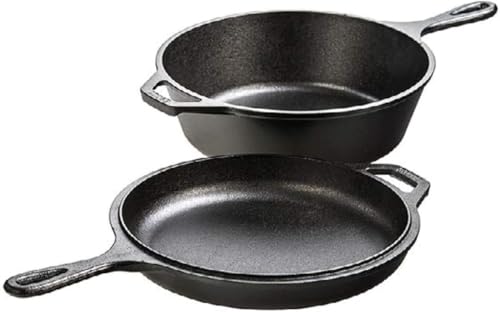
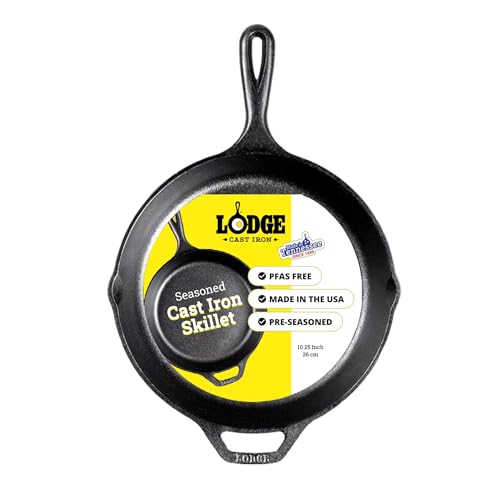


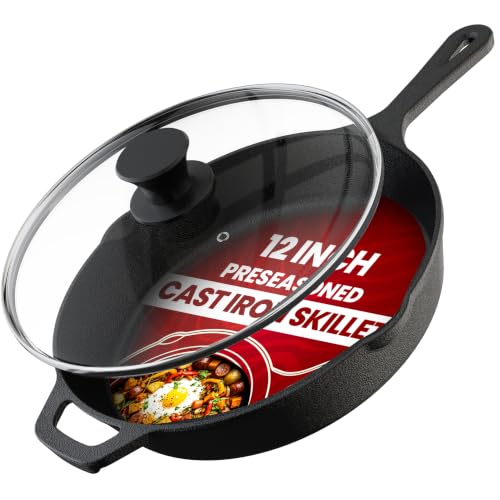


Quick Answer: Types at a Glance in 30 Seconds
Finding the best cast iron skillet for camping starts with type. For most car campers, a standard pre seasoned skillet in a 10 inch or 12 inch size is the simplest choice. It tolerates coals and camp stoves and doubles as a home pan. Campers who carry gear on foot should look at lighter castings. Groups benefit from a deeper pan with a lid.
Before You Buy: A Quick Checklist for Choosing a Cast Iron Skillet for Camping
Camping changes what matters. Weight rides in your vehicle or pack, heat comes from coals or small burners, water may be scarce, and damp air encourages rust.
Size: Match It to Your Space
An 8 inch skillet suits one or two people and fits in a small camp bin, but it crowds three eggs. A 10 inch or 10.25 inch pan is the versatile middle ground for couples and small families on most two burner camp stoves. A 12 inch pan feeds a group and gives food room to brown, yet it takes more storage space. Readers who cook mostly at home may also want to compare the best cast iron skillet options for daily stove use before settling on a camping size.
Which Type Fits Your Routine
A best pre seasoned cast iron skillet choice arrives ready to cook and improves as its seasoning builds, which suits campers who want the fewest steps. Enameled cast iron resists rust and handles acidic foods without seasoning care, but the coating can chip if the pan knocks against other gear. Smooth machined surfaces release food well over time, while traditional rough castings cost less. Deep pans hold chili without spills on a moving grate. If pack weight decides your trips, compare a best lightweight cast iron skillet type against standard castings before you buy.
Features Worth It (and Ones to Skip)
A lid is worth paying for if you bake, braise, or want to set coals on top for even heat. Pour spouts help you drain bacon fat into a container at camp. A helper handle makes a full heavy pan safer to move with two mitts. A removable handle cover adds grip at the table, though you must take it off before the pan goes over coals. Skip novelty shapes that reduce cooking area and accessory kits full of tools you already own.
Is It Non Toxic?
Plain cast iron has no synthetic coating, so there is no PFAS or PTFE layer to wear away at high heat. Its cooking surface is iron covered with seasoning, which is oil baked into a hard layer through repeated use. Enameled pans cover the iron with a glass based coating that is stable in normal cooking, though deeply chipped enamel should be retired from food contact. Avoid very old pans of unknown origin, since past uses cannot be verified.
Induction, Gas and Glass Top Compatibility
At camp you will likely cook over a gas camp stove, a grill grate, or coals, and cast iron handles all three. At home, a flat bottomed skillet works on induction because the iron is magnetic, and on gas and electric coil burners. On a glass top range, a heavy rough bottom can scratch the surface if you drag it. Lift the pan to move it and confirm your range maker allows heavy cast iron.
Oven Safe Temperature and Handles
All metal cast iron skillets tolerate very high oven heat, and many campers use that trait for baking under coals. The limits come from add ons, not the pan itself. Silicone handle covers and wooden grips have lower heat limits and should stay away from coals. Enameled lids with plastic knobs may also carry a lower limit than the pan body, so read the stated limit for each part. Long handles can tip a pan on a narrow grate, while dual short handles sit more steadily outdoors.
Realistic Budget Ranges
Under $30 usually buys a basic pre seasoned skillet in a common size, with a rougher surface and fewer extras. About $30 to $50 adds better finishing, a helper handle, or a lid on some types. About $50 to $100 covers many lightweight and enameled options. Under $200 is the premium zone for refined casting and finish work. For camping, put your money toward the right size and type first, then toward finish.
Three Types Worth Your Money for Camping
Match one of these three types to how you actually camp.
Standard Pre Seasoned Skillet for Most Campers
This is the workhorse type for car camping and backyard fire cooking. It shrugs off metal utensils, grate contact, and direct coals, and small seasoning damage can be repaired at home with oil and heat. It suits pancakes, eggs, and seared meats for two to six people in the common sizes. The trade off is weight and rust care. Dry it fully and oil it lightly after washing, or surface rust will form in storage.
Lightweight Skillet for Campers Who Carry Gear Far
Thinner castings cut meaningful weight while keeping the searing traits that make cast iron useful outdoors. That matters when you haul a camp kitchen in a canoe or on a long walk to the site. These pans heat and cool a bit faster, so you adjust the flame more often to avoid hot spots. They suit solo cooks and pairs who make simple one pan meals. If your trips are all drive up sites, the weight saving may not justify the higher cost.
Deep Skillet With a Lid for Group Meals
A deep skillet earns its pack space when dinner is more than frying. Higher walls hold beans, stews, and cobblers without bubbling over, and a heavy lid traps steam so food cooks through in cold evening air. With coals on the lid, you can bake cornbread at camp with results close to a home oven. This type is the heaviest of the three, so it fits group base camps and vehicle based trips better than minimalist outings.
Our Selection Process for the Best Cast Iron Skillets for Camping
We compare types using heat distribution, durability, material safety, stove and oven compatibility, and cleaning effort. Our sources are maker specifications, care guidance from manufacturers, and patterns in verified buyer reviews about weight, rust, and handle comfort. Use the same points to judge any model and spot where a higher price reflects a real benefit for your camping style.
Living With It: What Really Matters Outdoors
Wind is the hidden variable in camp cooking. A skillet holds heat better than thin pans in gusts, but you still help it with a windscreen and longer preheating. Set the pan level on the grate before food goes in, because a tilted pan pools oil and cooks unevenly. After meals, scrape and wipe while the pan is warm, since limited camp water makes a full wash wasteful. Our comparison of cast iron vs stainless steel skillet options explains where each metal fits outdoors.
Storage on the drive home matters as much as cooking. A pan packed damp in a closed bin can rust before you unpack, so dry it over low heat and place a cloth between it and other gear. Families sharing one pan for camp and kitchen get the best value, since regular home use keeps seasoning strong.
Common Buying Mistakes to Avoid
- Buying a 15 inch pan for a two burner camp stove, so the edges stay cool while the center scorches food.
- Choosing the lightest pan for large group meals, so crowded food steams instead of browning.
- Packing an enameled pan loose among metal gear, so the coating chips during the drive.
- Ignoring the lid knob heat limit, so a part rated for the oven fails over direct coals.
- Leaving the pan wet in a camp bin overnight, so rust forms and the next morning starts with scrubbing.
- Paying for a large accessory bundle, so you carry tools your camp kitchen already has.
Cost of Ownership and Care
Ownership costs stay low with cast iron. You need cooking oil for seasoning, a stiff brush or scraper, and heat proof mitts, and most households already own all three. A handle cover may need replacing after a few seasons, at around $10 to $15 for many basic styles. There are no filters or coatings to renew on a schedule. Surface rust usually scrubs off, followed by a fresh thin coat of oil and time in a hot oven.
For step by step guidance, read our notes on how to clean a cast iron skillet for the full washing routine, and follow how to season a cast iron skillet when the surface looks dull or food sticks often. That home routine makes camp care feel simple, since the same dry and oil habit protects the pan in both places.
FAQ: Your Questions, Answered
What is the most reliable cast iron skillet brand?
Reliability comes less from a name than from even casting, a flat bottom, and a maker that states clear care and warranty terms. Thick, well finished pans resist warping and hold seasoning evenly, and those traits matter more outdoors than a logo. Check that replacement lids and handle covers are easy to find for the size you choose, since a widely sold size keeps accessories available years later.
How do you clean a cast iron skillet at a campsite?
Start while the pan is still warm by scraping food bits into your trash bag with a wooden spoon or pan scraper. Wipe the surface with a little water and a brush, using coarse salt as a gentle abrasive for stuck spots, which saves your limited water supply. Dry the pan over low heat right away. Pack all food waste out with you, since washing scraps onto the ground attracts animals.
Is a cast iron skillet worth it for camping?
It is worth it if you cook real meals outdoors, fry often, or want one pan that also works daily at home. The heat holding surface browns food well over uneven camp heat, and the pan tolerates coals in a way thin pans cannot. It is less worth it for campers who only boil water for freeze dried meals, since then the weight brings no benefit. Your menu should decide whether cast iron earns space in your kit.
How long does a cast iron skillet last with outdoor use?
A sound cast iron skillet can serve for decades, and outdoor use does not shorten that span when you dry and oil it after trips. The usual threats are rust from damp storage and cracks from dropping the pan onto rock or concrete, not wear from cooking itself. Seasoning is renewable, and even neglected pans often return to service after cleaning and fresh seasoning. Inspect the pan after any hard drop before using high heat again.
What should I look for in a cast iron skillet for camping on a first trip?
For a first trip, borrow a pan or buy a common mid size, then practice two meals on your home stove before you rely on it over a fire. Test how the handle feels with a full load while wearing mitts, since camp grates sit higher than most burners. Pack a scraper and a small oil bottle. That trial run at home is the step many buyers skip, and it prevents most first trip surprises.
Final Thoughts
Match the type to your trips and the rest falls into place. Car campers do well with a standard pre seasoned pan, gear haulers gain from lighter castings, and group cooks should choose depth and a lid. Compare your finalists in the product table above, and the best cast iron skillet for camping for your family will be the one you reach for at home between trips as well.


