Best Bread Dutch Ovens 2026: Every Type Explained Side by Side
Disclosure: We may earn a commission when you buy through links on this page, at no extra cost to you. As an Amazon Associate I earn from qualifying purchases. Learn more

Learn how to choose a bread dutch oven by size, material, lid fit, and heat retention, with a clear comparison of cast iron, enameled, and combo cooker types.
Baking crusty bread at home often comes down to steam and steady heat, which is why best bread dutch ovens are so popular with home bakers. The comparison table below compares the main dutch oven types side by side, while this guide helps you choose a size and material for your loaves.
A dutch oven for bread is a heavy, lidded pot that traps steam from the dough as it bakes, creating a crisp crust and a well risen loaf. The heavy walls hold heat steadily, while the tight lid keeps moisture in during the first part of baking. After the initial steam phase, removing the lid allows the crust to brown and crisp. The result is closer to bakery bread than a loaf baked on an open tray, especially for sourdough and artisan style loaves.



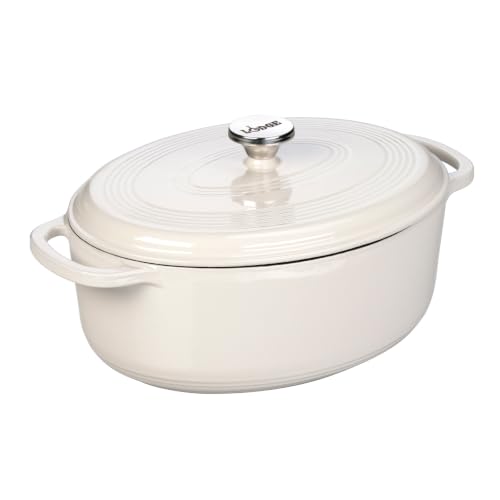
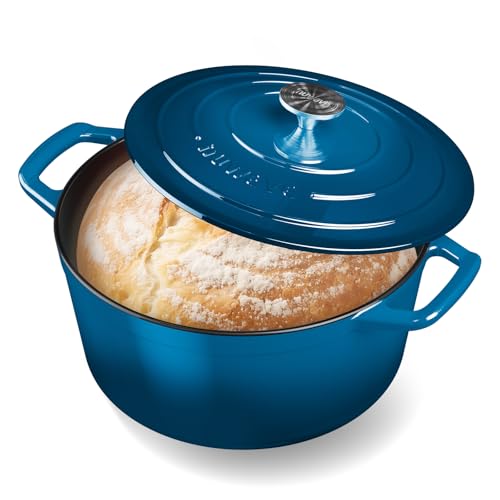
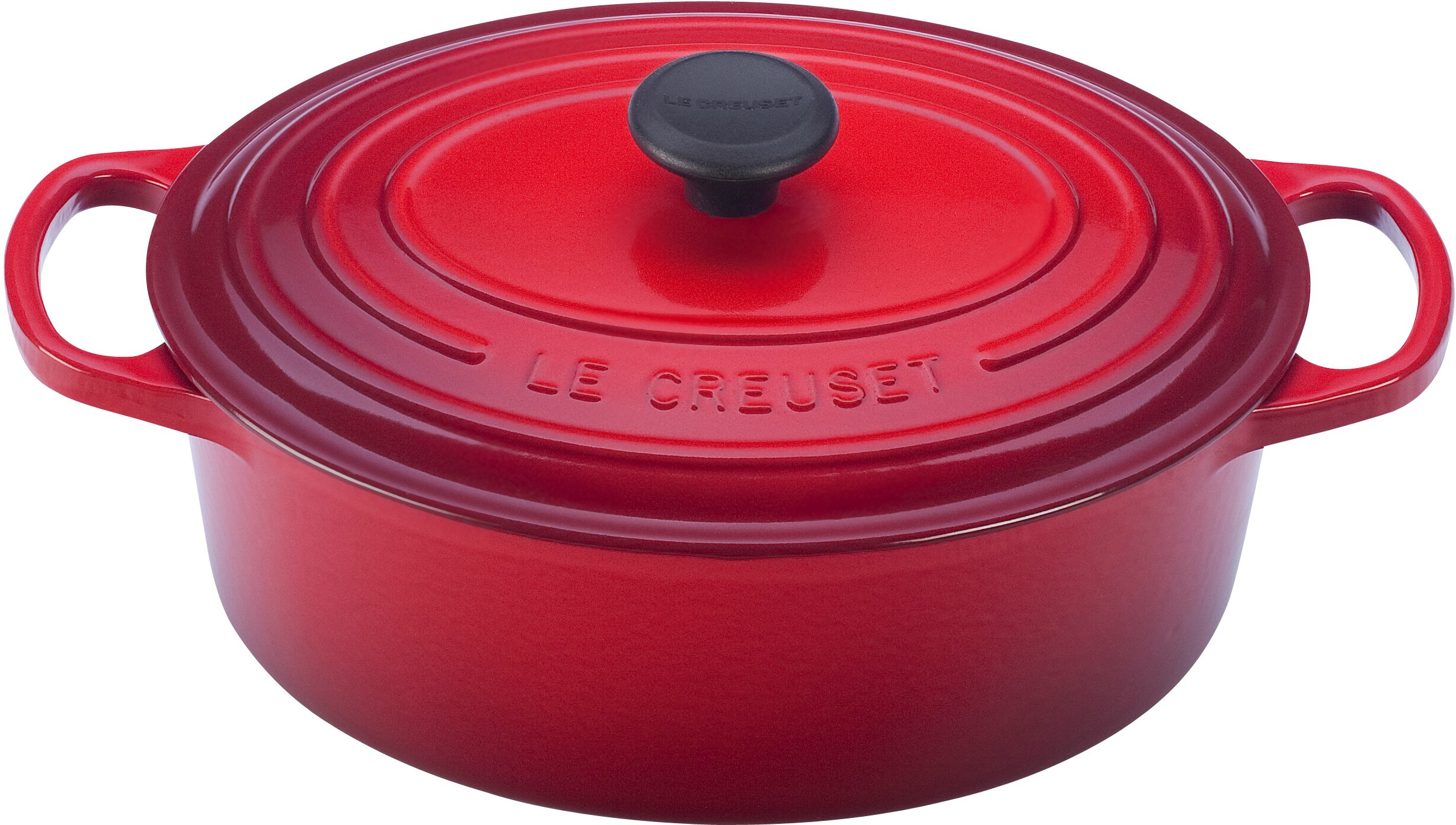
The Basics
Size should match your usual loaf. A 4 to 5 quart pot suits most standard loaves, while a larger pot suits bigger loaves or baking two smaller loaves in sequence. A pot that is too large for a small loaf can spread the dough and give a flatter shape, while a pot that is too small can restrict oven spring. Check that the pot fits your oven with the lid on, and that you can lift it safely when hot and heavy.
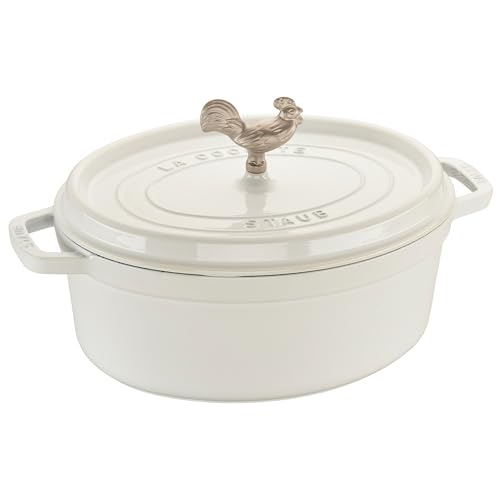
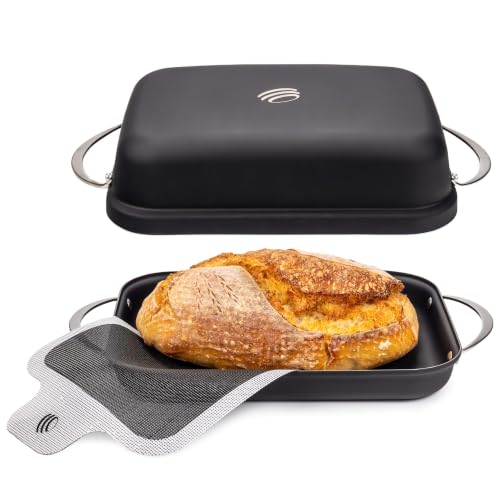
Material affects heat, care, and durability. Bare cast iron is very durable and develops seasoning, but it needs careful drying and oiling to prevent rust. Enameled cast iron is easier to clean and does not need seasoning, but the enamel can chip if knocked. Combo cookers, which use a shallow pan as a lid, make loading dough easier and can double as a skillet.
Key Features to Compare
Size and Loaf Shape
Size affects loaf shape as well as capacity. A round pot suits round boules, while an oval pot suits oval batards and longer loaves. A pot that is slightly larger than the dough gives room for oven spring without spreading too much. Measure your usual dough weight and check pot dimensions, including height, because a tall pot can make loading and unloading dough more difficult.
Cast Iron and Heat Retention
Bare cast iron holds heat exceptionally well and gives steady, even baking, which is ideal for crusty bread. It needs seasoning and careful drying to prevent rust, and it is heavy when hot. If you enjoy cast iron care and already own cast iron cookware, a bare cast iron dutch oven is a durable, long lasting choice.
Enameled Cast Iron and Easy Care
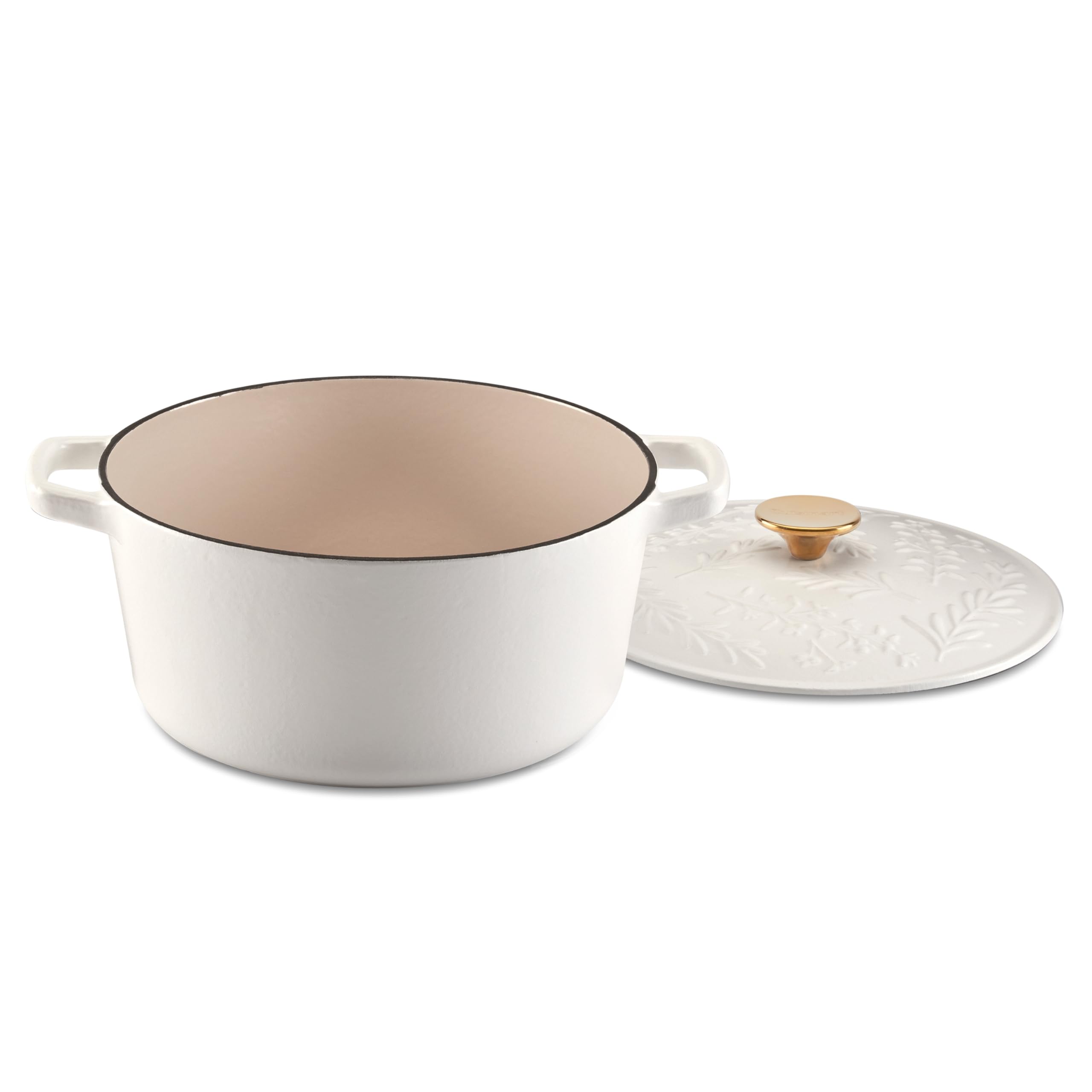
Enameled cast iron offers similar heat retention with easier cleaning and no seasoning needed. The enamel interior resists sticking and is simpler to wash, which suits bakers who want low maintenance. Check enamel quality and avoid thermal shock, such as plunging a very hot pot into cold water, because that can damage enamel over time.
Combo Cookers and Loading Ease
A combo cooker pairs a deep pot with a shallow skillet lid, and you can bake with the shallow pan as the base for easier loading. This design makes it simpler to place dough and to score it, because you are not reaching into a deep hot pot. The skillet lid also serves as a separate cooking pan, which adds versatility for everyday cooking.
Lid Fit, Handles, and Oven Safety
A tight lid is essential for trapping steam, so check that the lid sits flush without rocking. Handles should be large enough to grip with oven mitts when the pot is hot and heavy. Check the maximum oven temperature for the pot, especially for knobs or handles that may have lower limits, and always use dry oven mitts, because damp mitts conduct heat quickly.
Who Should Buy Which Type
For Sourdough Bakers
Sourdough bakers need a pot that traps steam well, holds steady heat, and fits a typical boule or batard. A 4 to 5 quart round or oval pot is a good starting point for most sourdough loaves. Preheat the pot as the recipe suggests, load dough carefully, and remove the lid for the final browning phase to develop a crisp crust.
For Everyday Bread Bakers
Everyday bakers who bake a few times a month may prefer an enameled pot for easier cleaning and less maintenance. A midsize pot that fits the oven easily and is not too heavy to lift will be used more often than a very large, heavy pot. Choose a size that matches your most common loaf, not your largest occasional loaf.
For Bakers Who Also Cook
If you also cook stews, soups, and braises, a dutch oven that works well for both bread and general cooking offers the strong value. An enameled pot or a combo cooker suits dual use, because it cleans easily and the lid doubles for other dishes. Check that the pot is suitable for stovetop use if you plan to use it for cooking as well as baking.
Related Choices to Compare
If you are also weighing a nearby option, the guide to best dutch ovens for bread making explains how that choice differs and when it may suit your needs better. Compare its main trade offs with the points above before you decide.
If you are also weighing a nearby option, the guide to best dutch ovens for bread baking explains how that choice differs and when it may suit your needs better. Compare its main trade offs with the points above before you decide.
If you are also weighing a nearby option, the guide to best bread oven for home explains how that choice differs and when it may suit your needs better. Compare its main trade offs with the points above before you decide.
If you are also weighing a nearby option, the guide to best enameled dutch ovens explains how that choice differs and when it may suit your needs better. Compare its main trade offs with the points above before you decide.
If you are also weighing a nearby option, the guide to best ovens for baking bread explains how that choice differs and when it may suit your needs better. Compare its main trade offs with the points above before you decide.
Common Mistakes and Care
A common mistake is buying a pot that is too large for the dough, which gives a flat, spread out loaf. Another mistake is handling a hot, heavy pot without proper oven mitts or a clear path to the oven, which risks burns. Measure dough and oven first, and always plan how you will lift the hot pot safely.
Clean as the maker suggests, dry bare cast iron thoroughly and oil lightly, and avoid thermal shock for enameled pots. Store with the lid slightly ajar to allow airflow, and check enamel for chips before each use. Good care will keep a dutch oven baking well for many years.
Frequently Asked Questions
What size dutch oven is best for bread?
A 4 to 5 quart pot suits most standard loaves, including typical sourdough boules. A larger pot suits bigger loaves, while a smaller pot suits mini loaves. Choose a size that gives the dough room to rise without spreading too much, and check that the pot fits your oven with the lid on.
Is cast iron or enameled better for bread?
Bare cast iron is very durable and holds heat well, but it needs seasoning and careful drying. Enameled cast iron offers similar heat with easier cleaning and no seasoning. Both bake excellent bread, so choose based on how much maintenance you are willing to do and whether you also cook other dishes in the pot.
Do I need to preheat a dutch oven for bread?
Most bread recipes preheat the dutch oven in the oven before loading dough, because a hot pot gives better oven spring and crust. Follow your recipe for preheat time and temperature, and use care when handling a very hot pot. Some bakers prefer a cold start method, but preheating is the more common approach for crusty loaves.
Can I bake bread in a combo cooker?
Yes, a combo cooker works well for bread, and the shallow pan base makes loading dough easier than a deep pot. Bake with the deep pot as the lid or the shallow pan as the base, depending on the design. The combo design also gives you a useful skillet for everyday cooking.
How do I get a crisp crust with a dutch oven?
A crisp crust comes from steam trapped by the lid during the first part of baking, followed by lid removal for browning. Bake with the lid on for the time your recipe suggests, then remove the lid and continue baking until the crust is deep golden. Let the loaf cool fully before slicing, because cutting too soon can make the crumb gummy.
Final Thoughts
Match size to your usual loaf, choose material for your care preferences, and check lid fit and safe handling before you buy. A pot that fits your oven, your dough, and your lifting strength will bake better bread than a larger or more expensive pot that is awkward to use. The comparison table above can help you compare cast iron, enameled, and combo types.
For most home bakers, best bread dutch ovens come down to the right size for your loaf, a tight lid for steam, and a material you will happily care for. Get those right and crusty bread becomes a regular pleasure.