Best Dutch Ovens: A Complete Buying Guide for Home Cooks

You finally decide to make a real pot roast, and halfway through you realize your everyday pot cannot hold enough liquid to keep it from drying out. That is usually the moment people start shopping for a dutch oven. Choosing among the best dutch ovens is not just about picking a color you like on a shelf. The material, weight, and shape all change how the pot performs, and getting the wrong combination means either wrestling a pot that is too heavy to lift or one that scorches food before it has a chance to braise properly. This guide walks through how to choose material, size, and shape, how to match the pot to the way you actually cook, and what separates a coating that lasts decades from one that chips within a year.
Cast Iron, Enameled, or a Lighter Alternative
Material is the single biggest thing that separates one dutch oven from another, and it affects everything from how evenly the pot heats to how much upkeep it needs.
Bare Cast Iron: Old-School and Nearly Indestructible
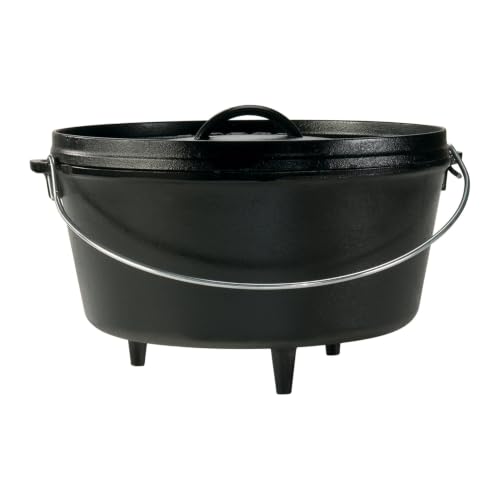
Bare cast iron heats slowly and unevenly at first, but once it gets going it holds heat longer than almost any other material, which makes it a favorite for searing, deep frying, and campfire cooking. It needs seasoning and a quick dry-and-oil routine after every wash to keep rust away, and it is not the best choice for simmering tomato sauce or wine for hours, since acid can eat through the seasoning over time.
Enameled Cast Iron: The Low-Maintenance Default
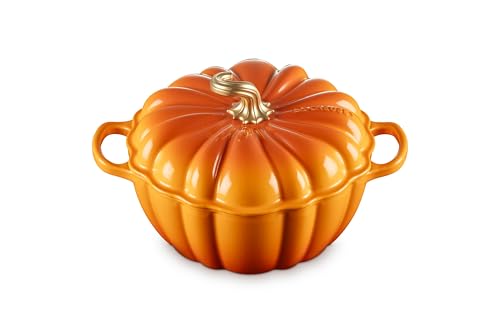
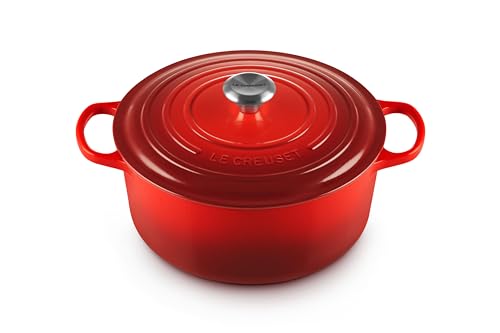
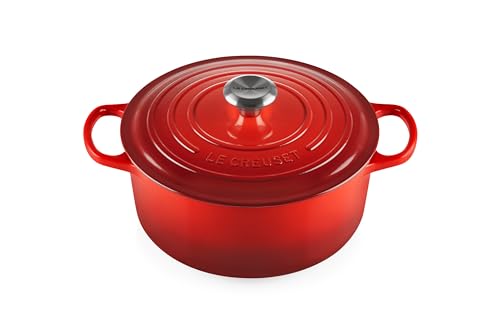
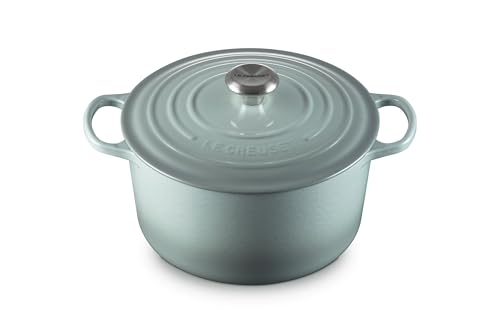
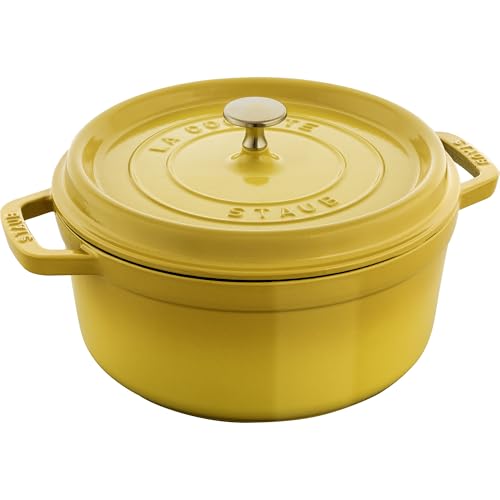
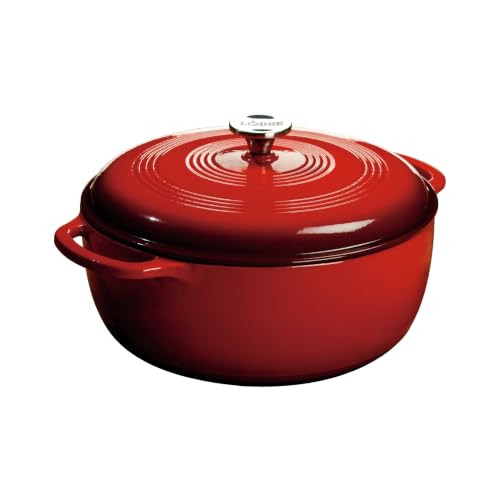
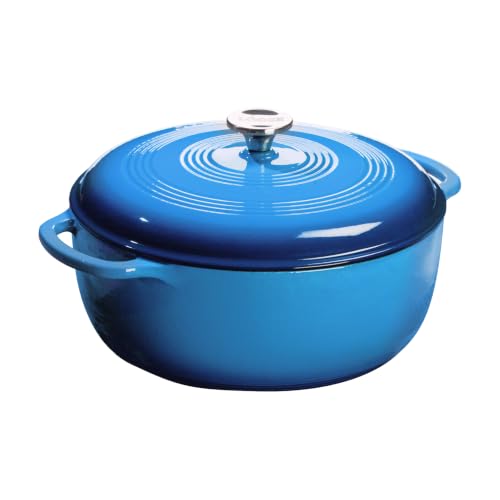
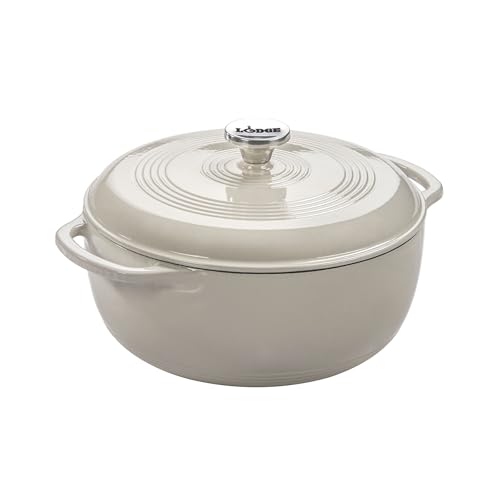
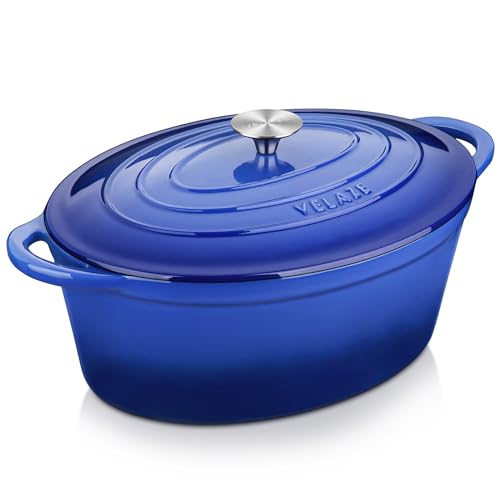
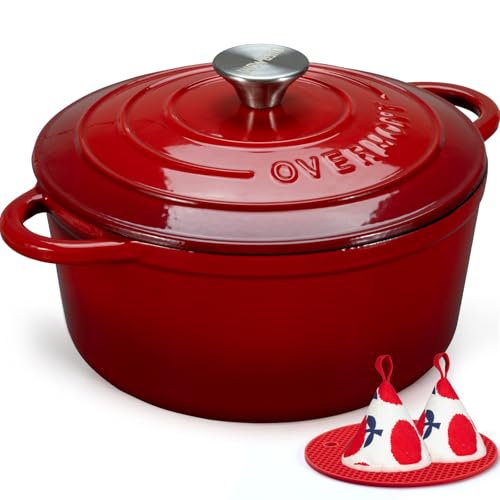
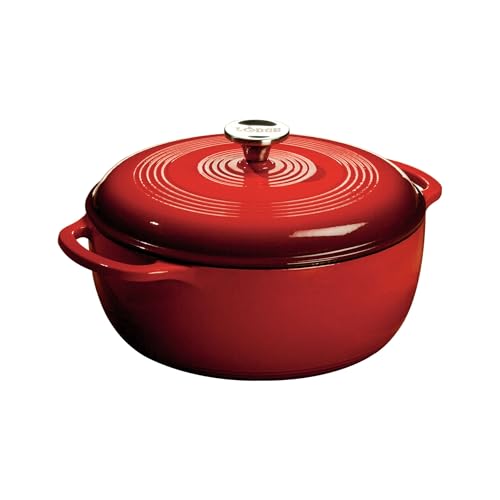
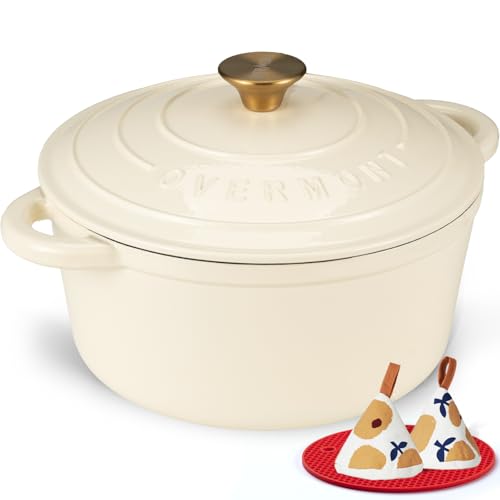
An enameled version trades a little bit of heat retention for convenience. The glazed coating never needs seasoning, shrugs off acidic ingredients, and cleans up with soap and water instead of a careful drying ritual. For anyone who braises, makes soup, or cooks sauces regularly, this is usually the easier pot to live with day after day.
Stainless Steel and Ceramic-Coated Aluminum: When Lighter Makes Sense
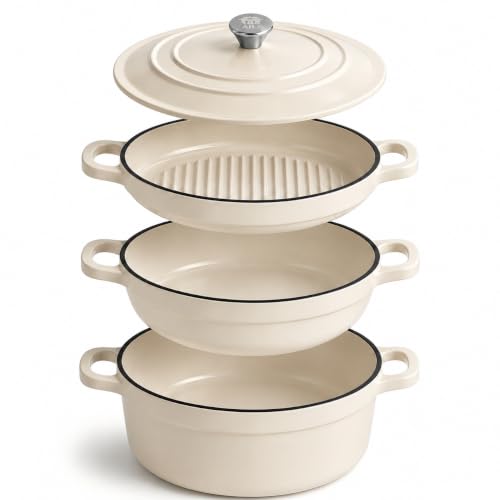
Some dutch ovens skip cast iron altogether in favor of tri-ply stainless steel or ceramic-coated aluminum. These heat up faster and weigh noticeably less, which matters if arthritis, a bad shoulder, or just general kitchen fatigue makes lifting a loaded cast iron pot unpleasant. The tradeoff is that they lose heat faster once the burner turns off, so long, slow braises are not quite as forgiving. If you are already building a kitchen around lighter cookware, it is worth browsing a guide to stainless steel cookware sets to see how a dutch oven would fit alongside the rest of your pots and pans.
Sizing It Right: Capacity, Weight, and Shape
Once material is settled, size and shape decide whether the pot actually gets used or ends up stuck in the back of a cabinet.
Picking a Capacity for Your Household
Dutch ovens generally run from about 2 quarts up to 13 quarts or more. For two to four people cooking everyday meals like chili, soup, or a pot roast, 5 to 6 quarts covers nearly everything without feeling excessive. Smaller pots in the 2 to 4 quart range suit side dishes or cooking for one, while anything past 7 quarts is really built for big families, whole turkeys, or batch cooking you plan to freeze.
Why a Full Pot Weighs More Than You'd Guess
An empty 6 quart cast iron dutch oven can already weigh 12 to 15 pounds, and once it is loaded with a braise or a pot of soup, lifting it out of the oven with two full hands becomes a real consideration, not an afterthought. Before buying a large capacity purely because it seems like a better deal, think honestly about whether you can safely lift it full, especially in and out of an oven at shoulder height.
Round or Oval: Matching Shape to How You Cook
Round dutch ovens distribute heat a bit more evenly and fit standard burners well, which makes them the stronger all-purpose pick for soups, stews, and bread. Oval dutch ovens are built for roasts, since their elongated shape accommodates a whole chicken or a rack of ribs that would not lie flat in a round pot. If you are only buying one, round in a mid-size capacity covers the widest range of everyday cooking.
Matching the Pot to What You Actually Cook
The right dutch oven depends less on brand reputation and more on what ends up in it most often.
Braises, Soups, and Stews
This is the classic use case, and almost any dutch oven handles it well. A tight-fitting lid traps steam so the pot self-bastes, which is what turns a tough cut of meat tender over a few hours in a low oven.
Baking Bread in a Dutch Oven
Baking crusty, artisan-style bread inside a preheated dutch oven has become one of the most popular uses for the pot, since the enclosed space traps steam the same way a professional deck oven would. This is also where enamel takes the most abuse, since high, dry heat and repeated preheating cycles are harder on a glazed coating than a slow braise ever is. A heavier bare cast iron pot tends to handle this kind of repeated high-heat baking with less wear.
Stovetop Type Matters Too
Cast iron and enameled cast iron work on gas, electric, and induction cooktops, but it is worth confirming with the specific pot before buying, especially for induction. If you are shopping for a whole induction kitchen setup rather than a single pot, a guide to induction-compatible cookware can help you round out the rest of your collection.
If your kitchen runs on gas instead, the same logic applies. A roundup of cookware built for gas stoves can help make sure everything else you own matches your cooktop just as well as your dutch oven does.
Why Enamel Coatings Chip, and How to Avoid It
Enamel chipping is the single most common complaint people have about their dutch oven a year or two after buying it, and most of it comes down to a handful of avoidable habits.
The Habits That Cause Most Damage
Thermal shock is the biggest culprit. Adding cold liquid to a screaming hot pot, or dunking a hot pot straight into cold water to clean it, can crack both bare and enameled cast iron. Metal utensils that scrape the interior, stacking heavy pots directly on top of an unprotected lid, and skipping a gradual preheat in favor of blasting the burner on high all add up over time. None of these mistakes ruin a pot instantly, but they shorten its life considerably.
Caring for Bare Cast Iron Instead
Bare cast iron does not chip the same way, but it does rust if it is put away wet or stored without a light coat of oil. Skipping soap where possible, drying it thoroughly right after washing, and re-oiling it occasionally will keep the seasoning intact for years, the same basic upkeep that applies to most cast iron cookware in your kitchen.
What a Higher Price Actually Buys You
Dutch ovens span an enormous price range, and the difference is not just marketing. Higher-priced pots tend to use a more refined casting process that results in a lighter pot for the same capacity, along with a more durable multi-layer enamel finish that resists chipping longer. Mid-range and budget options are usually made from thicker, heavier iron with a simpler enamel application, which still performs well in daily cooking but may show wear sooner if it takes a hard knock. For most home cooks who braise a few times a month, a mid-range pot delivers nearly the same cooking results as a premium one. The extra cost at the high end mostly buys weight savings, warranty coverage, and a finish that holds up to years of hard use.
Frequently Asked Questions
What size dutch oven do I need for a family of four?
A 5 to 6 quart pot is the best fit for most families of four. It is large enough for a whole chicken or a big batch of chili while still being manageable to lift when full.
Is enameled cast iron better than bare cast iron?
Neither is strictly better; they suit different habits. Enameled cast iron is easier to maintain and handles acidic sauces well, while bare cast iron tolerates higher heat and develops a natural non-stick surface with use.
Can you use a dutch oven on an induction cooktop?
Most cast iron and enameled cast iron dutch ovens work fine on induction since the material is naturally magnetic. Stainless steel or aluminum versions should be checked individually, since not all of them qualify.
Why did my dutch oven's enamel start chipping?
Chipping is usually caused by thermal shock, such as adding cold liquid to a very hot pot, or by metal utensils scraping the interior. Repeated high-heat bread baking can also wear down the glaze faster than everyday braising.
Is a more expensive dutch oven worth it over a budget option?
A pricier pot generally weighs less for the same capacity and holds up to chipping longer, but a budget enameled cast iron pot still braises, simmers, and bakes bread perfectly well for most home cooks.
Can a dutch oven replace a slow cooker?
For most braises and stews, yes, a dutch oven on low oven heat can do what a slow cooker does, with the bonus of being able to sear on the stovetop first. It does require more attention than a slow cooker you can leave running all day.
Making the Right Call for Your Kitchen
The best dutch ovens come down to matching material, weight, and shape to how you actually cook rather than chasing the biggest or shiniest option on the shelf. A mid-size enameled pot in a round shape covers the widest range of everyday meals for most households, while bare cast iron rewards cooks who bake bread often or do not mind a little extra maintenance. Whatever you choose, careful preheating and proper storage will keep it performing well for a very long time.