
Best Aluminum Mountain Bike Wheels 2026
Disclosure: We may earn a commission when you buy through links on this page, at no extra cost to you. As an Amazon Associate I earn from qualifying purchases. Learn more

How to choose the best aluminum mountain bike wheels: rim width, hub standards, tubeless setup and durability for trail, XC and enduro riding.
The best aluminum mountain bike wheels offer a strong, affordable alternative to carbon for trail, XC and enduro riding. Aluminium dents rather than cracks on impacts, which many riders prefer for rough terrain. The comparison table below compares wheel types by riding style.
Wheel choice affects handling, durability and ride feel more than many riders expect. This guide covers rim width, hub standards, tubeless setup, spoke count and weight, so you can pick wheels that match your bike, terrain and budget.


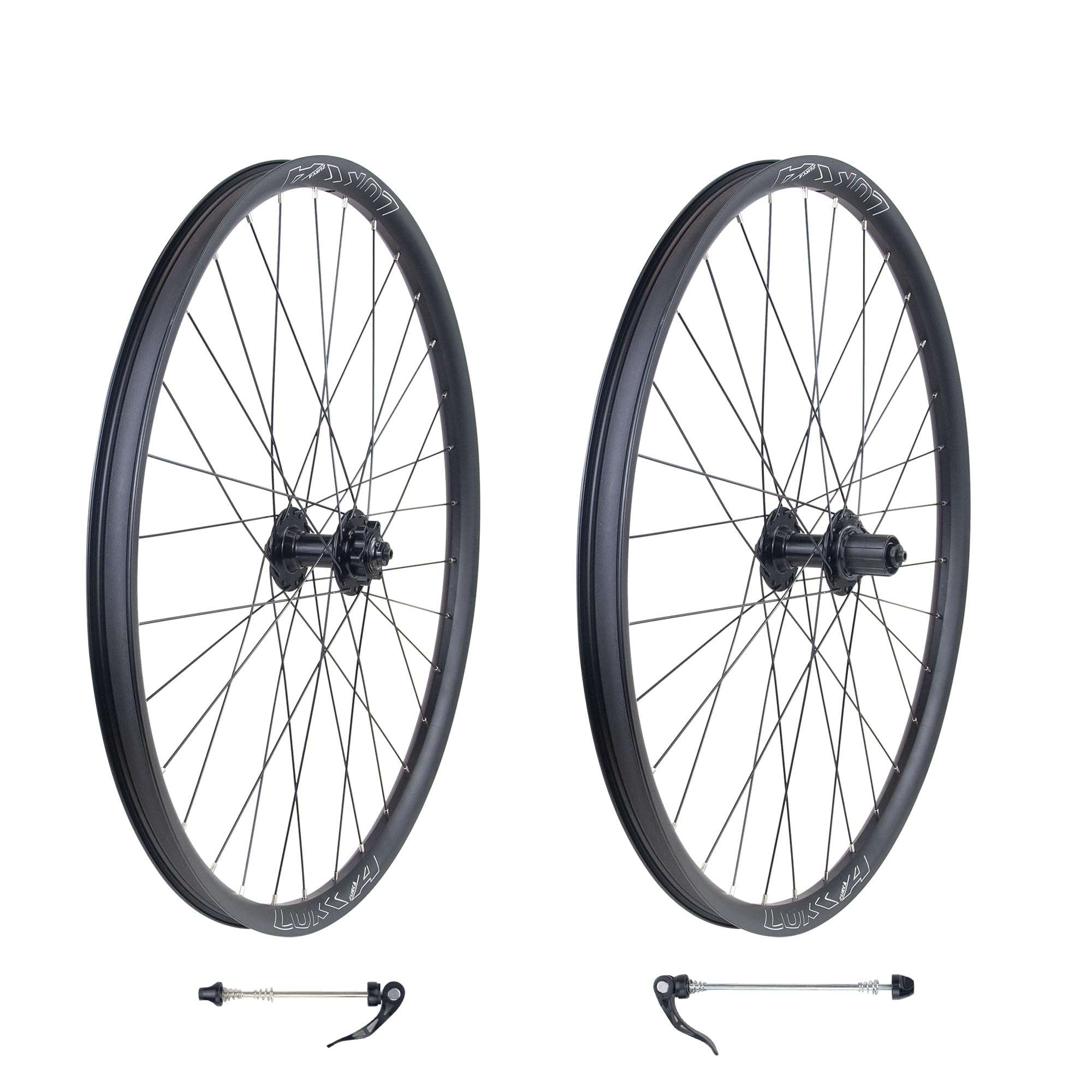


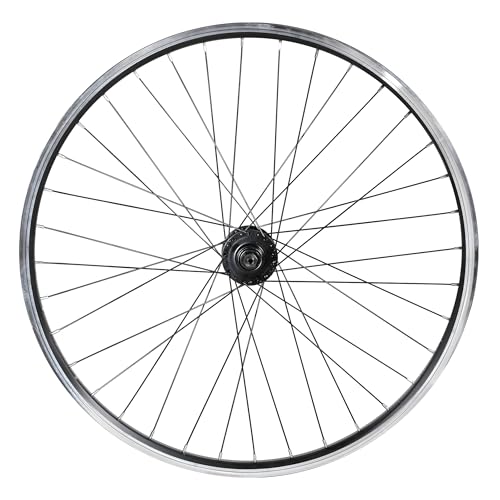
Who Should Buy Aluminum Wheels
Trail, XC and enduro riders who want durability without carbon prices gain the most. Riders who crash often or ride rocky terrain benefit from aluminium, since dents are usually rideable while carbon cracks can end a ride. Beginners and budget focused riders also value the lower cost.
Weight focused racers may still prefer carbon for maximum lightness. If you ride smooth trails only, a lighter XC wheelset may suit better than a burly enduro set. For rough mixed terrain on a budget, aluminium is the practical choice.
Wheel Types by Riding Style Compared
XC wheels are lighter and narrower, suiting climbing and fast rolling trails. Trail wheels balance weight and strength for varied terrain. Enduro wheels are wider and stronger for rough descents and bigger hits, at the cost of extra weight.
Downhill wheels are heaviest and strongest for bike park use. Choose by your roughest regular riding, since a light XC wheel on enduro trails dents fast. A trail wheelset suits most mixed riders best.
Rim Width, Hubs and Axles
Rim width should match your tyre width, since narrow rims pinch wide tyres and wide rims spread narrow tyres too flat. Internal width around 25 mm suits many trail tyres, while wider rims suit plus sized tyres. Check your frame and fork clearance before buying wider rims.
Hub standards must match your bike, including axle type, spacing and freehub body for your drivetrain. Boost spacing is common on modern trail bikes, while older bikes use narrower standards. Check brake rotor mount type too, since centre lock and six bolt rotors differ.
Tubeless Setup, Spokes and Durability
Tubeless setup cuts punctures and lets you run lower pressures for grip, but needs tubeless ready rims, tape and sealant. Spoke count affects strength, with higher counts suiting heavier riders and rougher terrain. Aluminium rims can be trued after minor dents, which extends life.
Check spoke tension regularly and true wheels before wobbles grow. Sealant needs topping up every few months, since it dries out. Carry a tube on long rides as a backup, since a large cut can defeat sealant on the trail.
Weight, Ride Feel and Budget
Weight affects climbing and acceleration, but durability matters more on rough trails. A slightly heavier aluminium wheelset that survives rock strikes beats a light set that dents often. Rotational weight feels more noticeable than frame weight, so wheel upgrades change ride feel clearly.
Budget for tyres, sealant and possible hub service alongside wheel price. A mid priced aluminium set with good hubs often outlasts a cheap set with poor bearings. Compare warranty terms, since crash replacement policies vary between makers.
Common Mistakes to Avoid
Buying wheels with the wrong hub standard is a common error, since adapters do not always fix spacing mismatches. Choosing XC wheels for enduro trails is another, because light rims dent fast on rough descents. Ignoring rim width for your tyre size harms handling and tyre shape.
Do not skip tubeless tape and sealant checks, since slow leaks frustrate rides. Avoid very cheap wheels with poor hubs, since bearing failure strands riders. Try wheels on your usual trails before a big trip, so faults show early.
Related Guides Worth Reading
For general wheel options, best wheels for mountain bike covers the wider range. Carbon comparisons are in best carbon mountain bike wheels for weight focused riders. XC specific choices are in best xc mountain bike wheels, while enduro use is covered in best enduro mountain bike wheels.
Fitting and Spares
Before you order, write down your axle type (quick release or thru axle), rear spacing, rotor mount style and the cassette body you need. Wheels sold as a set usually include front and rear, but a few listings sell only one wheel, so read the title and the box contents.
Plan for the small parts too: tubeless tape and valves if the rims are tubeless ready, new tires if the rim width is much wider than your old ones, and a spare spoke or two. Keep a spare tube in your pack for the first rides on a new setup.
Frequently Asked Questions
Are aluminum wheels better than carbon for mountain biking?
Aluminium suits riders who prioritise durability and cost, since dents are usually rideable while carbon cracks can fail suddenly. Carbon suits weight focused racers who accept higher cost and crash risk. For rocky trails on a budget, aluminium is often the smarter choice.
What rim width suits my mountain bike tyres?
Match internal rim width to tyre width, with around 25 mm suiting many trail tyres and wider rims suiting plus tyres. Narrow rims pinch wide tyres and harm handling, while very wide rims flatten narrow tyres. Check frame clearance before choosing wider rims.
How do I know if a wheelset fits my bike?
Check axle type, spacing, freehub body, brake rotor mount and rim size against your bike specs. Boost spacing is common on modern trail bikes, while older bikes differ. A shop can confirm fit if your specs are unclear, since hub mismatches are costly to fix.
Is tubeless worth it for aluminum wheels?
Yes for most trail riders, since tubeless cuts punctures and allows lower pressures for grip. It needs tubeless ready rims, tape and sealant, plus regular sealant top ups. Carry a tube as backup for large cuts that sealant cannot close.
How long do aluminum mountain bike wheels last?
Well built aluminium wheels last several seasons of regular trail use with spoke checks and truing. Rocky terrain and heavy riders shorten life, while smooth trails extend it. Replace rims with deep dents, cracks or worn brake tracks promptly for safety.
Final Thoughts
Match wheel style to your roughest riding, check hub standards and rim width carefully, and favour durable hubs over the lightest build. Aluminium offers strong value for rough trails. The product table above compares the main types, and a ride on familiar trails will confirm the choice.
When you shop for the best aluminum mountain bike wheels, hub fit and rim width matter more than the lightest build.


