
Best Aluminum Frame Mountain Bike 2026: Buying Guide
Disclosure: We may earn a commission when you buy through links on this page, at no extra cost to you. As an Amazon Associate I earn from qualifying purchases. Learn more

What to check on a best aluminum frame mountain bike: fit, suspension, brakes, gearing, wheels and price tiers for new and returning riders.
Aluminum frames hit a sweet spot for mountain biking. They cost far less than carbon, shrug off trail knocks better than many riders expect, and keep weight low enough for long climbs. This guide shows you how to judge fit, suspension, brakes, and gearing so you can choose the best aluminum frame mountain bike for your trails and your budget. The comparison table below gives you a fast look at frame sizes and price tiers.
Your local terrain should drive every choice that follows. Smooth flow trails, rocky descents, and steep fire roads each reward a different mix of travel, tire, and gearing.
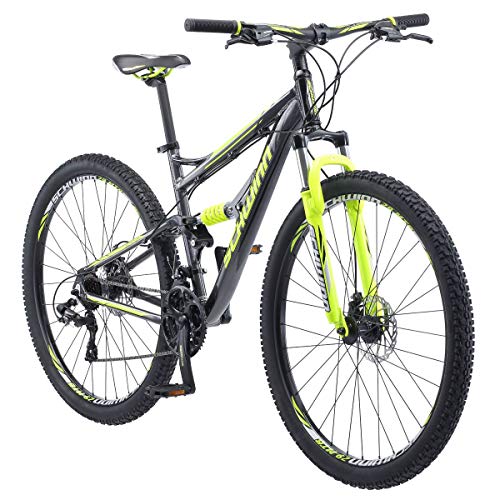
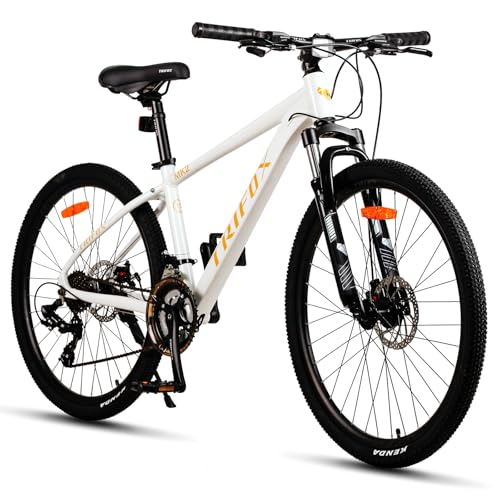
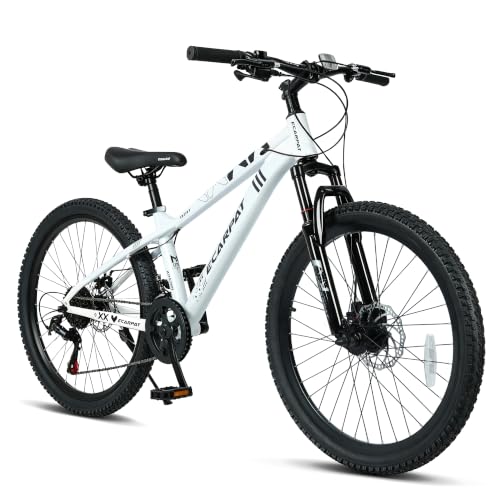

Price Tiers at a Glance
Entry Tier
Entry tier bikes, often under $800, usually bring a solid aluminum frame, a basic suspension fork, and simple gearing. This tier suits new riders on smooth to moderate trails and riders who want a frame worth upgrading later. Check for hydraulic disc brakes even here, because strong and steady braking matters more than extra gears. A frame with modern geometry and tubeless ready wheels is a better long term buy than one with flashy extras and old angles.
Mid Tier
Mid tier bikes, often about $800 to $2,000, add an air suspension fork, a wide range 1x drivetrain, and better wheels and tires. This is where trail riding starts to feel truly capable, with traction and control that build confidence on roots and loose climbs. Most riders get the best value in this tier, because each added dollar still buys a clear gain in ride quality rather than small weight savings.
Premium Tier
Premium aluminum models, often above $2,000, refine the ride with lighter wheels, smoother suspension, and stronger brakes with larger rotors. The frame may use thinner and shaped tubing to cut weight and add comfort. This tier suits riders who race, ride several times a week, or keep one bike for many seasons. Diminishing returns are real, so buy this tier for gains you can name, such as fork quality or wheel weight, not for status.
How to Choose an Aluminum Frame Mountain Bike: Buying Guide
Working through the parts below in order will narrow the best aluminum frame mountain bike choices fast. Fit and riding style come first, because no component upgrade can fix a frame that is the wrong size or built for the wrong terrain.
Bike Type and Riding Style
Cross country, or XC, bikes favor light weight and fast climbing, with shorter suspension travel and a more upright pedaling focus. Trail bikes balance climbing and descending with mid range travel, and they fit the widest range of riders and parks. Enduro bikes add long travel and slack angles for steep and rough descents, at the cost of extra weight on climbs.
Be honest about where you ride most. A trail bike on smooth XC loops still feels fun, while an XC bike on steep rocky descents can feel nervous and underbuilt. If your rides mix pavement and dirt, consider tire tread and gearing that roll well on both. Riders comparing frame materials can read our guide to the best steel frame mountain bike for how steel ride feel differs from aluminum stiffness.
Brakes (Hydraulic vs Mechanical Disc)
Hydraulic disc brakes use fluid to press the pads, giving strong stopping power with light finger effort and steady feel in wet weather. Mechanical disc brakes use a cable, cost less, and are simpler to adjust at home, but they need more hand force and more frequent tuning.
For mountain trails, hydraulic brakes are worth the small price gap for nearly every rider. Rotor size matters too. Larger rotors, such as 180 mm, shed heat better on long descents. Whatever system you choose, bed in new pads with a series of gradual stops before your first steep ride, so braking feels consistent when you need it most.
Suspension (Hardtail vs Full Suspension) and Travel
A hardtail has suspension only at the front fork, which keeps it lighter, cheaper, and simpler to maintain. A full suspension bike adds a rear shock that absorbs hits, improves traction, and reduces fatigue on rough trails. Travel is measured in millimeters. Around 100 to 120 mm suits XC, 130 to 150 mm suits trail riding, and 160 mm or more suits enduro terrain.
More travel is not always better. Extra travel adds weight and can make easy trails feel dull and soft. Match travel to the roughest trail you ride often, not the hardest trail you might try once a year. For a deeper look at rear suspension layouts, see our guide to the best mountain bike frame hardtail options and how they compare in upkeep.
Weight and Components Upgrade Path
Complete aluminum trail bikes often weigh about 28 to 35 lb, with hardtails at the lower end. A few pounds matter on long climbs, but fit and tire choice affect your day more than small weight gaps. Wheels and tires are the best first upgrades, because lighter rotating parts and better tread change how the whole bike feels.
A good frame deserves a real upgrade path. Check for tubeless ready rims, a tapered head tube, and modern axle standards, because those features keep future forks and wheels compatible. A dropper seatpost is another upgrade worth planning for, since it lets you lower the saddle fast for descents. Our guide to the best frame for mountain bike explains which frame standards matter most for long term parts support.
Drivetrain and Gearing
Most modern mountain bikes use a 1x drivetrain, meaning one chainring at the front and a wide range cassette at the back. It is simpler, lighter, and less likely to drop a chain than older 2x setups. Look for a cassette with a large low gear, which makes steep climbs far more manageable when your legs are tired.
Groupsets from major makers step up in shift smoothness, weight, and durability as price rises, but even entry level 1x systems work well when tuned. What matters most is gear range for your hills. Flat trail riders can enjoy tighter spacing between gears, while mountain riders should protect that easy climbing gear above all else.
Types of Aluminum Frame Mountain Bikes
Hardtail Mountain Bikes
A hardtail has a suspension fork and a rigid rear end. It is lighter, cheaper and easier to service, which suits new riders and smooth to moderate trails. An aluminum hardtail frame is a sensible base to upgrade over time.
Full Suspension Mountain Bikes
Full suspension models add a rear shock and linkage to the aluminum frame, giving traction and control on rocky and root filled trails. They cost more and need shock service, but they reduce fatigue and help newer riders stay seated and steady through rough sections. They fit riders whose home trails are rough enough that a hardtail would beat them up ride after ride.
Cross Country and Trail Bikes
Cross country frames favor light weight and efficient climbing, while trail frames add travel and slacker angles for rougher ground. Pick the one that matches the roughest trail you ride often, not the hardest one you might try once a year.
Setup and Care Tips
- Check tire pressure before every ride. A few psi changes traction and comfort. Tubeless setups often run lower pressure than tubes for better grip.
- Clean and lube the chain every 100 to 200 miles. A clean drivetrain shifts better and lasts longer. Wipe off excess lube so it does not collect grit.
- Have a professional tune up yearly. A shop can check bearings, brake pads, and suspension seals that are easy to miss at home.
- Inspect the frame after a crash. Look for dents and cracks near welds. A dented aluminum tube cannot be bent back safely, so ask a shop when in doubt.
- Store the bike dry and out of harsh sun. Dry storage protects bearings, seals, and tires, and it keeps the finish looking sharp.
Aluminum Frame Mountain Bikes: Your Questions Answered
What size bike do I need?
Start with the maker size chart based on your height, then confirm standover height and reach. You should be able to stand over the top tube with a little clearance, and reach the bars without locking your elbows or feeling cramped. Inseam matters as much as height for many riders. If you fall between sizes, the smaller size usually feels easier to handle on tight trails, while the larger size feels steadier at speed.
Hardtail or full suspension for beginners?
A hardtail is the better first bike for most beginners on smooth to moderate trails. It costs less, weighs less, and teaches clean line choice because the rear wheel follows the ground honestly. Full suspension makes sense sooner if your local trails are rocky and rough, because comfort keeps new riders riding. Either way, spend on fit, hydraulic brakes, and a dropper post before chasing small weight savings.
Aluminum or carbon for a first frame?
Aluminum is the usual first choice. It costs much less than carbon, tolerates knocks and crashes better, and is easy to repair or replace. Carbon saves some weight, but the saving rarely matters until you race or ride very often.
How much should I spend on my first bike?
Plan on about $600 to $1,500 for a first aluminum frame bike that will hold up on real trails. Below that range, forks and brakes often limit the fun and the safety margin. Above it, you gain smoother suspension and lighter wheels, which are lovely but not required to start. Keep some budget aside for a helmet, a floor pump, a multitool, and flat repair supplies, because those items complete the purchase.
Final Thoughts
Fit first, then brakes and suspension matched to your terrain, then gearing that gives you an easy climbing gear. That order will lead you to a bike you enjoy for years, and it keeps your budget aimed at gains you can feel on every ride. Review the best aluminum frame mountain bike options in the product table above with your home trails in mind, and choose the frame size you can control with confidence.


