
Best Carbon Fiber Shoes: What Actually Matters Before You Buy for 2026
Disclosure: We may earn a commission when you buy through links on this page, at no extra cost to you. As an Amazon Associate I earn from qualifying purchases. Learn more

Use this buying guide checklist for the best carbon fiber shoes, covering fit, cushioning, traction, durability and value before you choose a pair.
A carbon plate can make a shoe feel fast, springy and efficient, but it can also make the wrong shoe feel stiff, unstable and tiring. This guide treats the best carbon fiber shoes as a checklist decision, not a label. You will score fit, cushioning, support, traction and lifespan first, then match a price tier to your actual mileage.
Start with the comparison table below to see how the main options differ on weight, drop and intended use. Then use the criteria that follow to judge whether a stiff plate helps your stride or simply adds cost you will never benefit from.
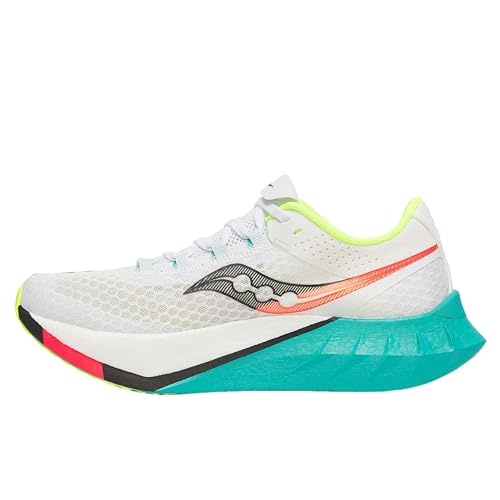
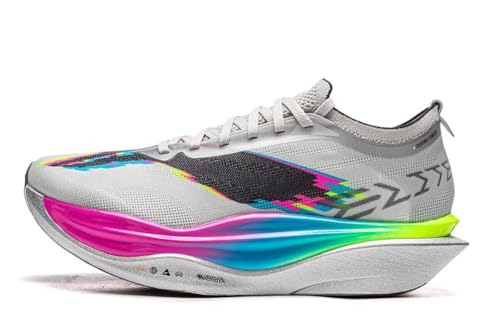
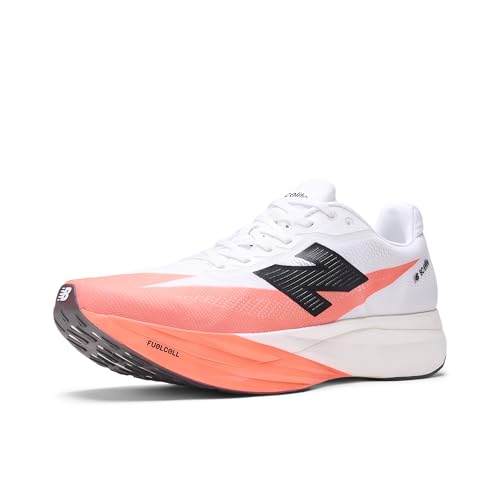


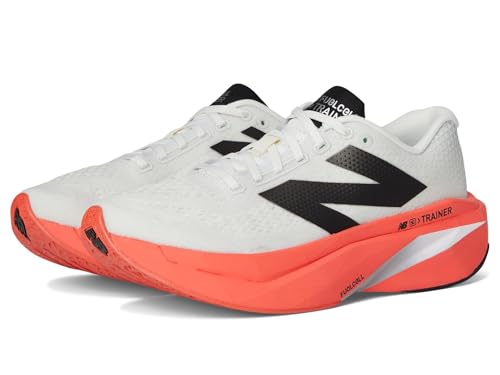
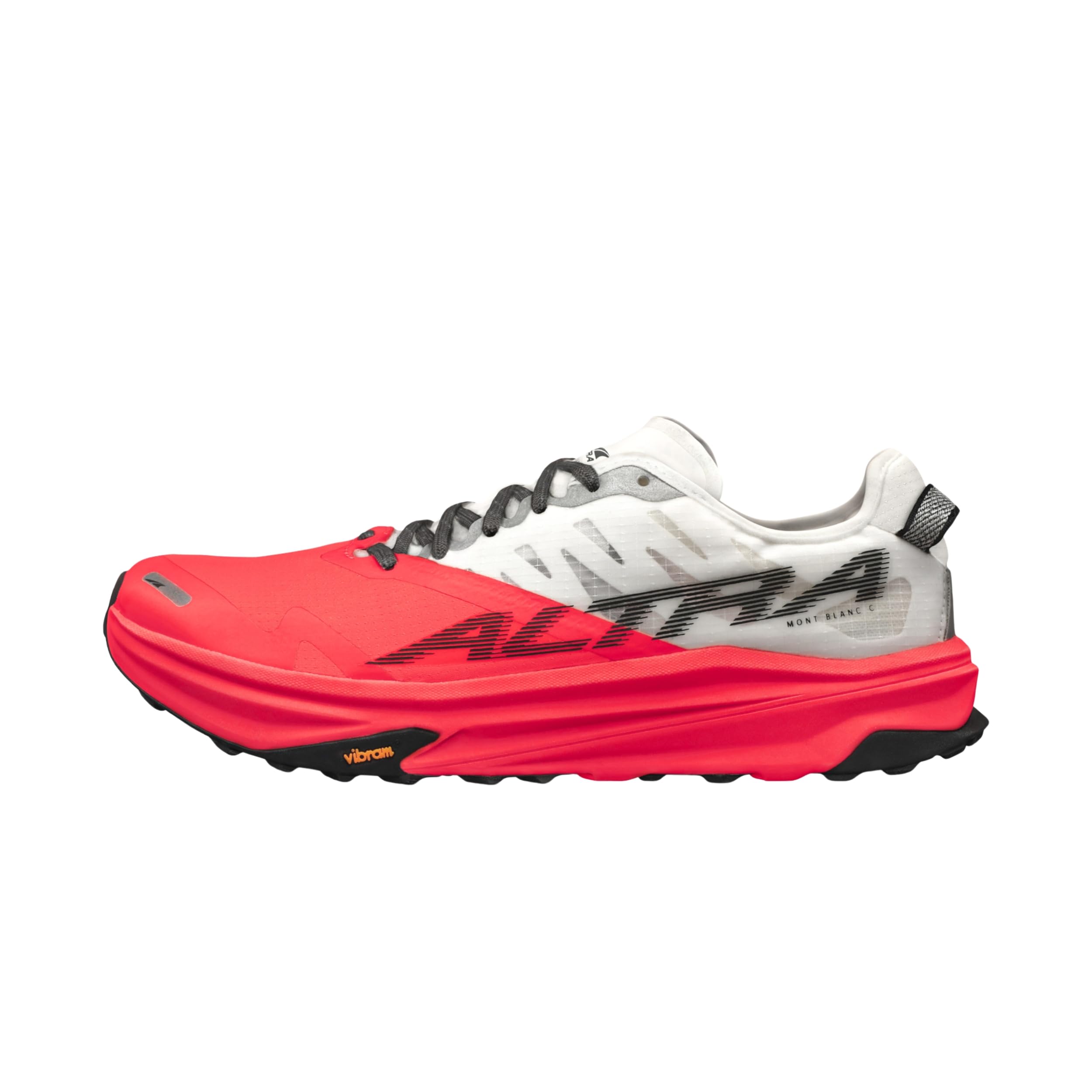
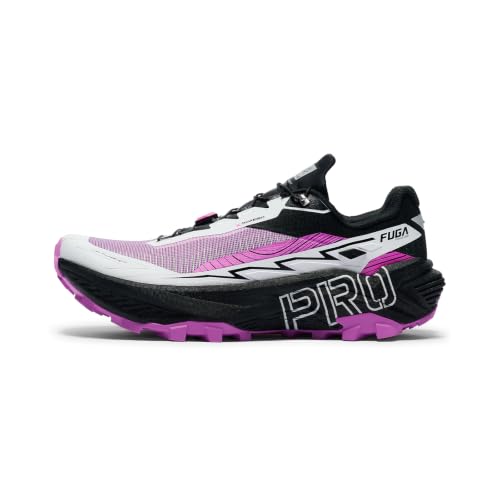
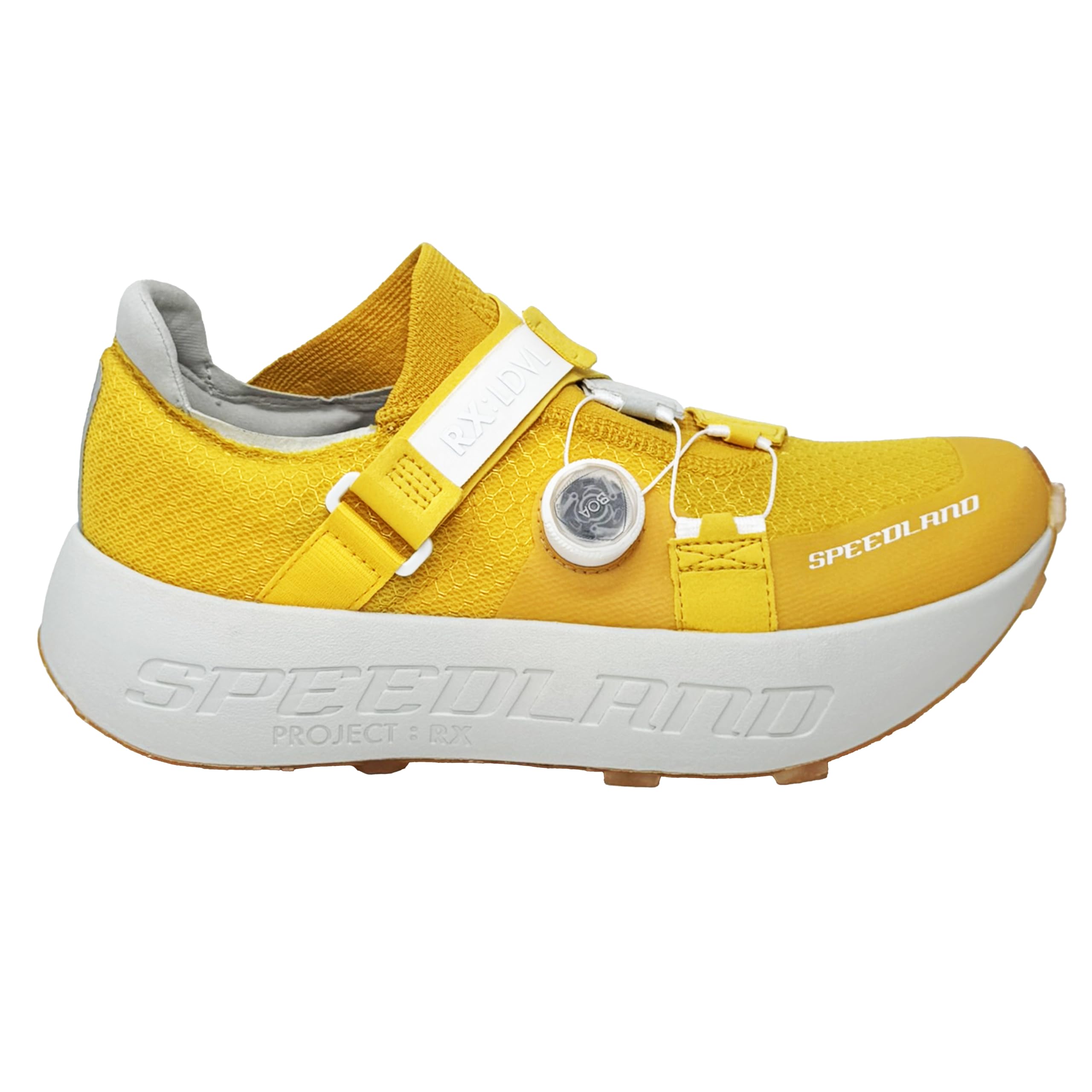
How We Evaluate Carbon Fiber Shoes
Think of each criterion below as a pass or fail gate. A shoe that scores well on speed but fails on fit will not stay in your rotation, and a shoe that fits beautifully but loses its pop after a few weeks is poor value at any price.
Fit, Sizing, and Toe Box
Measure both feet late in the day, when they are at their largest, and shop from that larger measurement. You want about a thumb width of space in front of your longest toe, because feet swell and slide forward during longer efforts. The toe box should let your toes spread without pressing the sides. If the plate makes the shoe feel narrow, going up half a size often helps, but heel slip is a sign to try a different last rather than simply sizing up again.
Cushioning and Support
Decide first whether you need a neutral ride or added stability. A wide base, gentle sidewalls and a secure heel counter help runners who roll inward, while neutral shoes rely on your own mechanics. Note the heel to toe drop as well. Lower drops load the calves and Achilles more, while higher drops shift work toward the knees. Generous foam softens impact, yet very soft foam over a rigid plate can feel wobbly at slow speeds, so match stack and support to your pace. If a true plate model is your goal, compare the options in our guide to the best carbon fiber plate running shoes before you commit.
Upper Materials and Breathability
Engineered mesh is usually the lightest and most breathable choice, and it suits warm weather and faster sessions. Knit uppers feel sock like and adapt to odd foot shapes, though they can stretch and offer less lockdown on sharp turns. Leather and dense synthetics add structure and weather protection but trap heat. Look for a padded collar that does not rub the ankle, seams that sit away from bunions, and enough midfoot hold that laces fine tune fit instead of fighting to create it.
Durability and Expected Lifespan
Most carbon plated trainers and racers deliver their best ride for about 300 to 500 miles, after which the foam feels flat even if the outsole still looks fine. Thin racing foams tend to fade sooner than firmer daily training foams. Track your mileage in a simple note and retire the shoes from key sessions once the spring feels gone. For regular road training volume, you can also compare the models covered in our guide to the best carbon fiber running shoes, which focuses on that specific use.
Outsole Traction and Terrain
Check how much rubber actually touches the ground. Full rubber coverage grips wet pavement better and protects the foam, while exposed foam is lighter but wears quickly and can feel slick. Shallow lugs around 2 to 3 mm suit roads and smooth paths. Deeper lugs belong on trails, where a stiff plate can feel awkward on rocks and roots. If most of your miles are on wet sidewalks, prioritize continuous rubber and drainage over a small weight saving.
Break In Period and Comfort Out of the Box
A carbon plate shoe should feel firm, not painful, on the first walk around the house. Do two or three short, easy outings before any long effort, and note hot spots at the forefoot, where the plate bends, and at the heel. Mild stiffness usually settles as the foam softens slightly. Sharp pressure, numb toes or Achilles irritation that grows with each outing are fit problems, not a normal break in phase, and they are a reason to exchange the pair.
Weight and Flexibility
Lighter shoes reduce fatigue late in a workout, but the lightest builds often trade away rubber, upper structure and foam durability. Consider total weight alongside how the shoe flexes. A plate shoe should bend mainly at the forefoot and feel smooth through toe off, not hinged or abrupt. Heavier walkers and newer runners often prefer a touch more shoe underfoot, because protection and a stable platform matter more than a few grams once the distance grows.
Three Price Tiers That Pass Our Checklist
Instead of chasing a single winner, use tiers. Each tier below describes what your money generally buys, what it does not, and who should stop at that level.
Overall Tier
Expect to pay about $180 to $250 for the balanced tier. You generally get a modern lightweight foam, a full length carbon plate, a secure engineered mesh upper and enough outsole rubber for regular road use. This is the sensible ceiling for most buyers who train several times a week and want one pair that handles workouts and longer efforts. The limitation is lifespan, since these versatile foams still fade well before a basic trainer would.
Value Tier
Value models around $120 to $180 often use a carbon infused plate or a slightly firmer foam, and they may weigh a little more. In return you usually gain durability and a more forgiving fit, which suits newer runners and walkers testing whether plate stiffness suits them. You give up some energy return and the softest ride. If the fit score is high and the plate feels smooth rather than harsh, this tier is often the smartest first purchase.
Premium Tier
Premium pairs at about $250 to $300 chase maximum energy return with the lightest foams and minimal uppers. They make sense for experienced racers who already know their size in that brand, tolerate a narrow fit, and reserve the shoes for important sessions. Everyone else should note the trade off clearly. You pay the most for the shortest useful life, the least forgiving fit and outsoles that wear fastest, so the gains are narrow and specific.
Quick Buyer Checklist
- Did you measure your feet late in the day and leave a thumb width at the toes?
- Does the stability level match how your ankles and knees actually move?
- Is the heel to toe drop close to what your calves are used to?
- Does the outsole rubber match your usual surface and weather?
- Can you accept a useful life of about 300 to 500 miles?
- Will you reserve the pair for the sessions where a plate truly helps?
- Does the return policy let you test the fit indoors first?
Red Flags to Watch For
Walk away from vague plate claims that never say whether the plate is full carbon, a blend, or a thin insert, because stiffness and durability differ a lot between them. Be cautious with listings that promise racing performance but give no weight, drop or stack information. Very short warranties, sizing charts that do not match the brand standard chart, and a flood of similar glowing comments posted on the same dates are also warning signs. Finally, deep discounts on a current racing model often mean an odd size range or a fit change you should research first.
How to Make Your Carbon Fiber Shoe Last Longer
- Rotate two pairs if you train on back to back days, so the foam can recover between sessions.
- Air dry wet shoes at room temperature, away from direct heat, with the insoles removed.
- Untie the laces instead of forcing your feet out, which protects the heel collar and upper.
- Keep plated racers off gravel and rough trails, where exposed foam tears and wears quickly.
- Move worn pairs to short walks once the spring fades, rather than forcing long efforts in them.
Frequently Asked Questions
Can I wear carbon fiber shoes all day?
You can, but most people should not make them an all day default. The stiff plate limits natural foot bend and the soft racing foam compresses unevenly during long standing hours. Save plated pairs for training and events, and use a flexible, supportive shoe for workdays. If your job keeps you on concrete, that rotation also extends the life of the expensive pair.
Do I need waterproof carbon fiber shoes?
Only if you regularly train in cold rain or slush. Waterproof membranes such as Gore Tex keep water out, but they also trap heat and slow drying once water enters over the collar. For warm rain, a breathable mesh shoe that drains and dries fast is usually more comfortable. Choose waterproofing for winter conditions, not as a default upgrade.
How should carbon fiber shoes fit?
They should fit snug through the heel and midfoot, with clear space at the toes. Your heel should not lift as the plate rolls you forward, and your toes should never press the front on downhills. Because the plate changes how the shoe bends, try your usual size and half a size up, then pick the pair with no heel slip and no toe pressure.
How long is the break in period for carbon fiber shoes?
Plan on two to three short sessions, roughly a week of normal training. The foam softens slightly and your calves adapt to the stiffer roll. What should not happen is worsening pain. New blisters, numbness or tendon soreness that lingers into the next day means the fit or the drop is wrong for you, and more miles rarely fix that pattern.
Are expensive carbon fiber shoes worth it?
They are worth it only when the small gains match a specific goal, such as a key race after months of training. The most expensive pairs are also the least durable, so the cost per mile is high. For general fitness, a value or overall tier pair delivers most of the plate benefit with a better fit range and a longer useful life.
How often should I replace my carbon fiber shoes?
Replace them after about 300 to 500 miles, or sooner if the ride feels flat and your legs feel unusually beaten up after familiar routes. Visible clues include compressed creasing in the foam, worn rubber at the forefoot and a plate roll that feels dull. Keeping a simple mileage log removes the guesswork and prevents one bad long session in dead shoes.
Final Thoughts
Fit, the right stability level and a realistic lifespan matter more than any single speed claim. Match the tier to your mileage, test the fit indoors, and keep the pair for the work it does best. Chosen that way, the best carbon fiber shoes feel like a tool rather than a gamble, and the product table above is the quickest place to compare your finalists side by side.


